Keywords
Breast Cancer, Patient Preferences, Decision Making, Systemic Treatment, Chemotherapy, Endocrine Therapy, Targeted Therapy

This article is included in the Oncology gateway.
Breast Cancer, Patient Preferences, Decision Making, Systemic Treatment, Chemotherapy, Endocrine Therapy, Targeted Therapy
Breast cancer is the most frequent cancer in women and is associated with a substantial global burden of disease.1 One in eight women will develop the disease over the course of their lifetime and it is the most common cause of death from cancer for women.2 To decrease morbidity and mortality among those affected, effective treatment is critical. Various options are available for the treatment of early breast cancer, including surgery and radiotherapy as well as systemic treatment with chemotherapy, endocrine therapy, and targeted therapies.3 With ongoing advances through novel human epidermal growth factor receptor 2 (HER2)-targeted agents, cyclin dependent kinase 4/6 (CDK4/6) inhibitors, and poly ADP ribose polymerase (PARP) inhibitors, the landscape of systemic treatment for early breast cancer has become increasingly complex.4,5 This also makes the individual selection of the optimal treatment more challenging in clinical practice.
The preferences, values and expectations of patients are a central aspect of patient-centered care and may meaningfully influence individual treatment choices.6 Balancing the expected benefits, potential harms, and burden of treatment, and discussing these factors with their health care providers to decide on the treatment, is a challenging process that differs from patient to patient. Patient preferences are highly individual, and certain patient and disease factors, such as age, multimorbidity, tumor stage, or tumor biology, may also be associated with specific treatment preferences.5 Age in particular may shape how women with early breast cancer weigh the survival benefit against treatment burden, toxicity, fertility concerns, and long-term quality of life, as personal circumstances and needs substantially differ across age groups.7–9 For difficult and preference-sensitive decisions, identifying and understanding patient preferences and their variation across patients is therefore critical to support optimal treatment selection and provision of patient-centered care.10,11
To date, there is little overview over the scientific literature on patient preferences related to systemic treatment in women with early breast cancer. Existing reviews primarily covered preferences related to radiotherapy and surgery or treatment more broadly,8,9,12–14 specifically evaluated benefit-harm trade-offs,8,9,14,15 or focused on preferences in metastatic breast cancer.16 Some have evaluated differences in preferences between age groups and preference heterogeneity,8,9 while others assessed differences between early breast cancer and metastatic breast cancer.9,15 However, no study to date has covered both the quantitative and qualitative literature on patient preferences related to systemic treatment in early breast cancer, or on preferences related to the decision-making process in this context.
With this scoping review, we aimed to provide a high-level overview of the existing literature on preferences, values and expectations of women with early breast cancer regarding systemic treatment and related decision-making processes. Specifically, the objectives were to (a) map and describe the characteristics and thematic focus of existing studies in this context, (b) summarize factors related to systemic treatment or decision-making processes which are frequently reported, (c) explore whether and how studies assessed preference heterogeneity between individuals, and (d) explore whether and how studies assessed differences between younger and older patients with early breast cancer.
We conducted a scoping review following the guidance of the Joanna Briggs Institute17 and the extended methodological framework of Arksey and O’Malley.18,19 A scoping review was chosen rather than a systematic review since our objective was to map and describe the existing literature, without the intention of summarizing specific preference outcomes. A study protocol was registered on the Open Science Framework platform (https://doi.org/10.17605/OSF.IO/MRYU9). We report the study according to the extension for scoping reviews of the Preferred Reporting Items for Systematic Reviews and Meta-Analyses (PRISMA-ScR).20 The PRISMA-ScR checklist and extended data providing comprehensive Supplementary Material can be accessed via the Open Science Framework repository.21
We included primary qualitative, quantitative, and mixed (qualitative and quantitative) studies that assessed patient preferences regarding systemic treatment and related decision-making in the decision context of early breast cancer in women. We defined early breast cancer as stage I to IIIA breast cancer according to the American Joint Committee on Cancer (AJCC) 8th edition,22 or breast cancers described as early or early-stage, local or (loco) regional, or non-metastatic. Breast cancers of any hormone receptor or HER2 receptor status were eligible. We included studies that assessed preferences regarding breast cancers of any stage if they separately reported results for early breast cancer, to maximize the information captured by this review. In this case, only information related to early breast cancer was used in the synthesis. We excluded studies conducted in the context of metastatic breast cancer, carcinoma in situ, and male breast cancer, and studies with a non-specific decision context (ie, all breast cancers irrespective of stage, without separately reported results for early breast cancer).
Study populations were allowed to differ from this defined decision context to include studies assessing preferences related to systemic early breast cancer treatment in any population group, eg among healthy women using hypothetical treatment scenarios. However, we excluded studies if they exclusively assessed provider, caregiver, or payer preferences from their respective perspective. For studies with diverse participant groups, only information related to patients with breast cancer was used in the synthesis.
We defined systemic treatment as any primary systemic anticancer therapy including chemotherapy, endocrine therapy, targeted therapy (eg, anti-HER2 therapy or CDK4/6 inhibitors), immunotherapy, and their combinations (including combinations with radiotherapy and surgery). Studies were considered eligible if they evaluated patient preferences regarding systemic treatment (eg, benefits, harms, costs, mode of administration), or regarding decision-making related to systemic treatment (eg, patient role or participation, information needs, decision-making processes). Studies evaluating preferences regarding surgery, radiotherapy, or medication other than the primary systemic anticancer therapy were included if they separately reported results for systemic treatment and excluded if no results specifically related to systemic treatment were reported. We further excluded studies specifically related to treatment adherence, experiences, knowledge, or survivorship, unless information in line with above eligibility criteria was additionally reported.
We searched for records in MEDLINE, EMBASE, CINAHL and EconLit databases from inception up to January 12, 2023. The search strategies are presented in the Supplementary Material Search Strategies. We additionally screened reference lists of included studies, relevant reviews, and the first 5 pages (50 records) of a Google Scholar search conducted on March 5, 2023. We included studies in English, German, French, Dutch, Italian, and Spanish. Systematic reviews, studies for which only abstracts were available, and retracted studies were excluded.
Titles and abstracts of all records were screened independently by at least two authors (BS, DS, EB, DM). Two authors (BS, DM) then reviewed the full-texts of all potentially relevant records independently and in duplicate based on the eligibility criteria (see Supplementary Material Screening Form). Conflicts during study selection were resolved by discussion among the four reviewers. Data extraction included: first author, year of publication, study type, study design and method(s) of data collection, countries of study conduct, time of study conduct, study population, sample size, decision context, thematic focus, primary objectives, primary findings, funding and potential conflicts of interest (see Supplementary Material Data Extraction Form). All data was extracted by one author (BS) and all extracted data was verified by another author (DM). This was considered appropriate as it is an established way to gain efficiency in reviews23 and we are confident that all information of relevance to this review has been captured by this approach. Conflicts in data extraction were resolved by discussion between the two authors, with consultation of a third author (DS, EB) where required.
We assessed all included studies for their quality using the Purpose, Respondents, Explanation, Findings, and Significance (PREFS) checklist.24 In addition, we assessed the risk of bias using the Grading of Recommendations Assessment, Development and Evaluation (GRADE) risk of bias assessment tool for quantitative preference studies.25 For qualitative preference studies, we used the Critical Appraisal Skills Program (CASP) checklist.26 The use of the CASP checklist represented a change compared to the initial review protocol, in which we had prespecified using the Standards for Reporting Qualitative Research (SRQR) checklist.27 The change was considered appropriate as CASP is a critical appraisal checklist and thus better suited for risk of bias assessment than the SRQR reporting checklist. Risk of bias assessment was conducted by one author (BS) and verified by another author (DM) for all studies, with conflicts resolved by discussion between the two authors.
First, we descriptively analyzed the characteristics of all included studies. Second, we analyzed the thematic focus of the studies, the key aspects related to patient preferences assessed by the studies, and whether and how they evaluated age differences and preference heterogeneity. We then compiled brief summaries based on extracted data related to the thematic focus and key results of relevance to this review. Since the thematic focus of the studies was very diverse, it was challenging to create an overview without losing important detail. Hence, we considered a tabular presentation of these brief summaries as the most suitable approach for presenting an overview of the thematic focus of the included studies and refrained from further data abstraction. In addition to preference heterogeneity and age, we identified further specific topics recurring across studies.
To analyze key aspects related to patient preferences of the studies, we applied a qualitative content analysis approach using an iterative coding process.28,29 We first used an inductive approach to derive first-level codes from the extracted raw data. This step was performed in duplicate and independently by two authors for the first 10 studies (BS, DM). We then discussed and adapted the codes for an initial codebook, which we iteratively refined during the coding of the remainder of the studies. After full coding of all studies, the two authors again evaluated the codes, resolved conflicts, and determined the final list of first-level codes. Using iterative coding, we subsequently summarized the first-level codes into more abstract second-level codes. We then compared these codes with a conceptual framework derived from the protocol, categorizing the studies into (a) studies evaluating preferences related to treatment and (b) studies evaluating preferences related to the decision-making process. We further adapted the codes successively in an iterative process using both inductive and deductive techniques until a final set of codes was reached. We then mapped the derived codes to the conceptual framework, resulting in subcategories related to the overarching categories of the conceptual framework. We organized the data in tables and descriptively analyzed the final codes (subcategories) across studies, providing the frequencies and proportions of studies categorized in a subcategory among all studies categorized in the corresponding overarching category. Last, we visualized these data using bar charts.
Regarding preference heterogeneity, we report the number of studies reporting results about the distribution of preferences across individuals, including the approach taken (ie, explicit statistical modeling or other means of presenting distributions). We additionally report the number of studies evaluating age as a determinant for preferences, stratified by whether they specifically compared two or more age groups, assessed the association between age and patient preferences, or evaluated preferences in a specific age subgroup. For studies evaluating differences between age groups, we used the cut-offs for younger and older as operationalized in the primary studies. In these cases, 'younger' thus does not necessarily correspond to the European School of Oncology - European Society of Medical Oncology (ESO-ESMO) definition of 'young women' with breast cancer,30 but rather reflects a descriptive term relative to different cut-offs applied by the studies. When studies focused on specific age subgroups within the population, we identified them as 'young' if included participants were aged <40 years according to ESO-ESMO, or 'older' if aged >65 years.
After removal of duplicates, we identified 2297 studies through database searches and 24 via other methods. Out of these, we assessed 193 articles for eligibility based on their full-text and finally included 49 studies in the review ( Figure 1, Supplementary Table 1). Twenty of the studies (41%) were qualitative,31–50 27 (55%) were quantitative51–77 and 2 (4%) used mixed designs78,79 ( Table 1, Figure 2, Supplementary Table 2). Studies were published in the years 1998–2022, with 27 (55%) conducted in North America, 19 (39%) in Europe, 5 (10%) in Australia, and 2 (4%) across multiple countries. They included sample sizes from 7–1147 participants with a reported median or mean age ranging from 35–83 years. Study populations included primarily patients with early breast cancer (42 studies, 86%), patients with breast cancer of any stage (5 studies, 10%), or healthy women from the general population (2 studies, 4%), with some additionally including health care providers, patient advocates or payers (7 studies, 14%; not further reported in this review). Studies assessed different systemic treatments, with 37 (76%) assessing chemotherapy, 13 (27%) endocrine therapy, and 3 (6%) targeted therapy (2 anti-HER2 therapy, 1 CDK4/6 inhibitors). Fourteen studies (29%) assessed more than one treatment or treatment more generally while providing separate results for systemic treatment, including combinations with surgery (9 studies, 18%) or radiotherapy (6 studies, 12%). Regarding study design, the majority of studies relied on interviews (33 studies, 67%) or survey questionnaires (22 studies, 45%) for data collection, with fewer studies using focus groups or other methods (4 studies, 8%). Among quantitative and mixed studies, 15 studies (52%) relied on a time trade-off or risk trade-off approach, 6 studies (21%) used rating exercises, 6 (21%) applied a standard gamble approach, and 2 (7%) applied a discrete choice experiment.
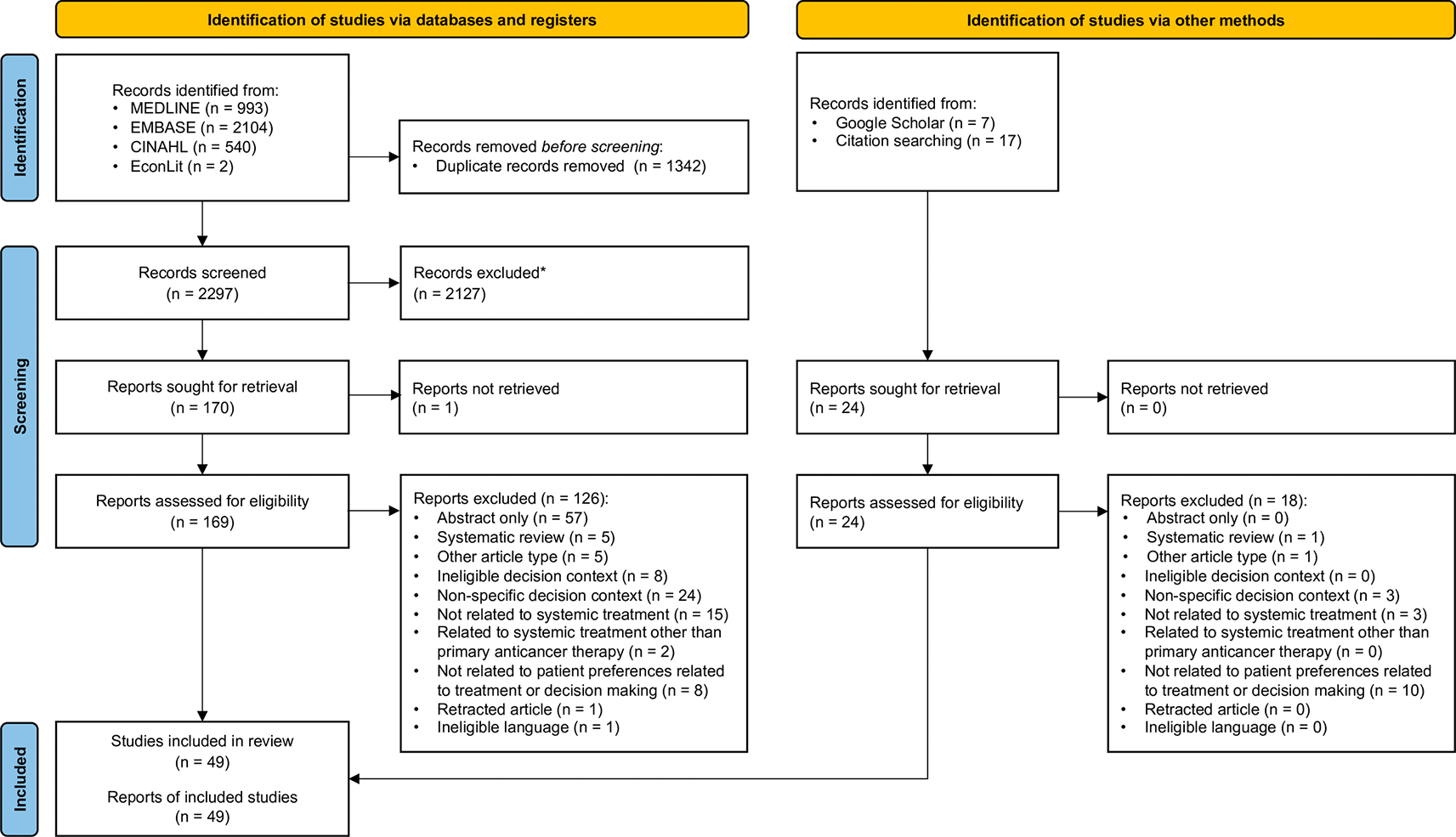
Studies were identified through a systematic literature search. All records were screened for eligibility based on title and abstract after removal of duplicates. Finally, 49 studies fully meeting eligibility criteria in full-text assessment were included in the review.
Legend: * Records were excluded after title and abstract screening if clearly not fulfilling the eligibility criteria of the review.
| Author & year | Country | Study population | Sample size | Age (years) | Decision context | Target treatment | Study type | Study design | PREFS | GRADEa | CASPa,b |
|---|---|---|---|---|---|---|---|---|---|---|---|
| Andrews et al 202231 | USA | Patients with eBC (stage II-III), patient advocates | 24 patients | median 57 (patients) | eBC | CT | Qual. | Interviews | 3 | – | suff. |
| Beusterien et al 202152 | USA | Patients with eBC (stage II-III, HR+, HER2- eBC), oncologists, payers | 310 patients | mean 58.9 (patients) | eBC (stage II-III, HR+, HER2-) | CKD4/6-TT, ET | Quant. | Survey questionnaire | 2 | moderate | – |
| Cooke et al 200553 | USA | Patients with BC (stage 0-IV) | 79 | mean 56 | Any stage BC (stage 0-IV) | CT, ET, Sx, RT | Quant. | Survey questionnaire | 4 | low | – |
| de Ligt et al 201854 | Netherlands | Patients with eBC (stage II-III) | 394 (179 neo-adjuvant CT, 215 adjuvant CT) | NR | eBC | CT | Quant. | Survey questionnaire | 5 | low | – |
| Duric et al 2005 (Ann Oncol)55 | Australia | Patients with eBC (eBC) | 97 | median 55 | eBC | CT | Quant. | Interviews | 4 | low | – |
| Duric et al 2005 (Br J Cancer)56 | UK | Patients with eBC (operable invasive eBC) | 85 | median 45 | eBC | ET | Quant. | Interviews | 4 | moderate | – |
| Duric et al 200778 | Australia | Patients with eBC (eBC) | 83 | mean 55 | eBC | CT | Mixed | Interviews | 3 | moderate | suff. |
| Fallowfield et al 200432 | UK | Healthy premenopausal women | 200 | range 25-49 | eBC (ER+) | CT, ET | Qual. | Survey questionnaire | 5 | – | suff. |
| Fallowfield et al 201533 | Multiple c | Patients with eBC (HER2+ eBC) | 467 | NR | eBC (HER2+) | HER2-TT | Qual. | Interviews | 3 | – | suff. |
| Gajra et al 201857 | USA | Patients with eBC aged ≥65 years (T1-4, N0-3, M0) | 145 | median 71 | Older women with eBC (≥65 years) | CT | Quant. | Survey questionnaire | 5 | moderate | – |
| Gorman et al 201134 | USA | Patients with eBC (stage I-II) | 20 | range 26-38 | Young women with eBC (stage I-II; ≤40 years) | General | Qual. | Interviews | 3 | – | suff. |
| Hamelinck et al 201658 | Netherlands | Patients with eBC (T1-2, BRCA1/2-) | 81 | median 61 | eBC | CT, ET | Quant. | Interviews, survey questionnaire | 5 | low | – |
| Harder et al 201335 | UK | Patients with eBC aged ≥70 years (stage I-III) | 58 | median 73 | Older women with eBC (stage I-II; ≥70 years) | CT | Qual. | Interviews | 3 | – | suff. |
| Herrmann et al 201836 | Australia | Patients with eBC (operable invasive eBC) | 24 | median 51 | eBC | CT, ET | Qual. | Interviews | 3 | – | suff. |
| Husain et al 200837 | UK | Patients with eBC aged >70 years (stage I-II) | 21 | mean 83.4 | Older women with eBC (stage I-II; >70 years) | ET, Sx | Qual. | Interviews | 3 | – | suff. |
| Iezzoni et al 201138 | USA | Patients with eBC aged <60 years with preexisting chronic mobility impairment (eBC) | 20 | NR | Women with eBC (<60 years) | General | Qual. | Interviews | 3 | – | suff. |
| Irwin et al 199959 | Canada | Patients with BC (N1+ BC) | 46 | median 48 | Node-positive BC | CT | Quant. | Survey questionnaire | 4 | low | – |
| Jansen et al 2000 (Med Decis Making)60 | Netherlands | Patients with eBC (eBC) | 55 | median 57 | eBC | CT, RT | Quant. | Interviews | 4 | moderate | – |
| Jansen et al 2000 (Qual Life Res)61 | Netherlands | Patients with eBC (eBC) | 41 | mean 42 | eBC | CT | Quant. | Interviews, survey questionnaire | 4 | moderate | – |
| Jansen et al 2001 (Br J Cancer)62 | Netherlands | Patients with eBC (N1+ or high-risk N0 eBC) | 76 (38 CT, 38 control) | mean 42 (CT), mean 55 (control) | eBC | CT | Quant. | Interviews | 4 | moderate | – |
| Jansen et al 2001 (Med Decis Making)63 | Netherlands | Patients with eBC (eBC) | 94 (43 CT, 51 control) | mean 42 (CT), mean 56 (control) | eBC | CT | Quant. | Interviews | 4 | moderate | – |
| Jansen et al 200464 | Netherlands | Patients with eBC (eBC) | 448 | mean 60 | eBC | CT | Quant. | Survey questionnaire | 4 | moderate | – |
| Karuturi et al 202239 | USA | Patients with eBC aged ≥65 years (eBC) | 26 | mean 74 | Older women with eBC (≥65 years) | CT | Qual. | Interviews | 3 | – | suff. |
| Kim et al 202140 | USA | Patients with eBC (stage I-III) | 7 | mean 59 | eBC | CT, ET, RT | Qual. | Interviews | 3 | – | suff. |
| Kreling et al 200641 | USA | Patients with eBC (stage I-III) | 34 | NR | Older women with eBC (≥65 years) | CT | Qual. | Focus groups | 3 | – | suff. |
| Kuchuk et al 201365 | Canada | Patients with BC (stage I-IV) | 69 | mean 54 | Any stage BC | CT | Quant. | Survey questionnaire | 3 | moderate | – |
| Lindley et al 199866 | USA | Patients with eBC (stage I-II) | 86 | mean 54 | eBC | CT, ET | Quant. | Interviews, survey questionnaire | 4 | moderate | – |
| Mandelblatt et al 201067 | USA | Patients with eBC aged ≥65 years (M0), oncologists | 801 | mean 73 | Older women with eBC (≥65 years) | CT | Quant. | Interviews | 5 | moderate | – |
| Mandelblatt et al 201268 | USA | Patients with eBC aged ≥65 years (stage I-II), oncologists | 1174 patients | mean 73 (patients) | Older women with eBC (≥65 years) | CT | Quant. | Survey questionnaire, interviews | 4 | moderate | – |
| Marshall et al 201669 | Canada | Women from general population | 1004 | mean 49 | eBC | CT | Quant. | Survey questionnaire | 4 | low | – |
| Milata 201742 | USA | Patients with eBC (M0 ER+) | 31 | mean 55 | eBC (M0, ER+) | ET | Qual. | Interviews | 3 | – | suff. |
| Morgan et al 201543 | UK | Patients with eBC aged >70/>75 years (operable ER+ BC), health care providers | 762 patients (729 surveys, 33 interviews) | median 77 (patients surveys), median 83 (patients interviews) | Older women with eBC (>70 years) | ET, Sx | Qual. | Interviews, survey questionnaire | 2 | – | suff. |
| Moumjid et al 200344 | France | Patients with eBC (operable BC) | 22 | NR | Operable BC | CT, Sx | Qual. | Physician questionnaire, physician notes | 2 | – | insuff. |
| O'Brien et al 200845 | Canada | Patients with eBC (eBC) | 21 (6 surgery, 15 systemic therapy) | median 61 (surgery), median 50 (systemic therapy) | eBC | General | Qual. | Video recording of consultations, interviews | 3 | – | suff. |
| O'Brien et al 201346 | Canada | Patients with eBC (eBC) | 19 | median 61 | eBC | General | Qual. | Interviews | 3 | – | suff. |
| Partridge et al 201770 | USA | Patients with eBC (operable BC), physicians | 439 patients | median 51 (patients) | Operable BC | CT | Quant. | Survey questionnaire, interviews | 5 | low | – |
| Pieters et al 201247 | USA | Patients with eBC aged ≥70 years (stage I-III) | 18 | mean 76 | Older women with eBC (≥70 years) | CT, Sx, RT | Qual. | Interviews | 3 | – | suff. |
| Ravdin et al 199871 | USA | Patients with eBC (M0) | 318 | median 49 | Non-metastatic BC | CT | Quant. | Survey questionnaire | 4 | low | – |
| Ross et al 201948 | UK | Online forum users | 132 discussion threads | NR | eBC | CT | Qual. | Online forum threads | 3 | – | suff. |
| Schleinitz et al 200672 | USA | Patients with eBC (stage I-IV) | 156 | NR | Any stage BC | CT, ET, RT | Quant. | Interviews | 4 | moderate | – |
| Senkus et al 201473 | Multiple c | Patients with eBC aged ≤35 years (stage I-II) | 400 | NR | Young women with eBC (stage I-II; ≤35 years) | CT | Quant. | Survey questionnaire | 3 | low | – |
| Sheppard et al 200849 | USA | Latina patients with BC (BC) | 32 (17 formative eval., 15 pilot study) | range 34-59 (formative eval.), mean 51.7 (pilot study) | Any stage BC | General | Qual. | Focus groups, survey questionnaire | 3 | – | suff. |
| Sheppard et al 201150 | USA | Black/African-American patients with eBC (stage 0-III) | 49 | mean 53.9 | Non-metastatic BC | General | Qual. | Interviews | 3 | – | suff. |
| Simes et al 200174 | Australia | Patients with eBC (operable BC) | 104 | median 49 | Operable BC | CT | Quant. | Interviews | 4 | moderate | – |
| Srikanthan et al 201975 | Canada | Patients with eBC (stage II-III) | 50 | median 34.5 | Young women with eBC (<40 years) | CT | Quant. | Interviews, survey questionnaire | 4 | low | – |
| Thewes et al 200576 | Australia | Patients with eBC (stage I-II) | 102 | NR | Young women with eBC (≤40 years) | ET | Quant. | Interviews, survey questionnaire | 4 | moderate | – |
| Thill et al 201679 | Germany | Patients with eBC (eBC) | 49 (8 qual., 41 quant.) | range 30-78 (qual.), median 50 (quant.) | eBC | CT, HER2-TT | Mixed | Interviews | 3 | moderate | insuff. |
| Vaz-Luis et al 201777 | USA | Patients with eBC (operable BC), physicians | 465 patients | median 51.5 (patients) | eBC (stage I-III) | CT | Quant. | Interviews, survey questionnaire | 4 | low | – |
| Zimmermann et al 200051 | Italy | Patients with eBC (T1-2) | 35 | mean 52 | eBC | CT | Quant. | NR | 4 | moderate | – |
a Risk of bias assessment was performed using the GRADE checklist for quantitative studies, the CASP checklist for qualitative studies, and both the GRADE and CASP checklists for mixed (qualitative and quantitative) studies.
b Studies were rated as of insufficient value in the CASP checklist if they did not fulfill any of the CASP items 1-5 or 7-9, or if they were rated as 'can't tell' in 3 or more items.
c Fallowfield et al 2015 included participants from Canada, Denmark, France, Germany, Italy, Poland, Russia, Spain, Sweden, Switzerland, Turkey, and the UK; Senkus et al 2014 included participants from Belgium, Netherlands, Germany, Switzerland, UK, Italy, Portugal, Poland, Serbia, Croatia, South Africa, Chile, Peru, Turkey, and Lebanon.
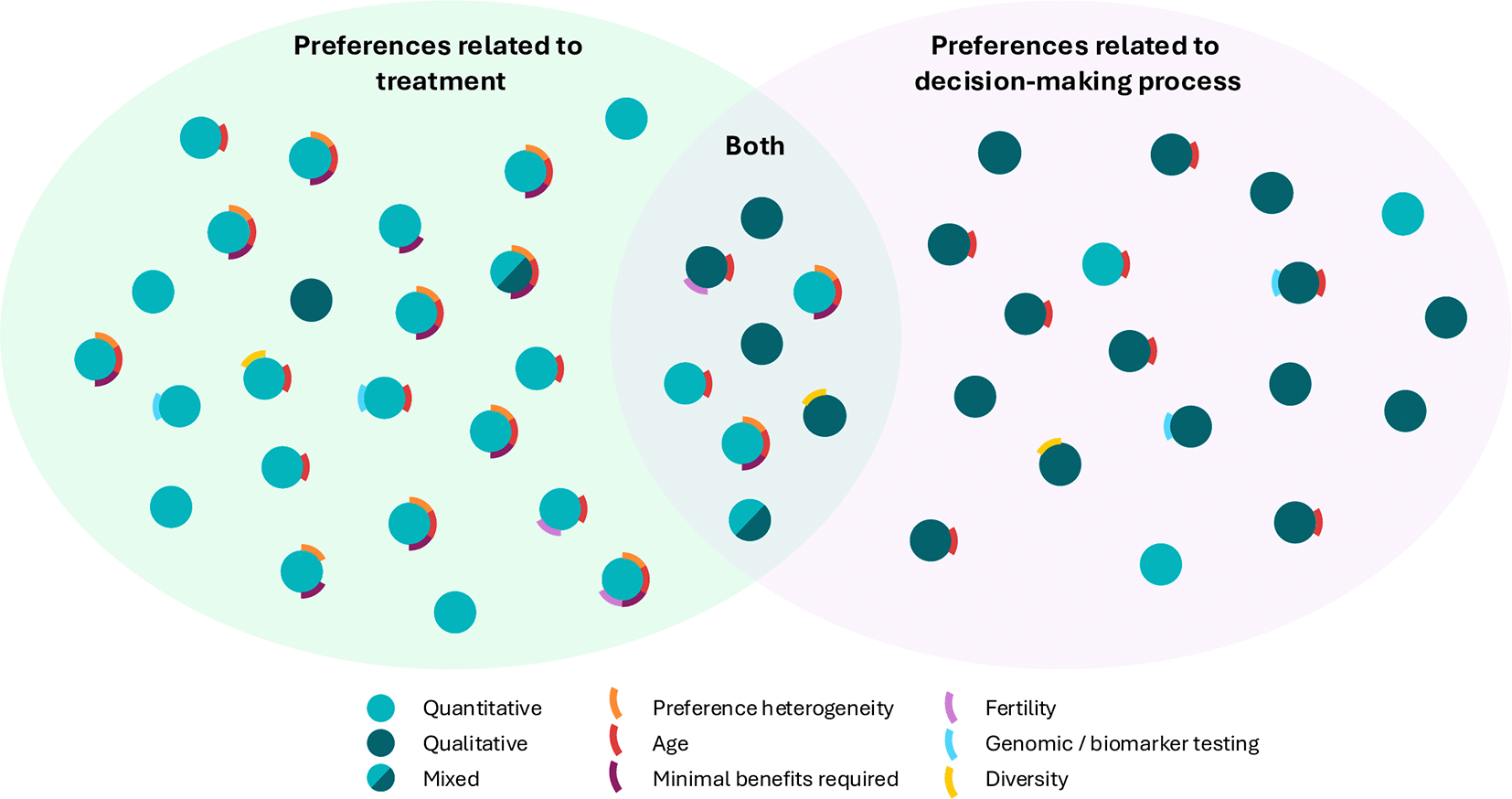
Qualitative, quantitative, and mixed studies (color of circles) were mapped based on whether they addressed preferences related to systemic treatment, preferences related to the decision-making process, or both (location on map). Key focus themes of the studies are additionally displayed (colored outline of circles).
Most studies showed an adequate quality measured with the PREFS checklist24 ( Table 1, Supplementary Table 3). Twenty-five of the studies (51%) reached 4 or 5 points of the PREFS checklist, while 21 (43%) fulfilled 3 points and 3 (6%) fulfilled 2 points. All studies clearly stated the purpose of the studies in relation to the preferences. Forty-three studies (88%) did not include a comparison of responders and non-responders. Three studies (6%) did not provide sufficient explanation of the methods, and 3 (6%) did not analyze the data from all enrolled participants.
For quantitative and mixed studies, we judged 18 (62%) to be at moderate risk of bias and 11 (38%) at low risk of bias overall, according to the GRADE risk of bias tool25 ( Table 1, Supplementary Table 4). The most common reason for a moderate rating was the lack of an evaluation of the understanding of the instrument by the participants (15 studies, 52%). Among qualitative studies, we judged 2 (9%) to be insufficient (ie, fulfilling less than 7 points of the checklist) and the rest sufficient in terms of their risk of bias based on the CASP checklist26 ( Table 1, Supplementary Table 5). The most common reasons for point deductions were the lack of a discussion of the relationship between researcher and participant (20 studies, 91%) and insufficient information about recruitment strategy (9 studies, 41%) or data analysis (5 studies, 23%).
In total, we categorized 31 of 49 studies (63%) to have evaluated patient preferences regarding treatment ( Figures 2–3, Supplementary Table 6). With respect to the subcategories derived using qualitative coding, studies most frequently evaluated patient preferences regarding treatment benefits (21 studies, 68% of studies within category) such as improved disease-free survival, reduced risk of recurrence, or increased chance of survival. Also, studies often evaluated preferences regarding treatment adverse effects (14 studies, 45%). Thirteen studies (42%) evaluated minimal benefits required to accept treatment, among which ‘benefit’ was defined as an increase in survival time or life expectancy (7 studies, 54%), survival rates (7 studies, 54%), disease-free survival time (2 studies, 15%), or disease-free survival rate (3 studies, 23%). Fewer studies specifically assessed health state utilities (4 studies, 13% of studies within category), or preferences regarding the mode of administration (3 studies, 10%; eg, subcutaneous or intravenous), treatment burden (5 studies, 16%; eg, dosing schedule, monitoring, or duration of treatment) and other aspects (4 studies, 13%; eg, independence, psychological factors, or disruption of normal life). Only 1 (3%) study evaluated preferences related to treatment costs. Most studies (24 studies, 77%) evaluated associations between different disease or patient factors, such as tumor stage or sociodemographic factors, and preferences regarding treatment.
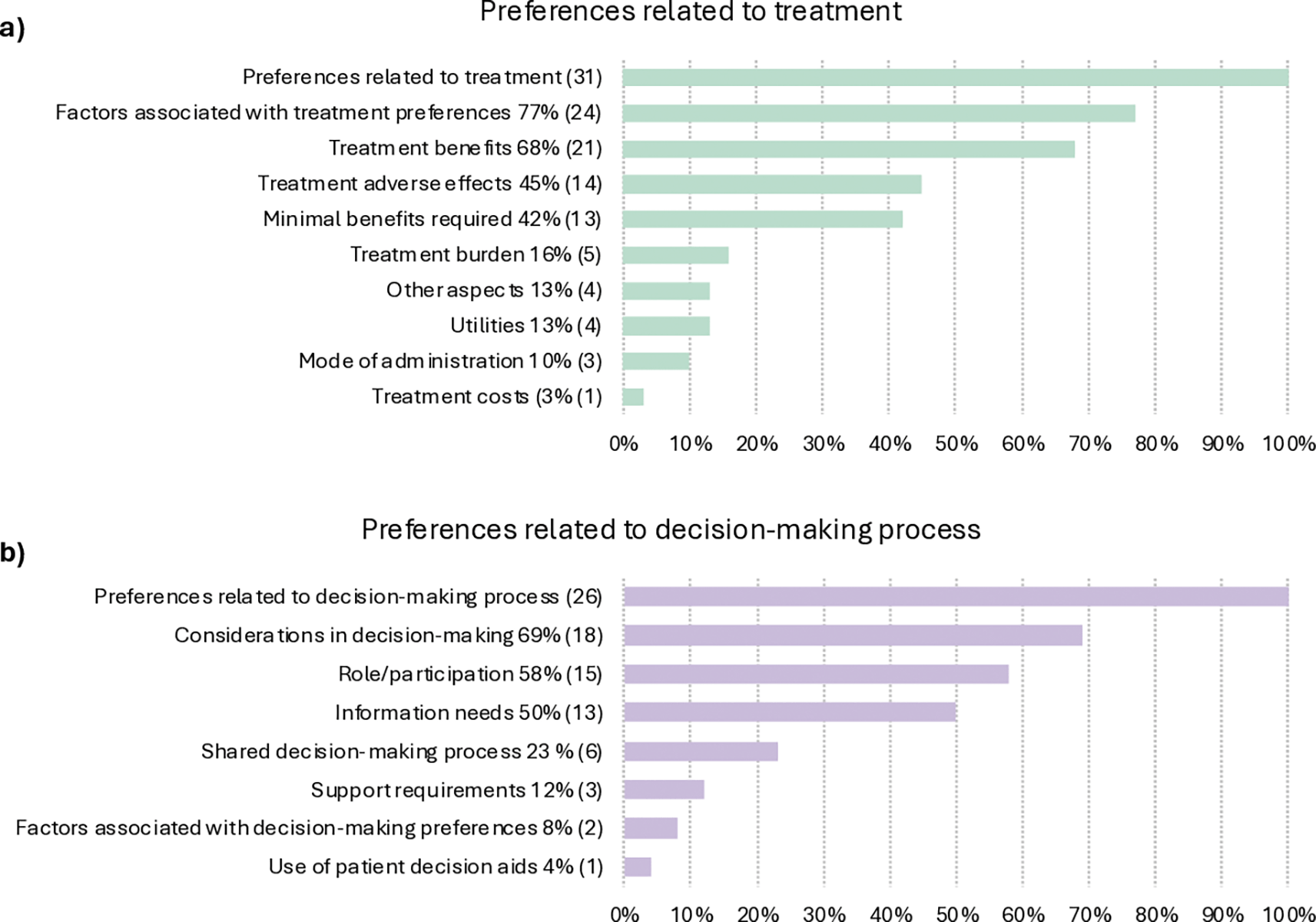
Reported proportions (%) correspond to the number of studies reporting information on a specific subcategory divided by the number of all studies reporting information related to the respective overarching categories. Counts for each subcategory and overarching category are provided in brackets (N). Detailed information at the level of individual studies is available in Supplementary Table 6.
Overall, we categorized 26 of 49 studies (53%) to have evaluated patient preferences related to the decision-making process ( Figures 2–3, Supplementary Table 6). Concerning derived subcategories, studies most frequently explored patients' considerations in decision-making (18 studies, 69%). This subcategory was conceived as a collective term encompassing any issues that may influence patients' preferences in the process of making their decision. It included, for example, experiences of other people with cancer treatment, knowing someone who died of cancer, influences of having a family or dependents, or quality of life. Studies also frequently assessed patients' preferences regarding their role or participation in the decision-making process (15 studies, 58%), as well as their information needs (13 studies, 50%). Fewer studies evaluated other support requirements (3 studies, 12%; eg, family, partnership, or religion), the use of patient decision aids (1 study, 4%) and preferences regarding the shared decision-making process (6 studies, 23%; eg, the feeling of having a choice, having sufficient time, reducing the deciding factors, and different processes and stages in the decision-making process). Two studies (8%) evaluated associations of different patient and disease factors, such as tumor stage or sociodemographic factors, with preferences regarding the decision-making process.
The thematic focus of the included studies was highly heterogeneous, with studies covering a wide range of aspects related to systemic treatment or treatment-related decision-making processes. Table 2 provides a detailed summary of the studies' thematic focus. Figure 2 depicts a map of the studies across study types, study categories, and key focus themes of primary interest to this review (preference heterogeneity and age) or identified as recurring topics across studies. Table 3 provides further detail on specific aspects of these key focus themes, while Supplementary Table 7 provides an overview at the level of individual studies.
| Author & year | Thematic focus |
|---|---|
| Andrews et al 202231 | Barriers and facilitators for participating in trials investigating CT deintensification; influence of COVID-19 pandemic on trial participation |
| Beusterien et al 202152 | Preferences for adding CDK4/6-Inhibitors to ET among different stakeholders |
| Cooke et al 200553 | Minimal benefits required to accept BC treatment; impact of disease stage and patients' health locus of control |
| de Ligt et al 201854 | Information and shared decision-making regarding neoadjuvant and adjuvant CT |
| Duric et al 2005 (Ann Oncol)55 | Survival gains necessary to make CT worthwhile |
| Duric et al 2005 (Br J Cancer)56 | Survival gains necessary to make adjuvant ET worthwhile |
| Duric et al 200778 | Associations between preferences and psychosocial factors; reasons for women judging negligible benefits sufficient |
| Fallowfield et al 200432 | Preferences for CT vs ET; reasons for choice |
| Fallowfield et al 201533 | Preferences and experiences regarding intravenous vs subcutaneous trastuzumab (HER2-TT) administration |
| Gajra et al 201857 | Relationship between CT preference and toxicity and quality of life during and after treatment among older women |
| Gorman et al 201134 | Role of fertility in decision-making about CT among younger women |
| Hamelinck et al 201658 | Age differences in preferences for CT and ET in terms of minimal benefit required |
| Harder et al 201335 | Older patients’ experiences and preferences regarding information and decisions about adjuvant CT |
| Herrmann et al 201836 | Understanding of treatment options, decision-making strategies and preferences regarding neoadjuvant systemic treatment |
| Husain et al 200837 | Older women's treatment choices; attitudes and experiences for ET vs Sx |
| Iezzoni et al 201138 | BC treatment in women with decreased mobility; mobility limitations affecting treatment decisions |
| Irwin et al 199959 | Development of decision aid tool; factors influencing decisions regarding anthracycline-cyclophosphamide CT vs cyclophosphamide-methotrexate-fluorouracil CT |
| Jansen et al 2000 (Med Decis Making)60 | Discrepancies in health state utilities between experienced and predicted (hypothetical) adjuvant treatment (CT/RT) scenarios over time |
| Jansen et al 2000 (Qual Life Res)61 | Utilities for attributes representing different aspects of adjuvant CT |
| Jansen et al 2001 (Br J Cancer)62 | Minimal benefit required to accept adjuvant CT; determinants of preferences |
| Jansen et al 2001 (Med Decis Making)63 | Health utility assessment of health states before, during and after adjuvant CT |
| Jansen et al 200464 | Experience and satisfaction with choices regarding adjuvant CT |
| Karuturi et al 202239 | Older people's perspective on CT; informational needs and decision-making |
| Kim et al 202140 | Differences in decision-making in adjuvant treatment receivers vs decliners |
| Kreling et al 200641 | Older patients’ attitudes towards CT; factors influencing decisions |
| Kuchuk et al 201365 | Relative importance of different potential adverse effects of CT |
| Lindley et al 199866 | Required benefits and preferences regarding adjuvant CT |
| Mandelblatt et al 201067 | Associations between patient, clinical, and physician factors in CT use among older patients |
| Mandelblatt et al 201268 | Associations between decision-making styles and CT treatment among older patients and their oncologists |
| Marshall et al 201669 | Use of gene expression profiling testing information in CT decisions |
| Milata 201742 | Decision-making process, needs and experiences regarding adverse effects of oral ET over time |
| Morgan et al 201543 | Views and decision-making preferences of older women and health care providers about primary ET vs Sx |
| Moumjid et al 200344 | Preferences and feasibility of SDM related to CT and Sx |
| O'Brien et al 200845 | Perspectives and treatment decision-making for Sx and adjuvant systemic therapy |
| O'Brien et al 201346 | Perceptions of patients regarding their involvement in treatment decision-making |
| Partridge et al 201770 | Impact of biomarker information on patients' preferences and physicians’ recommendations for adjuvant CT |
| Pieters et al 201247 | Older patients' experiences with treatment decision-making and communication with health care providers |
| Ravdin et al 199871 | Information and required benefit regarding prognosis with adjuvant CT |
| Ross et al 201948 | Influence of OncotypeDX gene expression profiling on treatment decision-making |
| Schleinitz et al 200672 | Health state utilities for all stages of breast cancer; influence of different socioeconomic backgrounds on utilities |
| Senkus et al 201473 | Younger patients’ attitudes to fertility issues related to CT |
| Sheppard et al 200849 | Decision-making in Latina women with breast cancer; pilot of a decision support intervention |
| Sheppard et al 201150 | Black women’s experiences and preferences regarding treatment decision-making |
| Simes et al 200174 | Factors influencing the required survival benefit that would justify adjuvant CT |
| Srikanthan et al 201975 | Preferences for CT relative to fertility risks among younger women |
| Thewes et al 200576 | Survival gains required to justify the adverse effects and inconvenience of adjuvant ET among younger women |
| Thill et al 201679 | Importance of treatment outcomes of neoadjuvant therapy (CT/HER2-TT) |
| Vaz-Luis et al 201777 | Survival benefit needed to justify 6 months of adjuvant CT |
| Zimmermann et al 200051 | Treatment preferences and effects of framing on preferences regarding adjuvant CT |
| Key focus themes | Details | Number of studies (%) | References |
|---|---|---|---|
| Preference heterogeneity | Explicitly modeled heterogeneity statistically | 2 (4%) | 52,69 |
| Graphical or tabulated display of distributions | 12 (24%) | 53,55,56,58,62,66,71,74–78 | |
| Total | 14 (29%) | ||
| Age influences | Age group comparisons | 3 (6%) | 53,58,72 |
| Association of age | 10 (20%) | 55,56,62,64–66,69,71,74,78 | |
| Study limited to young patients (<40 years) | 4 (8%) | 34,73,75,76 | |
| Study limited to older patients (>65 years) | 9 (18%) | 35,37,39,41,43,47,57,67,68 | |
| Total | 26 (53%) | ||
| Minimal benefit required | Survival time or life expectancy | 7 (14%) | 55,56,66,74,76–78 |
| Survival rate | 7 (14%) | 55,56,66,74–76,78 | |
| DFS time | 2 (4%) | 52,53 | |
| DFS rate | 3 (6%) | 58,62,71 | |
| Total | 13 (27%) | ||
| Fertility | 3 (6%) | 34,73,75 | |
| Biomarker testing | 4 (8%) | 39,48,69,70 | |
| Diverse populations | Specific study population (ie, black/African-American, latinas) | 2 (4%) | 49,50 |
| Focus on diverse recruitment | 1 (2%) | 72 | |
| Total | 3 (6%) |
Overall, 12 studies (24%) explicitly reported results on preference heterogeneity between individual patients, with all of them presenting figures or tables demonstrating the distribution of the stated answers among participants. This primarily consisted of cumulative proportions of women accepting systemic treatment for a benefit in duration of (disease-free) survival or (disease-free) survival rates at different levels of expected benefits, presented within studies evaluating the minimal benefit required to accept systemic treatment. Two additional studies (4%) explicitly modeled preference heterogeneity statistically using Bayesian hierarchical modeling, although they did not report on inter-individual differences.
In total, 26 studies (53%) evaluated age as a determinant of patient preferences. Of these, only 3 studies (6%) reported results allowing a direct comparison between age subgroups. Ten studies (20%) explored associations between age and patient preferences using statistical modeling. Further 9 (18%) studies were limited to an older population, and 4 studies (8%) were limited to young patients according to the ESO-ESMO definition. Age cut-offs used to define older patient groups were 65 years (5 studies) and 70 years (4 studies), while age cut-offs for defining young patient groups were 35 years (2 studies) or 40 years (2 studies). Studies in young populations focused on fertility and its influence on treatment decisions (3 studies) and trade-offs in minimal benefits required to accept treatment (2 studies). Meanwhile, the thematic focus in studies of older populations was more diverse, covering comparisons of different treatments and related preferences (2 studies), the importance of adverse effects and quality of life (1 study), information needs (1 study), decision-making styles (1 study), patients' preferences, attitudes, and experiences (3 studies), and factors influencing decisions (2 studies).
We identified four further specific themes addressed by several studies. As 13 studies (27%) assessed minimal benefits required to accept treatment by evaluating the trade-offs made by participants between the expected benefits and potential harms of treatments, this was also a notable key focus of several studies. While most of these studies (10 studies, 77%) assessed trade-offs regarding chemotherapy, 6 (46%) evaluated trade-offs regarding endocrine therapy and 1 (8%) regarding CDK4/6-targeted therapy. Specific benefit outcomes evaluated are presented in Table 3. A further common theme was how fertility concerns influence treatment decisions among young women with breast cancer, which was evaluated by 3 studies (6%). Additionally, 4 studies (8%) assessed the influence of biomarker or genomic testing on treatment decisions or the decision-making process. A last notable focus theme was diversity, as study populations across the included studies were relatively uniform and often predominantly white and educated. Three studies (6%) were specifically interested in the ethnic or socioeconomic background of the study populations. Of these, 2 studies (4%) focused on a particular ethnic group such as black/African-American patients or latinas, and 1 study (2%) reported making deliberate efforts for recruiting a diverse population into the study.
This scoping review provides an overview over the existing literature on patient preferences regarding systemic treatment and related decision-making in women with early breast cancer. The identified studies covered a wide range of thematic focuses, methods, and study designs. Preference heterogeneity between individual patients was assessed explicitly in about one quarter of studies, although only two studies used formal statistical approaches to model such heterogeneity. Age as a potentially important determinant of patient preferences was assessed by half the studies, although explicit comparisons between age groups were rare. Studies in young patients frequently addressed fertility, while studies among older patients covered a broader range of topics. In addition to trade-offs regarding minimal benefits required to accept systemic treatment, the influence of genomic or biomarker testing on preferences and population diversity emerged as further important but inconsistently addressed themes in the literature.
To our knowledge, this is the first review of patient preference studies specifically focused on systemic treatment and the associated decision-making process in early breast cancer. In a recent scoping review, Bland et al (2023) assessed patient preferences in the context of metastatic breast cancer.16 Similar to our findings, they noted a high heterogeneity in the methods and type of preferences studied, encompassing preferences related to treatment, decision-making, and supportive care. Another scoping review by Yeo et al (2023) examined patient preferences regarding the determinants of breast cancer treatment across all disease stages and treatments.13 They identified five central themes: treatment benefits, treatment-related processes, treatment-related risk, quality of life, and treatment cost. These domains align broadly with the categories we identified for treatment-related preferences. Meanwhile, our review had a wider scope that additionally assessed preferences related to the decision-making process. Unsurprisingly, we found that these process-related preferences, such as the patients’ role in decision-making, information needs, and use of shared decision-making, are also highly important aspects to consider when discussing systemic treatment with patients with early breast cancer.
One important theme across studies was the trade-offs women make when evaluating the minimal benefit required to accept treatment. A recent systematic review by Chua et al (2025) assessed discrete choice experiment studies evaluating such trade-offs for systemic treatment, surgery, and radiotherapy across disease stages.9 Updating an earlier review,14 they found only few, heterogeneous studies on early-stage breast cancer, particularly related to systemic treatment. Their analysis, which explicitly examined preference heterogeneity across individuals and subgroups, found that while survival generally is a key driver in decision-making, preferences are heterogeneous and trade-offs need to be discussed individually in clinical practice. Our findings are broadly consistent, including across additional relevant literature exploring trade-offs using time trade-off, probability trade-off, and standard gamble methods not captured in their review. Brandstetter et al (2024) compared patient preferences related to systemic treatment between metastatic and early-stage breast cancer, also focusing on discrete choice experiments.15 They found no consistent differences across stages, noting that survival was generally the most highly valued attribute. Preferences for treatment-related harms varied widely, while attributes such as mode of administration or treatment costs were less influential. Finally, an earlier review by Hamelinck et al (2014) examined minimal required benefit thresholds in patients with early breast cancer, including systemic treatment and surgical choices between breast conserving therapy and mastectomy.8 They found that, although preferences vary, most patients were willing to accept treatment for relatively modest survival benefits, with body image and survival being key factors in decision-making. Taken together, these previous reviews noted the dominance of preferences regarding treatment benefits, while stressing heterogeneity in preferences regarding harms and other aspects of treatment across individual patients.
Despite the considerable number of studies identified in our review, several key evidence gaps were identified. First, although many studies acknowledged the heterogeneity in preferences, few applied statistical methods to formally model such heterogeneity. This represents a missed opportunity to better understand how and why preferences vary across individuals and population subgroups. Second, while age is frequently cited as an important factor influencing preferences, only a minority of studies examined differences between age groups. This was further limited by inconsistent definitions and reporting of age-stratified results, limiting the comparability of findings and potentially obscuring existing trends across groups. At the same time, the growing number of older patients with breast cancer underscores the need to specifically focus on this population.58 In this group, comorbidities and potentially de-intensifying treatment are of key relevance. Similarly, young women with breast cancer also face specific challenges, as not only fertility but also occupational and family aspects play an important role.31 Specific needs regarding information, decision-making, and patient care are expected in this population, as well as different preferences and trade-offs regarding treatment outcomes.76 Future research should explicitly investigate the preferences and needs of multimorbid and geriatric populations and those of young women with early breast cancer regarding systemic treatment, and provide further comparative evidence across clearly defined and evidence-informed age strata, from the youngest to the oldest patient groups.
In recent years, personalized (or precision) medicine approaches, in which treatments are tailored to patients and their cancers' unique biology based on genomic or biomarker testing, have been increasingly studied and applied in oncology.80,81 We identified four studies evaluating patient preferences in the context of such genomic or biomarker testing, which primarily focused on how the additional information influenced treatment preferences. When basing treatment recommendations on individual biological signatures (outside of well-studied settings such as positive hormone-receptor or HER2 status82), the uncertainty about the expected benefits and potential harms may increase.80,83 Some patients may experience anxiety or confusion in response to uncertain or probabilistic test outcomes.48 Furthermore, some patients may have concerns regarding the use of innovative (or still experimental) approaches.80 It is thus important not to lose sight of patient preferences in this context and make sure that patients' key concerns are known and discussed when offering individualized treatments.
Preferences across diverse population groups have been insufficiently explored to date. All studies identified in this review were conducted in Western high-income countries, and only 3 specifically addressed diversity by including underrepresented groups or explicitly explored differences across population subgroups. This indicates an important gap in knowledge across other health care and cultural contexts where preferences may be expected to differ from those observed in the included studies – a finding also reported by a recent scoping review within an older, more general cancer population.84 Given the incidence of early breast cancer and the expected variability of preferences across different ethnic, cultural, and religious backgrounds as well as income and education levels, this highlights an important need for further research in this area. Future research should further explore whether and how preferences across these groups differ and how this impacts decision-making in clinical practice. Finally, others have noted that studies on patient preferences related to follow-up care after primary treatment, survivorship, support services, and psycho-oncological care are particularly scarce.16,85 Given the rising population of people living with and beyond breast cancer, a better understanding of breast cancer survivors’ preferences in this context would likely contribute to improved, more patient-centered support and health care services tailored to those affected.
Information about breast cancer and its treatment has become more accessible and the provision of patient-centered care with patients actively participating in decisions and managing their health has increased over the past years.86,87 Such shared decision-making also has a positive influence on patients' knowledge, treatment experiences, and satisfaction with and confidence in the decision.86,88 Nevertheless, a relevant share of patients may not want to take full responsibility for treatment decisions in everyday clinical practice and prefer to rely on their physician's recommendations.89,90 Others have found relevant variation in the care of patients with breast cancer in various contexts.91–93 Such variation may be warranted due to heterogeneous preferences or different characteristics of the patients seeking care with certain providers or provider networks.94 In contrast, they are unwarranted if exclusively driven by physician preferences, non-adherence to guidelines, or capacity limitations.94,95 It also needs to be noted that the stated preferences of patients in preference studies may differ from their actual choices when facing the decision (revealed preferences).96 All in all, it is important to identify ways to efficiently incorporate shared decision-making into breast cancer care in a way that is sensitive to patients' preferences regarding their role, information, and decision-making processes.
This scoping review needs to be interpreted in line with its strengths and limitations. A key strength is the comprehensive literature identification process, the methodological approach including the qualitative coding of studies and the quality and risk of bias assessments. On the other side, one limitation is that references may have been missed due to the applied search strategy and language restrictions. Second, the search was conducted approximately three years prior to the publication of this article and newer studies are not included. This may particularly concern studies on newer systemic treatments for early breast cancer (eg, novel HER2-targeted treatments, CDK4/6 inhibitors, or PARP inhibitors), thereby limiting perspectives on important contemporary treatment strategies. We are aware of four studies published in the meantime, including a multi-national study on patient preferences related to novel treatment pathways using best-worst scaling,97 a study evaluating patient and physician preferences related to treatment of triple-negative early breast cancer in the Asia-Pacific region,98 a multi-national study on preferences related to information on treatment adverse effects,99 and a discrete choice experiment on preferences related to treatment with CDK4/6 inhibitors from the USA.100 Overall, we consider it unlikely that potentially missed studies would have significantly influenced the conclusions of our review, as the identified gaps still remain. Third, several studies were rated to be at moderate risk of bias or insufficient regarding controlling potential biases, and an evaluation of potential selection biases through comparisons of responders and non-responders was rarely available. This may limit the interpretability of the findings related to these studies, with any arising biases primarily affecting the attributes of the studies (ie, subcategories) identified during coding. Fourth, including information from studies with participants other than patients with breast cancer may additionally have introduced indirectness in our review. However, only information from patient subsamples was included for studies with mixed populations (eg, information from health care providers was omitted), and we consider the impact of the two studies involving women from the general population to be minimal with respect to our conclusions. Fifth, qualitative coding always has a subjective aspect and other authors might have come up with a different framework. The categories and subcategories thus merely represent our approach of systematically assessing the evidence and may be refined through future work. Last, the wide scope of studies covered by this review meant that the interpretation of specific findings remained at a high level. For instance, we were unable to analyze and summarize the specific results of the included articles, as this was outside of the scope of this work and would be highly challenging due to the heterogeneity of the included studies.
This review summarizes the current state of research on patient preferences related to systemic treatment and related decision-making in early breast cancer, highlighting the breadth of existing research. While studies addressed a wide variety of thematic focuses, important knowledge gaps remain. Most notably, preference heterogeneity was frequently acknowledged but rarely formally studied using corresponding statistical methods, and age group-specific preferences were inconsistently examined and reported with little evidence available in young and older patient groups. Furthermore, preferences of underrepresented population groups are insufficiently explored, limiting the generalizability of current findings. Future research should prioritize using appropriate methods to analyze how preferences vary across individuals and subgroups, including among young and older women with breast cancer and across diverse cultural and socioeconomic groups. Strengthening this evidence base would substantially contribute to a better understanding of patient preferences related to systemic treatment in early breast cancer and support patient-centered approaches to research and clinical practice across health system contexts.
This study did not fall under the scope of the Swiss Human Research Act and no ethical approval was required.
Conceptualization: BS, DNS, MAP, EB, DM. Data curation: BS, DM. Formal analysis: BS, DM. Investigation: All authors. Methodology: BS, DNS, MAP, EB, DM. Project administration: BS, DM.
Supervision: MAP, DM. Validation: BS, DM. Visualization: BS, DM. Writing – original draft: BS. Writing – review and editing: All authors.
| Views | Downloads | |
|---|---|---|
| F1000Research | - | - |
|
PubMed Central
Data from PMC are received and updated monthly.
|
- | - |
Provide sufficient details of any financial or non-financial competing interests to enable users to assess whether your comments might lead a reasonable person to question your impartiality. Consider the following examples, but note that this is not an exhaustive list:
Sign up for content alerts and receive a weekly or monthly email with all newly published articles
Already registered? Sign in
The email address should be the one you originally registered with F1000.
You registered with F1000 via Google, so we cannot reset your password.
To sign in, please click here.
If you still need help with your Google account password, please click here.
You registered with F1000 via Facebook, so we cannot reset your password.
To sign in, please click here.
If you still need help with your Facebook account password, please click here.
If your email address is registered with us, we will email you instructions to reset your password.
If you think you should have received this email but it has not arrived, please check your spam filters and/or contact for further assistance.

Comments on this article Comments (0)