Keywords
Olfactory Neuroblastoma, Esthesioneuroblastoma, Sinonasal Malignancy, Neoadjuvant Chemotherapy, Hyams grade III, Case Report

This article is included in the Oncology gateway.
Olfactory Neuroblastoma, Esthesioneuroblastoma, Sinonasal Malignancy, Neoadjuvant Chemotherapy, Hyams grade III, Case Report
Olfactory neuroblastoma (ONB), also known as esthesioneuroblastoma, is an uncommon malignant cancer that invades the upper nasal cavity, specifically the olfactory neuroepithelium and cribriform plate. Its incidence is 0.4 per 4 million population every year, and it roughly represents 2–6% of all sinonasal cancers.1,2 ONB encompasses bimodal age distributions, with predominance in the second and sixth decades of life, yet cases in the elderly are exceedingly rare.3
The clinical journey of ONB often varies and shares commonality with benign sinonasal disorders, causing potential diagnostic delays. Symptoms of ONB include chronic epistaxis, nasal obstruction, sinus pressure, while terminal disease may present with visual obscurities, proptosis and cranial neuropathies because of local invasion.2,4 Diagnosis is done via endoscopic biopsy and validated with histopathological grading, such as the Hyams system, which offers vital prognostic details.3 The Hyams system is a four-stage pathological grading system used for ENB. The six features pathologists need to analyze to determine the tumor’s behavior and aggressiveness are mitosis, growth trajectory, pleomorphism, rosettes and neuropil.
The current standard of care includes endoscopic or craniofacial surgical resection paired with adjuvant radiotherapy, which has been linked to a favorable prognosis.4,5 Chemotherapy is typically only used in advanced, persistent, or metastatic disease. Prognosis is heavily reliant on stage, Hyams grade, entirety of resection, with studies supporting 5-year survival ranging between 50–80%.2,3
A 74-year-old man presented to the emergency department with a one-month history of progressive left-sided vision loss and proptosis. The patient experienced a gradual onset of visual symptoms, for which he sought evaluation by an ophthalmologist outside the United States. He subsequently underwent left-sided cataract extraction; however, the symptoms persisted postoperatively. He later developed worsening ipsilateral orbital pain, facial swelling, intermittent epistaxis, and left-sided nasal obstruction that resulted in difficulty breathing. He denied constitutional symptoms such as fever, weight loss, or night sweats.
His past medical history includes a transient ischemic attack (TIA), asthma, essential hypertension, and dyslipidemia. Medications included aspirin 81 mg daily, lisinopril 10 mg daily, and rosuvastatin 10 mg at bedtime. The patient denied tobacco use and reported no significant occupational or environmental exposure.
On physical examination, there was marked proptosis and periorbital tenderness of the left side. Visual acuity was diminished, and extraocular movements were slightly restricted on the left. Cranial nerve examination was otherwise unremarkable. Nasal endoscopy was insignificant without active bleeding. No cervical lymphadenopathy. The remainder of the physical exam was unremarkable.
Contrast-enhanced computed tomography (CT) scan of the brain and orbit showing a large ill-defined, mixed density, heterogenous enhancing expansile mass (6.7 x 4.7 x 4.6 cm) centered in the left ethmoid with mass effect on adjacent structures ( Figure 1).
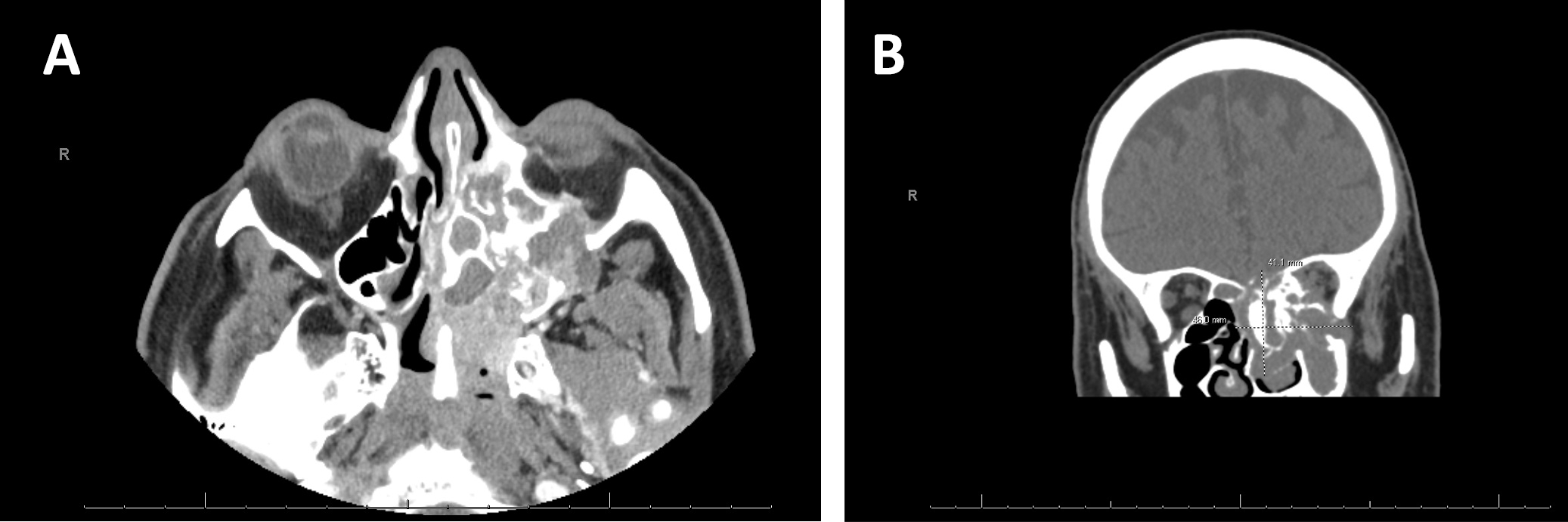
Magnetic resonance imaging (MRI) of the brain and orbits demonstrated multi-compartmental, malignant appearing sinonasal mass involving the left nasal cavity. The lesion extended into the left ethmoid, sphenoid, and maxillary sinuses, with invasion through the left orbit, skull base foramina, anterior skull base, left cribriform plate, and adjacent dura.
Histopathological examination of a biopsy specimen obtained from the left nasal cavity confirmed the diagnosis of olfactory neuroblastoma, Hyams grade 3. Microscopic evaluation demonstrated small monotonous tumor cells within a background of necrosis. Mitotic activity was observed at 3 per 10 high-power fields with no rosettes of fibrillary matrix seen ( Figure 2). Immunohistochemical analysis showed the tumor was positive for synaptophysin, INSM1, keratin cocktail, and p40 ( Figure 3). The tumor was negative for CD45 and S100. Chromogenic in situ hybridization (CISH) was negative for high-risk human papilloma virus (HPV) E6/E7 mRNA (including serotypes 16, 18, 26, 31, 33, 35, 39, 45, 51, 52, 53, 56, 58, 59, 66, 68, 73, and 82), and for Epstein-Barr virus (EBV) by EBER CISH. The Ki-67 nuclear proliferation index was elevated by 50%.
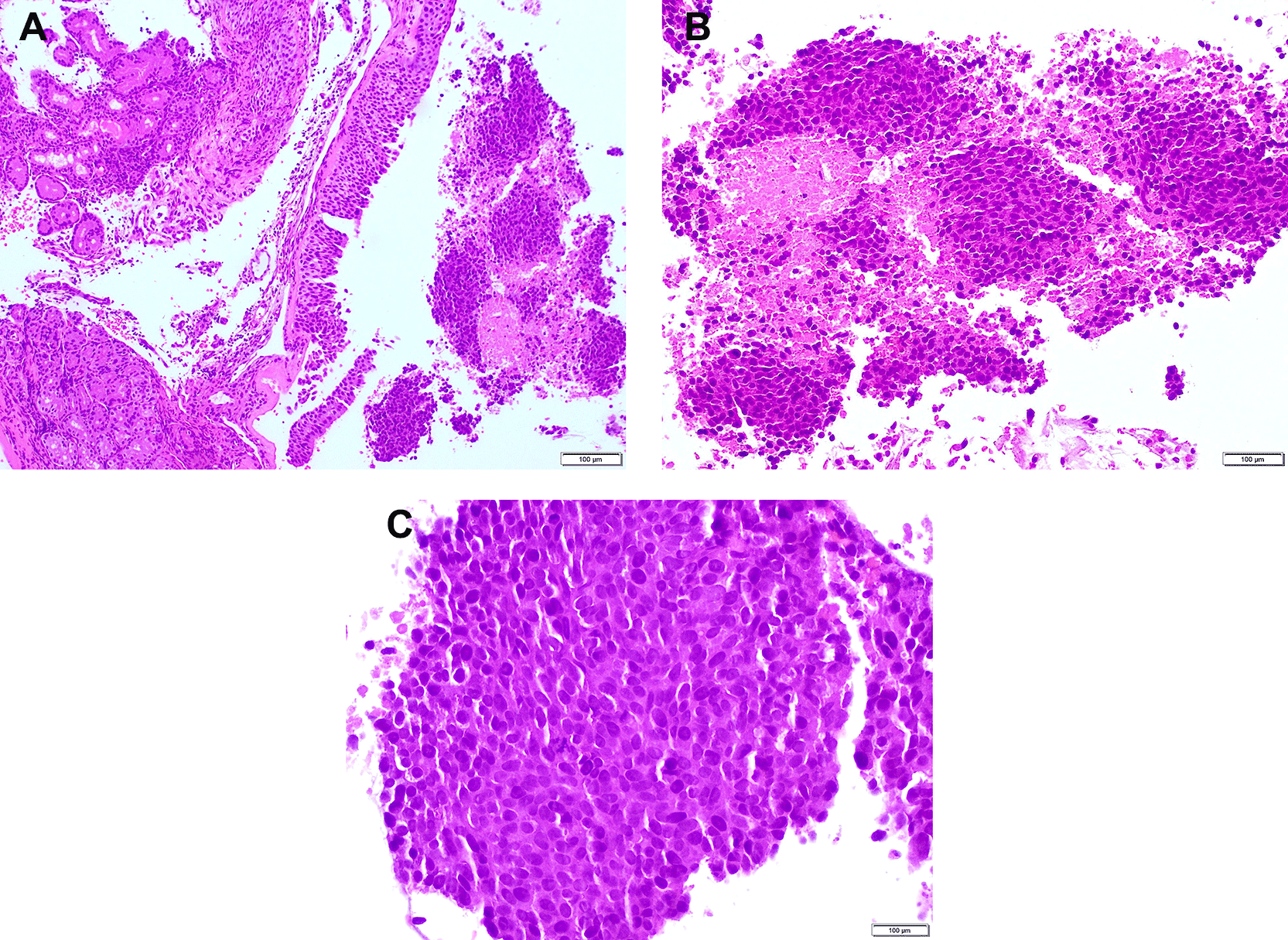
Mitotic activity is 3 in 10 hpf. No rosettes of fibrillary matrix are seen. (H&E stain, 10, 20,40x).
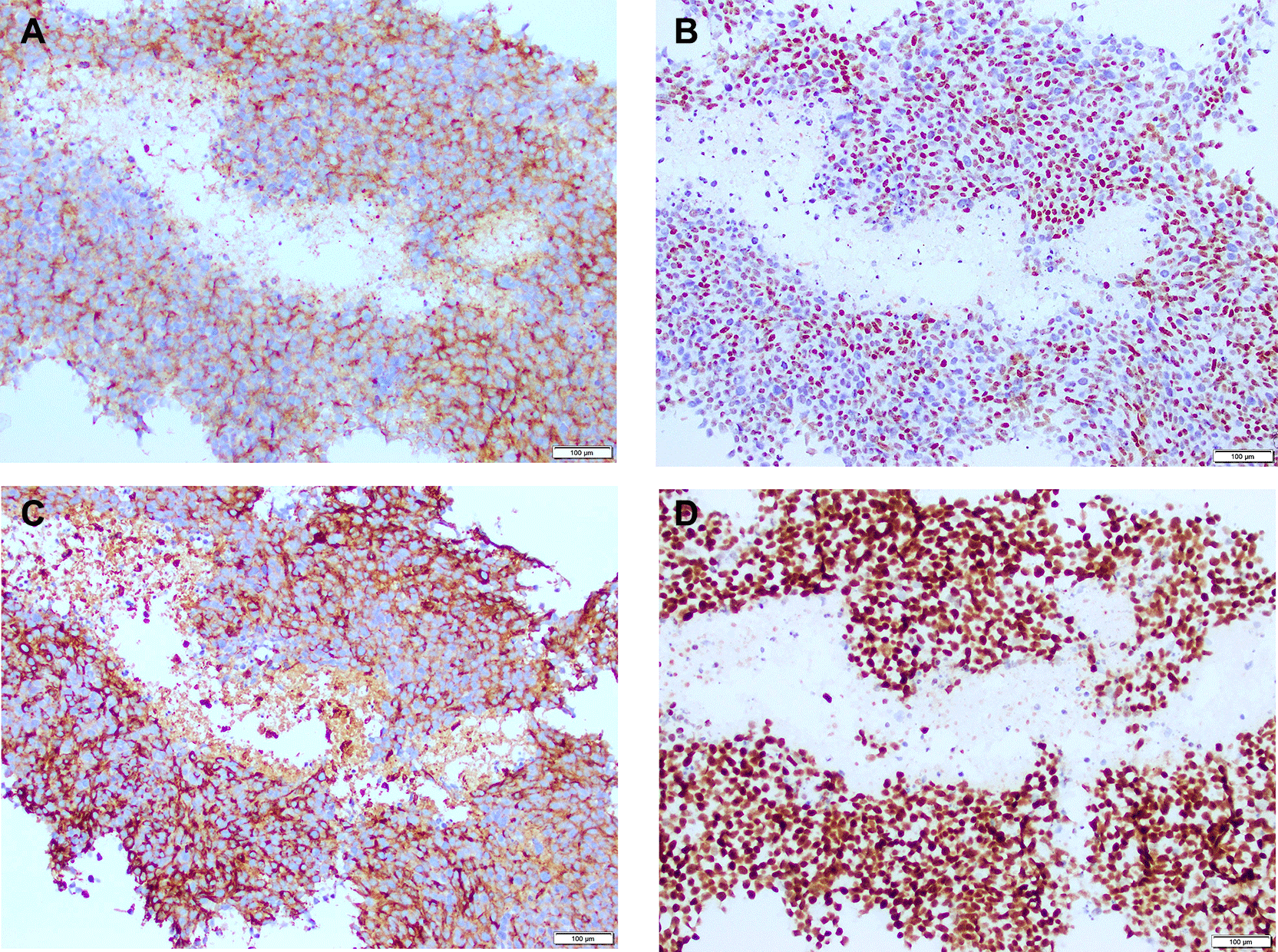
A subsequent positron emission tomography/computed tomography (PET/CT) scan of the chest, abdomen, and pelvis revealed no evidence of distant metastatic disease. The patient was initiated on neoadjuvant chemotherapy with cisplatin and etoposide. Follow-up imaging demonstrated a favorable disease response of tumor reduction from 6.7 cm to 4 cm.
After multidisciplinary tumor board review, a consensus was reached to proceed with definitive surgical resection, given the excellent response to chemotherapy and potential for curative resection. Plans for adjuvant radiotherapy versus concurrent chemoradiotherapy were to be determined based on final surgical pathology findings. The final pathology displayed residual viable tumor in the left infratemporal fossa, lateral dura, and intracranial specimens, revealing positive margins, thus, our patient was scheduled to follow up for chemoradiation.
Olfactory neuroblastoma (ONB) remains a rare and diagnostically challenging malignancy of the sinonasal tract. ONB demonstrates a bimodal age distribution with peaks in the second and sixth decades of life, but its occurrence in elderly patients, as in our patient, is uncommon and often underreported.3 This demographic rarity can contribute to diagnostic delays and misdiagnoses of more common age-related ophthalmologic or sinonasal conditions.
In this case, the patient experienced a gradual left-sided vision loss, initially attributed to a cataract, leading to an unnecessary ophthalmic intervention that failed to resolve the symptoms. Only after the progression to proptosis and orbital pain did further imaging and biopsy lead to the correct diagnoses. Such presentations underscore the importance of increased awareness of ONB’s diverse symptomatology. Early symptoms are frequently vague, like nasal congestion, epistaxis, or anosmia and may be indistinguishable from benign sinonasal diseases. More advanced tumors can manifest with orbital involvement like proptosis, visual disturbances, cranial neuropathies, and skull base invasion as seen in this case.1,2
MRI is the preferred modality for assessing local tumor extension, dural invasion, and intracranial spread. While PET/CT is essential for staging and identifying nodal and distant metastasis, particularly in Kadish stage C disease.6 Our patient’s imaging revealed a 6.7 cm mass infiltrating the ethmoid, maxillary, and sphenoid sinuses with orbital and anterior cranial base involvement, indicating hallmarks of advanced local disease. An additional PET scan revealed no distant metastasis.
Histopathological grading remains a key prognostic determinant. The Hyams grading system, developed in 1988, categorizes ONB from grades I–IV based on mitotic activity, necrosis, nuclear pleomorphism, rosette formation, and fibrillary background.7 Hyams grade III/IV tumors, like those in our patient, are associated with worse prognosis, higher recurrence rates, and lower disease-specific survival.3,8 Immunohistochemical staining in this case confirmed ONB with neuroendocrine markers synaptophysin and INSM1 and the absence of lymphoid or melanocytic markers CD45 and S100, which ruled out other small round blue cell tumors such as lymphoma, melanoma, and sinonasal undifferentiated carcinoma.3
Management of ONB relies on a multidisciplinary approach. A large SEER database analysis showed that patients undergoing surgery plus radiotherapy had significantly improved 5-year overall survival of 73% compared to surgery alone at 68%, radiotherapy alone at 35%, and neither modality at 26%.9 Similarly, a recent study reported superior survival outcomes with surgery followed by concurrent chemoradiotherapy (CCRT), especially among patients with advanced or high-grade disease.10
Adjuvant therapy also improves local control, as demonstrated by Mayo Clinic data that postoperative radiotherapy significantly improved 5-year local control compared to surgery alone (85.9% vs. 72.7% in patients with high-grade or high-stage olfactory neuroblastoma).11
Furthermore, neoadjuvant chemotherapy has shown promise in downstaging locally advanced ONB to make surgical resection feasible. A case report described a patient treated with cisplatin and etoposide before surgery who achieved a good response and enabled complete resection followed by radiotherapy.12
The cornerstone of olfactory neuroblastoma (ONB) treatment remains complete surgical resection either via craniofacial or endoscopic-assisted approaches, depending on tumor location and extent. Endoscopic techniques are increasingly favored due to decreased morbidity and oncologic outcomes. However, in large or complex tumors with skull base or orbital invasion, open or combined approaches may still be necessary.2,13,14
In our case, given the tumor’s advanced stage and grade, neoadjuvant cisplatin-etoposide chemotherapy was utilized effectively, reducing tumor burden from 6.7 cm to 4 cm. Following multidisciplinary evaluation, surgical resection was pursued consistent with best-practice evidence. The plan for adjuvant radiotherapy, or chemoradiotherapy, depending on final pathology, aligns with international consensus and empirical data showing optimal outcomes with multimodal therapy.
Prognosis in ONB remains variable and closely tied to stage and grade. Five-year survival rates typically range from 50–80%, with improved outcomes observed in patients receiving combined modality treatment.2 Given the potential for late recurrence, long-term surveillance, including endoscopic evaluation and periodic imaging, is essential.9,10
This case illustrates an atypical presentation of olfactory neuroblastoma in an elderly patient that was initially misattributed to cataract-related vision loss. The delay in diagnosis highlights the importance of maintaining a high index of suspicion for sinonasal malignancies in these patients with progressive orbital or nasal symptoms, regardless of age.
The favorable response to neoadjuvant chemotherapy in this patient enabled a multidisciplinary consensus to pursue curative surgical resection with plans for individualized adjuvant therapy based on surgical pathology. This case supports the growing role of multimodal treatment strategies, including chemotherapy, surgery, and radiotherapy, in managing advanced or high-grade ONB. Early recognition, accurate histopathologic grading, and coordinated multidisciplinary care are essential to optimize outcomes in this rare and aggressive tumor.
| Views | Downloads | |
|---|---|---|
| F1000Research | - | - |
|
PubMed Central
Data from PMC are received and updated monthly.
|
- | - |
Provide sufficient details of any financial or non-financial competing interests to enable users to assess whether your comments might lead a reasonable person to question your impartiality. Consider the following examples, but note that this is not an exhaustive list:
Sign up for content alerts and receive a weekly or monthly email with all newly published articles
Already registered? Sign in
The email address should be the one you originally registered with F1000.
You registered with F1000 via Google, so we cannot reset your password.
To sign in, please click here.
If you still need help with your Google account password, please click here.
You registered with F1000 via Facebook, so we cannot reset your password.
To sign in, please click here.
If you still need help with your Facebook account password, please click here.
If your email address is registered with us, we will email you instructions to reset your password.
If you think you should have received this email but it has not arrived, please check your spam filters and/or contact for further assistance.

Comments on this article Comments (0)