Keywords
Dementia, health system capacity, healthcare worker competence, family caregiving, rural South Africa, biopsychosocial model, person-centred care, social ecological theory

Dementia, health system capacity, healthcare worker competence, family caregiving, rural South Africa, biopsychosocial model, person-centred care, social ecological theory
Dementia caregiving has become a significant public health issue because more people are living with dementia around the world.1 suggest that healthcare professionals working in settings where patients with dementia are cared for in hospitals in China have limited knowledge of dementia and tend to have a low level of positive attitude towards dementia care. The health system has a limited national dementia strategy.2 Researchers note that dementia care is poorly integrated into primary healthcare and long-term care systems. Non-governmental Organisations are vital for raising awareness and supporting caregivers, but their reach is still limited.2
While family caregivers often provide long-term physical, emotional, psychological, and financial support to these individuals, older adults in underserved settings have limited access to screening and early intervention services.3 As a result, families provide most of the daily support, often without enough financial, educational, or emotional help from the government.3 Caregiving can bring meaning and satisfaction, but it also leads to high levels of stress, burden, exhaustion, and a lower quality of life. The urban-rural gap is a significant concern for South Africa’s health system.4 Research conducted in rural South Africa discovered that caregiving burdens are assumed mostly by family members, particularly women, who frequently handle dementia care without professional assistance or respite services.4,5 highlights that limited transportation, poverty, and poor health infrastructure exacerbate carer loads and limit healthcare access. Studies conducted in 2024 also stress the importance of person-centred dementia care techniques.6 One South African study found that carer training interventions, such as music-based and psychosocial care strategies, enhanced caregiving experiences and care quality for people with dementia.5,6 emphasised that implementation remained challenging due to staff shortages and limited professional training in the healthcare system.
This framework was developed based on the results of the mixed-methods dementia study conducted in the OR Tambo District, Eastern Cape, South Africa. It combines numerical findings about dementia prevalence, symptom burden, healthcare worker knowledge and skills, and health system readiness with qualitative insights on the lived experiences of caregivers for people living with dementia.
The framework shows how dementia-related clinical symptoms, limits in the healthcare system, the skills of healthcare workers, and the experiences of the community and caregivers all interact. These factors affect the quality of dementia care and the outcomes for individuals with dementia and their families.
The framework is based on the Biopsychosocial Model7; Person-Centred Care Theory8 and the Social Ecological Theory.9 These theories recognize dementia management and associated risk factors at multiple levels, depending on the available healthcare systems, healthcare workers’ competence, and family caregiving.
A mixed-methods study carried out in the OR Tambo District in the Eastern Cape, South Africa, developed the conceptual framework. Using established tools, the quantitative component evaluated the burden of dementia symptoms, healthcare workers’ knowledge and skills, and the health system’s preparedness. Through in-depth interviews, the qualitative component examined the lived experiences of family caregivers. The framework’s dimensions, mediating factors, and outcomes were determined through an integration of quantitative and qualitative research.
2.2.1 Biopsychosocial model
The Biopsychosocial Model7 informs the conceptual framework, recognising dementia as a complex disorder shaped by the interaction of biological, psychological, and social elements. This conceptual framework gives a comprehensive view of dementia and emphasises the importance of integrated, person-centred, and interdisciplinary dementia care approaches.
Within the framework, dementia is viewed as more than just a neurological condition impacting memory and cognition. Instead, it is viewed as a complex disorder that affects the physical health, emotional well-being, social interactions, and daily functioning of both dementia patients and their caregivers.
The framework recognises dementia as influenced by:
Biological factors include cognitive decline, memory impairment, neurological deterioration, behavioural symptoms, ageing, and chronic disease comorbidities like hypertension and diabetes.22 Psychological factors include emotional distress, anxiety, depression, dementia symptoms, carer stress, burnout, and coping responses. Social factors include family dynamics, caregiving responsibilities, poverty, and stigma.
The Biopsychosocial Model reinforces the framework’s emphasis on integrated dementia management by recognising that effective care must address not only clinical symptoms, but also psychological well-being, carer experiences, and larger social determinants of health. The framework emphasises the role of interdisciplinary teamwork, carer support, community awareness, and health system strengthening in improving dementia outcomes.
Using this theoretical approach, the framework views dementia care as a shared obligation amongst healthcare systems, families, communities, and social support structures, all working together to protect dignity, improve quality of life, and minimise the overall burden of dementia.
2.2.2. Person-centred care theory
The framework prioritises person-centred values in dementia care, such as patient dignity, respectful communication, personalised care, emotional support, and meaningful participation.8 These principles recognise that people with dementia have unique needs, beliefs, preferences, and lived experiences. The approach highlights the importance of compassionate relationships, protection of autonomy, and psychosocial health in dementia care, in addition to symptom control. Respectful communication and emotional support build trust among healthcare personnel, carers, and patients, while meaningful participation promotes identity, social connection, and quality of life. Individualised care also ensures that therapies are matched to the cognitive, emotional, behavioural, and cultural needs of everyone with dementia.
2.2.3. Social ecological theory
The conceptual framework also incorporates the Socioecological Model, which acknowledges that dementia care is influenced by numerous interacting layers of society. This viewpoint recognises that the experiences and results of people living with dementia and their caregivers are influenced by family ties, community surroundings, healthcare systems, and broader policy structures.9
Within the framework, dementia care is thus conceptualised as occurring across interconnected levels:
➢ Individual level, involving the person with dementia, including cognitive decline, behavioural symptoms, physical health status, emotional well-being, and functional capacities;
➢ Family level, including caring responsibilities, family relationships, emotional support, financial pressures, role adjustments, and carer coping strategies;
➢ Community-level factors include social support networks, cultural beliefs, stigma, community awareness, neighbour support, and social inclusion or exclusion.
Healthcare system factors include service availability, worker competence, referral systems, multidisciplinary care, accessibility, and dementia care quality. Policy factors include national health priorities, dementia policies, funding allocation, workforce development, social protection, and long-term care planning.
The theory suggests that issues at one level frequently influence outcomes at subsequent levels. For example, poor policy support may erode healthcare system capacity, increasing carer strain and severely impacting patient well-being. Similarly, societal stigma may deter families from seeking healthcare treatments, resulting in delayed diagnosis and worse dementia outcomes.
By using a socioecological approach, the framework highlights the importance of coordinated efforts at all levels of society in enhancing dementia care. Clinical care, carer support, community education, health system improvements, and supporting public policy must all be integrated to ensure effective dementia management.
The framework involves five interconnected domains (see Table 1):
1) Dementia Clinical Burden
2) Healthcare Worker Knowledge and Competence
3) Health System and Service Capacity
4) Caregiver and Community Experiences
5) Dementia Care Outcomes
These dimensions interact continuously, influencing dementia care experiences and outcomes.
The person with dementia is at the centre of the conceptual framework, with various interconnected cognitive, behavioural, psychosocial, and physical health issues. Memory loss, short-term memory impairment, behavioural abnormalities, delusions, communication difficulties, and chronic disease comorbidity were among the most common clinical symptoms reported in the study. The existing literature supports that dementia is a heterogeneous and progressive disorder characterised by severe cognitive decline, neuropsychiatric symptoms, and functional reliance.10,11 stressed the rapid dementia symptoms demonstrate the complicated and progressive nature of dementia, as well as its significant influence on everyday functioning and quality of life.
The quantitative results showed that dementia symptoms were consistently severe across all age and gender groups. Almost all participants reported short-term memory loss and behavioural abnormalities, with a significant number also reporting communication difficulties and co-existing chronic illnesses such as hypertension, diabetes, and other age-related conditions. These findings indicate that dementia is not perceived as an isolated cognitive impairment in South Africa.12 aligned with the above findings that dementia is understood as a multifaceted condition that necessitates extensive and continuous therapy.
Within the conceptual framework, dementia is thus viewed as a multidimensional condition that affects cognitive, emotional, behavioural, and physical functioning. It is a progressive cognitive disorder with a gradual decline in memory and executive functioning, as well as behavioural and psychological symptoms like agitation, confusion, aggression, and delusions.13 Dementia is also complicated by multimorbidity and chronic disease burden, and requires long-term, integrated, and person-centred care.14
The framework also suggests that the severity and persistence of dementia symptoms are closely linked to several negative outcomes. These include increased functional dependence among dementia patients, higher carer load, increased healthcare use, emotional and psychological suffering in families, and an increased risk of stigma, social isolation, neglect, and poor care quality.15 highlight that as dementia advances, the interplay of cognitive decline and chronic disease comorbidity increases care needs for both families and healthcare systems. The current study underscores the need for early diagnosis, continuous clinical monitoring, integrated chronic disease management, and psychosocial support interventions to reduce the overall clinical burden of dementia and improve the well-being of both patients and caregivers.16 Early detection of dementia is recommended as on strategies to ensure clinical monitoring of dementia progression.
Knowledge and competence of healthcare workers play an important role in the conceptual framework for dementia Burden, Healthcare Worker Competence, Health System Capacity, and Family Caregiving Experiences. The ability of healthcare personnel to detect, assess, manage, and support people with dementia has a substantial impact on the quality, effectiveness, and continuity of care delivered in various healthcare settings.17
The quantitative findings suggested that most healthcare staff had only a moderate understanding of dementia. There were significant misconceptions about the causes, course, and management of dementia, with some healthcare staff mistaking dementia symptoms for normal ageing or other mental health issues. Previous research has found that healthcare personnel frequently lack dementia-specific expertise, notably in terms of early detection, behavioural signs, and differential diagnosis.18 According to,19 many primary healthcare personnel lacked a thorough understanding of dementia symptom progression and management, which contributed to delayed recognition and treatment.
Furthermore, the data showed that healthcare workers had moderate general competency in dementia care, as well as inadequate formal mental health and geriatric training.20 Inadequate dementia training among healthcare staff leads to poor communication, ineffective behavioural management, and bad attitudes toward people with dementia. Hospital-based healthcare personnel indicated higher levels of competence than those working in primary care and community settings, probably due to increased exposure to specialised services and interdisciplinary assistance. Previous research supports this finding,21 demonstrating that healthcare personnel in tertiary and specialist settings often report greater dementia care competence due to greater access to interdisciplinary collaboration, continued professional development, and clinical supervision.
Within the framework, dementia knowledge is viewed as a fundamental variable that influences numerous key areas of dementia care.
Adequate dementia knowledge improves:
To effectively manage dementia, it’s important to recognise symptoms, assess cognitive loss, provide appropriate referrals, communicate effectively with carers and family, and distinguish between dementia and other psychiatric problems.
Similarly, dementia care competence is viewed as influencing the practical provision of quality care. Higher levels of competence lead to:
Improved patient interaction, effective management of behavioural and psychological symptoms, person-centred care, patient dignity and autonomy, carer education and support, and collaborative dementia management.
The framework also suggests that low levels of healthcare workers’ knowledge and competence contribute directly to various systemic issues in dementia care. These include delayed diagnosis, stigma and discriminatory attitudes in hospital settings, poor communication with caregivers. An insufficient management of behavioural symptoms, fragmented care coordination, and lower overall quality dementia care services.22
The structural and organisational environment in which dementia care is administered is defined by health system capability.23 As a result,24 supports the notion that the availability, accessibility, coordination, and quality of healthcare services and support systems significantly impact the effectiveness of dementia management. The study’s findings found significant gaps in dementia-related service provision, indicating fundamental systemic impediments that affect both dementia patients and carers.
The study identified several significant gaps in the healthcare system, including a shortage of dementia specialists, limited carer support programs, insufficient community awareness initiatives, insufficient dementia-specific training for healthcare workers, limited access to assistive technologies, limited support groups, and insufficient respite care services for carers. These restrictions together hinder the healthcare system’s ability to deliver comprehensive, continuous, and person-centred dementia care.
Despite these issues, several strengths in the healthcare system have been highlighted. These included interdisciplinary healthcare teams in specific facilities, structured care environments, and access to counselling and psychosocial support services in some healthcare settings. These existing tools serve as a basis for improving and expanding more integrated dementia care services.
Within the conceptual framework, health system capacity is conceptualised through two interrelated dimensions: Structural factors and Service delivery factors.25
Structural elements are the broader organisational and infrastructural components that influence healthcare system readiness for dementia care.25 This includes:
Dementia care requires availability of services, facility readiness, adequate staffing, access to specialists, functional referral pathways, healthcare infrastructure, and transportation for patients and carers.
These structural components have an impact on whether people with dementia can receive timely, appropriate, and continuous care.
Service delivery elements include the quality and organization of direct patient care processes.25 This includes:
Healthcare providers should prioritise clinic waiting times, continuity and coordination of treatment, adult-friendly and dementia-sensitive services, home visits and community outreach programs, personalised care planning, and good communication with patients and carers.
The concept posits that deficiencies in these service delivery systems negatively impact patient experiences and healthcare outcomes.
The study’s findings also indicate that inadequate health-care system capacity directly contributes to delayed access to care, carer frustration, higher behavioural crises among patients, missed healthcare appointments, increased emotional strain on families, and poor continuity of dementia care. Inadequate service integration and insufficient community-based support may increase the chance of hospitalisation, carer fatigue, and a decline in patient well-being.26
The conceptual framework thus identifies health system strengthening as a critical factor for improving dementia outcomes in South Africa. To strengthen dementia care systems, investments must be made in workforce development, specialist training, carer support services, community awareness programs, integrated referral systems, outreach services, and dementia-friendly healthcare infrastructure. Improved health-care system capacity may improve early diagnosis, continuity of care, carer support, and overall quality of life for people with dementia and their families.
The conceptual framework acknowledges family carers as key stakeholders in dementia care.
The qualitative findings revealed seven important themes that influence carer experiences:
Caregivers’ emotional distress was made worse by dementia-related behavioural and psychological symptoms such as hostility, wandering, confusion, agitation, and delusions. Many carers reported a lack of emotional support or respite, putting them at risk for mental health issues. According to the framework, carer well-being is a significant predictor of long-term dementia care. Caregivers reported negative community reactions, including allegations of witchcraft, shame, violence, public humiliation, and social exclusion directed at people with dementia and their families. Misunderstandings about dementia in communities contributed to discrimination and delayed help-seeking behaviours.
Caregivers recommended practical improvements to improve dementia care services and alleviate carer burden. Suggested interventions include:
Services for individuals with dementia include dementia-aware clinics, priority queuing at healthcare facilities, home visits and outreach, community education programs, financial aid, transportation support, carer training, and safe day-care and respite spaces.
The framework outlines three types of results (Table 2):
➢ Patient outcomes - the quality of life (physical, emotional, social, and psychological wellbeing), dignity preservation (respect for patient autonomy, privacy, identity, and personhood), decreased behavioural crises (frequency and severity of agitation, aggression, wandering, and confusion), better symptom management (better management of cognitive, behavioural, and physical symptoms), and improved continuity of care (consistent follow-up, coordinated referrals, sustained healthcare support) are all considered patient outcomes.
➢ Caregiver outcomes - reduced caregiver burden (less physical, emotional, financial, and psychological strain), enhanced mental wellbeing (less stress, burnout, anxiety, and emotional exhaustion), enhanced caregiving competence (more self-assurance, knowledge, and skills), decreased emotional distress (less frustration, loneliness, anger, and helplessness), and improved support access (more access to support groups, counselling, respite care, and community resources) are all examples of carer outcomes.
➢ Health system outcomes - improved multidisciplinary care (better collaboration among healthcare professionals), earlier detection and intervention (better screening, diagnosis, referral, early management), decreased stigma in facilities (more courteous, compassionate, dementia-sensitive healthcare environments), and integrated dementia care services (better coordination across healthcare levels) are examples of health system outcomes.
The framework identifies several mediating elements that affect the links between independent domains and outcomes (see Table 3). Increased care needs and dependency, to reduce the dementia clinical burdens. The person-centred care methods, and the quality of dementia care are examples of healthcare service factors. Social support and coping mechanisms are examples of caregiver adaptation factors. Access to services is one of the elements that affect healthcare access. Healthcare Worker competence (empathy, respect, knowledge, responsiveness, non-stigmatising behaviour) is an example of professional behaviour factors. Community awareness of dementia is one aspect of the communal environment.
According to the conceptual framework, ongoing domain interactions shape dementia outcomes (see Table 4). Caregiver and community experiences shape caregiving resilience and social support; healthcare worker competence influences diagnosis and care quality; health system capacity determines access to and continuity of services; dementia’s clinical burden increases care needs and dependency; and community attitudes influence stigma, safety, and inclusion.
As it pertains to the conceptual framework, caregivers are more burdened when the healthcare system is unprepared; stigma is exacerbated by a lack of knowledge about dementia; behavioural symptoms increase emotional work; social isolation and conflict in the community are exacerbated by stigma; moral harm is increased by inadequate services; and integrative support systems enhance dignity and quality of life.
The conceptual framework is given as a visual diagram (see Figure 1) and has the following structure: The four interconnected dimensions surround the individual: dementia clinical burden, healthcare worker knowledge and competency, health system and service capacity, and caregivers and community experiences. Mediating factors (care quality, person-centred practices, communication effectiveness, caregivers’ coping, social support, healthcare workers’ attitudes, and community awareness) sit between the independent domains and the results. Outcomes are presented in the down position, divided into patient, carer, and health-system outcomes. Bidirectional arrows represent the continual interaction between domains and mediating factors.
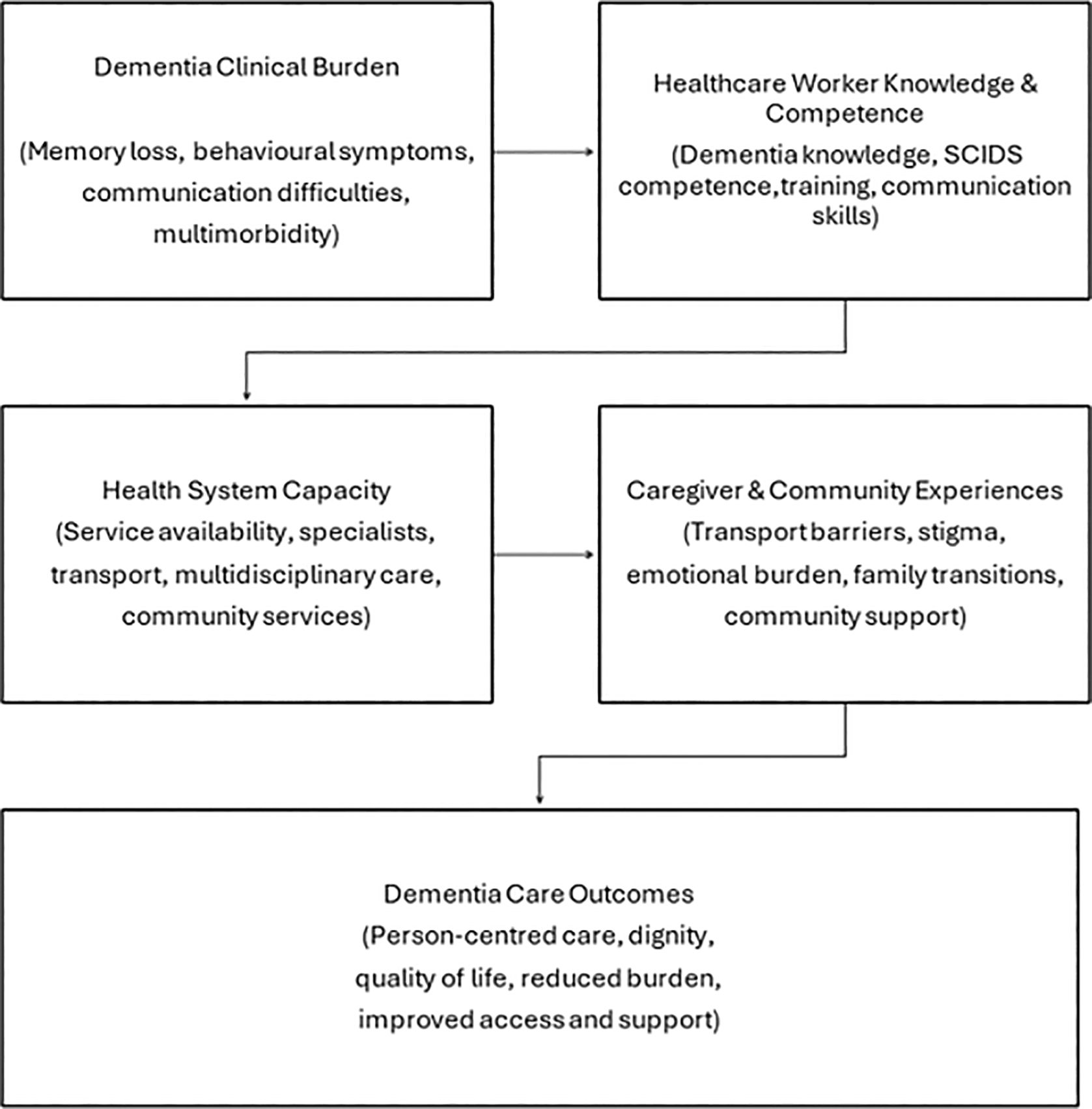
The conceptual framework is given as a visual diagram and has the following structure: The four interconnected dimensions surround the individual: dementia clinical burden, healthcare worker knowledge and competency, health system and service capacity, and caregivers and community experiences.
This conceptual framework is important because it offers a clear understanding of the factors that affect dementia management. It can help researchers, healthcare workers, policymakers, and caregivers in creating programs to improve patients’ dementia well-being and develop dementia management strategies.
The framework also emphasises the need for continuous dementia workshops for healthcare workers, psychosocial support for families, caregiver training for caregivers, building resilience, and culturally sensitive interventions for everyone. Findings based on this conceptual framework may aid in developing community support programs, healthcare policies, and mental health interventions for dementia management.
This conceptual framework shows how clinical symptoms, healthcare professional competency, health system readiness, caregiver’s experiences, and community responses all contribute to dementia care outcomes. The conceptual framework also considers dementia not only as a neurological condition, but also as a social, psychological, economic, and healthcare system problem. Previous study supports the idea that dementia has multiple impacts that go beyond cognitive decline and include behavioural abnormalities, caregiving burden, social isolation, financial strain, and increased healthcare demands.27
Dementia-related behavioural and psychological symptoms, such as agitation, violence, disorientation, and delusions, have been found in studies to dramatically increase caregiving stress, emotional load, and healthcare use.27,28 These symptoms contribute to a decline in the quality of life for both dementia patients and their caregivers.28,29 stressed that the caregiving burden has been linked to psychological distress, depression, social isolation, financial hardship, and lower life satisfaction, particularly in rural and low-income areas.
The biopsychosocial-ecological viewpoint, which acknowledges that biological, psychological, family, community, and healthcare system factors all influence dementia care, also lends credence to this conceptual framework. This viewpoint highlights the value of integrated and person-centred dementia care approaches that address both patient and caregiver needs.30 Previous study evidence has also shown that inadequate healthcare system preparedness, limited dementia-specific training, fragmented services, and low community awareness all have a detrimental impact on dementia care outcomes and increase carer strain.31
In addition, studies conducted in South Africa have revealed the impact of stigma, poverty, insufficient support services, and cultural misunderstandings on dementia care experiences. When caring for relatives with dementia, family caregivers commonly express emotional tiredness, sacrifice, financial pressure, and a lack of psychological support.32 As a result, the conceptual framework emphasises the importance of integrated healthcare systems, dementia-aware services, caregiver support interventions, community education, and multidisciplinary approaches to improve dementia care outcomes and preserve the dignity and quality of life of patients with dementia and their families.
Future study should empirically test the framework’s predicted links using structural equation modelling or path analysis. Longitudinal studies are needed to investigate the causal linkages between domains and outcomes over time. Cross-cultural validation studies in several South African provinces and other African nations would demonstrate broader applicability. Intervention studies that target specific mediating elements, for example, caregiver coping methods, community awareness, and person-centred care practices should assess the effects on outcomes. Health economic assessments investigating the cost-effectiveness of integrated interventions based on this approach are also recommended.
This conceptual framework is very clear on how clinical symptoms, healthcare worker competency, health system preparation, caregiving experiences, and community responses all influence dementia care outcomes. The framework views dementia not only as a neurological disorder, but also as a social, psychological, economic, and healthcare system issue.
The study emphasises that successful dementia treatment in rural South African settings requires:
➢ Integrated healthcare systems
➢ Skilled healthcare workers
➢ Supportive communities
➢ Dementia-aware services
➢ Protection of dignity
➢ Strengthened caregiver support systems
It is important to identify these interrelationships to move from a deficit view of caregiving to a holistic, strength-based approach. The framework specifies direct and moderating influences and identifies key leverage points for intervention, including enhancing social support networks, improving dementia-specific knowledge, increasing availability of respite and financial resources, and promoting resilience and adaptive coping mechanisms within cultural contexts.
Finally, the framework establishes a solid foundation for future dementia research, policy formulation, intervention design, and integrated service planning in low-income and rural healthcare settings. For research, this framework provides a testable model that can inform multivariate analyses, longitudinal studies, and cross-cultural comparisons. The practice and policy point to the value of integrated support programs that address not only clinical and educational needs but also psychosocial and structural determinants of caregivers’ well-being. Advances in dementia caregiving science and services will ultimately depend on continued focus on these interrelated determinants, such that carers are given the recognition, resources, and resilience-building support they deserve.
Ethical approval for the original study was obtained from the iYunivesithi Walter Sisulu Health Sciences Research Ethics Committee (Ethics Approval Number: WSU HREC 102/2025, approved 12 June 2025) for studies involving humans. The study was conducted in accordance with the Declaration of Helsinki and approved by the iYunivesithi Walter Sisulu Health Sciences Research. Written informed consent was obtained from all participants. This conceptual framework paper presents no new primary data; therefore, additional ethical approval was not required.
| Views | Downloads | |
|---|---|---|
| F1000Research | - | - |
|
PubMed Central
Data from PMC are received and updated monthly.
|
- | - |
Provide sufficient details of any financial or non-financial competing interests to enable users to assess whether your comments might lead a reasonable person to question your impartiality. Consider the following examples, but note that this is not an exhaustive list:
Sign up for content alerts and receive a weekly or monthly email with all newly published articles
Already registered? Sign in
The email address should be the one you originally registered with F1000.
You registered with F1000 via Google, so we cannot reset your password.
To sign in, please click here.
If you still need help with your Google account password, please click here.
You registered with F1000 via Facebook, so we cannot reset your password.
To sign in, please click here.
If you still need help with your Facebook account password, please click here.
If your email address is registered with us, we will email you instructions to reset your password.
If you think you should have received this email but it has not arrived, please check your spam filters and/or contact for further assistance.

Comments on this article Comments (0)