Keywords
5G NR (New Radio) frequencies, Fixed Satellite Service (FSS), C-Band, Indoors measurements

This article is included in the Fallujah Multidisciplinary Science and Innovation gateway.
5G NR (New Radio) frequencies, Fixed Satellite Service (FSS), C-Band, Indoors measurements
5G refers to a fifth-generation mobile network. Furthermore, the following standards were adopted and published approximately every nine years since the establishment of the first mobile network in 1982: GSM, the second generation of cellular networks, was first released in 1992, and rival 3G specifications were introduced in 2001.1,2 Service providers used the 4G LTE cellular standards in 2010. To create new mobile devices, technology companies and mobile operators worldwide are now using 5G technology. These 5G implementations are followed by LTE transformation technologies such as LTE Advanced and LTE Advanced Pro, which allow network operators to deliver faster speeds on mobile devices.3 Ericsson published its 2017 “5G Readiness Survey.” The operators sped up preparations for the new technology, and 78 percent of the respondents were conducting trials. In addition, 28 percent expect the fifth generation to be deployed in 2018. App interactions are evolving rapidly. Cisco VNI Mobile data show that mobile data traffic is expected to reach 11 exabytes per month in 2017, double that in 2015, reaching 49 exabytes by 2021. As of July 25, 2019, 5G was introduced into commercial use on 27 worldwide networks wished to deploy more than 150,000 base stations of 5G.4 The mobile communication industry is undergoing massive transformation every day.5 New generations and standards have been established to provide registered subscribers with voice, data, and multimedia services at an increased speed. The introduction of new wireless technologies and the rising demand of consumers have enabled the mobile industry to transition from the second to the fourth generation. A decision was taken at the 2015 World Radio Communication Conference to designate 3.3 GHz – 4.2 GHz (3.5 GHz C band) to future mobile broadband, 5G beamforming, and 5G multi-antenna structure. This encourages service providers to use this band for future 5G systems to ensure easy deployment.1 For this paper was focus on indoor frequency 3.5GHz band, especially from 3.4 GHz to 3.6 GHz, as shown in Figure 1. This mid-band spectrum (<6 GHz) is taking shape as the core band for 5G worldwide because of the technical feature that affords an optimal balance of large capacity (amount of supported traffic) and coverage (distance of travelled signal).6,7
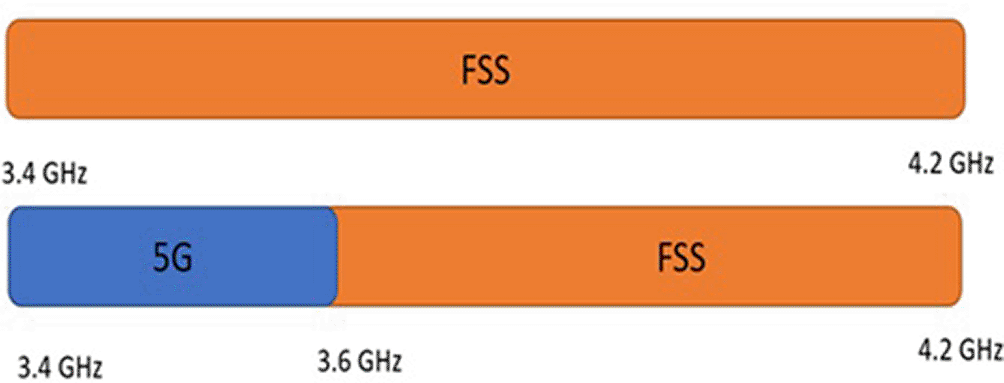
There is a possibility for adverse frequency interference with the planned allocation of 5G networks and FSS systems owing to the technological complexity of the FSS service within the 3.5 GHz range.8 This is reflected by permitting unnecessary signals from 5G base stations and mobile terminals to interfere with FSS earth stations receiving signals in the 3.5 GHz band.9–11 Technical studies were performed to evaluate the feasibility of the deployment of 5G within the range of the FSS system. This scientific study aims to determine the appropriate guard band, emission power limits, and separation distance. It is necessary to reduce interference and allow the coexistence of the two systems. Such approaches are recommended for testing by theoretical research and field trials based on global best and current practices, as these strategies can be used as a solution to interference management for both local and cross-border scenarios.
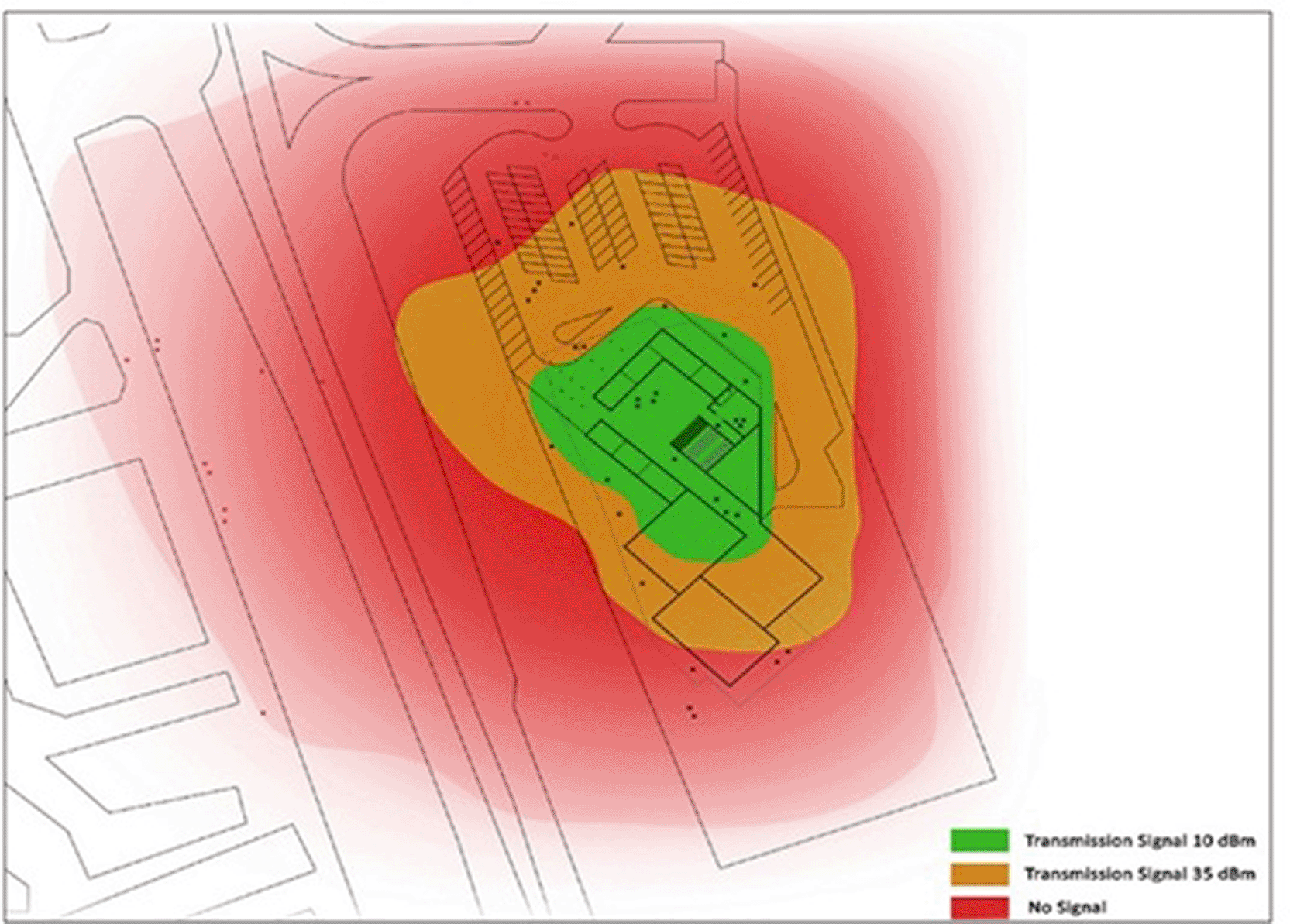
The measurement component content of essential high-quality devices provides the best results without any errors. A new beamforming antenna for the 3.5 GHz band (3.3 to 3.8 GHz) was released by radio frequency systems (RFS). The ability to support 3.5 GHz applications is critical as operators worldwide are trying to meet the growing demand for LTE, deploy new small cells, and plan for 5G rollout. The 3.5 GHz band is the preferred sub-6 GHz spectrum for 5G networks worldwide rollout. The base station designed by ZTE is shown in Figure 2. It has the following description of the range of power transamination between (35–10) dBm (3–0.25) watts and the propagation of the signal is approximately 75 m. The purpose is to ensure that the base station operates indoors. Fifth-generation (5G) technology relies primarily on high-capacity transmission that utilizes short-range high-frequency radio waves.12 This makes the 3.5 GHz band ideal for delivering high data rates with stable indoor coverage. In addition, the beamforming capability enhances the signal strength and minimizes interference, thereby ensuring a more reliable communication performance.
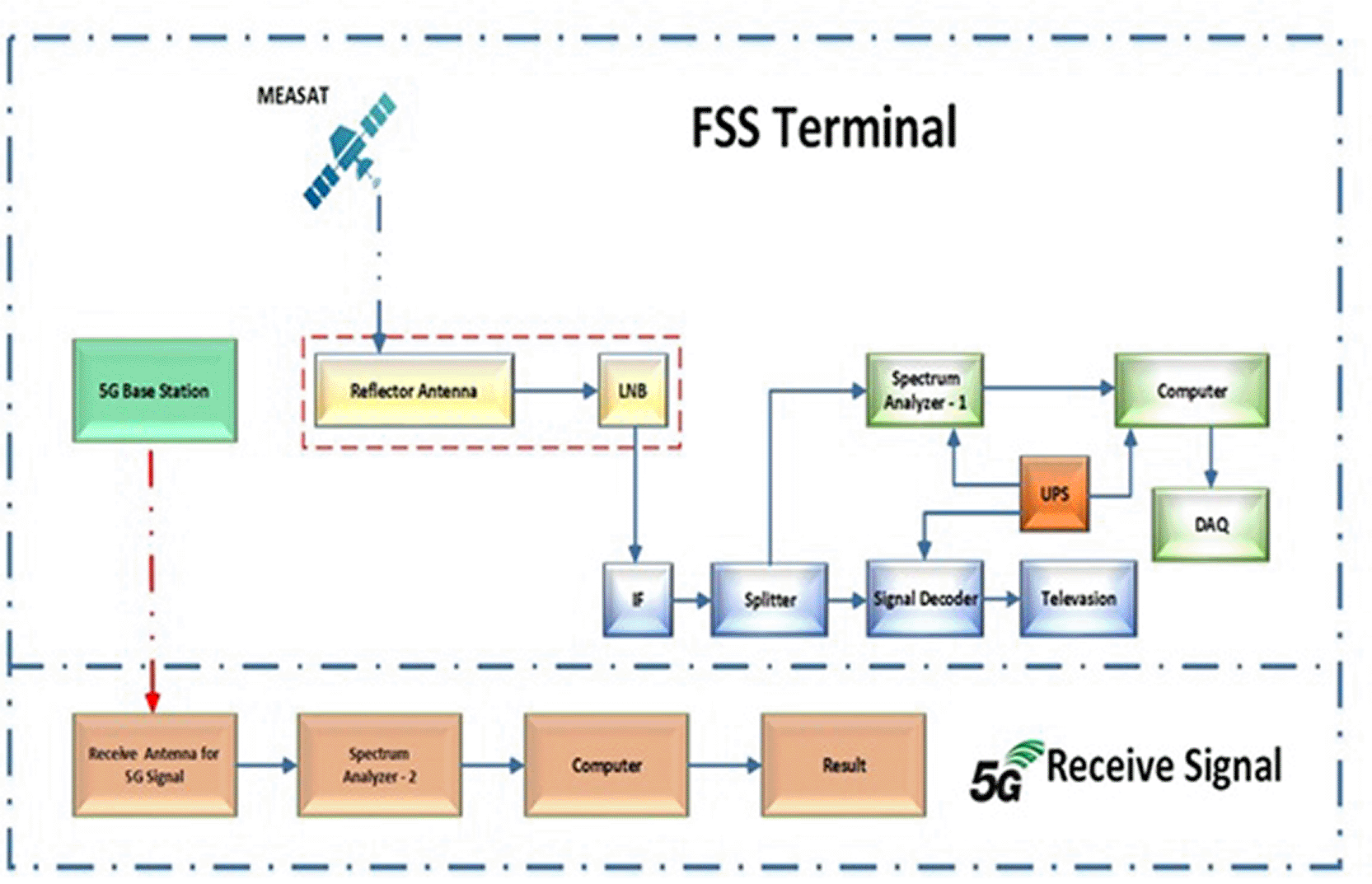
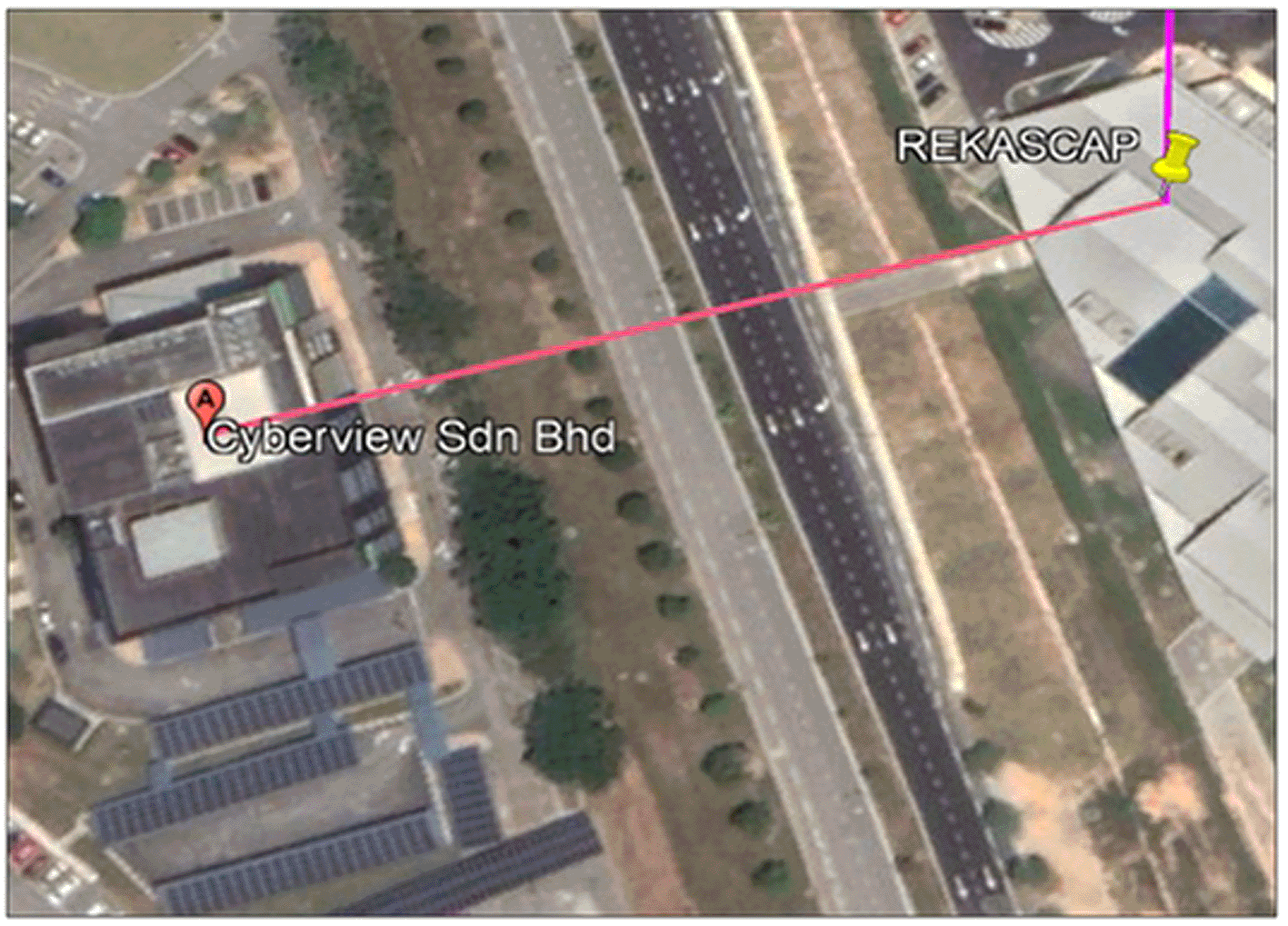
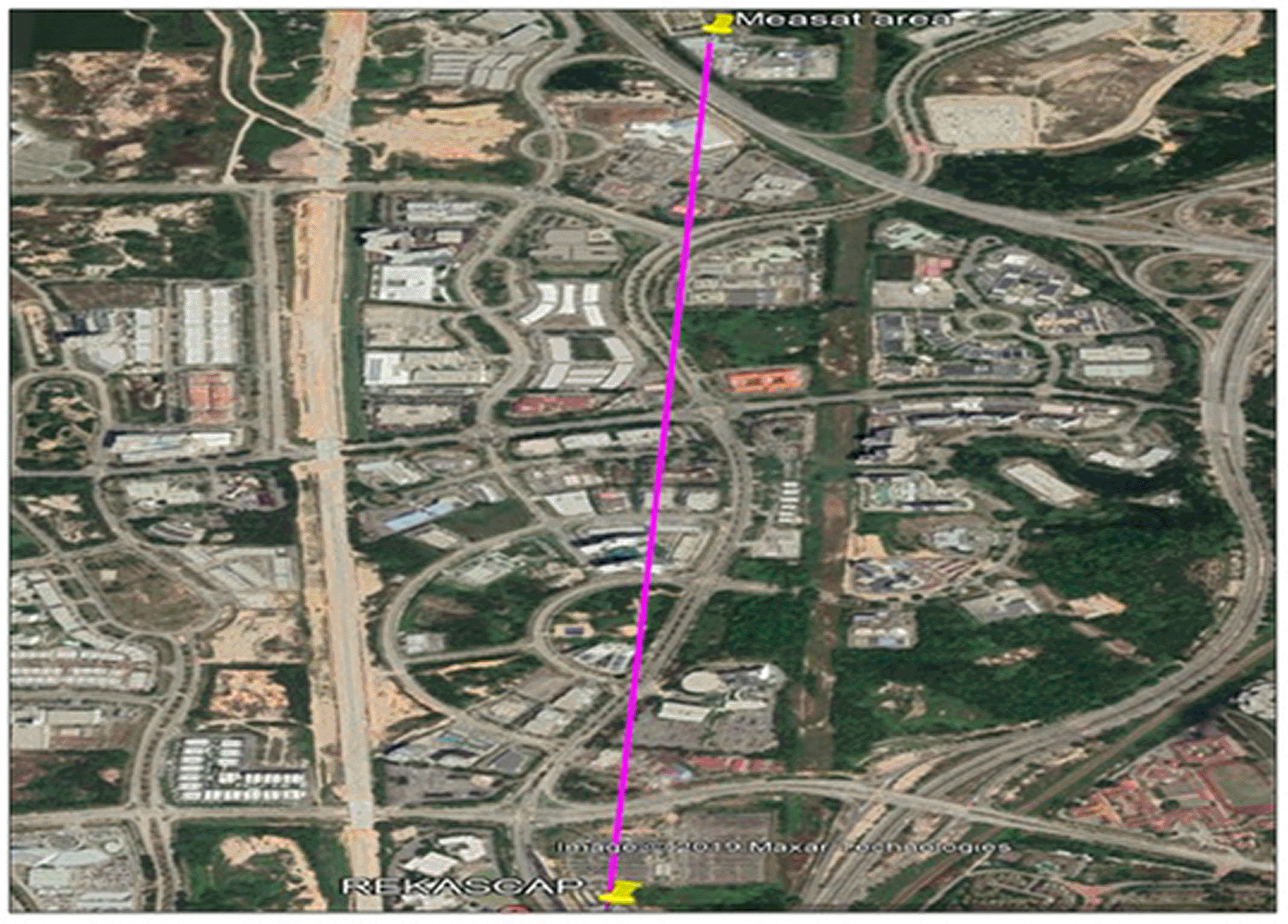
This section describes indoor measurement scenarios. As shown in Figure 3, the location of the indoor scenario was in the RekaScape building and parking. There are also two paths: result line-of-sight propagation (LOS) and non-line-of-sight propagation (NLOS). On the other hand, the interference effect with various distances in parking and crossing the road with a distance (130) meters nearest the building of Cyberview and the other distance was nearest to the MEASAT station with a distance of 3 km. The FSS signals used in this study are shown in Figures 4 and 5.
The description is shown in Table 1, where the linear polarized Periodic Broadband Antenna Logarithmic (aluminum tubing) for receiving and transmitting applications.13,14
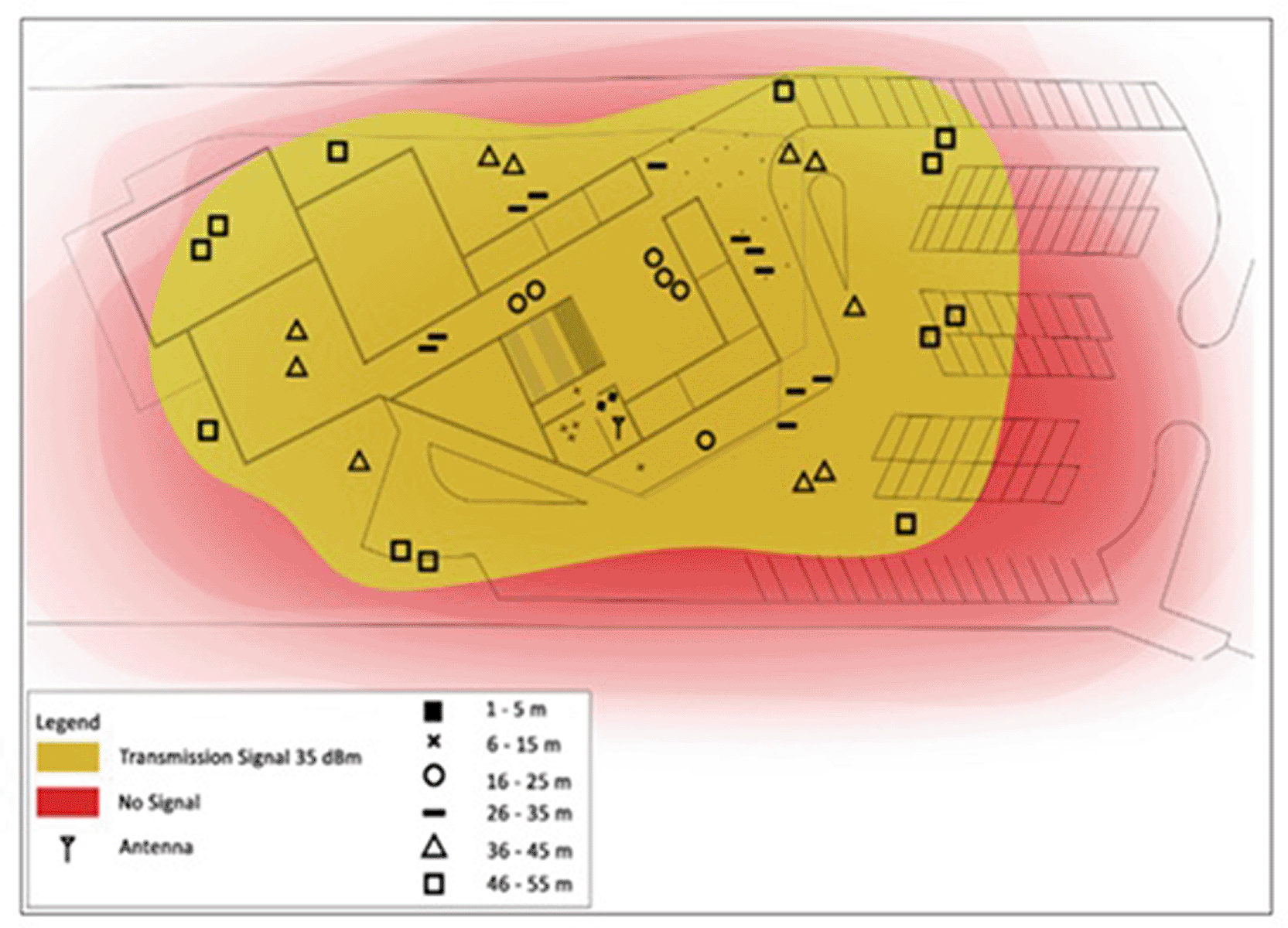
Moreover, the signal intensity variation was close to the location. In addition, the indoor radio transmission system varies significantly from the conventional cellular radio channel in terms of defended lengths. Relevant features, such as the building structure and positions of the antennas, affect propagation inside buildings. The location of the 5G base station inside the ZTE organization hall is 2 m higher from the ground, polarization vertical, and a transmit power of 35 dBm, as shown in Figure 7, and the yellow area covers the position of the points receiving the signal from the 5G station with a range distance between 1 m to 40 m.
Otherwise, as shown in Figure 6, the gap between the 5G base station and receiver antenna sites is approximately 5 m, with a special symbol (■). The display block settings were as follows: RBW =1 MHz, VBW = 1 MHz, and SWT = 100 ms. The resolution bandwidth (RBW) specified as the frequency range of the final filter that extends to the input signal. Relatively small RBWs provide more natural frequency resolution and the ability to separate signals with closer frequencies.15 Another aspect influencing a spectrum analyzer is that trace efficiency is the video bandwidth (VBW). This noise makes it difficult to detect tiny signals when VBW is high. As we lower the VBW, the small signal is even more evident. The sweep time (SWT) is the amount of time it takes from the start to the stop frequency from sweeping the detector. This noise makes it difficult to detect tiny signals when VBW is high. As we lower the VBW, the small signal is even more evident. The sweep time (SWT) is the amount of time it takes from the start to the stop frequency from sweeping the detector. The (SWT) value can be determined from the following equation: ; the time required affects the RBW and VBW ratio. The VBW is typically set to a value greater than or equal to the RBW when we do not rely on noise, whereas the principal effect of the VBW and RBW detectors is to smooth the tracing and noise,16 Moreover, innovations in RF receiver front-end design, encompassing rectifier technologies and energy harvesting architectures for simultaneous wireless information and power transfer (SWIPT) systems, have illustrated that shared-spectrum environments necessitate meticulous attention to receiver sensitivity, multi-band operation, and power conversion efficiency to guarantee dependable coexistence among diverse wireless services.17
In comparison, the frequency ranges start at 3 GHz and end at 4 GHz with a duration width of 1GHz at the middle scale of 3.5 GHz.
The first results, as shown in Figure 7, indicate that the particular range in the received power has the highest signal, with frequency of 3.49 GHz, −54.34 dBm, in the same lap as the 5G transmission station, where the gap between the two sites is approximately 1 to 5 meters.
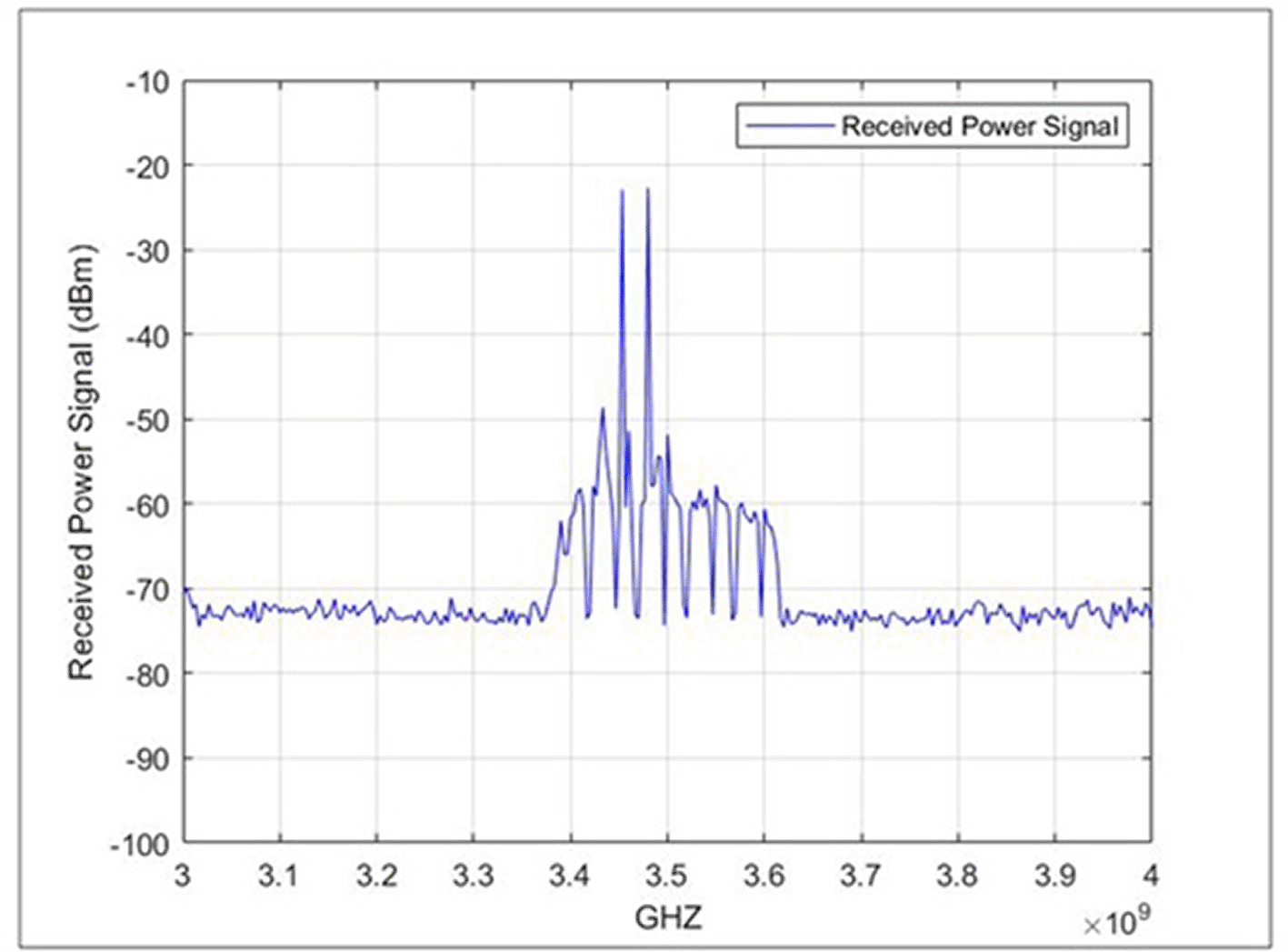
Figure 8, the signal is in the smooth mode from 3 GHz to 4 GHz with −50 dBm power level. The first peak received at the frequency 3.4 GHz with power − 30 dBm, and at the 3.48 the system received the highest peak in the −13.41 dBm from the received power signal with distance 10 m from the antenna of 5G station.
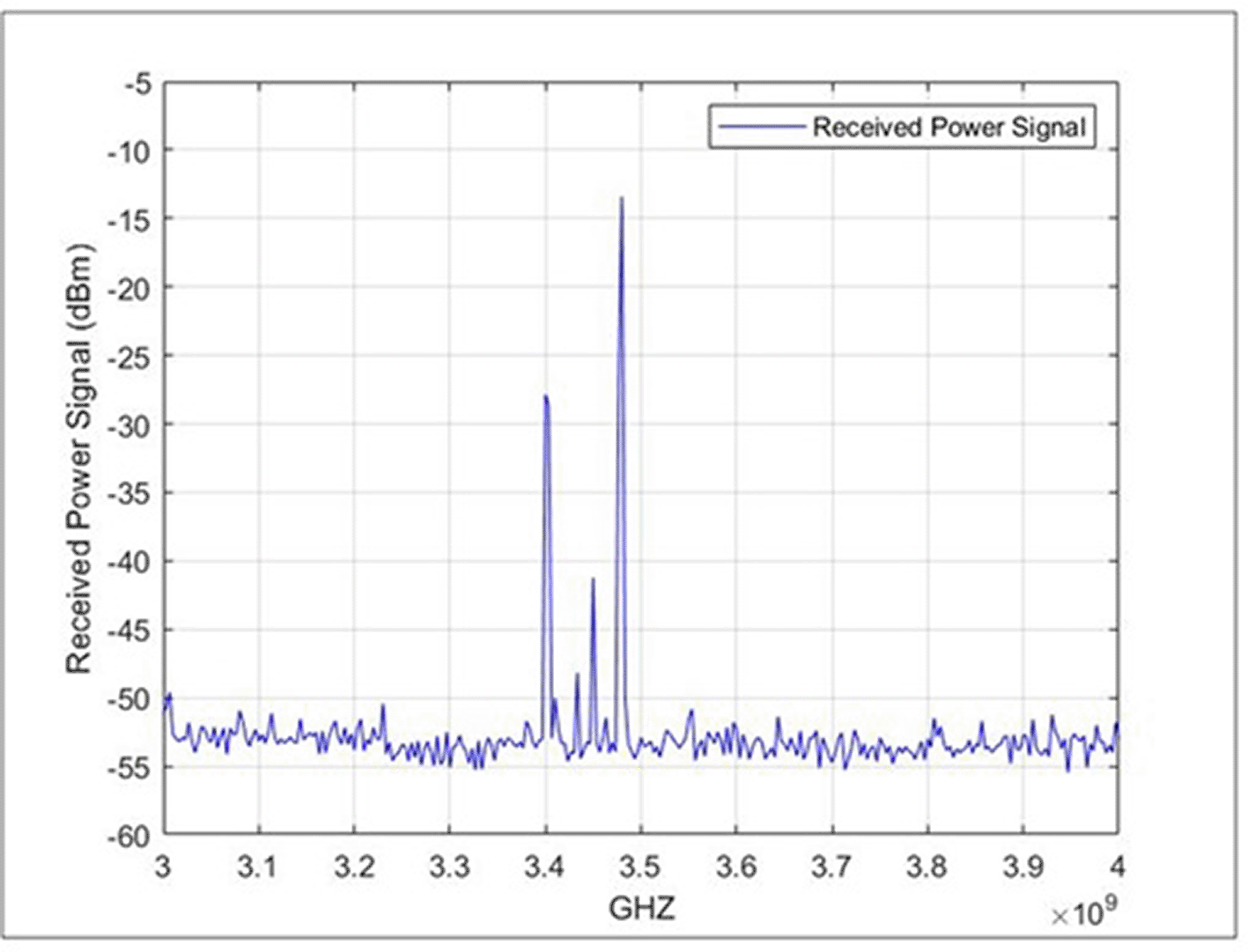
Figure 9, demonstrates that the first three puls received starts from 3.4 GHz to 3.5 GHz. The highest peak of the received power signal from the 5G station antenna at −28.41 dBm, with a distance of 20 m.
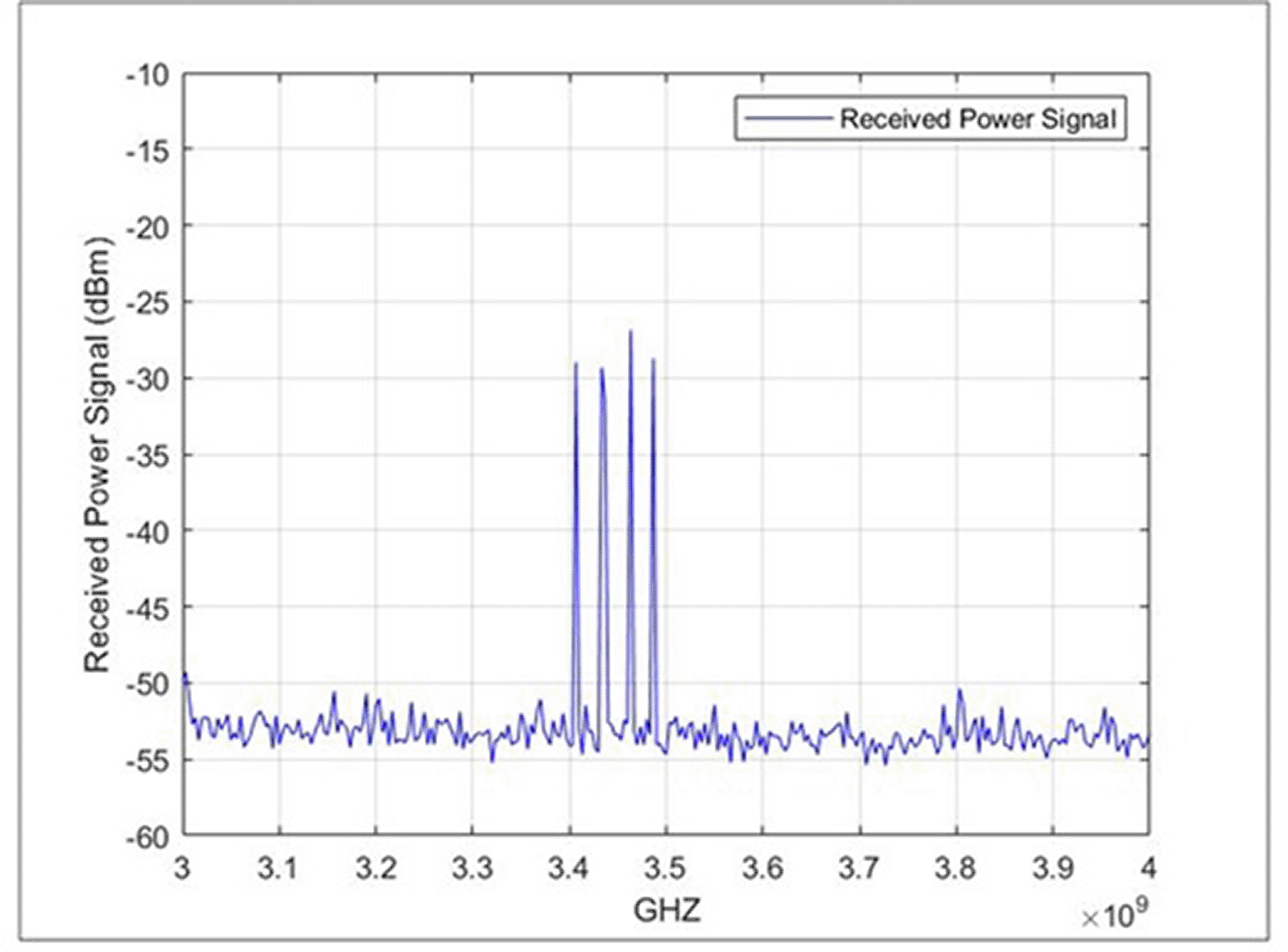
Figure 10, at a frequency of 3.42 GHz, indicates the maximum hold that will be obtained from the 5G station antenna at −54.61 dBm at the 30 m distance.
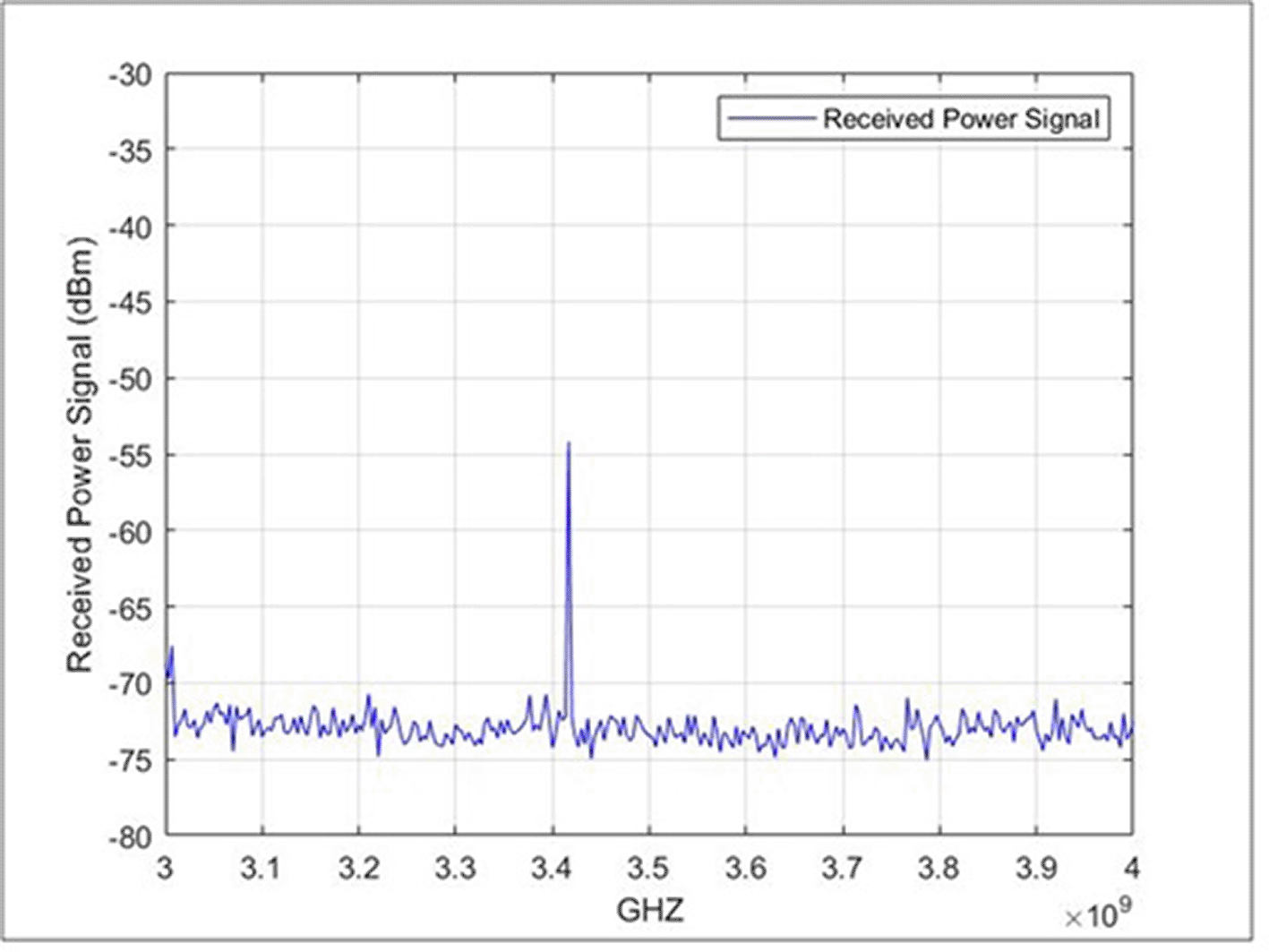
Figure 11, at a frequency of 3.41 GHz, shows the highest control received from the 5G station antenna at −52.34 dBm over a distance of 35 m.
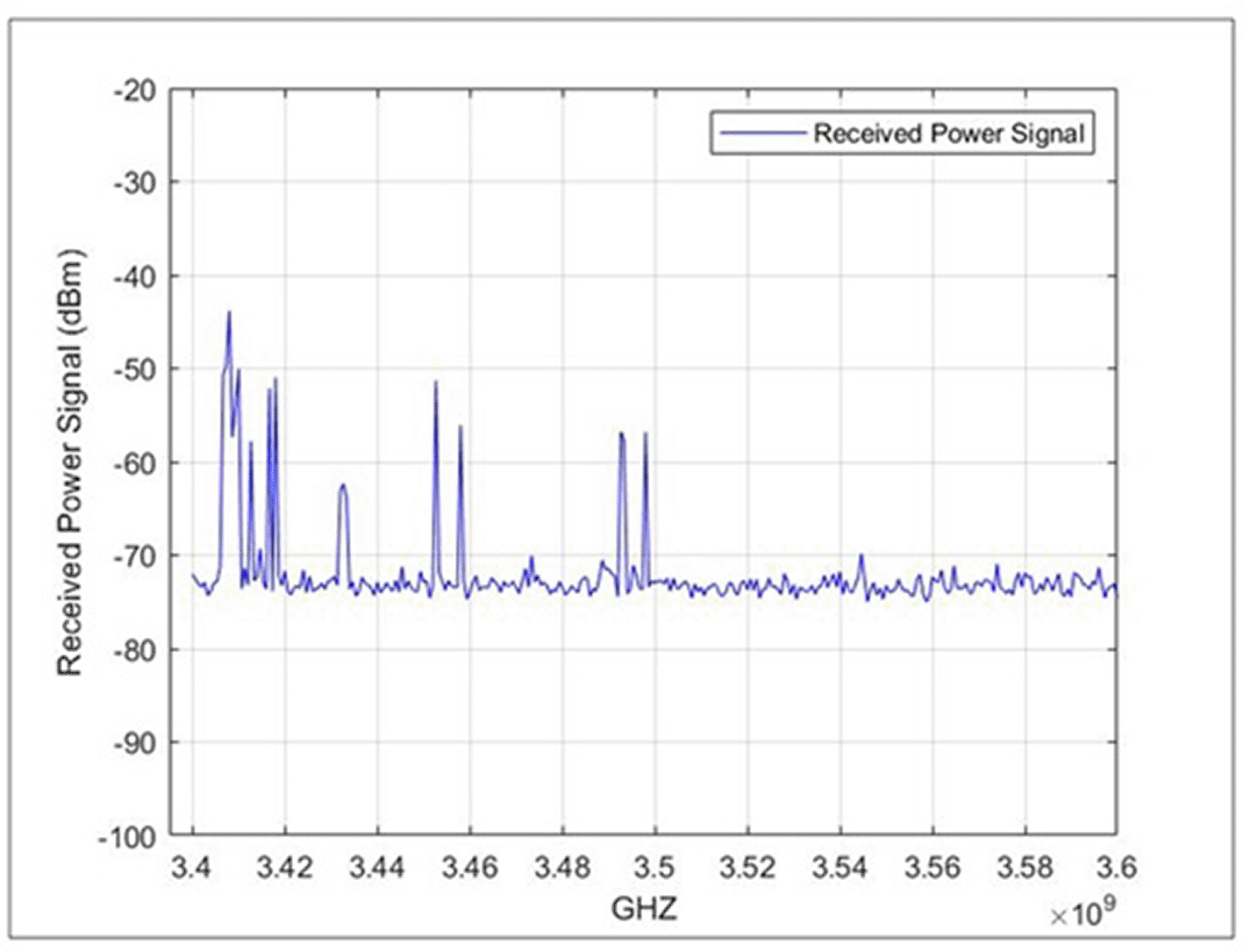
Figure 12 indicates that the signal is prevented by the cement wall between Tx and Rx. This point was collected from the 5G antenna at the highest distance. The first peak appeared within the initial range of 3,456 GHz at a power level of −74.02 dBm.
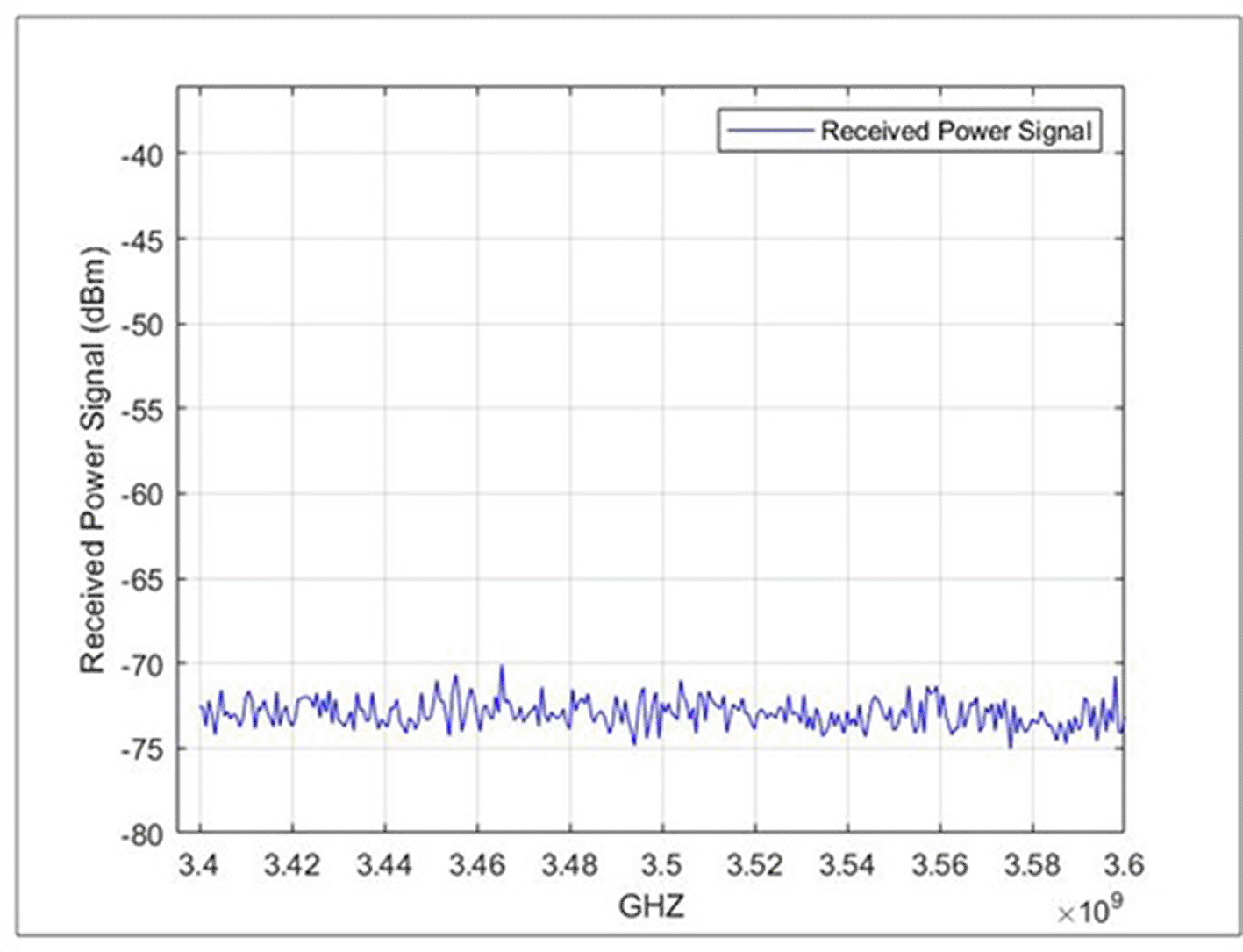
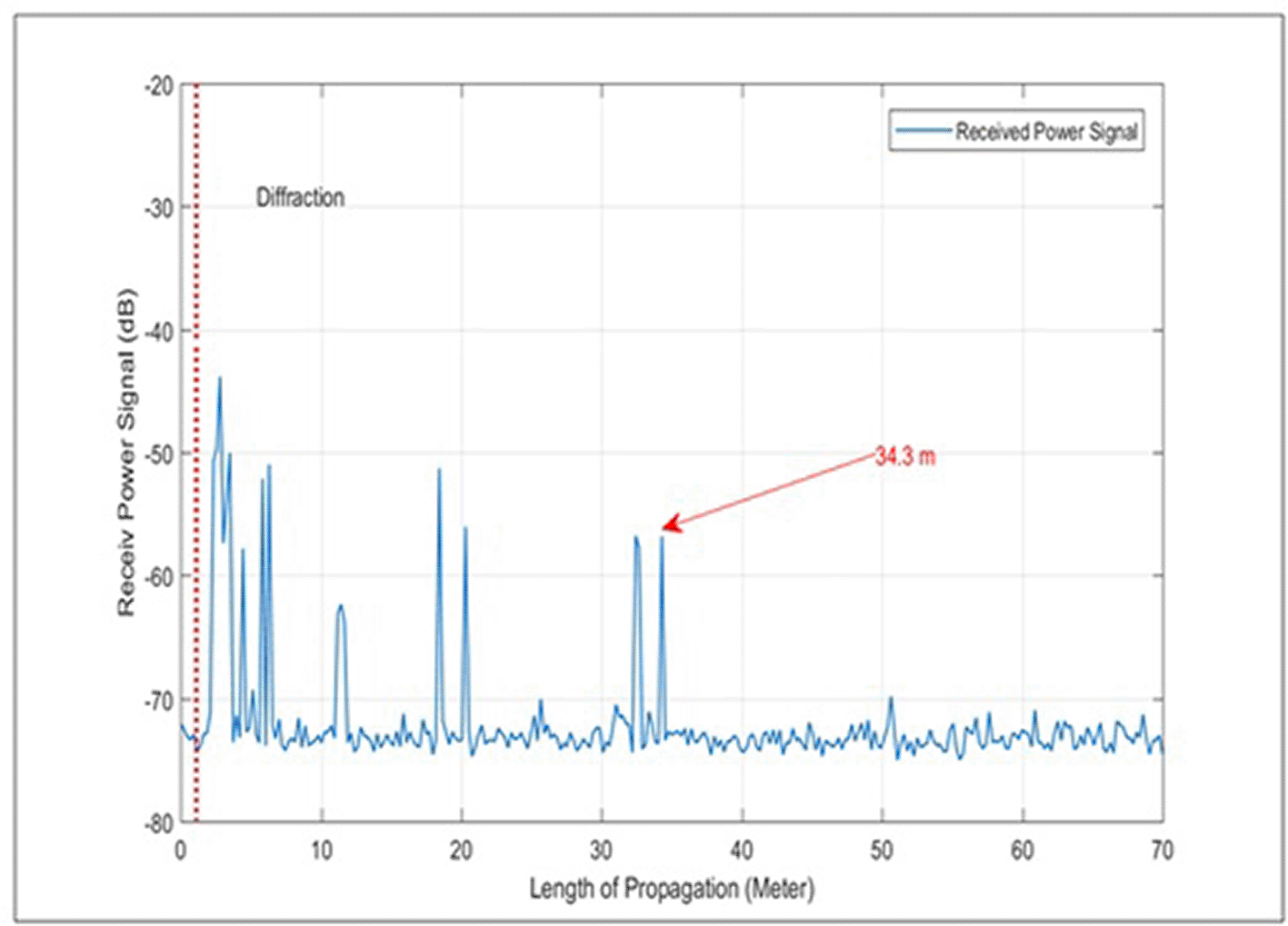
This section explains the comparison between the received power signals and propagation length (m). Figure 13 shows the maximum receiving power transmitted by the higher 5G antenna transmission approximately at 0.43 m with approximately 35 dBm.
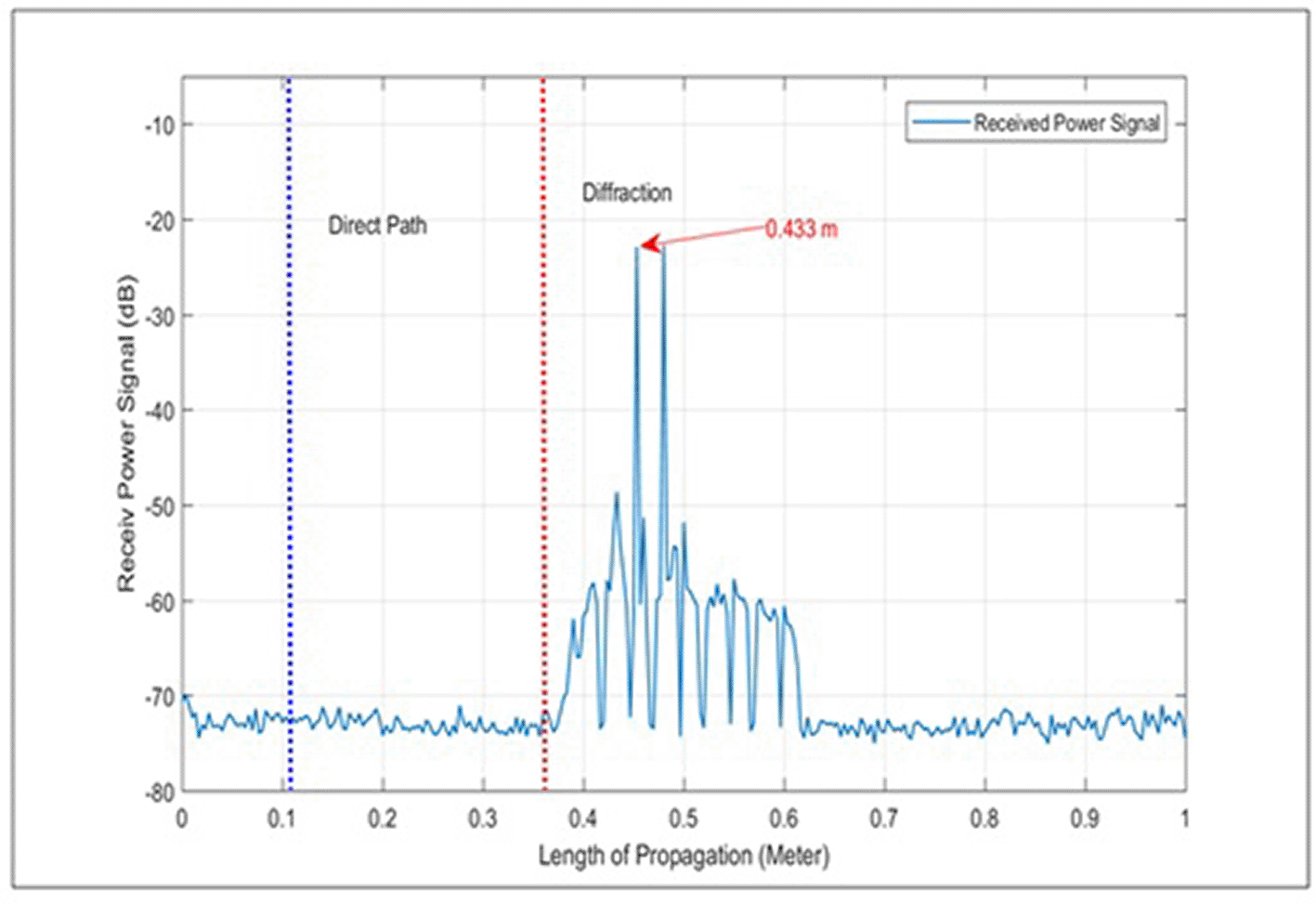
Figure 14 indicates the highest signal at 10 m with −13 dBm, while at the 20 m the power received was less than approximately −30 dBm.
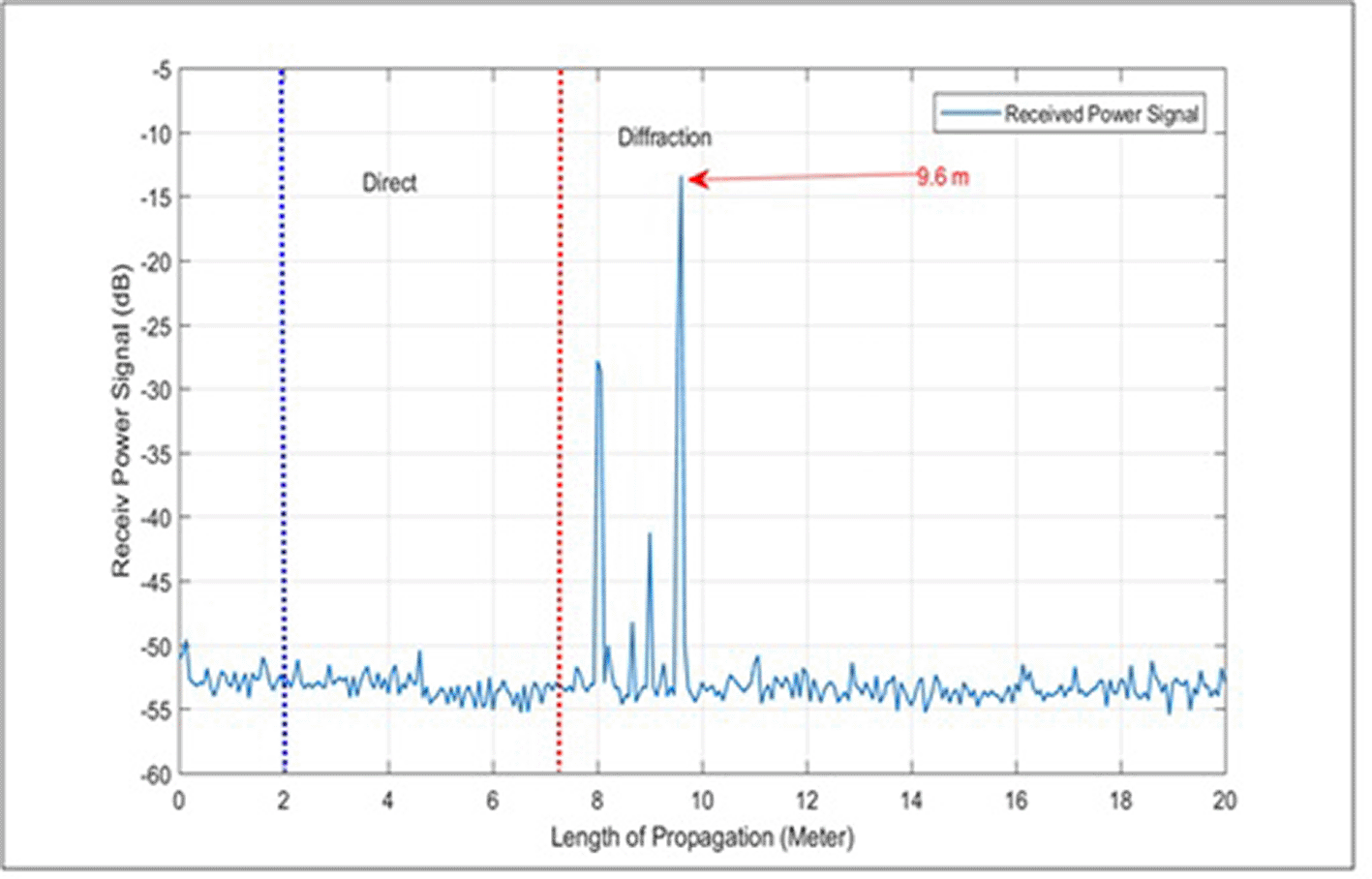
Figure 15 shows the received signals at different distances and antenna transmissions, where the transmission power approximately is −32 dBm to −54 dBm, at 20 m.
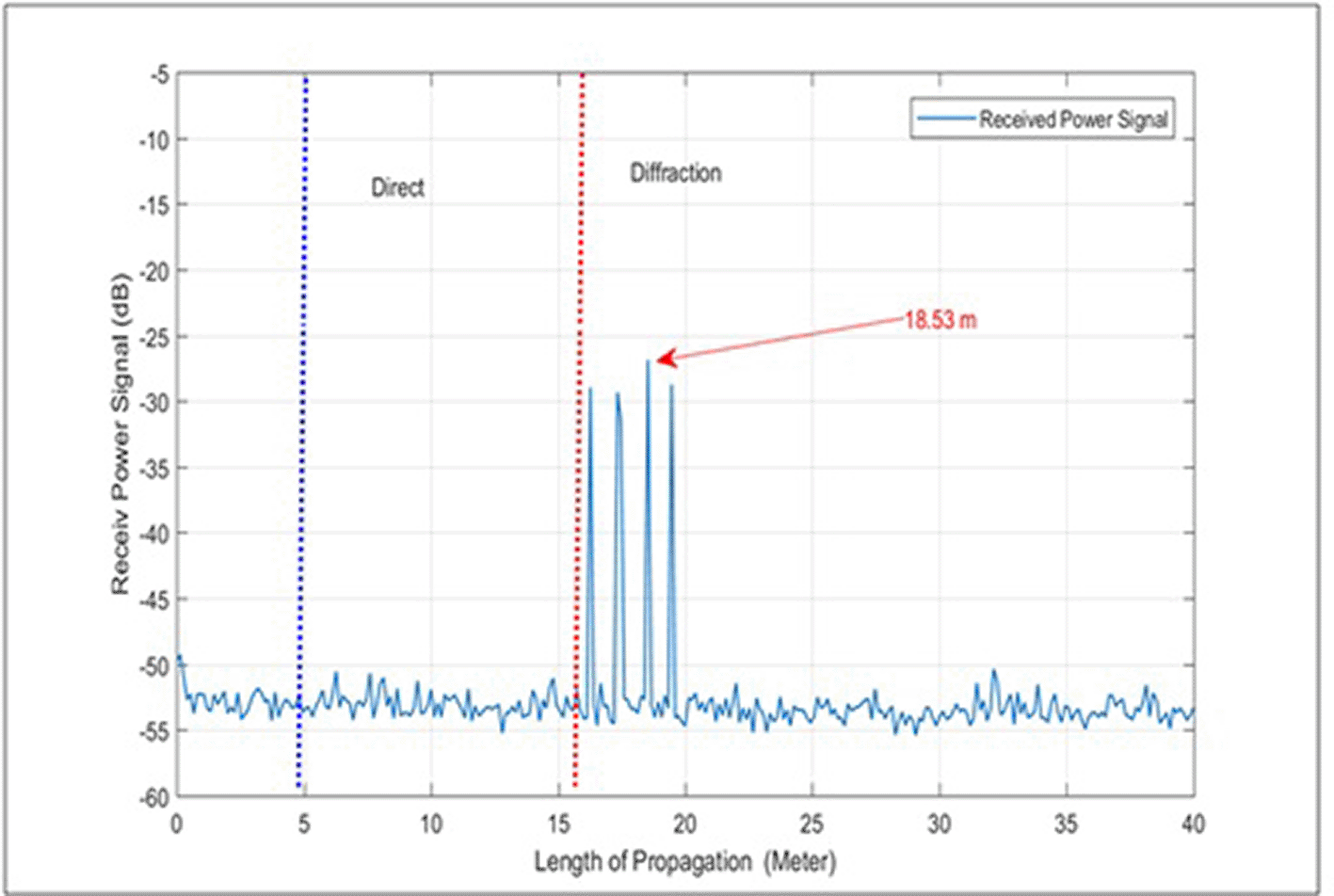
Figure 16 shows that the receiving signal is low at approximately − −55 dBm to −74 dBm at 30 m.
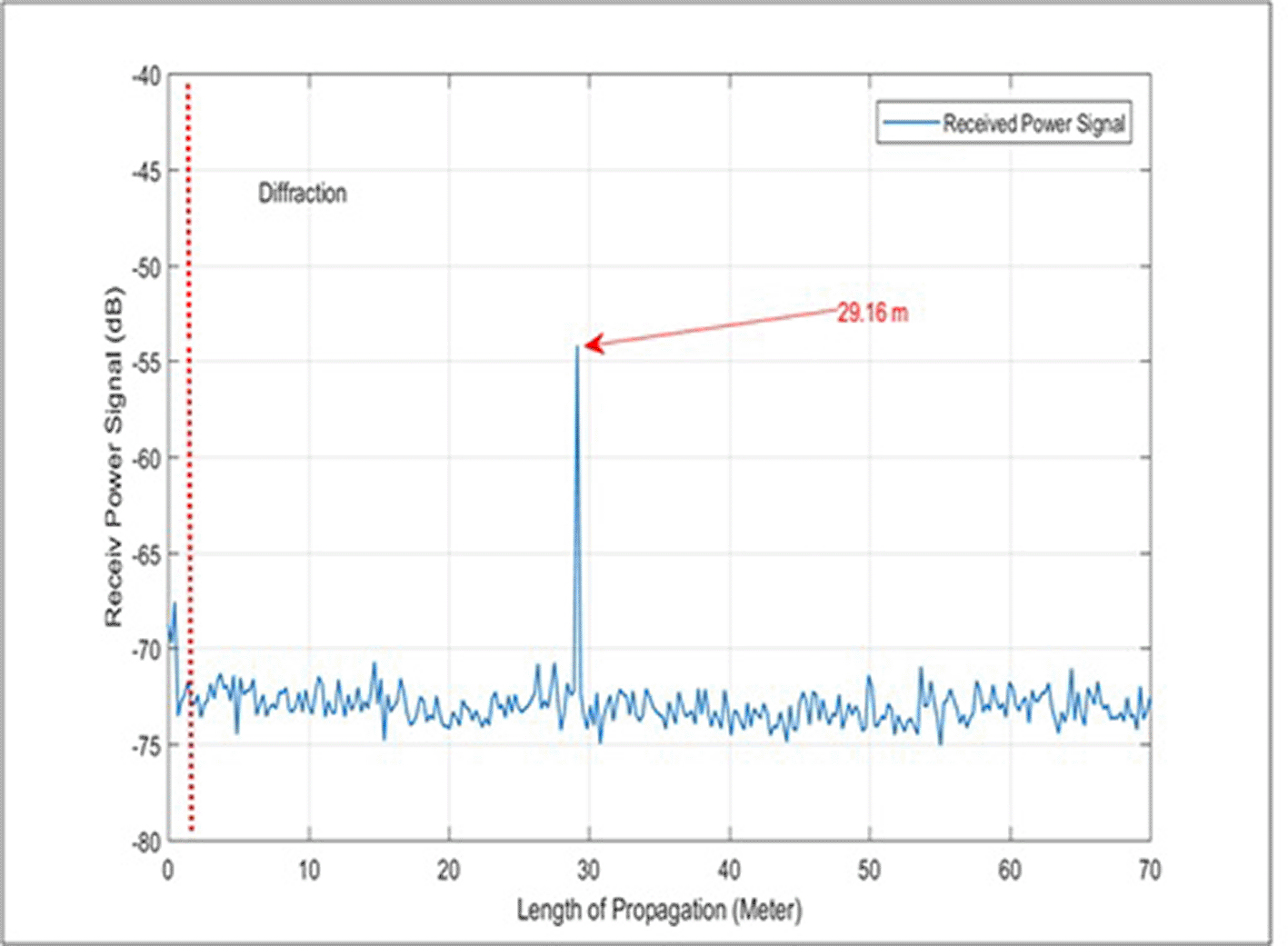
Figure 17 shows that the received power signal transmission by the service antenna signal is exceeded. Moreover, at 35 m the power received was approximately −63 dBm to −72.19 dBm.
The optimal exclusion zone between the 5G indoor model and FSS Inter-cell interference proved to be the most significant restricting factor at high altitudes; therefore, many industries and researchers are seeking to use less congested radio components in the total spectrum. The 3.4–3.8 GHz (C-band) is one of the world’s most significant pioneer frequencies for the early launch of 5G networks. However, this band is already being used for fixed satellite services (FSS) in Malaysia and is not significantly affected by rain. The coexistence of mobile broadband networks should be investigated to better define the business conditions in specific environments. This section examines and demonstrates the numerical and measurement results for 5G indoor locations. It is notable from the last received data that there is no interference between the 5G signals and FSS spectrum. This study considers the following parameters, as explained in Table 2.
It is notable from Table 2 that the best optimization exclusion zone for the indoor scenario, the distance between the 5G indoor station and FSS station should be approximately 100 m and the forbidden band from 50 to 100 MHz should be between the usage frequency.
This study achieved all the stated objectives. The results obtained from the study and observations are described and analyzed in this study. Initially, the performance evaluation of 5G transmission with a power equal to 35 dBm resulted in higher data receiving wide-spread power recording. The power output of the 5G indoor base station decreased to 10 dBm owing to a reduction in the scatter size. The range of power received started from −3.53 to −57.88 dBm when the power transmission was high. The nearest center using the FSS transmitted and received signals was the MEASAT. The lowest frequency used by MEASAT is 3.7 GHz, and the distance from the indoor antenna in Rekascape is approximately 3 km. Finally, there is no interference between the 5G indoor signal and FSS signals in the scenario measurements.
| Views | Downloads | |
|---|---|---|
| F1000Research | - | - |
|
PubMed Central
Data from PMC are received and updated monthly.
|
- | - |
Provide sufficient details of any financial or non-financial competing interests to enable users to assess whether your comments might lead a reasonable person to question your impartiality. Consider the following examples, but note that this is not an exhaustive list:
Sign up for content alerts and receive a weekly or monthly email with all newly published articles
Already registered? Sign in
The email address should be the one you originally registered with F1000.
You registered with F1000 via Google, so we cannot reset your password.
To sign in, please click here.
If you still need help with your Google account password, please click here.
You registered with F1000 via Facebook, so we cannot reset your password.
To sign in, please click here.
If you still need help with your Facebook account password, please click here.
If your email address is registered with us, we will email you instructions to reset your password.
If you think you should have received this email but it has not arrived, please check your spam filters and/or contact for further assistance.

Comments on this article Comments (0)