Keywords
English for Specific Purpose (ESP), analytical reading, higher-order thinking, culturally localized digital module, cognitive-cultural framework, health ESP

English for Specific Purpose (ESP), analytical reading, higher-order thinking, culturally localized digital module, cognitive-cultural framework, health ESP
Reading comprehension in ESP contexts involves complex cognitive processes beyond literal understanding, including inference, synthesis, and critical evaluation (Grabe & Stoller, 2020; Snow, 2002; Kintsch, 1998; Cain et al., 2004; Perfetti & Stafura, 2014). In professional domains such as healthcare, students are required to interpret specialized texts and apply knowledge in context-sensitive situations (Hyland, 2019).
Despite advances in digital learning, many ESP reading materials emphasize surface-level comprehension rather than higher-order thinking (Mayer, 2021; Baron, 2015; Singer & Alexander, 2017; Sweller, 2011). Recent developments in AI-supported language learning have further expanded opportunities for digital instruction; however, technological innovation alone does not guarantee deeper cognitive engagement in reading tasks (Li et al., 2024). Meta-analytic evidence suggests that digital reading interventions often produce moderate gains unless instructional design explicitly targets cognitive depth (Delgado et al., 2018; Clinton, 2019).
Moreover, reading comprehension is strongly influenced by schema activation, where prior knowledge and cultural familiarity facilitate meaning construction (Carrell & Eisterhold, 1983). However, cultural contextualization is rarely integrated structurally into digital ESP reading instruction.
Recent studies highlight the importance of aligning instructional design with cognitive and contextual factors to enhance reading outcomes (Sun et al., 2021). Emerging evidence from Indonesian higher education also suggests that technology-integrated pedagogical approaches can contribute to the development of critical reading skills among EFL learners (Marzuki, 2025). Nevertheless, empirical evidence examining culturally embedded digital ESP modules and their impact on higher-order reading remains limited.
This study addresses this gap by examining whether culturally localized digital ESP modules can enhance analytical reading competence and higher-order cognitive processing among health students.
This study was guided by the following research questions:
1. To what extent does a culturally localized digital ESP module improve analytical reading performance among undergraduate health students?
2. Which cognitive dimensions (comprehension, analysis, and evaluation) demonstrate the greatest improvement following the intervention?
3. How does cultural contextualization contribute to higher-order cognitive engagement in digital ESP reading?
Existing digital ESP research has predominantly emphasized technological affordances, usability, and accessibility, while giving comparatively limited attention to how cultural contextualization shapes cognitive processing during reading. As a result, culture is often treated as a peripheral pedagogical enhancement rather than a central cognitive mechanism influencing higher-order comprehension. Consequently, the interaction between cultural schema activation, cognitive load regulation, and analytical reading development remains theoretically underexplored and empirically insufficiently examined in digital ESP environments.
Reading is widely conceptualized as a dynamic meaning-construction process involving the interaction between textual input and the reader’s prior knowledge structures (Kintsch, 1998). Within ESP contexts, this process becomes more complex, as learners must engage with discipline-specific texts that require not only linguistic decoding but also domain-specific interpretation (Hyland & Jiang, 2021; Basturkmen, 2020; Belcher, 2004; Hyland, 2019; Grabe & Stoller, 2020). From a second language acquisition perspective, successful comprehension depends on learners’ ability to process linguistic input meaningfully and integrate it with existing knowledge structures during language development (VanPatten et al., 2020).
Analytical reading, in particular, extends beyond surface comprehension to include inference-making, critical evaluation, and synthesis of information across contexts. These processes are essential in health-related ESP settings, where students must interpret clinical texts, evaluate information credibility, and apply knowledge in professional decision-making scenarios. Thus, reading in ESP should be understood not merely as comprehension, but as cognitively demanding knowledge construction embedded within professional discourse.
The development of analytical reading competence is closely linked to higher-order thinking skills as conceptualized in Bloom’s revised taxonomy (Anderson & Krathwohl, 2001). While lower-order processes such as remembering and understanding form the foundation of comprehension, higher-order processes including analysis and evaluation enable learners to critically engage with texts and construct deeper meaning. Such cognitive engagement is closely associated with self-regulated learning processes that enable learners to monitor comprehension, manage cognitive resources, and sustain deeper engagement with academic texts (Zhu et al., 2016).
In ESP reading, these higher-order dimensions are particularly critical, as learners are required to interpret complex disciplinary texts, identify implicit meanings, and evaluate information relevance within professional contexts. Such interpretive competence also supports learners’ ability to understand contextually appropriate language use within professional communication settings (Taguchi, 2015). However, many instructional practices remain focused on lower-level comprehension tasks, thereby limiting opportunities for cognitive development. This highlights the need for instructional designs that explicitly scaffold higher-order cognitive processes in reading. Such higher-order cognitive development is closely associated with self-regulated learning processes through which learners actively monitor comprehension, evaluate understanding, and adapt cognitive strategies during reading activities (Greene & Azevedo, 2007).
From a cognitive perspective, reading comprehension is constrained by the capacity of working memory, making cognitive load a central consideration in instructional design (Paas et al., 2003; Sweller, 2020; Sweller et al., 2019; Sweller, 2011). Cognitive load theory distinguishes between intrinsic, extraneous, and germane load, emphasizing the importance of minimizing unnecessary processing demands to facilitate learning.
In digital environments, multimedia learning principles further shape how information is processed. According to Mayer (2021), effective multimedia design leverages dual-channel processing and promotes active cognitive engagement. However, poorly structured digital materials may increase extraneous load, thereby hindering comprehension (Mayer, 2014; Fiorella & Mayer, 2015). Earlier studies have similarly demonstrated that digital reading environments become more effective when instructional scaffolds guide learners’ attention and support deeper engagement with textual information (Chen et al., 2011).
In ESP reading contexts, the challenge lies in designing digital materials that not only present information clearly but also support deeper cognitive processing. This requires careful alignment between content complexity, task structure, and cognitive demands, particularly when targeting higher-order thinking.
Schema theory posits that comprehension is facilitated when new information aligns with existing knowledge structures (Carrell & Eisterhold, 1983). This perspective is consistent with contemporary reading scholarship emphasizing that comprehension emerges from the interaction of strategies, prior knowledge, engagement, and contextual influences rather than from strategic processing alone (Afflerbach et al., 2015). Cultural schema, in particular, plays a crucial role in shaping how learners interpret texts, as culturally familiar contexts activate relevant background knowledge and support inferential reasoning (Gay, 2018; Paris & Alim, 2017).
In ESP contexts, where texts are often embedded in specific professional and sociocultural settings, the absence of cultural alignment may hinder comprehension and limit cognitive engagement. Conversely, culturally contextualized materials can enhance meaning construction by reducing interpretive ambiguity and enabling deeper connections between text and prior knowledge.
Despite its theoretical significance, cultural schema has rarely been systematically integrated into digital ESP reading design. Most digital materials prioritize accessibility and efficiency, often overlooking the role of cultural relevance in cognitive processing. This observation is consistent with recent systematic mapping studies showing that although digital technologies are increasingly employed to support intercultural learning, the cognitive mechanisms through which cultural contextualization influences learning outcomes remain insufficiently explored (Basantes-Andrade et al., 2025).
Drawing on these theoretical perspectives, this study conceptualizes reading development in digital ESP environments as the result of an interaction between three key dimensions:
(1) cognitive processing mechanisms (Kintsch, 1998; Sweller, 2011)
(2) higher-order thinking structures (Anderson & Krathwohl, 2001)
(3) cultural schema activation (Carrell & Eisterhold, 1983).
Within this framework, culturally localized instructional design is hypothesized to function as a cognitive catalyst by activating relevant schema, reducing extraneous cognitive load, and facilitating higher-order processing such as analysis and evaluation. This integrated perspective moves beyond viewing culture as a contextual variable and instead positions it as a central mechanism in cognitive engagement and reading development.
This integrative perspective challenges the prevailing tendency to treat reading, cognition, and culture as separate domains, and instead proposes a unified framework for understanding analytical reading development in ESP contexts.
To synthesize the theoretical perspectives discussed above, this study proposes an integrative conceptual framework that explains how culturally localized digital ESP instruction enhances analytical reading competence. Accordingly, this study proposes a conceptual integration between cultural familiarity, cognitive activation, and analytical reading development in digital ESP learning.
As illustrated in Figure 1, the conceptual architecture of the cognitive-cultural digital ESP model demonstrates how cultural contextualization facilitates deeper cognitive engagement. This activation facilitates more efficient cognitive processing by reducing extraneous cognitive load and enabling deeper engagement with textual information.
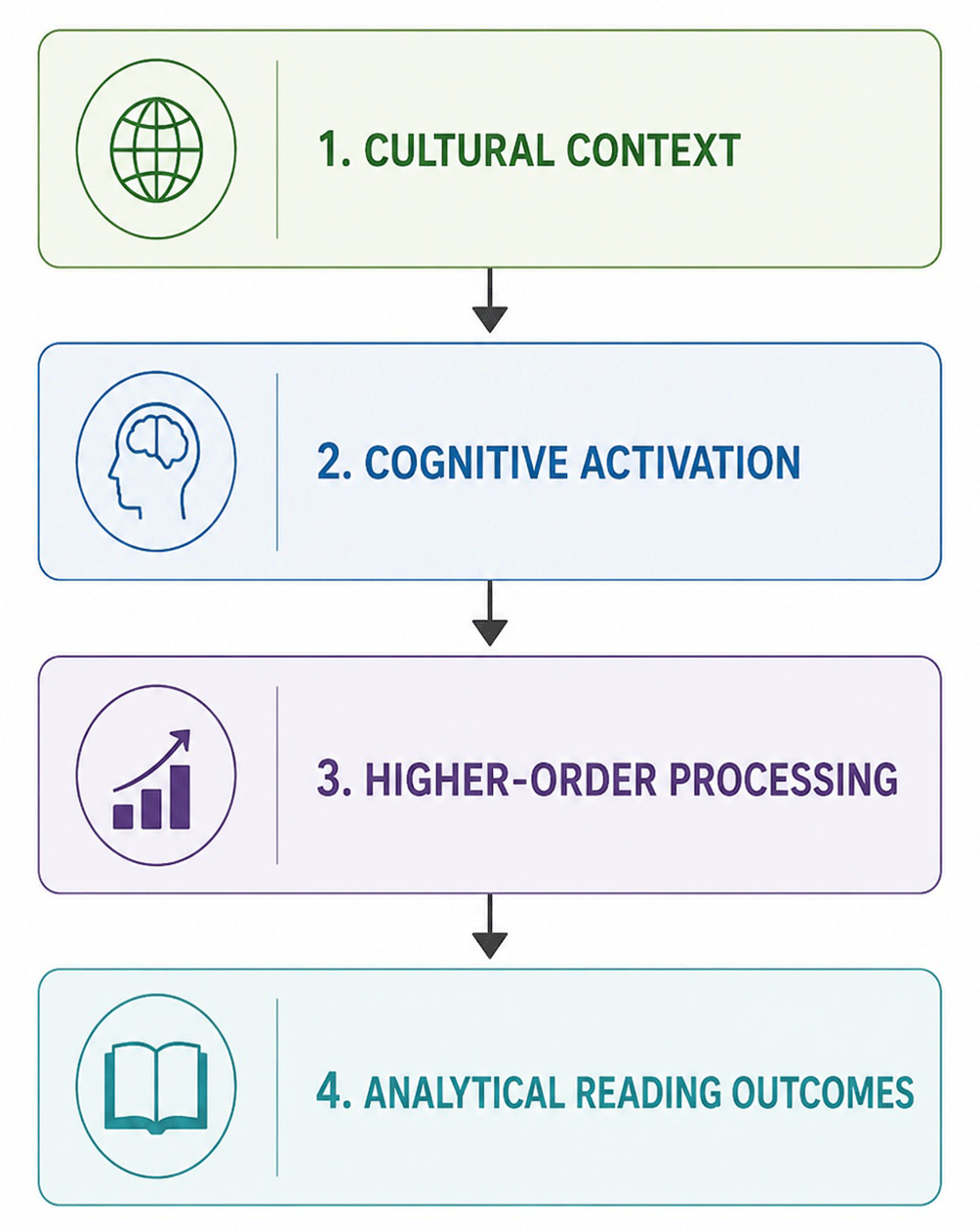
The figure outlines the sequential relationship between cultural context, cognitive activation, higher-order processing, and analytical reading outcomes within the digital ESP intervention framework.
Through this mechanism, learners are able to allocate greater cognitive resources to higher-order thinking processes, particularly analysis and evaluation, which are critical for analytical reading in ESP contexts. Ultimately, this interaction between cultural schema, cognitive processing, and higher-order thinking leads to improved analytical reading performance. The framework thus conceptualizes culture not merely as a contextual variable, but as a central cognitive mechanism that shapes learning outcomes in digital ESP environments.
This study employed a one-group pretest–posttest design to examine the impact of a culturally localized digital ESP module on students’ analytical reading performance. The intervention was conducted over a full academic semester consisting of 16 instructional sessions, allowing for sustained exposure and repeated engagement with the learning materials. This design was selected to capture within-subject changes in reading performance across time and to evaluate the effectiveness of the instructional intervention in an authentic classroom setting.
Although the absence of a control group limits causal inference, the design was selected to preserve ecological validity and allow examination of sustained instructional impact under authentic classroom conditions. Furthermore, the large sample size, strong statistical power, and multidimensional cognitive analysis strengthen the robustness of the findings.
The participants were 160 undergraduate health students enrolled in an ESP course at a higher education institution in Indonesia. The cohort represented a range of health-related disciplines, including nursing and public health, and all participants had prior exposure to general English instruction. Their participation in the study was embedded within regular course activities, ensuring ecological validity and minimizing disruption to the instructional process.
Reading performance was measured using a researcher-developed analytical reading test designed specifically for Health English for Specific Purposes (ESP) contexts. The instrument was constructed to assess students’ higher-order reading competence based on Bloom’s revised taxonomy (Anderson & Krathwohl, 2001), with particular emphasis on analytical and evaluative processing.
The test consisted of 30 items distributed across three cognitive dimensions:
1. Comprehension (10 items) assessing learners’ ability to identify explicit information, understand main ideas, and recognize factual content within health-related ESP texts.
2. Analysis (10 items) measuring students’ ability to interpret implicit meanings, distinguish relationships among ideas, make inferences, and analyze argumentative structures in professional health discourse.
3. Evaluation (10 items) examining learners’ capacity to critically evaluate information credibility, justify interpretations, compare alternative viewpoints, and formulate evidence-based judgments related to healthcare issues.
The reading passages were adapted from authentic and semi-authentic healthcare-related materials, including patient communication scenarios, medical information texts, and public health articles. To strengthen contextual relevance and schema activation, selected texts incorporated culturally localized elements reflecting Malay Riau sociocultural contexts familiar to the participants. The instrument employed a combination of multiple-choice and short analytical response items to capture both literal comprehension and higher-order reasoning processes. Each correct response received one point, resulting in a maximum possible score of 100.
To establish content validity, the instrument was evaluated by a multidisciplinary expert panel consisting of specialists in ESP instruction, educational assessment, digital learning, and cultural-based pedagogy. Revisions were conducted based on expert feedback concerning linguistic clarity, cognitive alignment, contextual appropriateness, and item relevance. A pilot test was administered prior to the main study involving students with characteristics similar to the research participants. Internal consistency reliability was examined using Cronbach’s alpha, yielding a reliability coefficient of α = .86, indicating high reliability and acceptable consistency across cognitive dimensions.
Furthermore, item discrimination and difficulty indices were reviewed to ensure appropriate measurement sensitivity across varying levels of student ability. The final instrument was therefore considered sufficiently valid and reliable for assessing analytical reading development in digital ESP learning contexts.
Data analysis was conducted to examine both statistical significance and educational impact of the intervention. Prior to inferential testing, data distribution was assessed using the Shapiro–Wilk test to confirm normality assumptions. Changes in reading performance between pretest and posttest were analyzed using paired-samples t-tests.
To complement significance testing, effect size was calculated using Cohen’s d to determine the magnitude of improvement, while normalized gain (N-Gain) was used to evaluate the relative effectiveness of learning gains. In addition, sub-skill analysis was performed to examine differential improvement across cognitive dimensions (comprehension, analysis, and evaluation), providing a more nuanced understanding of higher-order reading development. Post-hoc power analysis was conducted to confirm the adequacy of the sample size and the robustness of the statistical findings.
This study was conducted in accordance with established ethical standards and institutional guidelines governing research involving human participants. Ethical clearance was obtained from the Faculty of Teacher Training and Education, Universitas Riau (No: 2282/UN19.5.1.1.5/TD.06/2024). Prior to data collection, all participants were fully informed about the objectives and procedures of the study, the voluntary nature of their participation, and their right to withdraw from the study at any stage without any academic or personal consequences. Written informed consent was secured from all participants before their involvement in the research. To ensure confidentiality and privacy, no personally identifiable information was collected, and all data were anonymized and analyzed exclusively in aggregated form. The study involved no foreseeable physical, psychological, or social risks to participants.
The findings revealed a substantial enhancement in students’ analytical reading performance following the implementation of the culturally localized digital ESP module. Descriptive statistics demonstrated that the mean reading score increased markedly from 51.30 (SD = 12.85) in the pretest to 80.45 (SD = 10.42) in the posttest, representing a mean gain of 29.15 points.
Importantly, the reduction in standard deviation from pretest to posttest indicates not only improved performance but also greater homogeneity among learners after the intervention. This pattern suggests that the instructional treatment contributed to more equitable learning outcomes across participants rather than benefiting only high-performing students.
According to Table 1, the intervention resulted in an approximate 56.8% increase in overall reading performance from pretest to posttest levels, indicating substantial cognitive advancement across the intervention period. A paired-samples t-test confirmed that the observed improvement was statistically significant, t(159) = 14.72, p < .001. The narrow confidence interval [25.20, 33.10] further indicates high precision in the estimation of the intervention effect. From a practical significance perspective, the effect size was exceptionally large (Cohen’s d = 1.16), indicating that the intervention produced more than a one-standard-deviation improvement in students’ reading performance. In educational intervention research, effects exceeding d = 0.80 are generally categorized as large; therefore, the magnitude observed in this study suggests a highly substantial pedagogical impact.
| Measure | Pretest mean | Posttest mean | Mean difference | t (df ) | p-value | 95% CI | Cohen’s d | N-Gain |
|---|---|---|---|---|---|---|---|---|
| Overall Reading | 51.30 | 80.45 | 29.15 | 14.72 (159) | < .001 | [25.20, 33.10] | 1.16 | 0.64 |
Furthermore, the normalized gain score (N-Gain = 0.64) falls within the moderate-to-high effectiveness category, indicating that the learning gains achieved were educationally meaningful relative to students’ initial performance levels. A post-hoc statistical power analysis yielded a power coefficient of 0.99, confirming that the sample size was more than sufficient to detect the observed effect and substantially reducing the likelihood of Type II error. This strengthens confidence in the reliability and reproducibility of the findings. Collectively, these results demonstrate that the culturally localized digital ESP module generated not only statistically significant gains but also cognitively meaningful improvements in analytical reading competence. To further examine the nature of the observed improvement, reading performance was analyzed across cognitive dimensions aligned with Bloom’s revised taxonomy, namely comprehension, analysis, and evaluation.
Based on the Table 2, the results indicate differentiated gains across levels of cognitive processing. Although comprehension demonstrated a large effect size (d = 0.95), substantially stronger effects were observed in higher-order dimensions, particularly analysis (d = 1.20) and evaluation (d = 1.18). This pattern suggests that the intervention did not merely improve literal comprehension but disproportionately enhanced higher-order cognitive engagement with texts. The stronger gains in analysis indicate improvements in students’ ability to infer implicit meanings, identify relationships among ideas, and interpret professional discourse critically. Similarly, the very large effect observed in evaluation reflects enhanced capacity for evidence-based judgment, critical reasoning, and evaluative interpretation of healthcare-related texts.
| Cognitive dimension | Effect size (d) | Interpretation |
|---|---|---|
| Comprehension | 0.95 | Large |
| Analysis | 1.20 | Very Large |
| Evaluation | 1.18 | Very Large |
As shown in Table 3, higher-order dimensions exhibited considerably greater gains than basic comprehension. While comprehension increased by 23.10 points, analysis and evaluation demonstrated gains of 31.80 and 33.05 points respectively. Notably, evaluation demonstrated the largest gain among all dimensions, suggesting that students became increasingly capable of critically examining information, justifying interpretations, and formulating reasoned judgments after exposure to the intervention. This differential pattern is theoretically significant because it indicates that the instructional design facilitated cognitive advancement beyond surface-level processing. Rather than uniformly improving all reading components, the intervention appears to have preferentially strengthened deeper forms of cognition associated with analytical and evaluative thinking.
| Dimension | Pretest | Posttest | Gain |
|---|---|---|---|
| Comprehension | 55.10 | 78.20 | 23.10 |
| Analysis | 49.80 | 81.60 | 31.80 |
| Evaluation | 48.50 | 81.55 | 33.05 |
Figure 2 illustrates the changes in students’ analytical reading performance before and after the implementation of the culturally localized digital ESP module across three higher-order cognitive dimensions: Comprehension/Understanding, Analysis, and Evaluation. The figure demonstrates a clear upward trend from pretest to posttest scores in all dimensions, indicating substantial cognitive improvement following the intervention. Before the intervention, students showed relatively low performance, with mean pretest scores of 55.10 for comprehension, 49.80 for analysis, and 48.50 for evaluation.
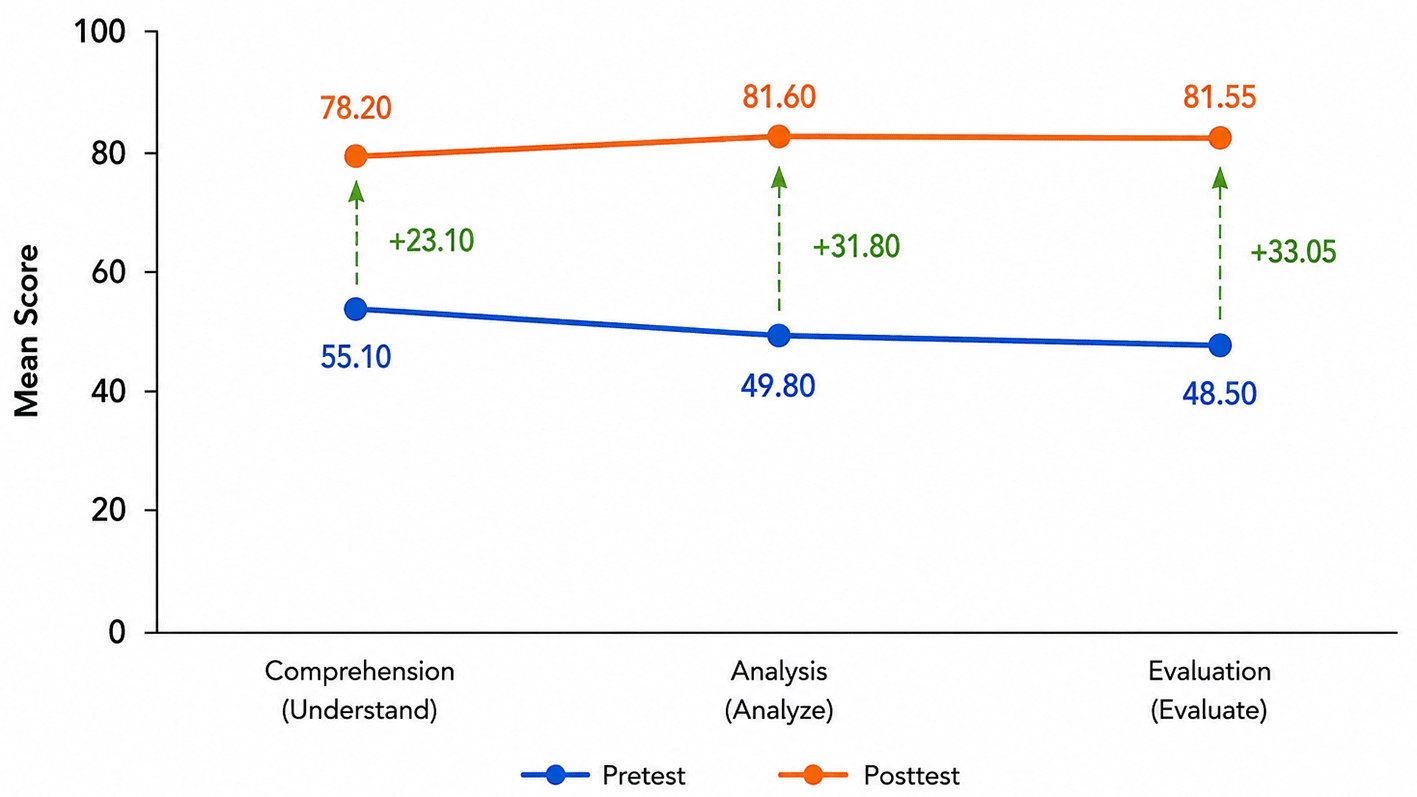
The figure compares pretest and posttest mean scores across comprehension, analysis, and evaluation dimensions. Dashed green indicators represent gain differences observed after the intervention.
These findings suggest that students initially experienced difficulty engaging with deeper analytical processing and critical interpretation in ESP reading tasks. After participating in the 16-session digital ESP intervention, posttest scores increased considerably to 78.20 in comprehension, 81.60 in analysis, and 81.55 in evaluation. The largest improvements occurred in the higher-order dimensions of analysis and evaluation, which exceeded the gains observed in basic comprehension. This pattern is particularly important because it indicates that the intervention did not merely improve surface understanding, but also strengthened students’ capacity for critical interpretation, reasoning, judgment, and analytical thinking. The green values in the figure represent the magnitude of improvement (gain scores) across dimensions. The gains were + 23.10 for comprehension, +31.80 for analysis, and + 33.05 for evaluation. These results reveal that cognitive growth became stronger as the cognitive demands increased, suggesting that the culturally contextualized ESP module effectively stimulated higher-order cognitive engagement.
The findings support the argument that cultural contextualization may function as a cognitive catalyst in digital ESP learning. By integrating culturally familiar content into analytical reading activities, students were better able to activate prior knowledge (schema activation), connect meaning with context, and engage in deeper reflective processing. Consequently, the intervention appears to facilitate not only linguistic comprehension but also cognitive transformation toward advanced analytical literacy.
The stronger performance growth in higher-order dimensions also suggests that culturally localized digital learning may support inferential depth and cognitive elaboration by activating relevant background knowledge structures. Such a pattern aligns with the proposition that cultural contextualization functions as a catalyst for higher-order processing rather than merely enhancing engagement or motivation. Overall, the findings indicate that the intervention successfully promoted a transition from basic comprehension toward analytical and evaluative reading, supporting the development of cognitively sophisticated engagement with ESP texts.
Importantly, the observed pattern of improvement suggests that the intervention functioned not merely as a reading support tool but as a cognitive transformation mechanism. The substantially stronger gains in higher-order dimensions indicate that cultural contextualization may facilitate deeper analytical processing by activating relevant schema and optimizing cognitive resource allocation. Here Figures 3, 4, and 5 provide further visual evidence supporting the cognitive impact of the culturally localized digital ESP intervention.
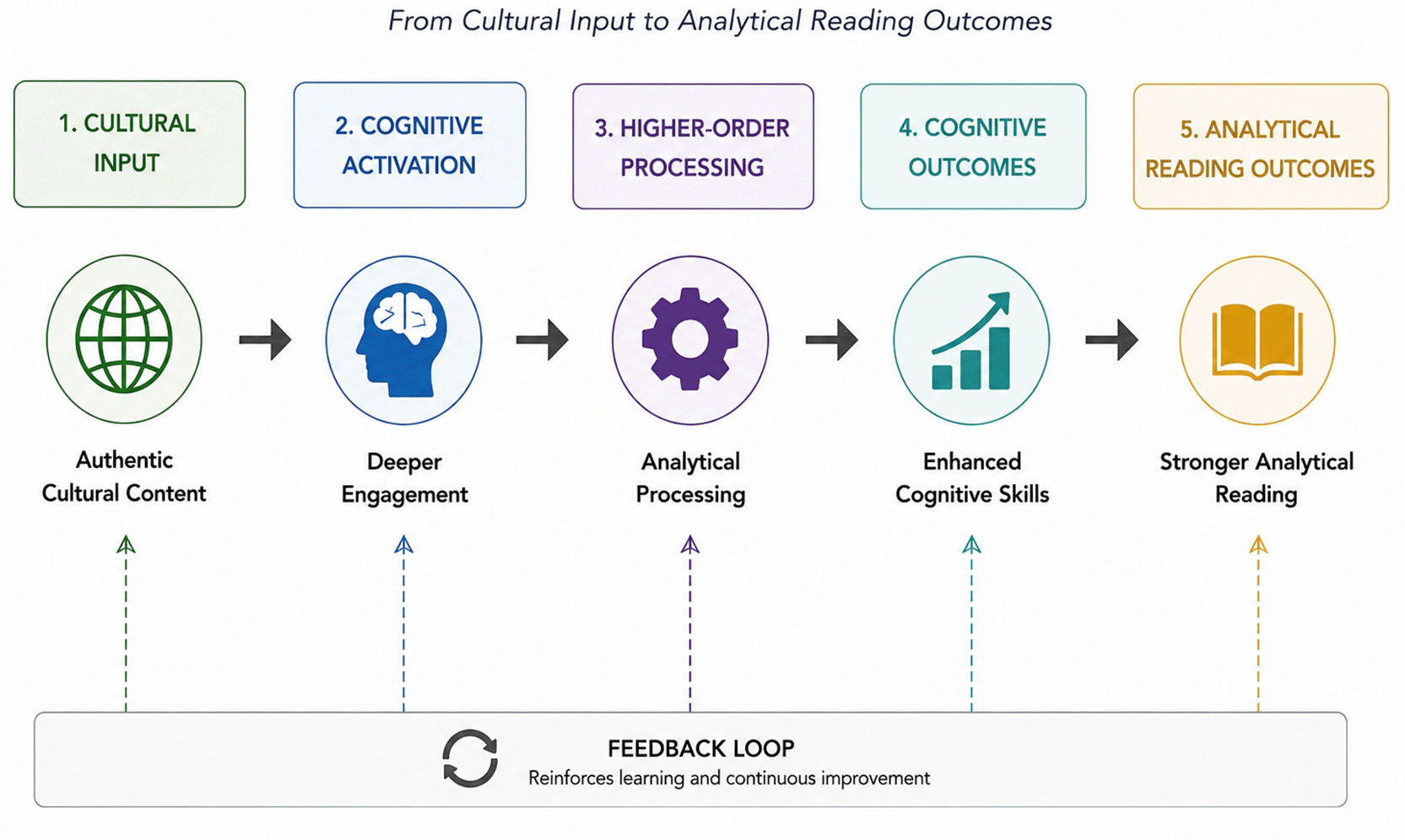
The figure illustrates the cognitive progression from cultural input to analytical reading outcomes through stages of cognitive activation, higher-order processing, and enhanced cognitive performance.
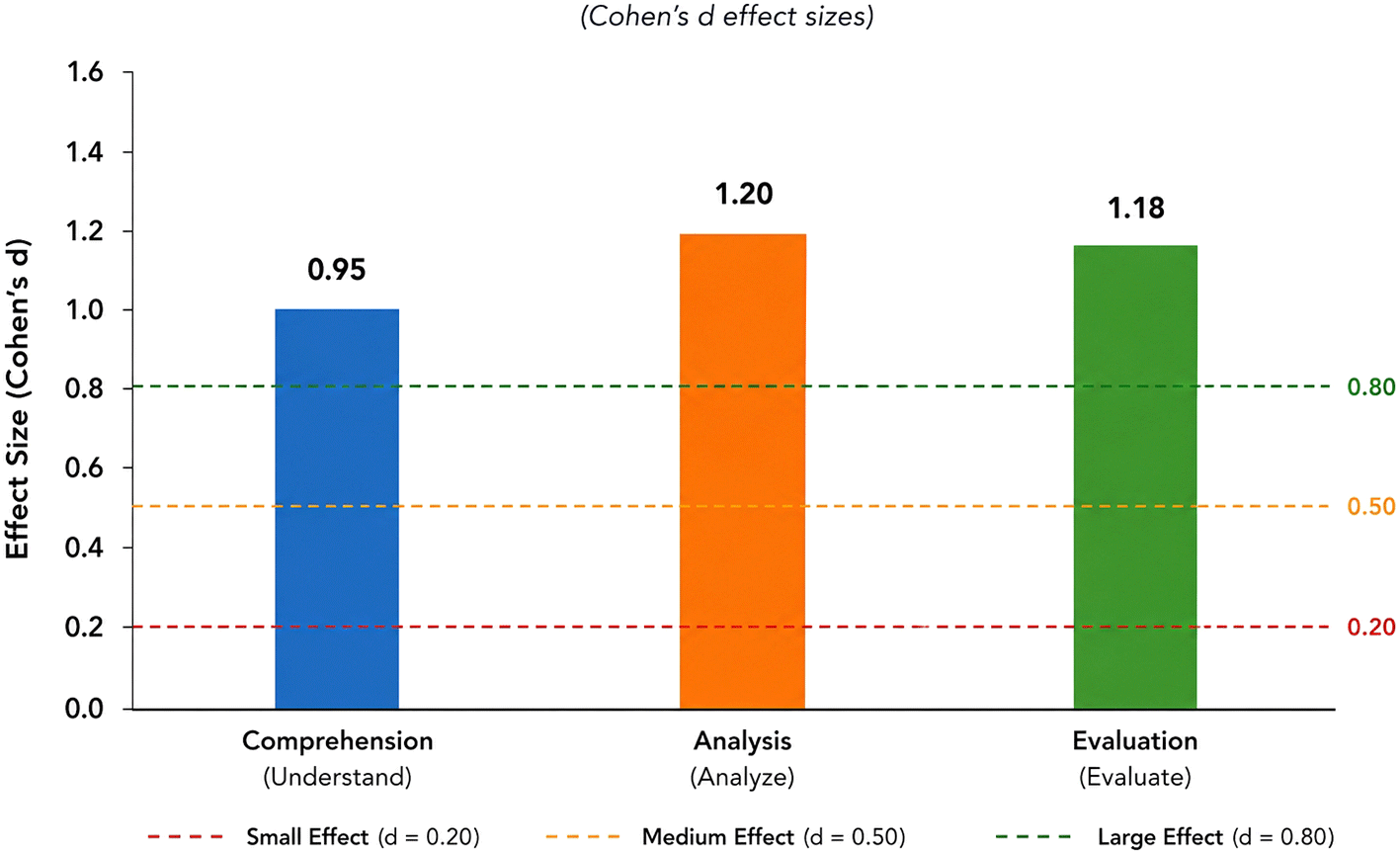
The figure presents Cohen’s d effect sizes for comprehension, analysis, and evaluation dimensions in relation to standard interpretation thresholds for small, medium, and large effects.
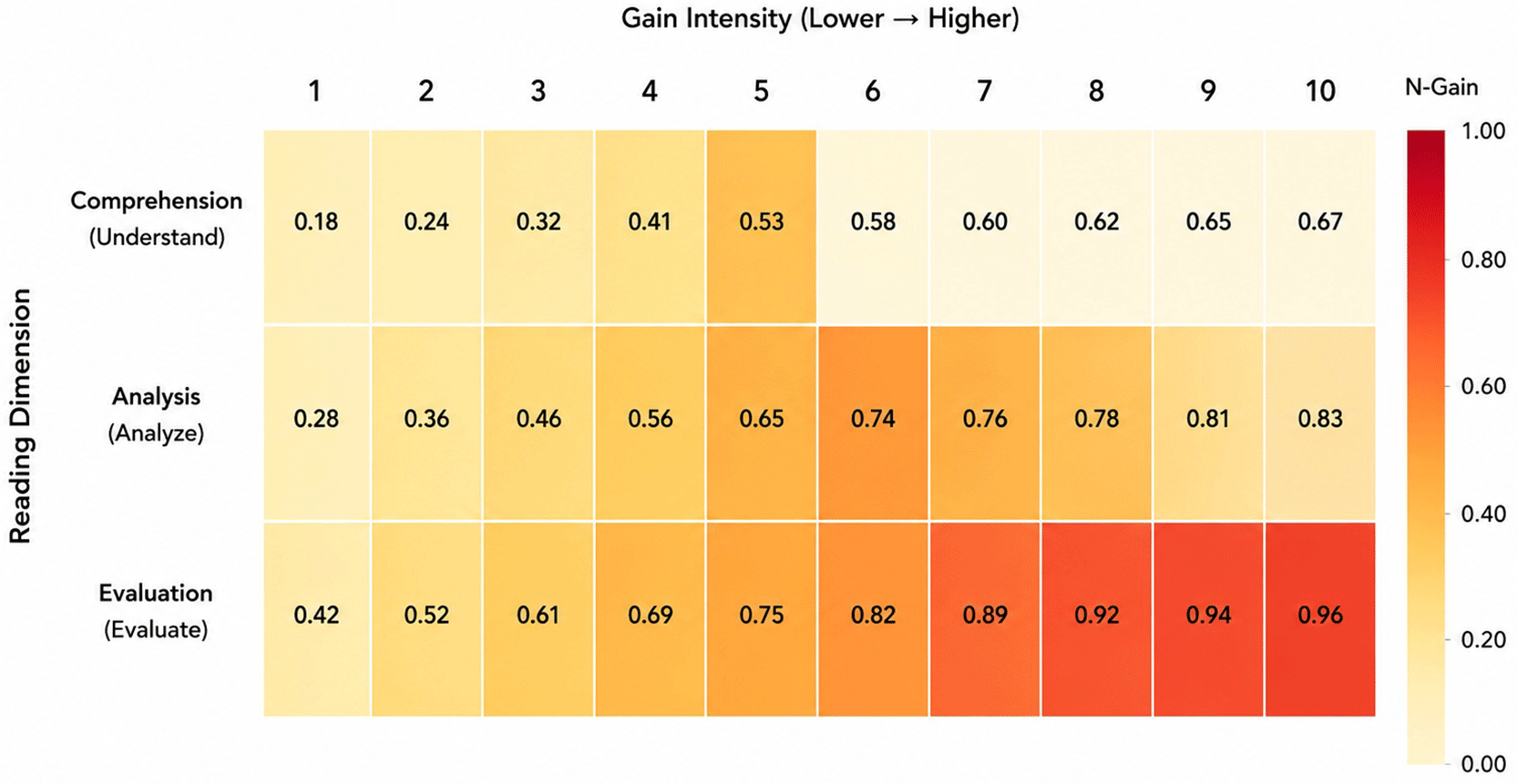
The heatmap visualizes the relative intensity of cognitive gains across comprehension, analysis, and evaluation dimensions using normalized gain distributions and color-gradient scaling.
Figure 3 illustrates the cognitive mechanisms underlying the observed improvement in the digital ESP intervention by demonstrating how culturally familiar content may activate prior knowledge structures, reduce interpretive ambiguity, optimize cognitive resource allocation, and facilitate higher-order analytical processing. This mechanism reinforces the proposition that cultural contextualization functions not merely as a contextual enhancement, but as a cognitive catalyst in digital ESP reading development.
Meanwhile, Figure 4 demonstrates that the strongest effects occurred in higher-order cognitive dimensions, particularly analysis and evaluation, both of which exceeded the threshold for very large effect sizes. This pattern indicates that the intervention disproportionately strengthened deeper cognitive engagement rather than only improving surface-level comprehension.
Complementing these findings, Figure 5 visually highlights the intensity of cognitive gains across dimensions through heatmap representation, further confirming that higher-order processing exhibited substantially greater improvement than basic comprehension. Collectively, these visual findings reinforce the interpretation that the intervention promoted a meaningful cognitive transformation from literal understanding toward analytical and evaluative reading engagement.
The findings indicate that the observed improvement in reading performance extended substantially beyond surface-level comprehension to encompass higher-order cognitive processing. This suggests that the intervention did not merely enhance learners’ ability to decode and understand texts but fundamentally reshaped how they engaged with disciplinary content. Rather than functioning as a tool for incremental improvement, the culturally localized digital ESP module appears to have facilitated a qualitative shift in reading behavior from passive comprehension toward active knowledge construction and critical engagement.
The large effect size (d = 1.16) suggests that the intervention did not produce marginal gains but rather induced a substantial shift in learners’ cognitive engagement. In educational research, effects of this magnitude are often associated with interventions that fundamentally alter learning processes rather than simply improving performance outcomes.
The magnitude of the observed effect (d = 1.16) exceeds the moderate gains typically reported in digital reading interventions (Delgado et al., 2018; Clinton, 2019), indicating that the impact of the present intervention is not easily explained by digital delivery alone. This divergence suggests that cultural contextualization may function as a cognitive catalyst, enhancing learners’ ability to process and interpret texts.
By embedding familiar cultural elements within instructional materials, the intervention likely activated learners’ prior knowledge structures, thereby facilitating deeper inferential processing and meaning construction (Carrell & Eisterhold, 1983). This finding challenges the prevailing assumption that technological enhancement is the primary driver of learning gains in digital environments, and instead highlights the critical role of epistemological alignment between instructional content and learner identity.
This finding contrasts with prior meta-analyses reporting average effect sizes ranging between 0.30 and 0.60 in digital reading interventions (Delgado et al., 2018; Clinton, 2019), positioning the present study well above the typical range. Such divergence suggests that the added value does not stem from digitalization per se, but from the integration of culturally meaningful content within the instructional design.
The stronger gains observed in higher-order cognitive dimensions (analysis and evaluation) further support the role of schema activation in reading comprehension. When learners encounter culturally familiar contexts, cognitive resources are less constrained by interpretive ambiguity, allowing greater attention to be allocated to inferential reasoning and critical evaluation. Furthermore, culturally familiar learning contexts may strengthen students’ cognitive engagement by promoting greater involvement and investment in learning activities, which in turn supports deeper processing and higher-order comprehension (Fredricks, 2016). This aligns with schema theory, which posits that comprehension is facilitated when new information is integrated with existing knowledge structures (Carrell & Eisterhold, 1983). In this study, culturally localized content appears to have reduced the cognitive distance between text and reader, thereby enabling deeper levels of interpretation and more sophisticated meaning construction. This finding positions cultural localization as a potential cognitive driver in digital ESP reading development rather than a purely contextual enhancement.
From a cognitive processing perspective, the stronger gains in analysis and evaluation suggest that schema activation may have reduced the cognitive effort required for basic comprehension, thereby freeing working memory resources for higher-order processing. This redistribution of cognitive resources aligns with cognitive load theory, where reduced extraneous load enhances germane processing.
From a cognitive load perspective, the structured design of the digital module likely minimized extraneous processing demands, allowing learners to allocate more cognitive resources to germane processing associated with higher-order thinking (Sweller, 2011; Mayer, 2021). Importantly, the integration of cultural context may have further contributed to cognitive efficiency by reducing the need for additional interpretive effort. In this sense, cultural alignment functions not only as a contextual enhancer but also as a cognitive load regulator, supporting more effective processing of complex disciplinary texts. The role of cultural alignment in reducing extraneous cognitive load has not been sufficiently emphasized in prior digital learning research. The present findings suggest that cultural familiarity functions not only as a contextual enhancer but as a structural component of cognitive efficiency.
When situated within the broader literature, the findings of this study present a notable divergence from the typical effect sizes reported in digital reading research. While previous studies often report moderate improvements, the large effect observed here suggests that instructional design particularly the integration of cultural context may play a more decisive role than previously acknowledged. This comparative positioning underscores the importance of moving beyond technology-centric perspectives and toward more holistic models that integrate cognitive, cultural, and pedagogical dimensions in digital ESP learning (Kukulska-Hulme & Shield, 2008; Shadiev et al., 2017; Shadiev & Yang, 2020). The argument is consistent with previous reviews indicating that emerging educational technologies, including intelligent conversational systems, often produce meaningful outcomes only when supported by sound pedagogical and cognitive design principles (Wollny et al., 2021). This finding has implications beyond ESP contexts, suggesting that culturally embedded instructional design may represent a scalable strategy for enhancing higher-order cognition in digital learning environments globally, such findings also contribute to broader discussions concerning the development of digital competencies in higher education, where effective learning increasingly depends on the integration of technological, cognitive, and contextual dimensions (Moreira-Choez et al., 2025) particularly in multilingual and multicultural educational settings.
This study advances the theoretical understanding of reading in ESP contexts by repositioning cultural contextualization from a peripheral or supplementary feature to a central cognitive mechanism. Rather than merely enhancing engagement or relevance, cultural alignment appears to facilitate deeper cognitive processing, particularly in higher-order dimensions such as analysis and evaluation. In doing so, the study proposes an integrative perspective in which reading, cognition, and culture are not treated as separate domains but as interdependent components of a unified learning process. This perspective contributes to ongoing debates in ESP and digital learning by emphasizing the role of epistemological alignment in shaping cognitive outcomes.
More importantly, the present findings challenge the prevailing assumption that improvements in digital reading are primarily driven by technological affordances. Instead, the results suggest that epistemological alignment particularly the integration of culturally meaningful contexts may play a more decisive role in shaping cognitive engagement. This shift in perspective calls for a re-examination of digital ESP design, moving beyond tool-centered approaches toward cognitively and culturally grounded instructional frameworks. The novelty of this study lies in repositioning culture from a peripheral pedagogical variable to a central cognitive mechanism that directly influences higher-order thinking outcomes.
Accordingly, this study proposes a cognitive–cultural perspective of digital ESP reading in which cultural familiarity is conceptualized as an epistemological resource that directly shapes cognitive depth, inferential processing, and higher-order engagement. This perspective extends beyond conventional technology-centered models and provides a new theoretical lens for understanding analytical reading development in multilingual and multicultural learning environments.
Despite the strong findings, this study has several limitations. First, the use of a one-group pretest–posttest design limits the ability to establish causal relationships, as the absence of a control group does not fully eliminate potential alternative explanations such as maturation or testing effects. However, the large effect size, narrow confidence intervals, and high statistical power reduce the likelihood that the observed gains occurred by chance.
Second, the study was conducted within a single institutional context, which may limit the generalizability of the findings to other educational settings or disciplines. Future research should employ controlled experimental designs, explore longitudinal retention of higher-order reading skills, and examine the scalability of culturally embedded ESP interventions across diverse contexts and learner populations.
The implications of these findings extend beyond Indonesian ESP contexts. In increasingly multicultural and multilingual educational environments, culturally grounded digital learning may represent a scalable strategy for enhancing higher-order cognition while simultaneously supporting contextual relevance and learner identity. This suggests that future digital ESP development should move beyond technology-centered innovation toward cognitively and culturally responsive instructional ecosystems.
This study demonstrates that culturally localized digital ESP modules can produce substantial improvements in analytical reading competence, extending beyond basic comprehension to higher-order cognitive processing. The findings provide robust empirical evidence that cultural contextualization functions not merely as a pedagogical enhancement but as a cognitive mechanism that facilitates deeper engagement with disciplinary texts. By integrating cultural schema with cognitively structured digital design, this study advances an alternative perspective on ESP reading development one that positions culture, cognition, and instructional design as interdependent rather than isolated components. While the absence of a control group limits causal generalization, the magnitude of effect, consistency of results, and strength of statistical indicators support the robustness of the findings. Future research should investigate the long-term sustainability of these gains, explore cross-disciplinary applications, and further examine how culturally embedded instructional design can be systematically scaled in global ESP contexts. These findings suggest that culturally grounded digital ESP design may represent an emerging paradigm for fostering higher-order cognition in multilingual learning environments.
| Views | Downloads | |
|---|---|---|
| F1000Research | - | - |
|
PubMed Central
Data from PMC are received and updated monthly.
|
- | - |
Provide sufficient details of any financial or non-financial competing interests to enable users to assess whether your comments might lead a reasonable person to question your impartiality. Consider the following examples, but note that this is not an exhaustive list:
Sign up for content alerts and receive a weekly or monthly email with all newly published articles
Already registered? Sign in
The email address should be the one you originally registered with F1000.
You registered with F1000 via Google, so we cannot reset your password.
To sign in, please click here.
If you still need help with your Google account password, please click here.
You registered with F1000 via Facebook, so we cannot reset your password.
To sign in, please click here.
If you still need help with your Facebook account password, please click here.
If your email address is registered with us, we will email you instructions to reset your password.
If you think you should have received this email but it has not arrived, please check your spam filters and/or contact for further assistance.

Comments on this article Comments (0)