Keywords
Electric bicycle conversion, Hybrid labs, Project-based learning, STEM education, Sustainability

Electric bicycle conversion, Hybrid labs, Project-based learning, STEM education, Sustainability
The paradigm shift in 21st-century education requires learning models that not only emphasize knowledge mastery but also the development of higher-order thinking skills, collaboration, and sustainability literacy. In a global context marked by rapid technological transformation and climate crises, education is required to provide authentic learning experiences that are relevant to real societal challenges (Awamleh, 2024; Gao et al., 2024). One widely recommended approach is Project-Based Learning (PBL), which enables students to integrate theory with practice while simultaneously building technical, social, and reflective skills (Asare et al., 2025; Davletova et al., 2025). Previous literature has confirmed the effectiveness of PBL in enhancing motivation, conceptual understanding, and problem-solving skills (de la Puente Pacheco et al., 2019; Hamidani et al., 2025). PBL is also seen as being able to expand student engagement through learning experiences based on digital technology, renewable energy, and socio-cultural issues (Castillo-González & González-Argote, 2024; M. Chen, 2024). However, its implementation still faces various obstacles, ranging from limited resources, curriculum rigidity, to disparities in access between educational institutions (Razali et al., 2024). Therefore, innovative learning media are needed that can bridge theory with practice while strengthening the social relevance of education.
Within this framework, e-bike conversion emerges as a unique PBL medium because it integrates the dimensions of engineering, renewable energy, and sustainability (Nikolaev et al., 2024; Olitsky, 2024). This project requires technical skills in system design and integration, a conceptual understanding of energy and mobility, and social awareness of the importance of transitioning to environmentally friendly transportation. Previous research has shown that electric vehicle and renewable energy projects can enhance students’ technical skills, collaboration skills, and entrepreneurial orientation (Nikolaev et al., 2024). At the secondary school level, PBL-based mobility experiments have also been shown to strengthen critical thinking skills and understanding of energy concepts (Carvalho et al., 2024; Cima et al., 2025). Meanwhile, in a community context, e-bike-based initiatives can promote inclusivity, intergenerational solidarity, and local economic impact.
However, studies on electric bicycle conversion as a PBL medium are still sporadic, fragmented, and limited to specific cases. There has been no systematic review that identifies research trends, adoption patterns, learning outcomes, implementation challenges, and future opportunities on this topic. However, a comprehensive mapping is crucial to understanding the position of electric bicycle conversion in the educational innovation landscape, as well as providing direction for policy, practice, and further research. Therefore, this study aims to present a systematic review of the implementation of electric bicycle conversion as a PBL medium. Specifically, this study focuses on four main aspects: (1) the latest trends and applications of electric bicycle conversion-based PBL; (2) variations in adoption and implementation design across educational contexts; (3) the resulting learning outcomes, including cognitive, technical, and 21st-century skills; and (4) the identified challenges, limitations, and future opportunities. Thus, this study is expected to provide conceptual and practical contributions to the development of PBL that is more inclusive, transformative, and oriented towards global sustainability.
Project-Based Learning (PBL) is an effective pedagogical approach to developing critical thinking skills, problem-solving skills, and collaboration (Hughes & Afrin, 2024; Razali et al., 2024). This learning model provides an authentic learning experience by connecting theory and practice in a real way (Carvalho et al., 2024; Kumar & Sajjan, 2024). Compared with traditional learning methods, PBL has been proven to be more capable of developing higher-order thinking skills, while increasing learning motivation (Pamungkas et al., 2025; Yao, 2025). In addition, the application of technology in PBL provides significant added value because it can enrich students’ learning experiences and expand the learning context in a more innovative direction (Cima et al., 2025).
As it evolves, PBL is increasingly enriched with various technologies, from robotics and the Internet of Things (IoT) to renewable energy. This technological integration provides students with the opportunity to hone their professional competencies by completing authentic assignments that mimic real-world challenges (Kraśniewski, 2025; Tsai, 2024). However, the implementation of technology-based PBL also faces various obstacles, such as limited laboratory facilities, high costs, and unequal access to resources between educational institutions (Amador Nelke et al., 2024; Habibi et al., 2025). At secondary and vocational education levels, although it has been proven effective in improving students’ conceptual understanding and analytical skills, the implementation of PBL is still hampered by the rigidity of the curriculum and the limited readiness of educators.
The increasing global attention to sustainability issues positions PBL as a relevant approach to integrating social, economic, and environmental dimensions into the learning experience (Espino-Díaz et al., 2025; Guerra et al., 2025). Through project-based learning design, students not only build academic competencies, but also critical awareness of the sustainable development agenda (Caprari et al., 2024; Guerra et al., 2025). PBL in this case functions not only as a pedagogical strategy, but also as a vehicle for social transformation that bridges educational interests with the real needs of society and global challenges.
Electric bicycle conversion emerged as a unique PBL medium because it combined technical skills with an awareness of the importance of sustainability. This project required students to master design and engineering aspects while internalizing the values of a green energy transition (Huang, 2022; Mani, 2024). At the higher education level, the implementation of electric bicycle conversion has been proven to increase learning motivation, technical skills, and entrepreneurial orientation (Lin, 2022). Meanwhile, in secondary education, mobility-based experimental activities can strengthen critical thinking skills and conceptual understanding (Lin, 2022). In a community context, this initiative even contributes to social inclusivity, intergenerational solidarity, and local economic impact. However, the existing literature remains fragmented and relatively limited, necessitating a systematic review to map trends, learning outcomes, challenges, and future opportunities from implementing electric bicycle conversion as a PBL medium.
This systematic literature review aims to identify motivational trends and uncover gaps within the existing body of research. Accordingly, the study seeks to address the following questions.
RQ1: What emerging trends and applications in technology-enhanced project-based learning have been reported between 2020 and 2025, with a particular focus on electric bicycle conversion projects?
RQ2: In what ways has electric bicycle conversion been adopted and designed as a project-based learning (PBL) media across different educational contexts?
RQ3: What types of learning outcomes, cognitive, technical, and 21st-century skills are associated with the integration of electric bicycle conversion in PBL?
RQ4: What are the key challenges, limitations, and future opportunities identified in implementing electric bicycle conversion as a PBL media in education?
This study uses a Systematic Literature Review (SLR) approach combined with bibliometric analysis and qualitative content analysis to examine the implementation of e-bike conversion as a Project-Based Learning (PBL) medium in various educational contexts. This integrative approach was chosen because it provides a macro overview of research trends as well as an in-depth interpretation of thematic developments (Asamoah et al., 2024; Darwin, 2024; Etemadfar, 2020; Kholid, 2024).
Data collection for this study was conducted through two reputable international databases: Scopus and Web of Science (WoS). These two databases were chosen because they offer extensive coverage of scientific literature and strict article selection standards, ensuring the quality and credibility of the publications analyzed (Albuquerque & Gomes dos Santos, 2024; Bristi et al., 2025; Zhao & Selvaratnam, 2024). The search was conducted on June 30, 2025, with a publication period of January 2020 to June 2025, in line with the increasing global attention to sustainability-based pedagogical innovations over the past five years. The search strategy was formulated using three main strings linking the topic of electric bicycle conversion to the Project-Based Learning (PBL) framework and STEM education, as summarized in Table 1.
The initial search yielded 1,268 articles (923 from Scopus and 345 from WoS). After removing 240 duplicates, 1,028 articles were screened based on title and abstract. At this stage, 742 articles were eliminated because they did not meet the topic criteria (not related to PBL, not focused on electric bicycle conversion, or only discussing technical aspects). This left 286 articles submitted for full review. Of these 286 articles, 20 were inaccessible. Furthermore, 266 articles were successfully reviewed in full. After the eligibility assessment process, 245 articles were eliminated because they did not meet the inclusion criteria, resulting in 21 articles being deemed eligible for further analysis. To clarify the selection procedure, the inclusion and exclusion criteria shown in Table 2 were used.
The entire process of identification, screening, and assessment of article eligibility follows the PRISMA 2020 protocol (Albuquerque & Gomes dos Santos, 2024; Fitriyah et al., 2025; Zhao & Selvaratnam, 2024) to ensure transparency and replication. The PRISMA flowchart ( Figure 1) details the selection steps taken to obtain the final 21 articles for analysis.
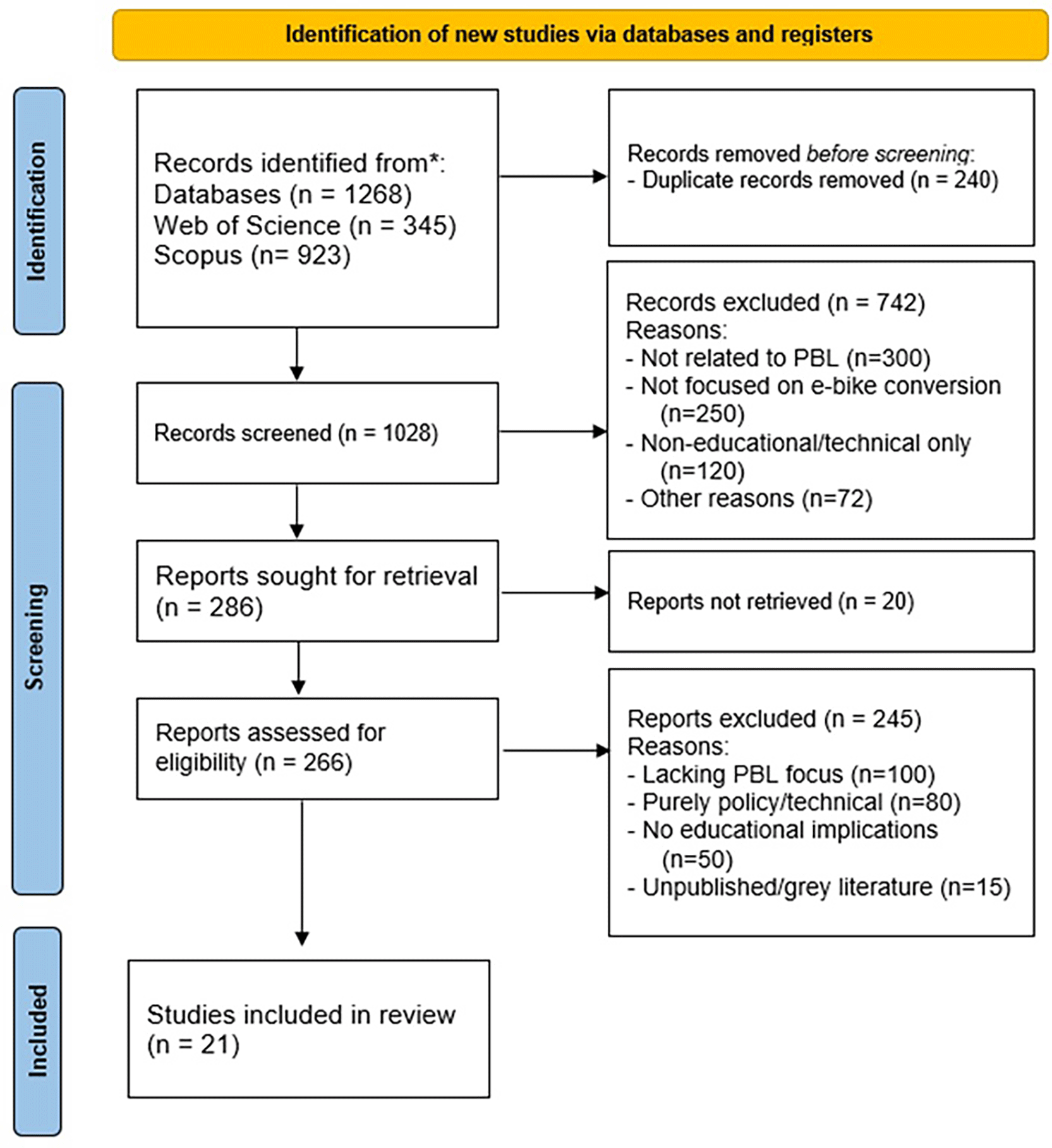
Article selection is carried out by following the PRISMA 2020 guidelines to ensure transparency and traceability of the review process (Gao et al., 2024; Wang, 2021; Widowati & Tyas, 2024). An initial search of the Scopus and Web of Science databases yielded 1,268 articles, which after deduplication was reduced to 1,028. A screening phase based on titles and abstracts eliminated 742 articles for being irrelevant to Project-Based Learning (PBL) or electric bicycle conversion, and for being purely technical in nature without an educational dimension. A total of 286 articles were then reviewed in full text. Of these, 20 were inaccessible, while 245 were eliminated for not meeting eligibility criteria, including insufficient focus on PBL or lack of educational implications. Ultimately, 21 articles were deemed eligible and included in the final analysis. This selection process is visualized in the PRISMA diagram in Figure 1, which systematically shows the identification, screening, eligibility, and inclusion process.
Data analysis was conducted by combining bibliometrics and qualitative content analysis. Bibliometric analysis was conducted using the Bibliometrix R-package to map publication trends, country productivity, author collaboration networks, and thematic structures. Quantitative indicators analyzed included the number of publications, annual growth, average citations, and the proportion of international collaborations. Furthermore, qualitative content analysis was applied to 21 selected articles to identify PBL designs, learning outcomes, and reported challenges and opportunities. This process was conducted using thematic coding techniques (Almulla, 2023; Bristi et al., 2025; Gayed, 2025), where initial results were categorized and then synthesized into key themes, which were then triangulated with bibliometric findings. Thus, the integration of quantitative and qualitative analyses provides a comprehensive understanding of the position of electric bicycle conversion within the technology-based PBL landscape.
To ensure methodological rigor, this study applied the principles of rigor and reliability at every stage. The article selection process was conducted by two researchers independently, with an inter-coder agreement rate of 92%, and discrepancies in the screening results were resolved through joint discussion. This step ensured consistency and minimized subjective bias in study selection. Furthermore, the use of the PRISMA 2020 protocol enhanced the transparency and traceability of the review process, while the combination of bibliometric analysis and qualitative content provided triangulative validity (Y. Chen, 2015; Nicholus, 2024). Visualization of results in the form of PRISMA diagrams, collaboration maps, and thematic maps was also used to clarify the results and improve replication of future research (Widowati & Tyas, 2024). Thus, the methodology applied has a high degree of reliability and complies with the systematic standards required in reputable international publications.
The bibliometric analysis in Table 3 shows that research on technology-enhanced project-based learning with a focus on electric bicycle conversion is still in its early stages, with a total of 21 documents published in 12 sources in the 2021–2025 period. Although the annual growth rate shows a negative trend (−6.94%), the young average age of the documents (1.86 years) and the relatively high average citation rate (8,095 per article) confirm that this topic is attracting attention from the academic community. The presence of 136 Plus Keywords and 21 Author Keywords also demonstrates the broad scope of research, ranging from electric mobility to engineering pedagogy, positioning electric bicycle conversion not only as a technical innovation but also as an interdisciplinary learning medium oriented towards sustainability.
From a collaboration perspective, the involvement of 74 authors with an average of 3.52 collaborators per article, as well as 19.05% international publications, demonstrates a strong trend toward multidisciplinary and transnational research. The fact that all publications are scholarly articles confirms academic legitimacy and places the topic within the realm of serious formal research. Overall, despite the limited literature base, the indicators in Table 3 reflect the typical characteristics of a frontier research field: new, dynamic, receiving international attention, and rich potential to develop into a global trend in project-based STEM education.
Figure 2 shows the distribution of related scientific productionTechnology-enhanced project-based learning focused on electric bicycle conversions in various countries. Germany topped the list with 11 publications, followed by Italy (10), Switzerland (8), and the Netherlands (6). The dominance of these Western European countries indicates a well-established research ecosystem for integrating sustainable technologies into project-based education. These countries have strong traditions in engineering and renewable energy, making it natural for them to utilize electric bicycle conversions as an authentic medium to support STEM learning and build sustainability awareness among students.
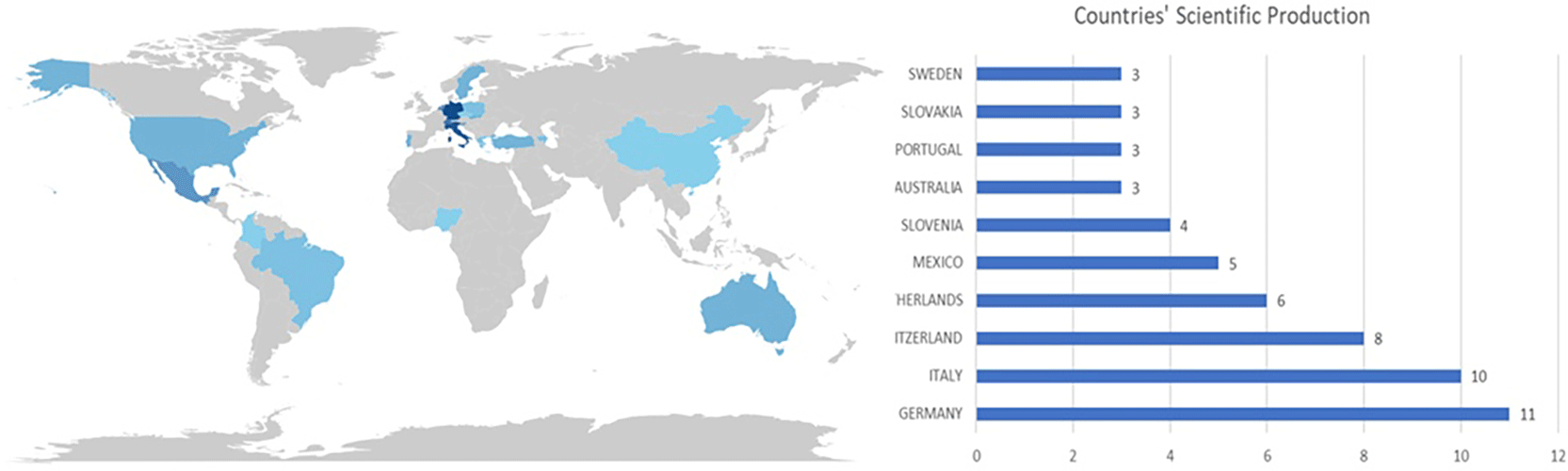
In addition to Europe, contributions from Mexico (5), Slovenia (4), and Australia, Portugal, Slovakia, and Sweden (3 each) demonstrate a global diffusion of interest. This indicates that research trends are no longer exclusive to developed countries, but are also beginning to develop in countries with diverse educational and social contexts. The participation of non-European countries strengthens the position of the e-bike conversion project as a topic of cross-cultural relevance, with potential for adaptation across different educational systems. Overall, this distribution map confirms that e-bike conversion has become a bridge between the global issue of sustainable mobility and innovation in PBL pedagogy at the international level.
Figure 3 confirms that publication productivity in key countries is supported by distinct collaboration patterns. Germany, Italy, and the Netherlands emerge as the countries with the highest number of documents, with the majority of publications originating from international collaborations (MCPs). This indicates that research on electric bicycle conversion as a project-based learning (PBL) medium is not only built on national capacity but also through global networks involving cross-disciplinary expertise. This pattern demonstrates that the development of innovative learning media such as electric bicycle conversion requires multidisciplinary contributions from the fields of electrical engineering, renewable energy, and educational pedagogy.
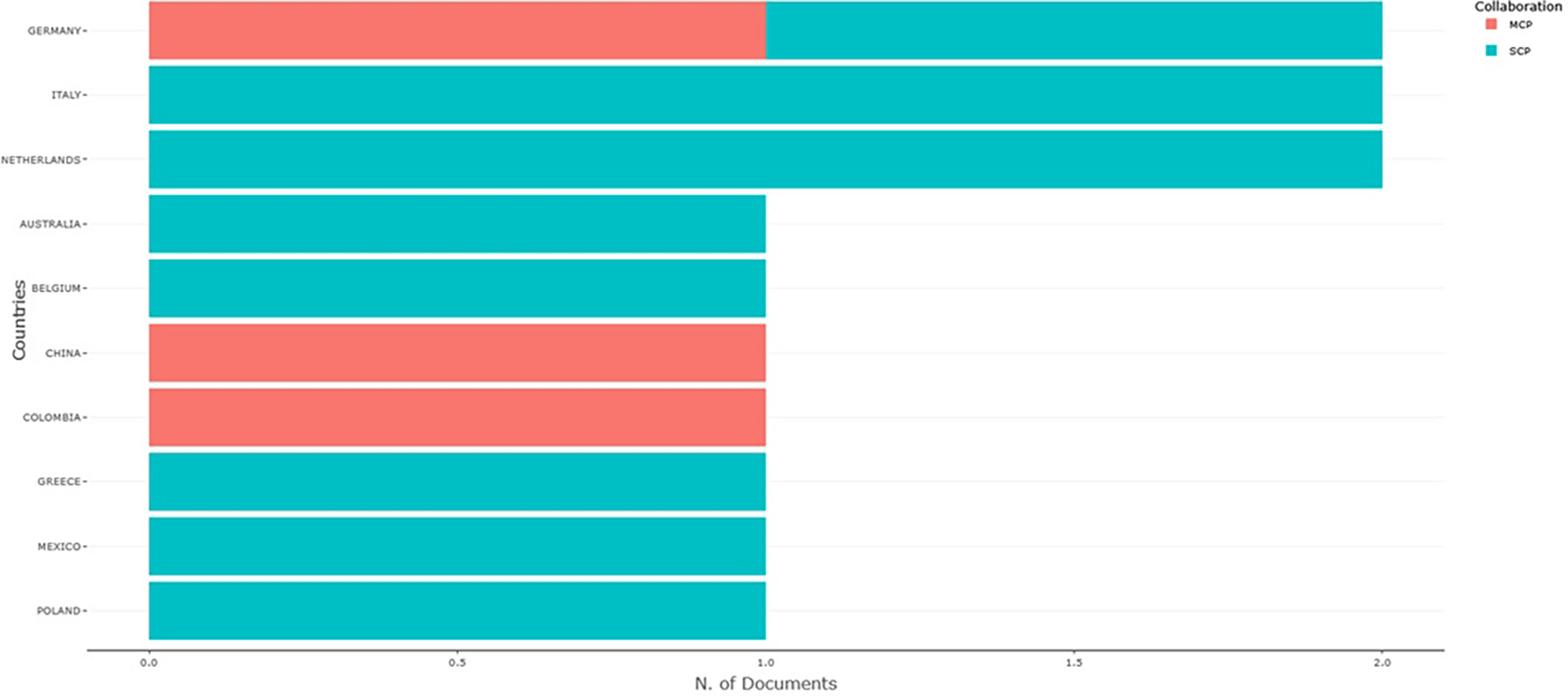
In contrast, countries like Australia, Mexico, and Poland predominantly produce publications with a domestic focus (SCP), although they still show potential for connecting with global networks. Meanwhile, the presence of non-European countries like Colombia and Greece broadens the scope of collaboration, confirming that this research trend is inclusive and beginning to reach educational contexts in Latin America and Southern Europe. Overall, the intensity of international collaboration on this topic points to a clear direction: the conversion of electric bicycles as a PBL medium is increasingly seen as a cross-border issue, where the integration of global knowledge is key to strengthening its relevance and impact in sustainability-oriented STEM education.
Figure 4 shows the thematic structure of the study, which divides the main issues into four categories: motor themes, basic themes, niche themes, and emerging/declining themes. Central themes with high levels of relevance and development, such as “infrastructure European vehicles” and “providing travel in the EU,” emphasize that electric bicycle conversion projects have been closely linked to the sustainable mobility agenda in Europe. These themes are motor themes because they address not only the technical aspects of conversion but also their relationship to green transportation and infrastructure policies, making them relevant as a technology-enhanced project-based learning model that supports students’ understanding at the macro level.
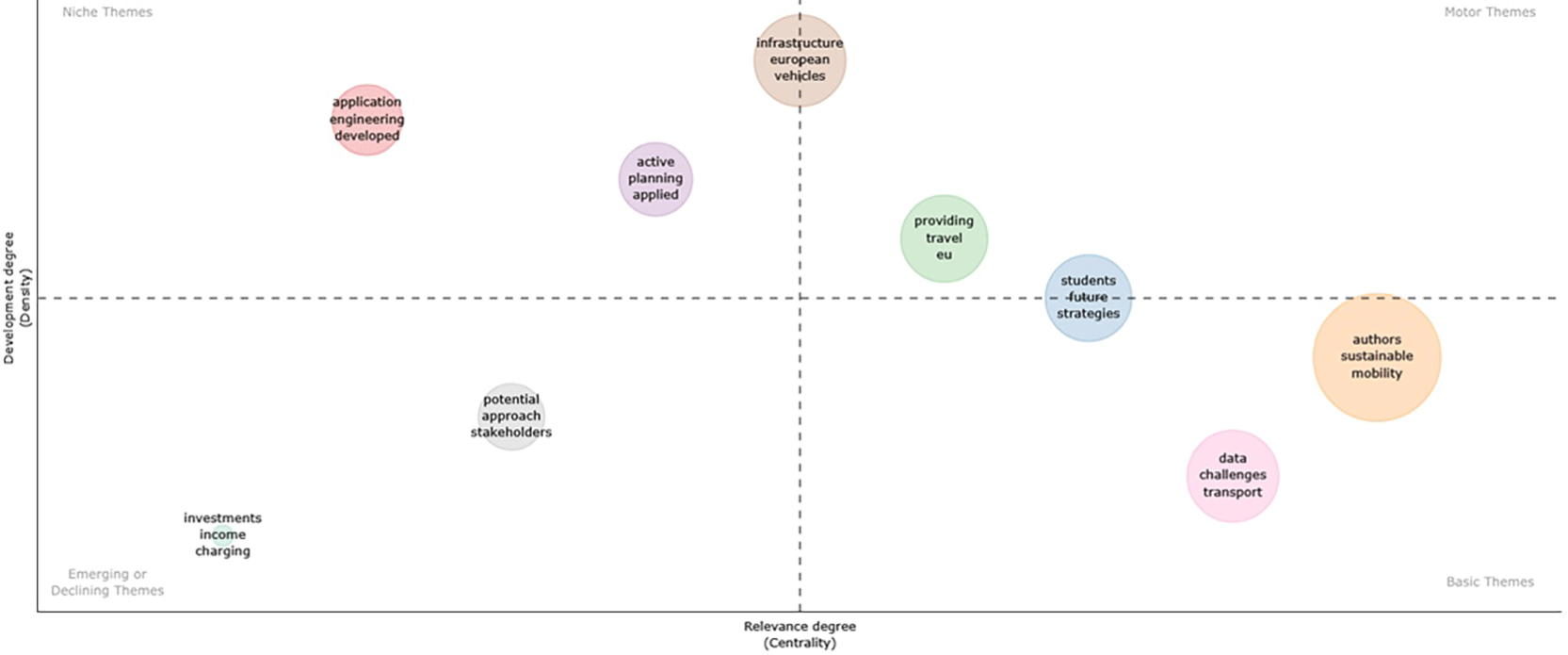
On the other hand, basic themes such as “authors sustainable mobility” and “students – future – strategies” occupy fundamental positions, indicating that the literature consistently highlights the role of electric bicycle conversion projects in building sustainability awareness and long-term educational strategies. The theme “application engineering developed” emerged as a niche theme that focuses on practical engineering aspects and can be a vehicle for strengthening students’ technical skills in PBL. Meanwhile, topics such as “investments income charging” appear as emerging or declining themes, indicating areas that are still limited but have the potential to grow, for example in the context of integrating smart charging systems into the curriculum. Overall, this thematic map indicates that research trends are moving from mere technical experiments to a broader approach connecting engineering aspects, sustainability policies, and pedagogical strategies, thus strengthening the position of electric bicycle conversion as a new frontier in technology-based PBL.
The adoption and design of electric bicycle conversions as a project-based learning (PBL) medium varies widely across educational contexts, from secondary schools and vocational education to higher education and community-based learning. In higher education, particularly in engineering and technology, electric mobility projects are integrated as capstone assignments and applied learning, requiring students to develop concrete prototypes based on renewable energy. The results not only enhance motivation, technical skills, teamwork, and entrepreneurial orientation, but also present challenges such as limited access to materials, reliance on simulations rather than real-world laboratories, and communication difficulties with mentors.
At the vocational and secondary education levels, PBL is more directed at connecting theory with authentic practice. In TVET, the application of real-world engineering assignments has been shown to strengthen students’ problem-solving, collaboration, and applied skills, while in secondary schools, physics experiments based on mobility problems enhance conceptual understanding and critical thinking skills. However, constraints such as limited facilities, curriculum rigidity, and uneven student preparedness remain major obstacles. In the context of transdisciplinary and international collaboration, electric bicycle conversion projects and sustainable mobility issues are positioned as cross-cultural learning platforms oriented toward the Sustainable Development Goals (SDGs). Through learning labs that bring together students from the Global North and Global South, this challenge-based learning has successfully fostered intercultural competency, sustainability awareness, and collaborative skills. However, differences in institutional capacity, limited resources, and asymmetry in partnerships remain recurring obstacles.
Similar adoption has also emerged in informal, community-based contexts. Volunteer initiatives such as greenway reuse and eco-friendly transportation programs demonstrate how PBL can foster inclusivity, intergenerational bonding, and local economic impact. However, reliance on volunteer labor, uncertain environmental conditions, and weak stakeholder coordination limit their sustainability. Overall, the results summarized in Table 4 highlight four key PBL design characteristics of the e-bike conversion project: (1) authenticity, with an emphasis on solving real-world challenges; (2) collaboration, both within academic and community settings; (3) integration of sustainability, encompassing renewable energy, climate mitigation, and social values; and (4) scalability challenges, particularly related to resources, curriculum, and program sustainability. In terms of learning outcomes, the e-bike conversion project not only improved cognitive skills such as problem-solving, critical thinking, and the application of engineering competencies, but also strengthened affective and social aspects such as motivation, sustainability awareness, intercultural competency, and cross-disciplinary teamwork skills.
| No | Author & Year | Country/region | Education level | Methodology | PBL Design & implementation | Learning outcomes | Challenges & limitations | Future opportunities |
|---|---|---|---|---|---|---|---|---|
| 1 | Akse, R., Ritter, S., Veeneman, W., & Marchau, V. (2025) | Netherlands | Higher Education & Professionals | Experimental Serious Game (control vs intervention) | PBL-like game-based; negotiation game on sustainable mobility plan under uncertainty | Improved collaboration & adaptive mindset, synergies identified | Small sample size, artificiality of game, competitive behavior persisted in control | Scale to real-world decisions, replicate in diverse cultural contexts |
| 2 | Junaid et al., 2025 | Europe (Denmark, Scotland, Ireland, Germany) | Non-formal/Community | Literature review + holistic case studies | community-led mobility initiatives (volunteer-based, service-to-people, greenways reuse) | Increased inclusivity, intergenerational bonding, improved access & local economic impact | Reliance on volunteers, weather challenges, stakeholder coordination gaps | Develop integrative frameworks, tailor-made strategies, open toolbox for replication |
| 3 | Kou, G., Eti, S., Yüksel, S., Dinçer, H., Ergün, E., & Gökalp, E. (2025) | China, Turkey, Azerbaijan | Non-formal/Community | AI-based fuzzy MCDM (CRITIC + RATGOS) | modeling financing strategies for EV charging infrastructure | Identified potential income as key criterion, blockchain technology as most sustainable strategy | Limited scope (only EV charging context), need broader validation | Extend to other technologies & policy scenarios, test robustness with alternative weightings |
| 4 | Eti, Yüksel, Dinçer, Ergün, & Gökalp (2025), | China, Turkey, Azerbaijan | Not related to formal education | AI-based fuzzy MCDM (CRITIC + RATGOS) | EV charging infrastructure financing strategy modeling | Most important factors: potential income; sustainable option: blockchain technology | Limited to EV charging context; requires validation & sensitivity testing | Expand to other technologies/policies; test alternative methods for robustness |
| 5 | Tagliapietra, (2024) | European Union (Brussels, Italy) | Not in formal education (policy/economy) | Institutional & economic analysis; comparative policy | €300 billion Global Gateway initiative (digital, energy, transport, health, education) | Can promote sustainable development in the Global South; support EU industrial policy | Policy fragmentation; skepticism of private investment crowding-in; partner country debt risks | Need for “Team Europe” synergy, education integration, green & digital transition, Africa opportunities as the main focus |
| 6 | Gunes, Fried, & Goodchild (2024) | USA (Seattle, Washington) | Not related to formal education | Empirical pilot study + stakeholder workshop | pilot microhub & e-cargo tricycle | E-cargo cycle reduces CO2 per package by up to 73% (depending on stem share) | Challenges: limited infrastructure, resupply integration, driver training | Multi-microhub scale, eco-friendly middle-mile, value-added services |
| 7 | Ploegmakers & Lagendijk, (2024) | Netherlands | Not related to formal education (focus on transport policy) | Qualitative Comparative Analysis (QCA) of 53 express bikeway projects | diffusion analysis of express bikeways policy | Three paths to success: (1) state subsidy + coordinator, (2) low-hanging fruit pilot, (3) single-municipality project | Barriers: lack of subsidies, lack of coordination, over-ambition (e.g. F35 bikeway) | Opportunities: regional collaboration, cross-regional policy learning, EBR replication for sustainable mobility |
| 8 | Rogelj et al., (2024) | Europe (Netherlands, Germany, etc.) | Not in formal education | Policy & discourse analysis; comparative urban mobility studies | study of the concept of “experiments” in urban mobility innovation | Transportation experiments generate niche innovation and legitimacy of new policies | Experiments often get stuck in “pilotitis” where scaling and institutionalization are difficult. | Opportunity: more inclusive experimental designs, linking them to long-term structural policies |
| 9 | Morfoulaki & Chatziathanasiou, (2024) | Global (multi-region: Asia, Europe, Africa) | Not in formal education | Interdisciplinary review + scenario analysis (climate & transport policy) | analysis of low carbon transport integration in the context of global urbanization | Low carbon transport makes a major contribution to climate mitigation and urban quality of life. | Barriers: infrastructure lock-in, policy gaps, transition costs | Opportunities: synergy of green transport with SDGs, energy–mobility–urban integration |
| 10 | Molinari & Bernardinis, (2024) | Global (focus on developed & developing cities) | Not in formal education | Literature review + policy analysis | study of car-dependent societies & transportation transition | Uncovering the car dependency trap is a major challenge in the transition to sustainable transport. | Barriers: car dominance, political resistance, policy fragmentation | Opportunities: redefinition of urban space, car restriction policies, investment in alternative active transport |
| 11 | Müller et al., (2024) | Malaysia | Higher Education (Engineering, TVET) | Mixed-method (survey, case analysis) | Integration of PBL in TVET with real-world engineering tasks | Improved problem-solving, teamwork, and application of engineering knowledge | Limited resources, variability in student readiness, time constraints | Scaling PBL into broader TVET curriculum, industry collaboration |
| 12 | Jalón Oyarzun et al., (2023) | Turkey | Secondary Education (High School Physics) | Qualitative case study | PBL is implemented through physics experiments and real-life problem scenarios | Enhanced conceptual understanding, critical thinking, and engagement | Teacher training needs, curriculum rigidity, limited lab equipment | Expanding PBL to nationwide curriculum, teacher professional development |
| 13 | Ariza, (2023) | Colombia & Nigeria | Higher Education (Engineering, Technology in Electronics) | Project-Based Learning (capstone projects, industry-academia collaboration) | Development of Electric Vehicle EOLO with solar and wind energy systems, 12 students involved | Increased motivation, applied learning in renewable energy, teamwork skills, entrepreneurship | Communication gaps with tutors, difficulty obtaining materials, small group size | Strengthening industry-academia partnerships, refining project scope, expanding ESD in engineering curriculum |
| 14 | Friman et al., (2023) | Sweden | Higher Education & Public Transport Sector | Longitudinal Case Study (10+ years; interviews, docs) | Collaboration institutionalization (joint efforts, parallel projects, loops) | Built trust, stronger collaboration capacity, improved knowledge transfer | Communication gaps, lack of shared collaboration meaning, funding/time constraints | Institutionalize collab practices, cluster projects, expand academia–practice partnerships |
| 15 | Cieśla & Macioszek, (2022) | Norway (Oslo), Germany | Higher Education (Sustainability & Policy) | Comparative policy analysis + scenario approach | Focus on “sustainable welfare” transition & mobility | Identifies synergies between welfare state & low-carbon transitions | Challenges: political resistance, fragmented policy domains | Future research on integrating mobility, housing & welfare policies |
| 16 | Keller et al., (2022) | USA (Denver), India, Netherlands | Higher Education & Policy Research | Mixed-method: urban case studies + climate adaptation analysis | Urban sustainability & climate resilience frameworks | Framework shows the importance of governance, equity, and citizen involvement | Challenges: governance fragmentation, unequal capacities | Opportunities: scale cross-city learning, integrate adaptation with mobility & energy |
| 17 | Viviani, (2022) | Italy (University of Siena) | Higher Education & Schools outreach | Case study + institutional analysis | Multidisciplinary EDU4SD, peer education, workshops | Awareness of sustainability & inclusion, citizenship, emotional intelligence | Fragmented adoption, reliance on individuals, curriculum focus mainly on env/econ | Integrate ESD & GCE across curricula, expand peer education |
| 18 | Lemonde et al., (2021) | Germany (Hochschule Bonn-Rhein-Sieg) | Higher Education (University & International Cooperation) | Mixed-method: participatory action research, case study (West African partnerships) | PBL-like; “Transdisciplinary learning labs” linking German & African students on SDG challenges | Strengthened intercultural competence, applied SDG knowledge, collaborative problem-solving | Resource constraints, asymmetry between Global North & South institutions, time limits | Scale-up transdisciplinary labs, deepen equitable partnerships, embed SDGs in curricula |
| 19 | Lozano-Prado & Guzmán-Mendoza, (2024) | Spain (Univ. of Gijón) + Global (RCE network) | Higher Education (Universities in RCEs) | Comparative study + survey across Regional Centers of Expertise on ESD | Mapping ESD initiatives across RCEs (projects, curricula, partnerships) | Identified success factors in embedding SD in HE: leadership, networks, collaboration | Barriers: funding instability, lack of institutionalization, uneven engagement | Strengthen RCE–HEI collaboration, policy integration, more systemic inclusion of SD in HE |
| 20 | Pollák et al., (2021) | India | Higher Education (Engineering – Renewable Energy) | Case Study + Simulation-based Experiments | PBL through design and simulation of solar PV–battery hybrid systems for microgrid context | Improved problem-solving, applied renewable energy design, teamwork | Limited real-life lab access, dependence on simulation, resource constraints | Scale-up with real microgrid labs, integrate with industry projects, extend to other RE technologies |
| 21 | Haidar et al., (2021) | Malaysia & Australia | Higher Education (Electrical Engineering) | Development of experimental facility + simulation (Matlab GUI) | PBL via Multipurpose Experimental Test Facility (METF) for Smart Grid (EV charging, PV, storage) | Better engagement, deeper Smart Grid understanding, stronger analytical skills | High equipment cost, limited resources, need staff training | Broader METF integration, expand topics, balance software/hardware, international collaboration |
The integration of an electric bicycle conversion project into Project-Based Learning (PBL) results in learning outcomes spanning cognitive, technical, and 21st-century skills. Referring to Table 4, from the cognitive aspect, studies in secondary education show that mobility-based physics experiments within a PBL framework can strengthen understanding of energy concepts while enhancing higher-order thinking skills (Jalón Oyarzun et al., 2023). In higher education, the application of renewable energy system design simulations and the development of solar and wind-powered electric vehicle prototypes expand students’ abilities in complex problem-solving and data-driven decision-making (Pollák et al., 2021; Ariza, 2023). From a technical perspective, electric bicycle conversion provides an authentic platform for applying engineering knowledge, from electronic circuit design and energy system integration to solving real-world engineering problems. This is further reinforced in the TVET context, where students acquire applied skills through engineering assignments that mimic industrial conditions (Müller et al., 2024). This activity confirms that e-mobility-based PBL brings theory and practice together more deeply than conventional learning, while strengthening cross-disciplinary technical skills.
Furthermore, the integration of this project also strengthens 21st-century skills. Team collaboration in prototype development and international learning labs has been shown to foster communication skills, cross-cultural collaboration, and leadership in collective problem-solving (Lemonde et al., 2021). At the community level, PBL-based initiatives have demonstrated significant contributions in increasing motivation, sustainability awareness, entrepreneurship, and social skills such as inclusivity and intergenerational solidarity (Junaid et al., 2025). Thus, the learning outcomes of the electric bicycle conversion project extend beyond the cognitive and technical domains to the affective and social dimensions that characterize 21st-century skills, such as creativity, collaboration, and sustainability literacy. Overall, these findings demonstrate that the integration of electric bicycle conversion within PBL can produce holistic learning outcomes: strengthening conceptual understanding and critical thinking skills (cognitive), enhancing engineering design and application capabilities (technical), and fostering collaboration, communication, entrepreneurship, and sustainability awareness (21st-century).
The implementation of electric bicycle conversion as a Project-Based Learning (PBL) medium faces various challenges across educational levels. Referring to Table 4 in higher education, the main obstacle is limited resources, including equipment costs, material availability, and laboratory facilities. Furthermore, ineffective communication between students and supervisors, as well as small project group sizes, limit potential scalability (Ariza, 2023; Haidar et al., 2021). In vocational and secondary education, challenges arise from curriculum rigidity, limited laboratory facilities, and uneven student preparedness (Müller et al., 2024; Jalón Oyarzun et al., 2023). In the context of international collaboration, capacity gaps between Global North and Global South institutions, time constraints, and financial and technical barriers often create partnership asymmetries that reduce the effectiveness of cross-cultural learning (Lemonde et al., 2021). In the informal and community spheres, program sustainability often depends on volunteer labor, dynamic environmental conditions, and weak stakeholder coordination (Junaid et al., 2025).
Nevertheless, future opportunities are promising. In higher education, there is room to expand the scale of PBL through broader integration into the curriculum, industry-academia collaboration, and the development of hybrid laboratories that combine software and hardware (Pollák et al., 2021; Haidar et al., 2021). In vocational and secondary education, opportunities lie in teacher professional development, more flexible curricula, and the adoption of PBL in national education policies. Globally, strengthening more equitable partnerships and building shared capacity can broaden the relevance of PBL for sustainability issues (Lemonde et al., 2021). Meanwhile, at the community level, replicating community-based initiatives and leveraging PBL to empower citizens to develop sustainable mobility innovations are important prospects (Junaid et al., 2025). Overall, while challenges remain, the available opportunities underscore the potential of PBL based on electric bicycle conversion to become an inclusive, collaborative, and sustainability-oriented learning model.
The results of this systematic review confirm that e-bike conversion has significant potential as an innovative medium for technology-enhanced project-based learning (PBL). Although the number of publications from 2021–2025 remains relatively limited, the thematic, geographic, and methodological patterns indicate that this topic aligns with the global agenda of education and sustainability. This is in line with the findings of previous studies on the integration of PBL in STEM education (Bicer et al., 2025; Kizys et al., 2025; Sausan et al., 2025), the electric bicycle conversion project is not only a technical activity, but also an interdisciplinary educational intervention that connects engineering, sustainability, and socio-cultural learning (Parenta et al., 2022).
First, from a bibliometric perspective, the relatively young literature and the trend toward international collaboration suggest that the integration of e-bike projects into education is still in its early stages of adoption, yet it exhibits characteristics of a frontier field. This pattern resembles previous PBL innovations, such as robotics or renewable energy prototyping, which initially developed in higher education and then spread to vocational and secondary education (Fadillah, 2025). The dominance of contributions from Western European countries, particularly Germany, Italy, and Switzerland, is understandable given their support for sustainable mobility policies and the energy transition. However, the involvement of countries from Latin America, Asia, and Africa demonstrates the diffusion of this educational innovation beyond traditional technology hubs, indicating the potential for cross-cultural adaptation.
Second, the adoption of electric bicycle conversion in various educational contexts demonstrates diverse pedagogical designs. In higher education, this project is widely used as a capstone assignment that fosters technical competence, interdisciplinary collaboration, and an entrepreneurial orientation. This aligns with previous evidence that PBL in engineering can strengthen problem-solving skills and industry readiness (Awwad, 2025; Purwati et al., 2024). In vocational and secondary education, electric bicycle conversion serves as a bridge between theory and authentic practice, thereby enhancing conceptual understanding as well as critical thinking skills (John & Levshits, 2024). Meanwhile, community-based initiatives extend the impact of PBL into the informal sphere, generating inclusivity, intergenerational bonds, and contributions to the local economy (Suhelayanti et al., 2023). This continuum emphasizes that the e-bike project can be flexibly adapted to both formal and non-formal education, with the main principles of authenticity and social relevance as the key to the success of PBL (Kavitha et al., 2024).
Third, regarding learning outcomes, the integration of this project has a holistic impact on cognitive, technical, and 21st-century skills. The cognitive domain includes improvements in conceptual understanding and analytical reasoning, consistent with meta-analyses demonstrating the superiority of PBL in fostering higher-order thinking skills (Setyawan et al., 2025). The technical domain is evident in the mastery of systems integration, renewable energy applications, and prototyping, which bridge academic theory with industrial practice. Furthermore, the domain of 21st-century skills such as collaboration, communication, cross-cultural competence, and sustainability literacy positions this project as a transformative approach aligned with the Sustainable Development Goals agenda (Morales Méndez et al., 2024). Compared to other PBL STEM models, the sustainability dimension in electric bicycle conversion is more explicit, thus enriching the learning outcome profile.
However, various structural and systemic challenges still need to be addressed. In higher education, limited resources such as laboratory access, equipment costs, and raw materials are key constraints. In vocational and secondary education, curriculum rigidity and uneven student preparedness hinder widespread adoption. At the level of international collaboration, asymmetries between institutions in the Global North and Global South create capacity gaps that impact the sustainability of partnerships (Haji et al., 2018). Meanwhile, in the community setting, reliance on volunteers and weak stakeholder coordination often hamper program sustainability. These findings indicate that the success of e-bike-based PBL requires systemic support in the form of teacher capacity development, curriculum flexibility, and adaptive education policies.
The results of this study indicate that the implementation of electric bicycle conversion as a Project-Based Learning (PBL) medium is able to map the spectrum of learning outcomes from theoretical to practical dimensions as depicted in Figure 5. In the Cognitive aspect, students are trained to develop conceptual understanding and critical thinking skills, which are then enriched through mastery of 21st-Century Skills in the form of collaboration, communication, and entrepreneurship. Furthermore, the Technical dimension becomes an important bridge between theory and practice by emphasizing design, engineering, and the application of renewable energy. This is in line with the Innovative principle which functions to connect conceptual knowledge with real practice so that learning is more contextual and sustainability-oriented.
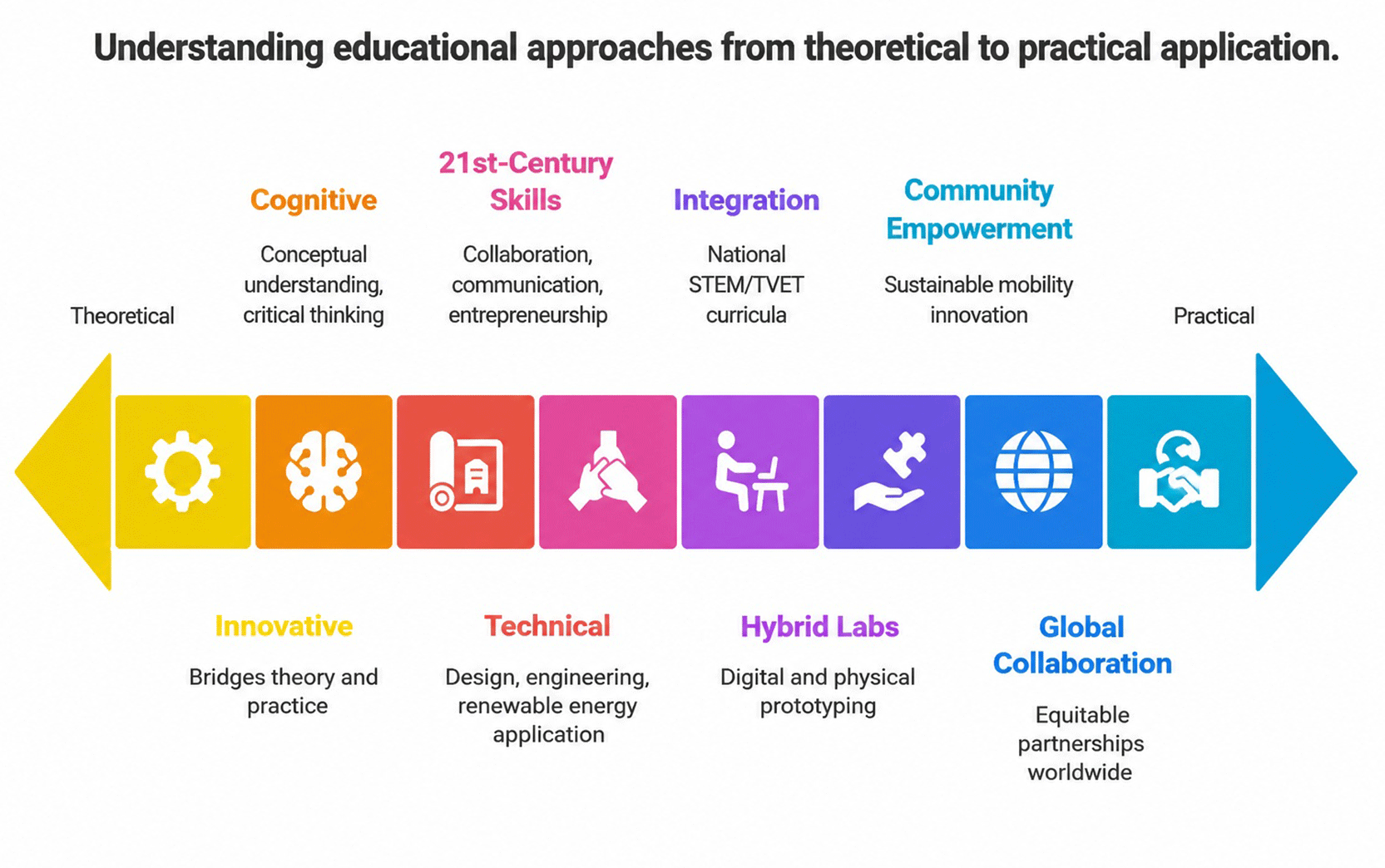
Furthermore, the identified strategic opportunities are also reflected in Figure 5, particularly in the Hybrid Labs dimension, which integrates digital simulations with physical prototypes, and Integration within the national STEM/TVET curriculum. At the social level, this project demonstrates its role in Community Empowerment, namely encouraging sustainable mobility innovation while simultaneously generating economic and social impacts for communities. At the global level, the Global Collaboration dimension emphasizes the importance of more equitable partnerships between the Global North and the Global South to strengthen knowledge transfer and program sustainability. Thus, as shown in Figure 5, the conversion of electric bicycles in PBL is not only a technical learning vehicle, but also a transformative educational strategy that fosters sustainability literacy, cross-cultural collaboration, and community empowerment. Overall, this review demonstrates that the conversion of electric bicycles as a PBL medium represents a new frontier in STEM and sustainability education. It can foster interdisciplinary competencies, strengthen sustainability literacy, and bridge formal and non-formal learning. However, to optimally realize this potential, challenges related to resources, curriculum, and collaboration equity need to be urgently addressed. Thus, e-bike-based PBL can transform from a mere pedagogical innovation into a real driver of sustainable development at the global level.
The results of this systematic review demonstrate that the conversion of electric bicycles as a project-based learning (PBL) medium has strategic potential to strengthen the integration of STEM education with the global sustainability agenda. Bibliometrically, although the number of publications remains limited and shows a negative growth trend, the tendency of international collaboration and thematic diversity confirms that this field is entering a frontier research phase with new, dynamic characteristics and potential for widespread growth. The dominance of publications from Western European countries, such as Germany and Italy, demonstrates strong policy support and a research ecosystem in the field of sustainable mobility, while the involvement of countries in Latin America, Asia, and Africa indicates the diffusion of innovation into more diverse educational contexts. From a pedagogical perspective, the adoption of e-bike projects in higher education has proven effective as capstone assignments that develop technical competencies, interdisciplinary collaboration, and entrepreneurial orientation. In vocational and secondary education, these projects serve as a bridge between theory and authentic practice, strengthening conceptual understanding and critical thinking skills. While in non-formal, community-based settings, they serve as a means of increasing inclusivity, intergenerational solidarity, and contributing to the local economy. Thus, the electric bicycle conversion project can be categorized as an adaptive, authentic, and socially relevant PBL model, consistent with international literature that emphasizes the importance of the connection between theory, practice, and real context in PBL.
In terms of learning outcomes, the integration of the e-bike project has been proven to have a holistic impact on cognitive, technical, and 21st-century skills. The cognitive domain is demonstrated through increased conceptual understanding, analytical reasoning, and higher-order thinking skills; the technical domain is reflected in mastery of renewable energy systems, prototype design, and engineering problem-solving; while the 21st-century skills domain includes collaboration, cross-cultural communication, sustainability literacy, and entrepreneurial orientation. This achievement profile not only aligns with the meta-analysis on the advantages of PBL in developing HOTS but also extends it by emphasizing an explicit sustainability dimension. However, several structural challenges still need to be addressed, including limited laboratory resources in higher education, curriculum rigidity and uneven student readiness in vocational and secondary education, capacity asymmetries between Global North and Global South institutions in international collaboration, and reliance on volunteers and weak coordination within the community. These conditions emphasize the need for systemic support in the form of teacher capacity development, more flexible curriculum reform, and education policies that support the integration of PBL into the sustainable development agenda.
The theoretical implication of these findings is the need to expand the conceptual framework of PBL by incorporating dimensions of sustainability and transnational collaboration as integral parts of learning design. Practically, educators can utilize electric bicycle conversion projects as an authentic learning medium to increase students’ motivation, technical skills, and sustainability awareness. From a policy perspective, it is crucial for governments and educational institutions to provide infrastructure support, curriculum flexibility, and teacher professional development programs to ensure systemic adoption of PBL. Future research should expand the context of e-bike-based PBL implementation in primary and non-formal education in developing countries, conduct longitudinal studies to measure long-term impacts, and explore the integration of digital technologies such as IoT, big data, and AR/VR simulations to enrich the learning experience. Furthermore, a more equitable global collaboration design through resource-sharing and capacity-building mechanisms is needed, as well as the development of holistic evaluation instruments capable of measuring outcomes not only in cognitive and technical aspects, but also in sustainability literacy, social entrepreneurship, and intercultural competence. With these steps, electric bicycle conversion as a PBL medium has the potential to evolve from a fragmented pedagogical innovation into a transformative educational strategy that supports the achievement of sustainable development goals at the global level.
This systematic review demonstrates that electric bicycle conversion is an innovative, adaptive, and sustainability-oriented project-based learning (PBL) medium. The analysis reveals that, despite the limited and fragmented nature of publications, research on this topic continues to grow, supported by international collaboration, diversified educational contexts, and strong links to global agendas such as energy transition and sustainable development. Electric bicycle conversion has been shown to produce holistic learning outcomes. In the cognitive domain, the project enhances conceptual understanding and critical thinking skills; in the technical domain, it strengthens competencies in design, engineering, and renewable energy application; and in the 21st-century skills domain, it fosters collaboration, cross-cultural communication, entrepreneurship, and sustainability literacy. Thus, e-bike conversion can be viewed as a transformative PBL model that connects theory with practice while enriching the social and affective dimensions of learning.
However, this study also highlights a number of challenges that need to be addressed, ranging from limited laboratory resources, curriculum rigidity, capacity gaps between Global North and Global South institutions, and reliance on volunteers for community-based initiatives. Therefore, systemic support is needed in the form of teacher capacity development, more flexible curriculum reform, and education policies integrated with the sustainability agenda. Looking ahead, opportunities for research and implementation remain wide open. Developing hybrid laboratories based on digital and real-world prototypes, integrating electric bicycle conversion projects into the national curriculum, and strengthening more equitable global collaborations could be strategic steps to expand the impact of e-bike-based PBL. By addressing these challenges, electric bicycle conversion-based PBL has the potential to evolve from a local pedagogical innovation into a global educational strategy capable of strengthening interdisciplinary competencies, fostering sustainability literacy, and supporting the achievement of sustainable development goals.
This study did not require ethical approval or informed consent because it is based exclusively on secondary data retrieved from the Scopus database. The analysis involved systematic review and bibliometric techniques applied to published literature and did not include human participants, personal data, or sensitive information.
| Views | Downloads | |
|---|---|---|
| F1000Research | - | - |
|
PubMed Central
Data from PMC are received and updated monthly.
|
- | - |
Provide sufficient details of any financial or non-financial competing interests to enable users to assess whether your comments might lead a reasonable person to question your impartiality. Consider the following examples, but note that this is not an exhaustive list:
Sign up for content alerts and receive a weekly or monthly email with all newly published articles
Already registered? Sign in
The email address should be the one you originally registered with F1000.
You registered with F1000 via Google, so we cannot reset your password.
To sign in, please click here.
If you still need help with your Google account password, please click here.
You registered with F1000 via Facebook, so we cannot reset your password.
To sign in, please click here.
If you still need help with your Facebook account password, please click here.
If your email address is registered with us, we will email you instructions to reset your password.
If you think you should have received this email but it has not arrived, please check your spam filters and/or contact for further assistance.

Comments on this article Comments (0)