Keywords
Anaerobic osteomyelitis, Prevotella, Bacteroides, Peptostreptococcus, spondylodiscitis, tuberculosis of Spine, Tubercular Vertebral Osteomyelitis

This article is included in the Manipal Academy of Higher Education gateway.
Anaerobic osteomyelitis, Prevotella, Bacteroides, Peptostreptococcus, spondylodiscitis, tuberculosis of Spine, Tubercular Vertebral Osteomyelitis
Added an explicit novelty paragraph at the beginning of the Discussion clarifying rarity of mixed aerobic–anaerobic co-infection in confirmed TVO and distinguishing our cases from prior reports.
Inserted a paragraph explaining that the innovation lies in diagnostic strategy rather than therapeutic novelty, particularly in TB-endemic settings.
Added a paragraph discussing plausible pathogenesis and acknowledged limitation regarding inability to establish sequence of infection.
Expanded clinical timelines and clarified absence of predisposing factors and prior antibiotic exposure in case descriptions.
Added a “clinical implications” paragraph highlighting need for routine aerobic and anaerobic cultures in selected TVO cases.
Revised wording in Conclusion to reflect balanced interpretation and acknowledge small sample size.
See the authors' detailed response to the review by Yongqing Xu
See the authors' detailed response to the review by Gazanfar Rahmathulla
See the authors' detailed response to the review by Kaouther Maatallah
Anaerobic organisms have been known to have an association with dental infections, bacteremia, endocarditis and soft tissue infections.1 However, anaerobic isolation from bone and joint infections are relatively rare. This could be attributed to the fastidious nature of the organism which makes isolation from the bone and joint infections cumbersome.1
The most common organisms implicated in anaerobic osteomyelitis are Bacteroides, Fusobacterium, Peptostreptococcus and Clostridium species. Predisposing factors include children, contiguous spread of infection, vascular disease and complicated fractures.2 Sparse literature has been found on reports of anaerobic osteomyelitis. There is no literature reported on anaerobic osteomyelitis complicating Tuberculosis of spine/Tubercular vertebral osteomyelitis (Pott’s spine). However, our cases highlight the rare isolation of gram-negative anaerobes (Prevotella, Bacteroides, Peptoniphilus) from Tubercular vertebral osteomyelitis (TVO) in immunocompetent adults diagnosed with tuberculosis of spine.
Two cases of infectious spondylodiscitis have been presented in this case series.
Consent
Written informed consent for publication of their clinical details and/or clinical images was obtained from the patients.
A 22-year-old poorly built (body mass index: 16 kg/m2) lady from rural South India who was pursuing her undergraduate degree, presented with complaints of low back ache of one-month duration. It was insidious in onset and gradually radiated to the right gluteal region. She was able to walk only a few steps with a limp. There was no bowel or bladder disturbance. She preferred to keep her right hip flexed to about 30 degrees in supine position. The backache was associated with high grade fever with chills and rigors. There was no history of tuberculosis in her family or her community. She had no significant history suggestive of immunosuppression. She had not received any prior antibiotic therapy before presentation to our institution. No prior spinal imaging had been performed elsewhere. The patient reported progressive worsening of pain and fever over the preceding four weeks, following which she sought care at our center and was evaluated with MRI and laboratory investigations within 48 hours of admission. She had no known co-morbidities. There was no significant genetic history given by the patient. She had no known co-morbidities. There was no significant genetic history given by the patient.
The patient denied any recent dental procedures, gastrointestinal interventions, trauma, or prior spinal surgery. He had not received prolonged or recent antibiotic therapy before admission. MRI evaluation and blood cultures were obtained within the first 24 hours of hospitalization, and surgical intervention was performed after imaging confirmed cord compression.
On examination, she was febrile (102° F) with a pulse rate of 98 beats/minute. There was midline and right paraspinal tenderness from L3 to sacral region. Neurological examination of lower limbs was unremarkable. There was no focal neurological deficit.
Lab investigations showed that she was anaemic (Haemoglobin of 8 g/dl). Her total counts were 13600/mm3 (predominantly neutrophilia). The ESR was elevated (88 mm/hour) and CRP (261mg/L). The renal function tests were within normal limits, while serum albumin was only 1.9 mg/dl. Blood and urine cultures were sterile.
A radiograph revealed mild lumbar scoliosis to the left side and bulky psoas muscle in the right side ( Figure 1a and b).
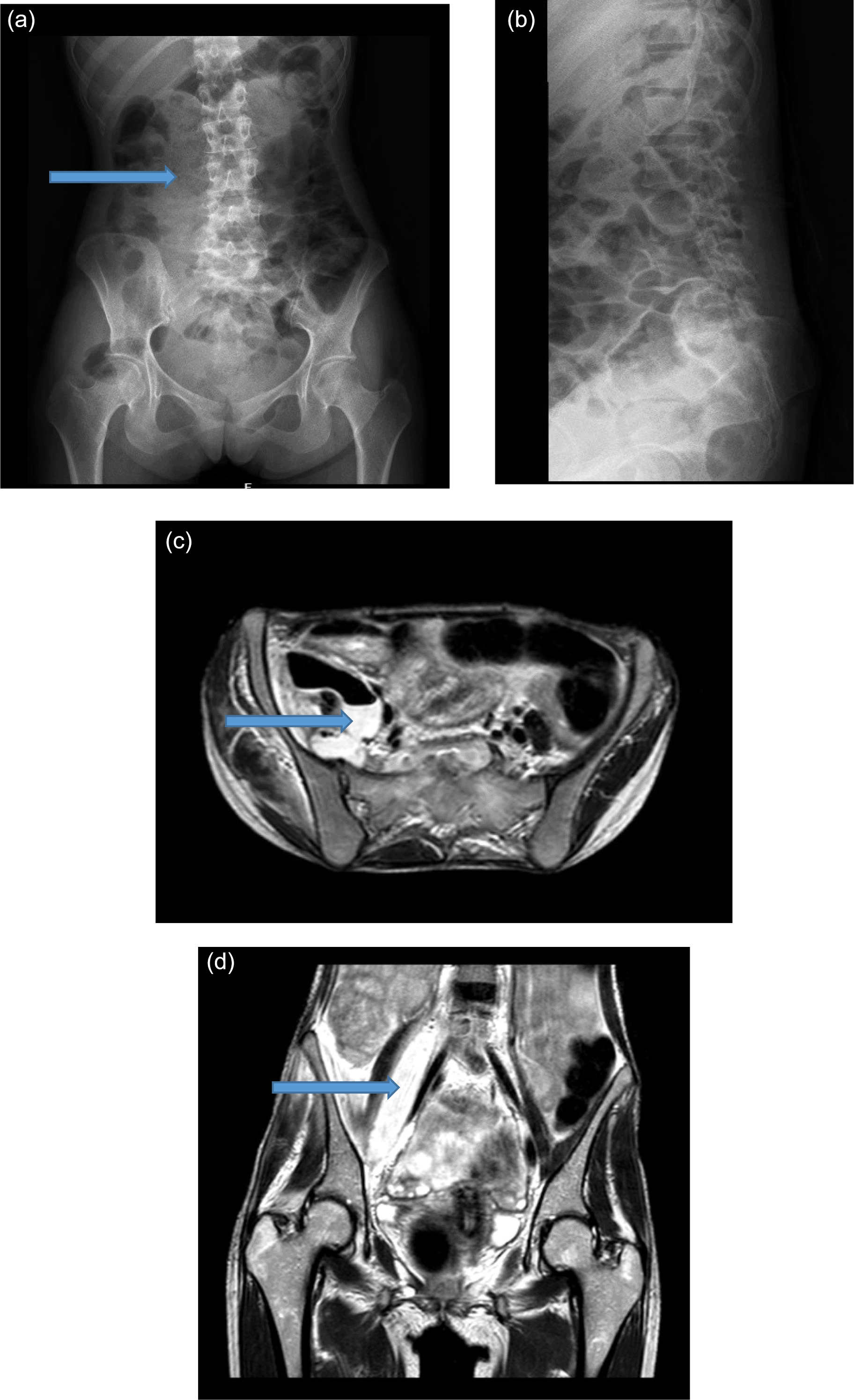
MRI spine revealed features suggestive of spondylodiscitis of L5-S1, spondylitis of L4 with abscesses adjacent to L4, L5, S1, S2 and S3 vertebra in the right side. There was also air-fluid level in the abscess ( Figure 1c and d). The spondylodiscitis can be appreciated in the Figure 1e which shows post-contrast enhancement in L5-S1 vertebral discs. Figure 1f shows the radiographs before treatment and after treatment for comparison.
She underwent surgery involving decompression of L5 vertebra and exploration of L5-S1 space with drainage of the abscess. Intra-operatively foul-smelling gas escaped from the abscess. The L5-S1 disc also had purulent collection. Pus was sent for CBNAAT (cartridge based nucleic acid amplification test) for tuberculosis, aerobic and anaerobic cultures. Material from L5-S1 disc was sent for histopathology.
On the third hospital day CBNAAT report was suggestive of Mycobacterium tuberculosis she was started on anti-tubercular therapy (ATT). The next day the aerobic culture grew Escherichia coli whereas anaerobic culture grew Bacteroids fragilis and Peptoniphilus asachrolyticus. In addition, she was also started on injection Piperazillin-Tazobactem and oral tinidazole for 10 days. There was wound dehiscence on tenth postoperative day.
The repeat culture from the pus drained grew only E. coli with similar sensitivity though the growth was scanty. We continued antitubercular drugs and added Injection Amikacin and Imipenem (as per the culture sensitivity report) for a total of three weeks. She was taken up for secondary suturing during this period. Patient was discharged subsequently. On follow-up at one month, her symptoms had improved and her anaemia had improved to 9.5 gm%. She had also gained 1.6 kgs in weight. Repeat radiographs and MRI were done at the three-month follow-up and showed resolution of the abscesses. Patient was adherent and tolerated the anti-tubercular medications well. She was continued on ATT for 18 months. She did not have any ATT related complications and was compliant with the treatment throughout the follow-up.
A 54-year-old man from an urban district of South India, a tailor by occupation, came with complaints of insidious onset of neck pain of about three weeks duration. The pain was gradually progressive over the past 10 days. The pain would aggravate on movements of the neck, but there was no radiculopathy. There was also associated fever with chills and rigors. He reported significant weight loss in the recent past. There was no history of medical co-morbidites. There was no relevant psycho-social or genetic history obtained from the patient.
The patient denied any recent dental procedures, gastrointestinal interventions, trauma, or prior spinal surgery. He had not received prolonged or recent antibiotic therapy before admission. MRI evaluation and blood cultures were obtained within the first 24 hours of hospitalization, and surgical intervention was performed after imaging confirmed cord compression.
On examination, neck appeared short and kyphotic. There was midline tenderness from C4-C7 region. Movements of the neck was grossly restricted due to pain and spasm. He was unable to flex his neck without significant pain. The elbow flexion was MRC Grade 4/5 on both sides. There was no sensory deficits and reflexes were normal. He was anaemic (Hb 10 g/dl) with neutrophilia. ESR was moderately elevated at 68 mm/hour. His chest radiograph was normal.
In an X-ray of the cervical spine, we noted increased prevertebral soft tissue shadow and erosion of vertebral end plates at C4-5 level with gross kyphosis. Air-fluid levels were also seen in the prevertebral soft tissue shadow ( Figure 2a and b).
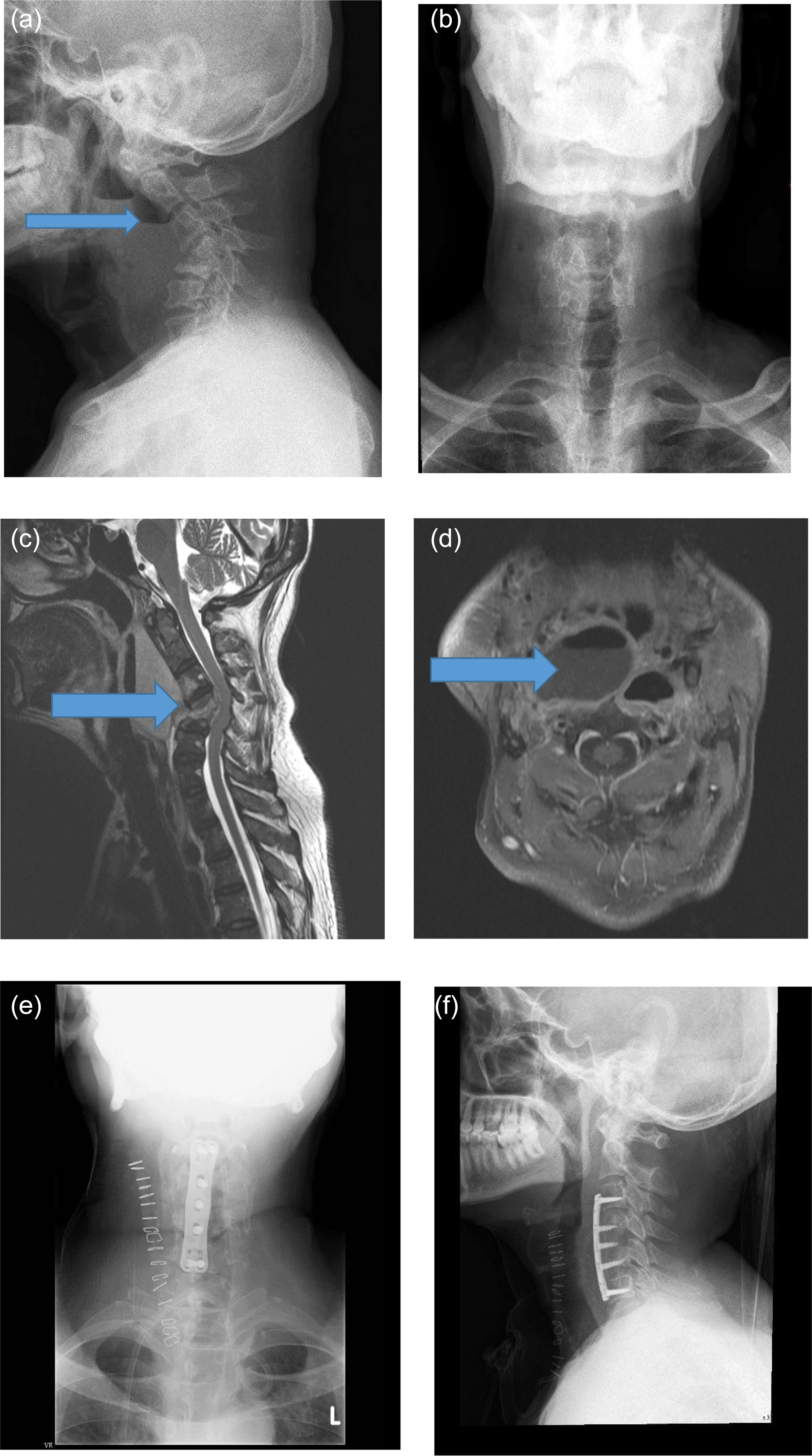
MRI of the cervical spine confirmed spondylodiscitis of C4-C5 with cord compression. Multiple collections in parapharyngeal space communicating with the pre-vertebral space were also seen along with air-fluid levels ( Figure 2c and d)
By this time the blood culture grew Streptococcus constellatus and he was started on Injection ceftriaxone (2gm q24h) as per sensitivity report. His urine culture was sterile and Brucella agglutination test was negative.
He underwent anterior cervical decompression, by C5 corpectomy and fusion ( Figure 2e and f ). A distinct foul-smelling odour was noted intra-operatively and around 100 ml of pus was drained. The C4 and C5 vertebrae were completely destroyed with surrounding caseous material. Pus was sent for aerobic and anaerobic cultures and the caseating tissue was sent for histopathology. Patient tolerated the procedure well.
The aerobic bacterial culture from the pus grew Streptococcus constellatus with similar sensitivity as that of his blood culture. Anaerobic culture grew Prevotella sps. The CBNAAT report was positive for Mycobacterium tuberculosis. Histopathology confirmed granulation tissue with epitheloid cells and Langhans giant cells suggestive of tubercular osteomyelitis.
He was started on Antitubercular therapy and Injection Metronidazole (500 mg q8h for two weeks) in addition to Injection Ceftriaxone (two weeks). The wound healed well. Anti-tubercular treatment was initiated and the patient was followed up on OPD basis. He was compliant with treatment and took the ATT for a total of 15 months. Improvement in anemia and ESR, weight gain as well as radiological improvement was noted in this patient on follow-up.
Anaerobic osteomyelitis was first reported in 1884 by Von Langenbeck in case of vertebral osteomyelitis.3 Decades later, Taylor and Davies noted the presence of anaerobic organisms within sequestra in 55% of patients with chronic osteomyelitis.4 It was found that these anaerobic organisms were more frequently isolated from the inside of the sequestra and were usually mixed isolates i.e two or more anaerobic isolates were isolated. The chronicity of the osteomyelitis was directly proportional to the frequency of anerobic isolates found.
While anaerobic osteomyelitis has been described previously, reports of mixed aerobic and anaerobic co-infections complicating microbiologically confirmed tubercular vertebral osteomyelitis (TVO) are exceedingly rare. To our knowledge, only one case has described secondary anaerobic infection in chronic TVO. Our cases therefore highlight a distinct clinical entity — polymicrobial co-infection in confirmed spinal tuberculosis — which has important diagnostic implications in TB-endemic settings.
In a retrospective study done on osteomyelitis by Lewis et al., it was found that 39 percent of patients with osteomyelitis had anaerobic infections.1 This serves to prove that anaerobes play a much larger role in osteomyelitis than known previously. It is likely that these infections are less reported due to poor awareness of their prevalence and the cumbersome methods of isolation.
However, these organisms were found as a part of the mixed flora which included gram positive cocci, gram negative bacilli and other anaerobes. This is consistent with the pattern of mixed infections reported in our case report. Our first patient was found to have anaerobic Prevotella infection from epidural abscess with associated Streptococcus bacteremia in a chronic tubercular vertebral osteomyelitis. Our second case was also found to have a combination of anaerobes comprising of Bacteroides, Peptoniphilus (Peptotreptococcus) and Clostridium with gram-negative Pseudomonas aeruginosa isolated from a psoas abscess secondary to a chronic tubercular vertebral osteomyelitis.
In TB-endemic regions, once Mycobacterium tuberculosis is identified, clinicians may prematurely attribute the spinal infection solely to tuberculosis. Our cases emphasize that microbiological confirmation of TB does not exclude the possibility of concurrent polymicrobial infection. Failure to identify and treat these additional pathogens may delay recovery and increase postoperative complications.
The predisposing factors contributing to anaerobic osteomyelitis usually include children, diabetes mellitus, oral infections or procedures, upper respiratory tract infections, trauma, peripheral neuropathy and complicated fractures.2 It is interesting to note that both our patients had no pre morbidities to predispose them to anaerobic osteomyelitis.
The absence of traditional predisposing factors in both patients suggests that tubercular tissue destruction itself may create a hypoxic, necrotic microenvironment conducive to secondary anaerobic colonization. Although the temporal sequence cannot be definitively established in this case series, tubercular caseation and vascular compromise may plausibly facilitate such polymicrobial superinfection.
In a review by Raff and Melo of a large series of 193 anaerobic osteomyeltits cases collected from the world literature published between 1936 to 1976, it was found that the most common anaerobe implicated in osteomyelitis was Bacteroides followed by Peptostreptococcus and Fusobacterium.5 This trend was confirmed by a study by Ziment et al. who found the most common isolate being Bacteroides followed by Peptostreptococcus and Fusobacterium.6 This similar trend of occurrence was noted in a large study done on 134 cases of pyogenic osteomyelitis by Haider et al. between 1992 to 1993.7 This trend agrees with our case of anaerobic osteomyelitis which showed a mixed anaerobic isolate of Bacteroides with Peptostreptococcus and Clostridium.
A review of literature on available data on anaerobic osteomyelitis with Prevotella isolates shows only nine cases reported till date.8–16 Among this only one case reports secondary Prevotella infection on chronic tubercular vertebral osteomyelitis. A summary of the data available on Anaerobic osteomyelitis with prevotella isolates are shown in Table 1.
| Authors | Age/sex | Level of osteomyelitis | Organism isolated | Risk factors | Clinical outcome |
|---|---|---|---|---|---|
| Surbled et al8 | 44/M | L5-S1 | P. melanogenica | none | Favourable |
| Salavert et al9 | 27/F | L2-L3 | P. melanogenica | IV drug use | Favourable |
| Fukuoka et al10 | 60/M | T7-T8 | P. intermedia | Age | Favourable |
| Schöber et al11 | 45/F | L1-L2 | P. intermedia | None | Favourable |
| Mukhyopadhyay et al12 | 35/F | S1 | P. melanogenica | Dental cleaning | Favourable |
| Salliot et al13 | 62/M | L5-S1 | Prevotella spp. * | Age, steroids | Favourable |
| Purushothaman et al14 | 74/F | L3-L4 | Prevotella spp. * | Age, ovarian malignancy | Favourable |
| Huang et al15 | 73/F | T12-L3 | P. melanogenica | Age, diabetes | Patient died |
| Goyal et al16 | 68/F | T6-T8 | P. oralis | Age, gastrointestinal procedure | Favourable |
Unlike previously reported cases of isolated anaerobic vertebral osteomyelitis, our patients demonstrated simultaneous isolation of Mycobacterium tuberculosis along with both aerobic and anaerobic bacteria. This microbiological constellation underscores the need for comprehensive culture techniques rather than reliance on a single pathogen identification.
Both our cases did not show any evidence of hematogenous osteomyelitis. This finding concurs with evidence found by in a review study on 61 cases of anaerobic osteomyelitis of long bones17 where 29.5% of the cases were hematogenous and 32.8% were exogenous osteomyelitis. The study by Lewis et al. also shows a preponderance towards exogenous osteomyelitis.1
Management of anaerobic osteomyelitis includes a two-pronged approach with adequate drainage of purulent material and parenteral administration of antibiotics for at least four to eight weeks.18 The antibiotics were decided according to the sensitivity pattern noted on culture.
The key innovation in our report lies not in introducing novel treatment strategies, but in reinforcing a diagnostic approach. Recognition of radiological air–fluid levels and intraoperative foul odor prompted anaerobic cultures, which directly influenced antibiotic selection and duration. This diagnostic vigilance may be particularly important in resource-limited, TB-endemic settings.
Strengths and limitations: The strength of this case series is the similar clinical presentation of both the cases and the presence of aerobic and anaerobic infections in both of them. However, we were unable to follow up the second case beyond two months as he opted for care under a local orthopaedician due to travel constraints. This was one of the limitations of our case series. As a result of this adherence and tolerance of the treatment could not be assessed in the second case.
In patients with TVO presenting with air–fluid levels on imaging or foul-smelling pus intraoperatively, clinicians should routinely request aerobic and anaerobic cultures even after confirmation of tuberculosis. Early recognition and targeted therapy may improve clinical outcomes.
Tubercular vertebral osteomyelitis is often considered a singular diagnostic entity; however, our cases suggest that concurrent aerobic and anaerobic co-infections may occur and should be considered in selected patients. The presence of air–fluid levels on imaging and foul-smelling pus intraoperatively may raise suspicion for anaerobic involvement.
Although limited by the small sample size and retrospective nature of this case series, our findings underscore the importance of comprehensive microbiological evaluation in patients with spinal tuberculosis. Heightened clinical suspicion and appropriate culture techniques may facilitate targeted therapy and potentially improve outcomes.
1. I was suffering from severe back ache for over 2 years with recurrent fever. I was unable to continue my studies also as sitting in class was very painful. I received treatment at several local hospitals but the fever persisted and the pain was not alleviated. Following admission at Kasturba Hospital, Manipal, I underwent an MRI of my spine and the doctors found the source of infection in my spine. I underwent a decompression surgery with treatment with TB medicines and intravenous medications at the hospital. The fever subsided in the first week following treatment. Gradually I was able to move around with support and at my 3 month follow-up, I walked without pain to the hospital. I am much better now and have rejoined college to continue my studies.
2. I had neck stiffness and pain for many years. The pain radiated to my arms and I struggled to sit and work for long hours with my neck bent forward. In the hospital, a team of doctors examined me and suspected a spine infection. An MRI confirmed infection of the neck bones and pus collections. I underwent a surgery on my neck and received a long course of medicines in the hospital and at home. I noted a significant improvement in my pain and fever. I was symptom free by my 2-month follow-up at the hospital.
| Views | Downloads | |
|---|---|---|
| F1000Research | - | - |
|
PubMed Central
Data from PMC are received and updated monthly.
|
- | - |
Provide sufficient details of any financial or non-financial competing interests to enable users to assess whether your comments might lead a reasonable person to question your impartiality. Consider the following examples, but note that this is not an exhaustive list:
Sign up for content alerts and receive a weekly or monthly email with all newly published articles
Already registered? Sign in
The email address should be the one you originally registered with F1000.
You registered with F1000 via Google, so we cannot reset your password.
To sign in, please click here.
If you still need help with your Google account password, please click here.
You registered with F1000 via Facebook, so we cannot reset your password.
To sign in, please click here.
If you still need help with your Facebook account password, please click here.
If your email address is registered with us, we will email you instructions to reset your password.
If you think you should have received this email but it has not arrived, please check your spam filters and/or contact for further assistance.

Comments on this article Comments (0)