Keywords
Supply chain, circular economy, disruptive technologies, PRISMA-2020, environmental impact.

This article is included in the Ecology and Global Change gateway.
Supply chain, circular economy, disruptive technologies, PRISMA-2020, environmental impact.
This revised version incorporates substantial methodological, analytical, and reporting improvements in response to peer review. The search strategy was expanded from a title-only approach to a title–abstract–keywords (TAK) framework across Scopus and Web of Science, reducing selection bias and improving coverage. Boolean logic was restructured and fully reproducible search strings were provided. A sensitivity analysis comparing both strategies was also included. The study is now explicitly framed as a bibliometric analysis, with PRISMA 2020 used solely as a reporting guideline. Methodological transparency was strengthened through detailed descriptions of data cleaning, coding procedures, and the use of Microsoft Excel®, as well as explicit parameter settings in VOSviewer for thematic analysis. Statistical interpretation was clarified by reporting regression-based trend analysis using R² as a measure of model fit rather than inferential significance. The discussion was enhanced with a more critical synthesis of findings, and bibliometric visualizations were improved with clearer captions and interpretations. Additionally, all datasets, search outputs, and analysis files have been made openly available via Zenodo to ensure reproducibility and compliance with open science standards. Minor revisions were also made to improve clarity, conciseness, and grammar.
See the authors' detailed response to the review by Mohammad Fazle Rabbi
See the authors' detailed response to the review by Konanani Thwala
See the authors' detailed response to the review by Sophie Michel
Sustainability in the food industry has become a central concern in contemporary academic and policy debates due to the growing recognition of the environmental, social, and economic impacts associated with food production, processing, distribution, and consumption (Echchakoui, 2020). Within this broad debate, the food industry is understood as the set of industrial and organizational activities responsible for transforming agricultural outputs into food products and distributing them through complex supply chains (Mavani et al., 2022), while the food system constitutes a wider socio-technical framework that integrates production, processing, distribution, consumption, and waste management. Food production represents the primary stage of this system (Daszkiewicz, 2022), and food security refers to the condition in which populations have stable physical and economic access to sufficient, safe, and nutritious food (Savary et al., 2022). Clarifying these distinctions is essential to avoid conceptual overlap and to precisely delimit the analytical scope of sustainability research in this domain.
Reconciling increasing global food demand with the preservation of finite natural resources and the resilience of socio-economic systems has positioned sustainability in the food industry as a strategic priority within broader sustainability agendas. Beyond mitigating the negative externalities of conventional practices, this perspective calls for a structural rethinking of how food systems are designed, governed, and managed, particularly in relation to industrial processes and supply chain configurations (Friedman & Ormiston, 2022).
In response to these challenges, research on sustainability in the food industry has expanded significantly, encompassing a wide range of approaches and analytical perspectives. Prior studies have addressed decision-making processes in food supply chains (Zanoni & Zavanella, 2012), conceptual frameworks for sustainable supply chain management (Mastos & Gotzamani, 2022), and the assessment of sustainability performance across food networks (Carvalho et al., 2022). Other contributions have examined sector-specific challenges, including water use regulation in agricultural production (Sutcliffe et al., 2023), biodiversity monitoring in long-distance supply chains (Beck-O’Brien & Bringezu, 2021), and inventory control in perishable food systems using advanced optimization techniques (Luo & Deng, 2023). Collectively, this body of work reflects the multidimensional and systemic nature of sustainability challenges across the food value chain.
Within this expanding body of literature, technological innovation has emerged as a central enabling factor for advancing sustainability objectives in the food industry. Recent scholarship emphasizes the role of digital and Industry 4.0 technologies, such as blockchain, additive manufacturing, data-driven decision-support systems, artificial intelligence, and the Internet of Things, in enhancing transparency, efficiency, traceability, and resource optimization in food supply chains (Friedman & Ormiston, 2022; Panghal, 2023; M. Kumar, 2023a). These technologies are increasingly framed not merely as operational tools, but as strategic mechanisms capable of addressing the complex interactions between food security, human health, environmental constraints, and planetary boundaries (Panghal, 2023).
At the same time, policy-oriented studies and needs assessments underline the importance of coordinated research and outreach efforts to support the transition toward more sustainable agricultural and food production practices, highlighting technology adoption as a critical lever for systemic change (Lamm, 2023). The relevance of this technological dimension has been further reinforced by recent global disruptions and systemic stressors. Events such as the H1N1 pandemic exposed structural vulnerabilities in global food supply chains, revealing the need to strengthen resilience while maintaining sustainability objectives (Le, 2023). Parallel concerns related to water scarcity and climate change, particularly in irrigated food production under increasing global water stress, further emphasize the necessity of technology-enabled adaptation strategies within the food industry (Mohan, 2022).
Despite the rapid growth of literature in this field, significant research gaps remain. Notably, the integration of sustainability principles and digital technologies within food supply chain management continues to be fragmented, with limited systematic evidence on how technological innovations are shaping the evolution of sustainability-oriented research agendas across the food industry (Mangla, 2018; Mastos & Gotzamani, 2022). Moreover, while specific supply chains present unique sustainability challenges related to certification, ethical considerations, and resource management, these issues are often examined in isolation, limiting the development of integrative perspectives (Abderahman et al., 2021). Sustainability in exceptional or extreme contexts, including food production in constrained environments such as international space stations, remains similarly underexplored from a systemic and technology-oriented standpoint (Carillo et al., 2020).
These gaps reveal not only thematic blind spots, but also a lack of integrative analyses capable of capturing how technological innovation is reshaping the structure, priorities, and trajectories of sustainability research in the food industry. In this context, bibliometric analysis represents a valuable methodological approach for systematically mapping the intellectual landscape of the field, identifying dominant and emerging technology-related themes, influential contributions, and underdeveloped areas requiring further investigation (Abderahman et al., 2021; Carillo et al., 2020; Mastos & Gotzamani, 2022).
Accordingly, the present study adopts a focused yet integrative perspective, aiming to examine the evolution of research on sustainability in the food industry through a comprehensive bibliometric analysis, with particular attention to the role of technological and digital innovations. By analyzing publication trends, thematic structures, key references, and emerging keywords, the study seeks to clarify how sustainability and technology have co-evolved within the scientific literature, while simultaneously identifying critical research gaps and future research priorities.
Guided by this objective, the study addresses the following research questions:
1. In which years have research trends on sustainability in the food industry been most prominent?
2. What is the growth rate of scientific publications related to sustainability in the food industry?
3. Which references constitute the primary intellectual foundations of this research field?
4. How have research themes related to food industry sustainability evolved over time, particularly in relation to technological innovation?
5. What are the dominant thematic areas within sustainability research in the food industry?
6. Which technology-related keywords are emerging as focal points in recent research?
7. Which topics should be prioritized in future research agendas on sustainability and technology in the food industry?
By answering these questions, this article provides a structured and up-to-date synthesis of sustainability research in the food industry, explicitly emphasizing the role of technology as a driver of transformation. Beyond mapping existing knowledge, it offers a multidisciplinary research agenda that supports both theoretical advancement and practical decision-making. The study bridges conceptual development and applied insights, thereby contributing to more informed policy design and management strategies aimed at fostering sustainable, resilient, and technology-enabled food systems.
Research on sustainability in the food industry has intensified in recent decades as a response to escalating environmental pressures, resource constraints, and the growing demand for more responsible production and consumption models. This body of literature reflects a gradual shift from isolated environmental assessments toward more systemic and integrative approaches that consider technological, organizational, and social dimensions of food systems. Recent studies highlight the transformative role of digital technologies such as blockchain, artificial intelligence, and precision agriculture in enhancing operational efficiency, traceability, and resource optimization across food supply chains (Şimşek et al., 2024; Galanakis, 2020).
Within this technological trajectory, blockchain has received particular attention due to its potential to improve transparency, trust, and data security in food supply chains, which are critical enablers of sustainability-oriented governance (Niknejad et al., 2021). Similarly, the adoption of Industry 4.0 technologies, including digitalization and the Internet of Things, has been shown to support more efficient and sustainable food processing and production systems (Režek et al., 2021). These innovations contribute not only to waste reduction and process optimization, but also to the development of more circular and resilient business models within the food industry (Brennan, 2024).
Despite these advances, literature consistently underscores the persistence of structural challenges affecting the sustainability of food systems. Issues such as food insecurity, climate instability, pressure on natural resources, and increasing food loss and waste continue to undermine the long-term viability of the sector. The COVID 19 pandemic acted as a critical stress test, exposing vulnerabilities in global food supply chains and amplifying concerns related to food safety, logistics, and equitable access to food (Rizou, 2020; Şimşek et al., 2024). In response, scholars have emphasized the importance of resilience-oriented strategies, including localization, diversification of supply networks, and the strengthening of contingency and risk mitigation mechanisms (Boyacı Gündüz, 2021; Galanakis, 2023).
From a supply chain perspective, sustainability research has increasingly focused on both upstream and downstream processes. Studies examining agricultural production highlight the role of organizational and contextual factors such as competitive conditions and proximity to raw materials in shaping the adoption of sustainability instruments by firms (Rueda et al., 2017). At the same time, life cycle assessment approaches have been applied to evaluate the environmental impacts of food products and packaging, proposing design improvements through material substitution, weight reduction, and circular design principles (Del Borghi, 2014; Kazancoglu, 2023). These contributions reflect a growing emphasis on aligning technical efficiency with environmental performance across the entire product life cycle.
Beyond production and logistics, recent literature has expanded the analytical lens to incorporate social, territorial, and communicative dimensions of sustainability in the food industry. Consumer perceptions and ethical expectations are increasingly recognized as key drivers of change, influencing corporate strategies and sustainability-oriented innovation (Galanakis, 2020). In this regard, communication practices, particularly through digital and social media channels, have been examined as mechanisms through which food companies articulate and legitimize their sustainability commitments, with particular attention to social dimensions related to people and community engagement (Garner & Mady, 2023). Complementarily, decision support approaches such as the analytic hierarchy process have been proposed to prioritize sustainability criteria, emphasizing local social and economic development as a strategic objective for food companies (D’Adamo, 2023).
Collectively, this literature illustrates the multifaceted nature of sustainability in the food industry, encompassing technological innovation, supply chain configuration, environmental performance, and socio territorial embeddedness. However, despite the richness of existing contributions, research remains fragmented across disciplinary boundaries and thematic silos. The lack of integrative assessments that capture the structural evolution of the field, identify dominant and emerging research streams, and systematically map underexplored areas limits the cumulative development of knowledge.
In this context, the present study adopts the food system as an implicit integrative framework and employs a bibliometric approach to address this fragmentation. The search strategy is conceptually grounded in key structural and operational components of food systems associated with sustainability. The use of the term sustainability in the title ensures the inclusion of studies explicitly addressing environmental, social, and economic dimensions. The inclusion of food production captures research focused on primary production as the material foundation of food systems, where sustainability outcomes are closely linked to resource management and productive capacity (Campi et al., 2021). The term food supply chain reflects the functional subsystem connecting production and consumption, whose configuration directly influences efficiency, resilience, and sustainability, particularly through alternatives such as short supply chains (Jia et al., 2024). The inclusion of food industry allows for the analysis of industrial and corporate actors involved in processing, transformation, and distribution, and their structural influence on sustainability outcomes, governance, and public health (Baker et al., 2021). Finally, incorporating the gastronomic industry extends the analytical scope to the consumption interface, recognizing gastronomy as a cultural and economic mediator capable of shaping more sustainable, localized, and socially embedded food systems (Sgroi, 2022).
Overall, the literature review highlights both the depth and the dispersion of sustainability research in the food industry. While significant progress has been made in technological innovation, waste reduction, and supply chain efficiency, less attention has been devoted to integrating these advances into a coherent and cumulative knowledge structure. This gap reinforces the relevance of bibliometric analysis as a tool for synthesizing existing research, identifying emerging themes, and informing a more coordinated and forward-looking research agenda on sustainability in the food industry.
To achieve the proposed objectives, exploratory research based on secondary sources was conducted. A bibliometric analysis was performed, adopting selected reporting principles from the PRISMA 2020 statement to enhance transparency in the data collection and selection process (Page, 2021).
This study is a bibliometric analysis rather than a systematic review; therefore, PRISMA 2020 was applied as a reporting guideline rather than as a strict methodological framework. Selected elements were used to document the identification, screening, and inclusion of records, while components specific to systematic reviews were not applied.
To ensure methodological coherence, the study follows established practices in bibliometric research, including structured database queries, metadata normalization, and co-occurrence and thematic mapping techniques using specialized tools such as VOSviewer (Donthu et al., 2021; Aria & Cuccurullo, 2017). Therefore, PRISMA should be interpreted as a complementary reporting support rather than the core methodological framework of the study.
The inclusion criteria focused on peer-reviewed journal articles indexed in Scopus and Web of Science that addressed sustainability in the food industry. Documents were selected based on the presence of relevant terms related to sustainability and food systems within the title, abstract, or keywords, in accordance with the defined search strategy. Only records with complete and standardized metadata were included to ensure data consistency and analytical reliability.
The exclusion process consisted of three stages. First, records with incomplete or inconsistent indexing were removed. Second, duplicate records were identified and eliminated. Third, documents not aligned with the research focus were excluded. This process ensured the quality, coherence, and relevance of the final dataset.
During the database selection process for this research, two of the most comprehensive and widely recognized sources of scientific information were chosen: Scopus and Web of Science. These databases are known for their extensive coverage of various disciplines and subject areas. The selection of Scopus and Web of Science as the sole sources of information was based on their high standards of editorial quality, the scientific impact of the journals they index, and the level of standardization of their metadata (Echchakoui, 2020).
These characteristics facilitate the systematic organization, normalization, and interpretation of bibliometric data, which is essential for conducting robust network analyses, thematic mappings, and trend identification. Furthermore, the use of these databases ensures greater comparability and replicability of results, as they represent the main international channels for the dissemination of high-impact scientific research in sustainability and food-related studies.
The initial restriction to the title field introduced a potential systematic selection bias, as key concepts in interdisciplinary fields are often developed in abstracts or keywords rather than titles, risking underestimation of the knowledge base and reduced accuracy in thematic mapping.
To address this, the search strategy was expanded to include title, abstract, and keyword fields. In Scopus, the TITLE-ABS-KEY field was applied, while in Web of Science the Topic (TS) field was used. Boolean logic was refined using OR operators to group food system concepts and AND to link them with sustainability, ensuring precise retrieval and reducing irrelevant records.
The final search strings were:
Scopus: TITLE-ABS-KEY (sustainab*) AND (“food production” OR “food industry” OR "“food supply chain” OR “gastronomic industry”)
Web of Science: TS=(sustainab*) AND (“food production” OR “food industry” OR “food supply chain” OR “gastronomy”)
A sensitivity analysis comparing the initial title-restricted approach with the expanded configuration confirmed that the latter increased corpus coverage while maintaining stability in core thematic clusters, supporting the methodological validity of the adopted search strategy. The analysis included peer-reviewed journal articles from both databases without disciplinary restrictions, provided sustainability and the food industry constituted the central focus of the study.
For the development of this bibliometric study on sustainability in the food industry, we utilized the Microsoft Excel® tool to extract, store, and manipulate the information obtained from the databases. This tool allowed for efficient organization and systematization of the collected data, which facilitated the bibliometric analysis carried out later. Additionally, the bibliometric indicators were graphically represented using a combination of the free software VOSviewer® and Microsoft Excel®. VOSviewer® was utilized to create co-occurrence maps and thematic networks, while Microsoft Excel® was used to generate graphs. This procedure corresponds to a technological approach previously applied to bibliometric analysis using VOSviewer® (Hirawan, 2022). This enriches the analytical possibilities of the present study.
Following the PRISMA 2020 statement guidelines, it is crucial to indicate the use of an automatic internal classifier for record selection assistance (Page, 2021). Validating this case internally and externally is essential to raise awareness of the risks associated with omitting relevant studies or incorrectly assigning classifications. This study utilized automation tools developed in Microsoft Excel® in accordance with the recommended guidelines.
The study followed the guidelines provided by the PRISMA 2020 statement (Page, 2021) or data collection. Data extraction from reports indexed in the Scopus and Web of Science databases was performed using Microsoft Excel®. The analytical process in Excel included three stages: data cleaning, coding, and organization. First, the dataset was reviewed to remove duplicate records, correct inconsistencies in author names, titles, and keywords, and standardize text fields. Second, coding rules were applied to classify variables such as publication year, research themes, and document types based on predefined criteria. Finally, automated Excel functions and algorithms (e.g., conditional formulas, logical functions, and pivot tables) were used to filter, organize, and generate descriptive summaries of the dataset. All authors involved in this research served as reviewers of the validation process of the data obtained from both databases, working independently to ensure an impartial evaluation of the results. A collaborative data confirmation process was then carried out until absolute convergence of the results was achieved, ensuring precision and coherence of the collected data in accordance with validation and confirmation guidelines recommended in scientific literature.
For this research on the sustainability of the food industry, we studied data related specifically to our research objective. We collected information from articles that matched our search equation for each database. It was decided to exclude non-relevant information to maintain coherence and quality of the dataset. This ensures that incomplete elements do not distort the understanding of the knowledge base on the topic.
Based on the bias assessment guidelines observed in the included studies, it is necessary to provide detailed information on the methods and tools used. A consistent approach was used in this review. In addition, as all authors were involved in data collection, the risk of bias was assessed using a similar methodology, which ensured consistency between data collection and bias assessment. Finally, Microsoft Excel® was used as an automated tool throughout the process.
In the context of bibliometrics on sustainability in the food industry, impact measures are specified. Although more commonly applied in primary research, they can also be adapted to the approach of secondary research sources. The focus is on quantitative aspects that can be extracted from the data. This includes bibliographical information. The metrics analyzed to evaluate the research output include the number of publications, number of citations, and the temporal usage of each keyword. Tools such as Microsoft Excel® are used for data systematization and processing. Additionally, VOSviewer® is utilized to identify thematic nodes and associations within the literature. By utilizing these tools and following established guidelines, a comprehensive understanding of sustainability patterns and trends in the food industry can be obtained, even without utilizing traditional impact measures.
Automated tools developed in Microsoft Excel® were used to support the classification, structuring, and graphical representation of bibliometric data, operating through equations and logical rules applied to standardized metadata to organize records and generate descriptive indicators. To this end, descriptive and exploratory statistical operations were applied, including the calculation of frequencies, measures of central tendency, temporal distribution of publications, citation and keyword counts, growth analysis through trend fitting and interannual comparisons, as well as co-occurrence matrices and data aggregation and normalization procedures. The resulting outputs were represented through graphs and bibliometric maps to describe the structure and evolution of the field of study from a quantitative and non-inferential perspective. Validation of these tools was carried out through iterative cross-checks between automated results and manual reviews of record samples, allowing for rule adjustments when inconsistencies were identified. Potential sources of error related to metadata quality, the limitations of fixed rules in capturing complex semantic nuances, and thematic ambiguity in certain documents were acknowledged; therefore, automated outputs were continuously supervised and complemented by human review.
The studies’ eligibility in each synthesis was determined based on the context provided by this bibliometrics, following rigorous methodological processes. The characteristics of the study intervention were tabulated and compared, generating a contrast for each synthesis. Statistical issues related to missing summary or data conversions were addressed to prepare the data for presentation and synthesis. By following these methodological steps, we applied bibliometric indicators to evaluate the quantity, quality, and structure of the results obtained (Durieux & Gevenois, 2010). Finally, we implemented the indicators in a fully automated manner using Microsoft Excel® and applied them only to documents that passed the three exclusion phases defined in the study.
The identification of thematic areas followed an inductive and data-driven analytical procedure. Themes were not defined as a priori; instead, they were derived from bibliometric techniques aimed at detecting relational patterns among keywords, including co-occurrence analysis and thematic mapping. These techniques were used to reveal the underlying structure of the research field, while the substantive interpretation of the resulting themes was developed in the Results and Discussion sections.
In this bibliometric research on the sustainability of the food industry, it is important to address the risk of bias that may arise from the absence of results in the syntheses due to reporting bias. Additionally, we recognize the possibility of biases in certain synonyms identified in thesauri such as the IEEE, which will be reflected in the inclusion criteria, search strategy, and data collection. This research is based on a critical evaluation and careful interpretation of the results to ensure the solidity of the study. However, it is important to note that following the characteristics of clear, objective language and conventional structure may unintentionally lead to the omission of relevant information. Additionally, exclusion criteria based on incomplete indexing, conference proceedings, and non-relevant texts may result in the loss of valuable data for knowledge in the area of study.
To ensure methodological reliability, specific quality control procedures were established to verify data consistency, stability, and accuracy throughout the analytical process. These procedures included sequential reviews of the dataset at different stages of the analysis to identify unjustified variations in record classification, coding, or structuring. In addition, logical coherence checks were applied across bibliometric variables, allowing the detection of potential errors arising from automated sorting or grouping processes.
Reviewer agreement was assessed through the systematic comparison of independently made decisions regarding record inclusion, exclusion, and categorization. Concordance was examined in terms of absolute agreement and decision stability over time, with consistent application of criteria across reviewers considered an indicator of methodological rigor. Identified differences were used as feedback to refine the operational application of the criteria and to improve internal consistency of the analysis.
Discrepancy management followed a stepwise procedure. First, records with divergent decisions were jointly re-evaluated, explicitly contrasting each case against the predefined operational criteria. When discrepancies persisted, a methodological discussion was conducted to clarify criterion interpretation and ensure uniform application. In cases where immediate consensus was not achieved, final decisions were reached through collegial deliberation, prioritizing coherence of the analytical corpus and stability of the applied categories. This approach reduced individual arbitrariness and strengthened the overall methodological robustness of the study.
The review’s assessment of certainty differs significantly from primary studies. Rather than evaluating individual results, it provides a global assessment that encompasses various aspects of the methodological process. These include the independent application of inclusion and exclusion criteria, the definition and measurement of bibliometric indicators, and the reporting of possible biases inherent in the methodological design. This section covers the application of inclusion and exclusion criteria, the definition and measurement of bibliometric indicators, and the reporting of potential biases in the methodological design. The discussion phase addresses the assessment of certainty, which is further reinforced by discussing limitations. This approach allows for a better understanding of the implications and scope of the results obtained. The applied strategy enables a comprehensive evaluation of the confidence level perceived in the evidence, considering the methodological aspects, possible biases, and limitations inherent to this type of research. To summarize the methodological design, refer to the recommended flow chart presented in Figure 1.
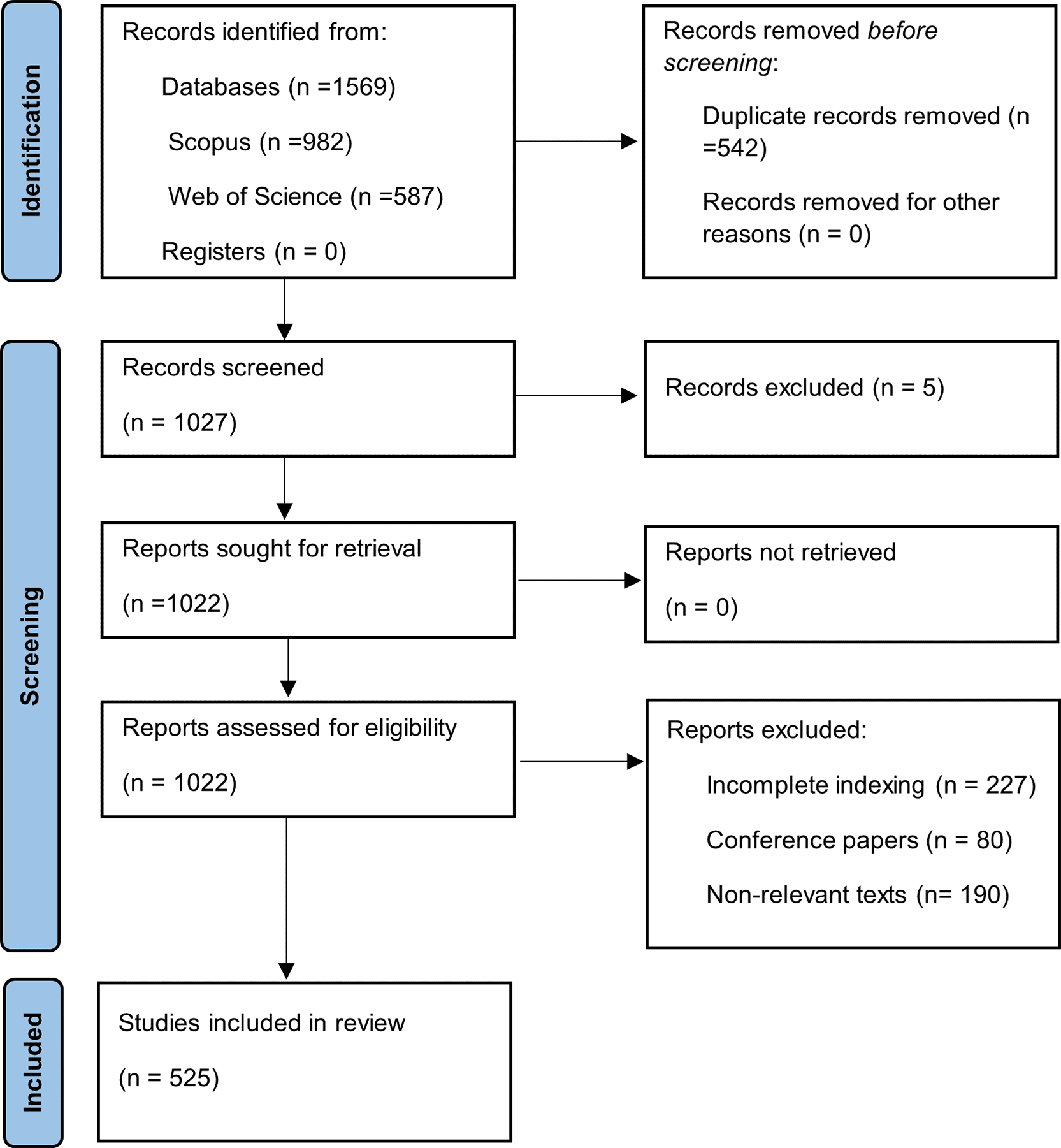
Own elaboration based on scopus and web of science.
The diagram displays the identification of articles in three stages. Firstly, the search strategy is executed in selected information sources, and duplicate documents are excluded. Secondly, the defined eligibility criteria are applied to exclude irrelevant records. Finally, 525 articles are obtained, which form the basis of analysis in this bibliometric research.
The results are presented in alignment with the research questions, providing a structured overview of publication trends, key contributors, geographical distribution, thematic evolution, and emerging concepts in sustainability research within the food industry.
This methodological presentation not only clarifies the scope of the research, but also enhances understanding of current and future directions in the field. Through bibliometric analysis, descriptive statistics were obtained to characterize the evolution of sustainability research in the food industry. To examine publication trends over time, a regression analysis was conducted using the annual number of publications as the dependent variable. The exponential trend shown in Figure 2 reflects a strong model fit (R2 = 0.9965), indicating that the model explains most of the observed variation in the data. In this context, the value refers to the goodness of fit of the trend model rather than inferential statistical significance. The most productive years in terms of scientific output were 2019, 2021, 2022, and 2023, reflecting a clear increase in scientific attention to this topic in recent years.
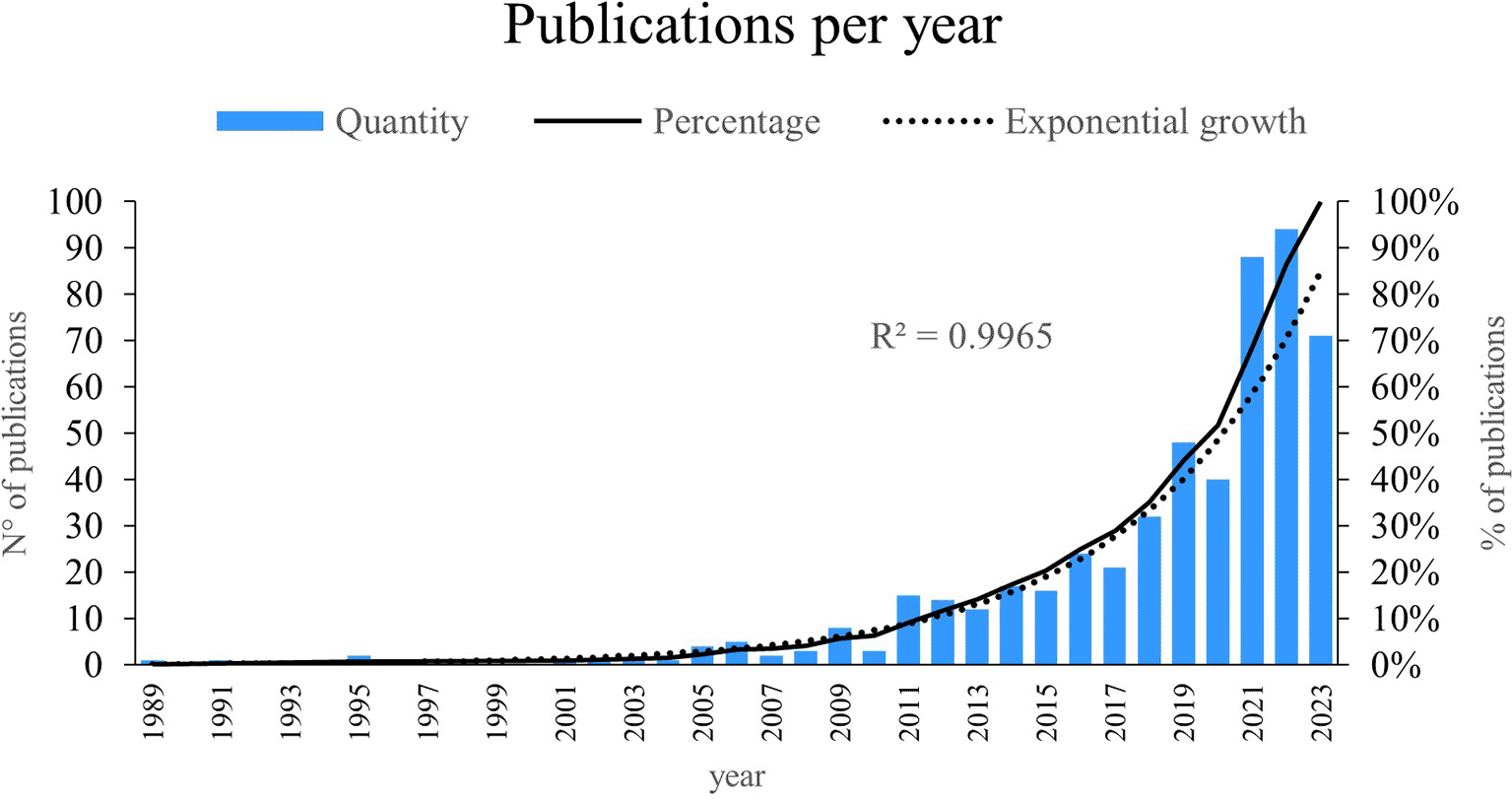
The figure shows the annual number of scientific publications on sustainability in the food industry over the study period. The trend line illustrates the overall growth pattern of the literature.
Source: Authors’ elaboration based on Scopus and Web of Science data.
The exponential growth pattern was identified through a descriptive regression analysis applied to the annual number of publications. An exponential trendline was fitted to the time series using Microsoft Excel®, and the reported value (99.65%) corresponds to the coefficient of determination (R2), which indicates the goodness of fit of the model. This analysis aims to illustrate the overall growth tendency of scientific production rather than to provide predictive or causal inferences.
On the other hand, when it comes to research references, three distinct groups of authors emerge, each playing a prominent role in terms of their level of scientific productivity and academic impact. These results are illustrated in Figure 3, which uses a Cartesian plane to determine the position of each group of authors based on the total number of citations they have received. The text identifies three groups of authors based on their scientific productivity and impact. Mangla and Luthra are distinguished for their outstanding scientific productivity and relevance of their contributions.
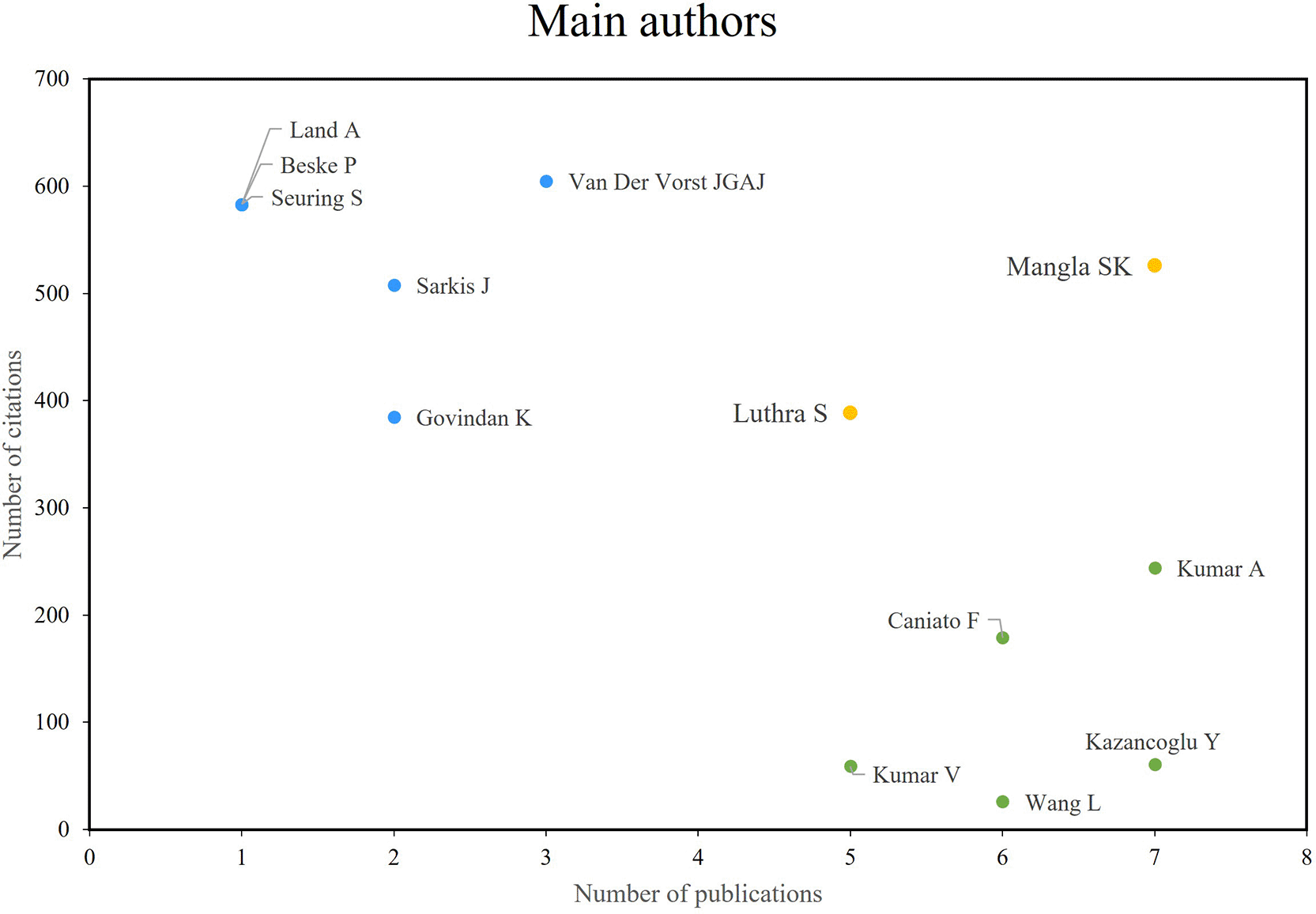
The figure presents the distribution of authors based on their scientific productivity and citation impact. The positioning reflects differences in the relationship between the number of publications and the number of citations.
Source: Authors’ elaboration based on Scopus and Web of Science data.
Land, Beske, Seuring, and Van Der Vorst are considered references in terms of impact, despite having a more moderate scientific productivity. Finally, the third group is led by author Kumar, who is distinguished by his scientific productivity, although it does not translate into the same number of citations. These results confirm the existence of different dynamics that converge between productivity and impact parameters within this field of research, providing a comprehensive overview of the composition and contributions of authors in this discipline.
This study identified three groups of journals based on their prominence and level of productivity and impact, as shown in Figure 4. The first group includes the journals International Journal of Production Economics, Journal of Cleaner Production, and Sustainability. These journals are highly important in terms of their scientific productivity and the impact generated by their publications.
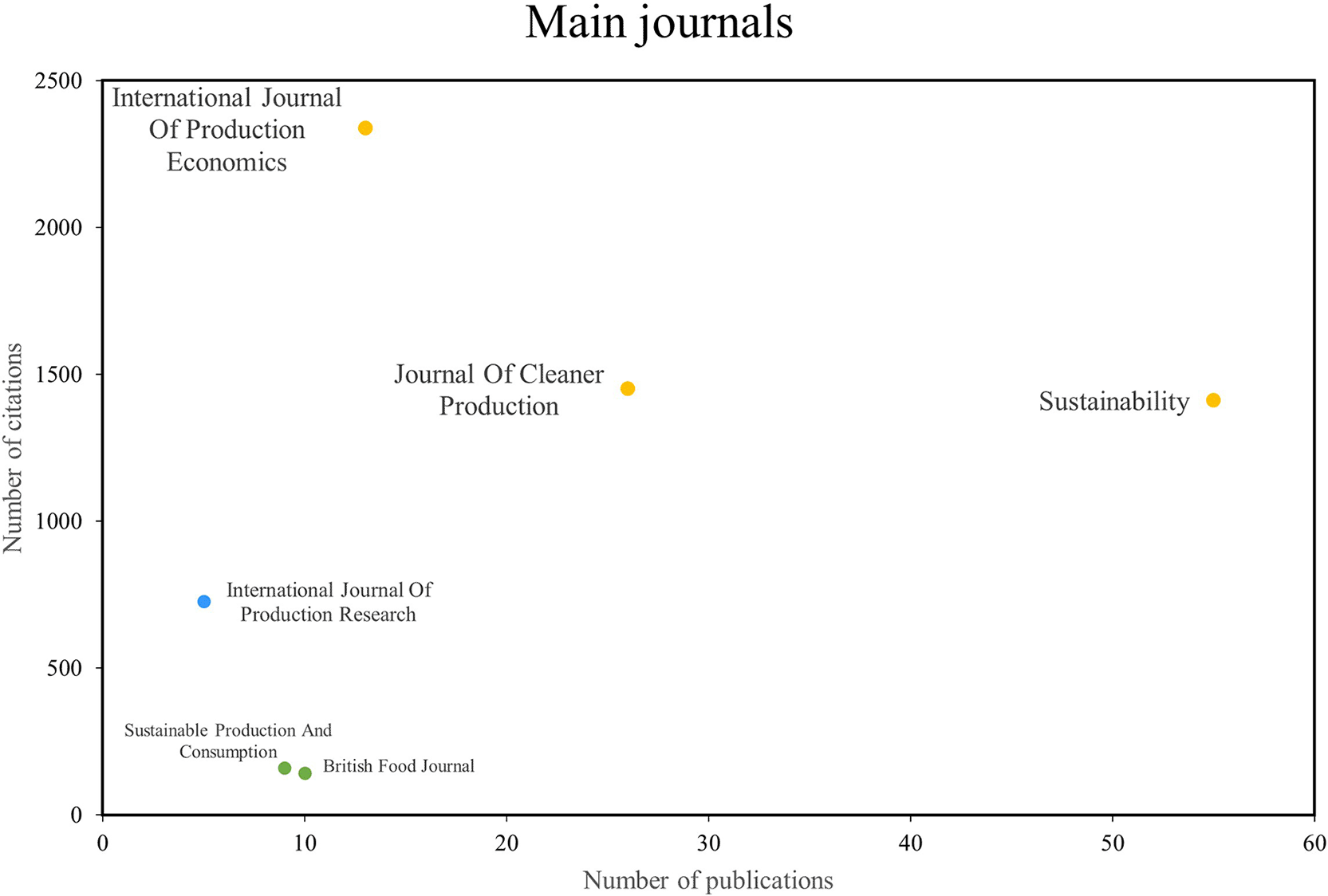
The figure shows the main journals in the field, classified according to their level of scientific productivity and citation impact. The distribution highlights differences between highly productive and highly cited journals.
Source: Authors’ elaboration based on Scopus and Web of Science data.
The second group of journals includes the International Journal of Production Research, which has a significant impact but moderate scientific productivity. The third group is led by the journal Sustainable Production and Consumption, which is highly scientifically productive but receives fewer citations.
The bibliometric analysis has identified three distinct groups of countries based on their level of productivity and impact, as shown in Figure 5. The first group comprises countries highly relevant to sustainability in the food industry, such as the United Kingdom, the United States, and Italy. These countries are recognized for their high levels of scientific productivity and academic impact.
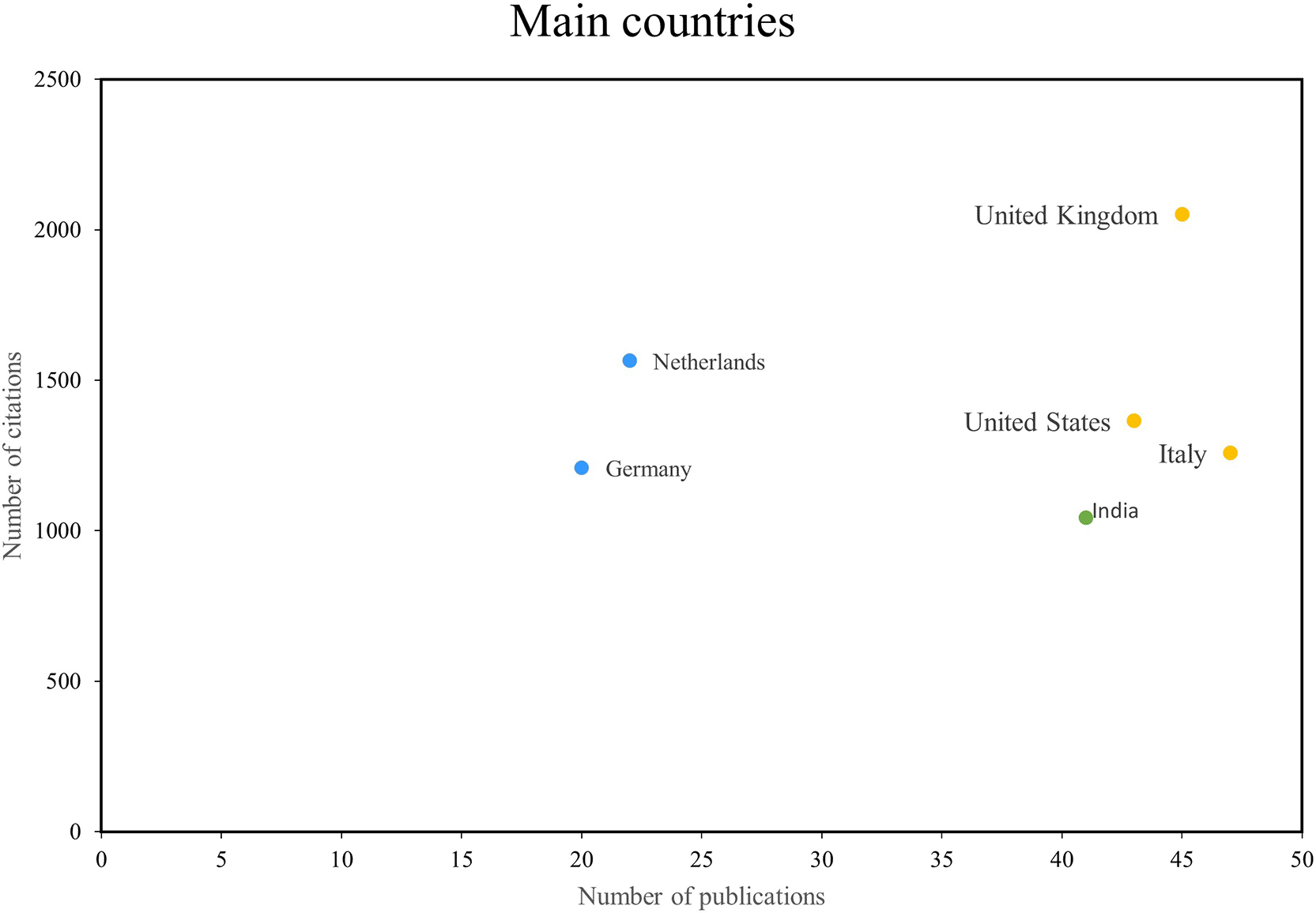
The figure presents the distribution of countries based on their scientific productivity and citation impact in sustainability research in the food industry. The positioning reflects differences in research output and influence.
Source: Authors’ elaboration based on Scopus and Web of Science data.
The most cited studies on sustainability in the food industry in the United States, the United Kingdom, and Italy reveal diverse regional approaches. In the United States, research highlights private investments as key drivers for addressing environmental issues in the agri-food sector. The study analyzes the decision-making process and conditions that lead to the adoption of sustainability instruments (Rueda et al., 2017).
Meanwhile, the Italian study by Del Borghi (2014) focuses on the environmental impacts of tomato-based products and proposes technical and managerial solutions through a Life Cycle Assessment. The UK research by Otles et al. (2015) addresses the global challenge of food waste management, highlighting waste recovery strategies and regulatory policies to improve the sustainability of the food industry worldwide. These regional variations provide valuable insights into sustainability, emphasizing the significance of localized approaches to addressing the environmental and social complexities of the food industry.
The second group consists of Holland and Germany, which are considered references in terms of impact, although their scientific productivity is more moderate. On the other hand, the third group of reference countries is led by India, a country that stands out above all for its scientific productivity, but not necessarily for the number of citations it receives.
The thematic evolution reflects a transition from early biophysical concerns, such as soil erosion, toward more integrative and systemic approaches, including circular economy and supply chain management. This shift can be associated with the increasing complexity of sustainability challenges, the rise of interdisciplinary research frameworks, and the influence of global policy agendas on food systems. The dominance of themes over time was determined based on the longitudinal frequency and co-occurrence of keywords, serving as an indicator of their relative prominence within the scientific discourse.
Figure 6 shows the results of an exhaustive analysis of thematic evolution, exploring the trend in the use of predominant keywords from 1989 to 2023. The initial year, 1989, identified the predominance of key concepts such as ‘soil erosion’, marking a milestone in early research in the field. In recent years, there has been a predominance of terms such as ‘circular economy’, ‘supply chain management’, ‘food safety’, ‘wastewater treatment’, and ‘food security’ in this discipline. These terms highlight the current trends of research and reflection while recognizing the changing nature of the field.
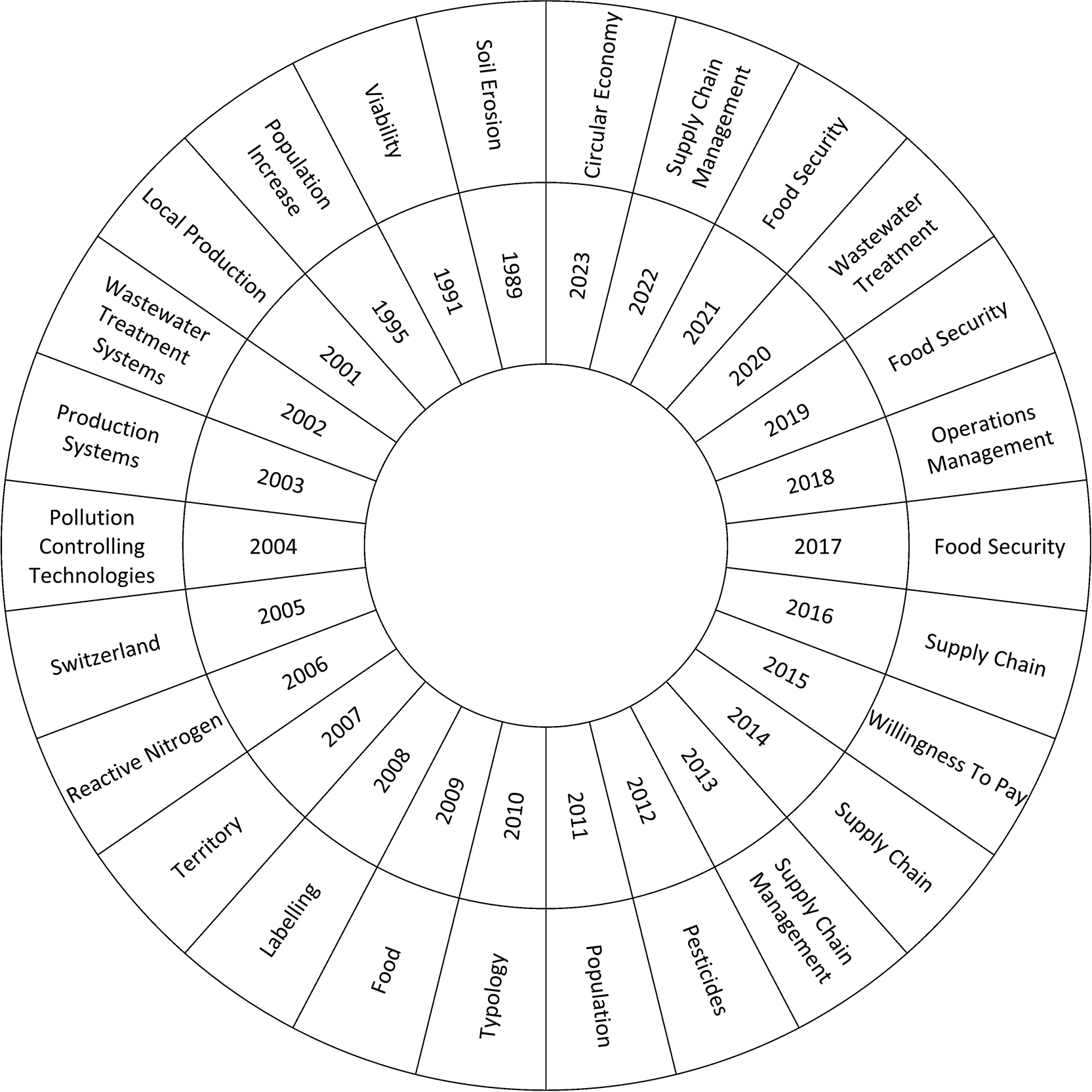
The figure shows the temporal evolution of the dominant keywords in the literature on sustainability in the food industry from 1989 to 2023. Terms positioned in later periods indicate more recent thematic prominence, whereas earlier terms reflect the initial conceptual orientation of the field. The figure illustrates the transition from early environmental concerns toward more systemic and management-oriented sustainability themes.
Source: Authors’ elaboration based on Scopus and Web of Science data.
The thematic development map reveals a clear longitudinal transition in the field. Early research was mainly oriented toward biophysical and resource-related concerns, such as soil erosion, whereas more recent themes are associated with circular economy, supply chain management, food safety, wastewater treatment, and food security. This shift suggests that sustainability research in the food industry has moved from relatively narrow environmental concerns toward broader systemic approaches that integrate operational, technological, and resilience-oriented dimensions. In analytical terms, the map indicates not only thematic diversification, but also the consolidation of sustainability as a multidimensional research domain shaped by contemporary global challenges.
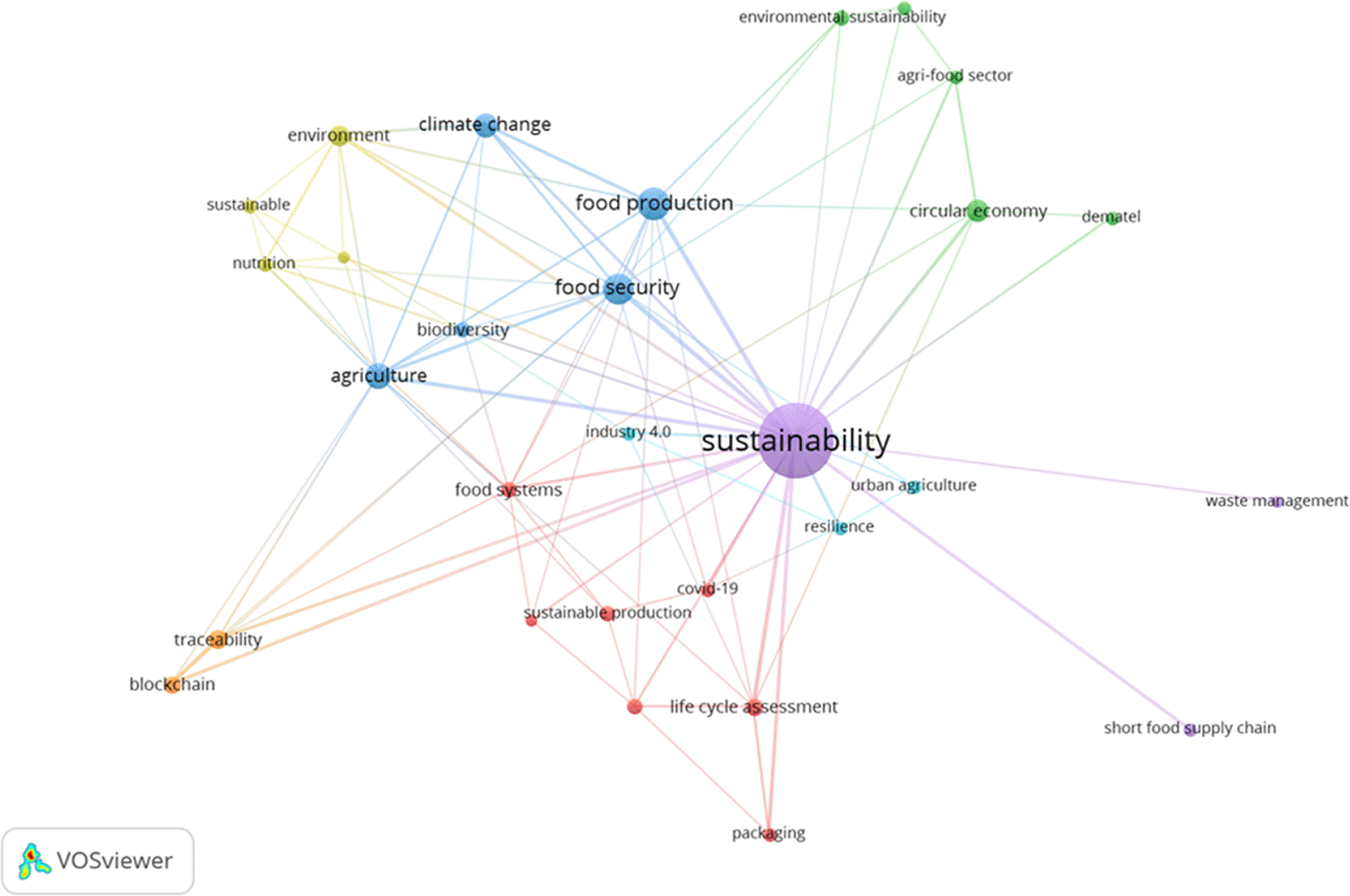
In this literature review study, a matrix of 7 thematic clusters is used to illustrate the central structure of the co-occurrence of keywords indexed in each scientific article, which is essential in the field of sustainability in the food industry. The purple cluster, composed of terms such as ‘sustainability’, ‘waste management’, and ‘short food supply chain’, predominates, showing its high conceptual coherence.
Following the red cluster is the blue cluster, which is defined by terms such as ‘food security’, ‘food production’, ‘climate change’, ‘biodiversity’, and ‘agriculture’, covering a wide range of interrelated topics. Additionally, clusters of green, yellow, orange, and turquoise coexist, adding layers of thematic affinity and providing a clear visual structure regarding the key conceptual relationships in the subject of this study.
Finally, the investigation includes a unique approach by proposing a Cartesian system, as shown in Figure 8. The system is based on the frequency of use in relation to the validity of each relevant keyword in the context of this research. The validity was determined by observing the average year of use in relation to the scientific literature. This generates four quadrants for the comprehensive analysis of the dynamics described above.
The four quadrants are created by plotting the frequency of use on the X-axis and validity on the Y-axis. Quadrant 4 shows the concepts in decline, where keywords such as ‘agriculture’ and ‘food’ are observed to be less prominent in terms of their usage over time. On the other hand, Quadrant 2 displays terms with low frequency but high validity, categorized as emerging topics. These include ‘Covid-19’, ‘Circular Economy’, ‘Blockchain’, ‘Agri-Food Sector’, and ‘Climate Change’, which are considered current research trends. Meanwhile, quadrant 1 contains consolidated and growing concepts. In this case, the term ‘food security’ is present, demonstrating its deep-rooted relevance and persistent adoption in current academic discourse addressing sustainability in the food industry.
The Cartesian system was designed to visualize keyword dynamics based on frequency of occurrence and temporal recency of use. The metric initially referred to as “validity” corresponds to the average year of appearance of each keyword and is better understood as an indicator of temporal relevance. Quadrant thresholds were defined using the mean values of both frequency and temporal recency, allowing for a relative classification of keywords as emerging, consolidated, declining, or peripheral within the analyzed corpus.
From an interpretive perspective, the Cartesian distribution of keywords provides insights into how concepts evolve over time. Keywords located in the emerging quadrant represent topics that have gained recent attention but have not yet reached high consolidation, such as Covid-19, blockchain, and circular economy. In contrast, food security appears as a consolidated and growing concept, reflecting its stable and central role in the literature. Meanwhile, terms such as agriculture and food, although historically important, appear in declining positions because the field has progressively shifted toward more specific and operational concepts. Therefore, the figure does not imply that these topics have lost substantive importance, but rather that the vocabulary of the field has become more specialized and analytically differentiated over time.
This section interprets the main findings of the bibliometric analysis, focusing on scientific production trends, key contributors, thematic evolution, and emerging research directions. It also examines the practical implications, limitations, and research gaps identified, providing a foundation for a future research agenda in sustainability within the food industry.
The bibliometric analysis reveals a sustained growth in scientific production on sustainability in the food industry throughout the analyzed period (see Figure 2), with a marked increase from 2019 onwards and a peak in 2022. This trend reflects the growing academic interest in addressing sustainability through multidimensional approaches that integrate environmental, economic, and technological perspectives. During this period, research increasingly focused on global challenges such as CO2 emissions, population growth, food production, and energy consumption, particularly in developing economies (Rehman, 2022). At the same time, innovation-oriented studies examined the role of emerging technologies, such as blockchain, in enhancing transparency and efficiency within sustainable food supply chains at a global scale (Friedman & Ormiston, 2022).
The years 2021 and 2023 further consolidated this trajectory, with research addressing the design of sustainable perishable food supply networks and their contribution to the Sustainable Development Goals, including empirical case studies in the dairy sector (Jouzdani & Govindan, 2021). Other studies explored sustainable practices in agri-food supply chains under conditions of uncertainty and complex market dynamics (Joshi et al., 2023; Gholian-Jouybari, 2023). Earlier contributions had already laid important foundations by assessing the economic, environmental, and social sustainability of short food supply chains (Malak-Rawlikowska et al., 2019) and by examining the role of information and communication technologies in promoting the sustainable growth of small and medium-sized enterprises in the food industry (Singh et al., 2019). Collectively, these studies illustrate a progressive shift toward integrated analytical frameworks that combine operational efficiency, technological innovation, and systemic sustainability.
This quantitative expansion of the literature is closely aligned with the consolidation of a core group of influential authors, journals, and countries shaping the intellectual structure of the field. In terms of key research references (see Figure 3), authors such as Mangla and Luthra stand out due to their high academic productivity and scientific impact, particularly in studies addressing enabling factors for implementing sustainable initiatives in agri-food supply chains and the application of digital technologies to support sustainable SME growth (Mangla, 2018; Singh et al., 2019). Additional influential contributions from authors such as Beske, Seuring, and Van der Vorst have advanced the field by integrating concepts of sustainable supply chain management, dynamic capabilities, simulation modeling, and holistic decision-making that jointly consider product quality, logistics, and sustainability objectives (Beske et al., 2014; Vorst et al., 2009).
From an editorial perspective, journals such as International Journal of Production Economics, Journal of Cleaner Production, Sustainability, and International Journal of Production Research emerge as the most prolific and influential outlets in this research domain (see Figure 4). These journals have played a central role in consolidating sustainability as a core research theme within the food industry by publishing studies on sustainable supply chain management, technological innovation, life cycle assessment, and the transition toward more sustainable agri-food systems (Beske et al., 2014; Grimm et al., 2014; Notarnicola et al., 2012; Saurabh & Dey, 2021).
Regarding the geographical distribution of scientific production (see Figure 5), countries such as the United Kingdom, the United States, Italy, the Netherlands, and Germany emerge as leading contributors to research on food industry sustainability. The United Kingdom has been particularly influential through studies on local food supply chains, producer sustainability, and ecological entrepreneurship (Ilbery & Maye, 2005; Marsden & Smith, 2005). The United States and Italy have contributed substantially through research on sustainable management practices, environmental assessment, and strategic decision-making in agri-food supply chains (Grimm et al., 2014; Zanoni & Zavanella, 2012; Del Borghi, 2014). Similarly, Germany and the Netherlands have played a key role in advancing analytical models and sustainable management practices applicable to food supply chains (Beske et al., 2014; Vorst et al., 2009).
Overall, integrating the analysis of scientific production growth with the examination of key references, journals, and countries reveals not only a quantitative expansion of research on sustainability in the food industry, but also the consolidation of a well-defined intellectual structure. This structure is characterized by influential academic actors and geographically concentrated research hubs that collectively shape contemporary research agendas and methodological approaches within the field.
Regarding thematic evolution, early research on sustainability in the food industry was primarily oriented toward environmental concerns related to food production, with a strong emphasis on soil erosion and land degradation (Brklacich, 1989). Over time, this focus expanded substantially (see Figure 6), incorporating broader and more complex dimensions such as circular economy, supply chain management, food safety, wastewater treatment, and food security. This evolution reflects a growing awareness of the need to address sustainability challenges in the food industry from a more integrated and systemic perspective, capable of responding to changing dynamics and emerging global demands.
From 2019 onwards, food security emerged as a central research theme, particularly in relation to technological and energy-based solutions for sustainable food production. For example, Kinney et al. (2019) analyzed the use of geothermal energy to improve food access in remote communities in northern Canada, highlighting the role of renewable energy in enhancing food security. In 2020, attention shifted toward wastewater treatment as a critical issue for environmental management and public health, with studies proposing more efficient and sustainable pretreatment processes for food industry effluents (Boguniewicz-Zablocka, 2020). In 2021, food security regained prominence through research addressing the sustainability of agri-food supply chains under conditions of uncertainty, including epidemic outbreaks, and emphasizing the enabling role of digital technologies such as the Internet of Things (Yadav et al., 2021). Subsequently, supply chain management became particularly salient in 2022, as studies highlighted the contribution of quality practices and transparency in fresh food supply chains to organizational sustainability and waste reduction (Siddh et al., 2021). More recently, in 2023, the circular economy emerged as a dominant conceptual framework, with research examining its potential to drive sustainable development through waste reduction and resource reuse within food supply chains (Kumar, 2023a).
Complementing this temporal analysis, the co-occurrence network of keywords reveals the internal thematic structure of the field (see Figure 7). The network was generated using VOS viewer, applying a keyword co-occurrence analysis. Prior to the analysis, keywords were normalized by merging synonyms and similar terms (e.g., singular/plural forms and spelling variations) to ensure consistency in the dataset. A minimum occurrence threshold was established for keyword inclusion in the network, allowing the identification of the most relevant terms in literature. The clustering procedure was performed using the VOS viewer clustering algorithm based on association strength, which groups keywords according to the intensity of their co-occurrence relationships.
The X-axis represents keyword frequency, and the Y-axis represents temporal relevance, operationalized as the average year of keyword occurrence in the dataset. The four quadrants classify keywords according to their relative position as consolidated, emerging, declining, or peripheral topics. This figure supports the identification of current priorities and shifting conceptual dynamics within the field.
Source: Authors’ elaboration based on Scopus and Web of Science data.
The most prominent cluster, identified in purple, centers on sustainability, waste management, and short food supply chains, emphasizing the role of waste reduction strategies in improving the overall sustainability of fresh food supply chains (Kaipia et al., 2013). A second major cluster, shown in blue, encompasses food security, food production, climate change, biodiversity, and agriculture, reflecting broader systemic and environmental concerns related to resilience and long-term sustainability. Together, these clusters illustrate how sustainability research in the food industry has evolved around interconnected yet distinct thematic pillars.
The keyword co-occurrence network should be interpreted as a representation of the intellectual structure of the field. Larger nodes indicate concepts with greater visibility in the literature, while stronger links reflect terms that are frequently studied together. In this case, the predominance of the cluster centered on sustainability, waste management, and short food supply chains suggests that resource efficiency and localized supply strategies constitute a major thematic core of the field. At the same time, the relative separation between some clusters indicates that literature still develops several sustainability-related themes in a fragmented manner. This is particularly relevant for understanding the limited integration between technology-oriented approaches, food security, and broader systemic resilience, thereby revealing opportunities for future interdisciplinary research.
However, a closer examination of the co-occurrence network suggests that links between these clusters remain relatively weak, particularly between waste management-oriented supply chain research and themes related to food security, digital technologies, and production resilience. This pattern indicates that much of the literature approaches sustainability from compartmentalized perspectives rather than integrated frameworks. Consequently, research that explicitly bridges circular economic practices, food security objectives, technological adoption, and systemic resilience remains limited, highlighting important opportunities for future interdisciplinary and cross-thematic studies.
The bibliometric analysis reveals notable changes in the relevance and function of key concepts associated with sustainability in the food industry (see Figure 8). Traditionally central terms such as “agriculture” and “food” have shown a decline in their frequency of use in recent years. Although these concepts historically constituted the backbone of food sustainability research, their reduced presence suggests a shift in scholarly attention toward more specialized and functionally defined themes. Currently, “agriculture” appears mainly in studies that explicitly link sustainable agricultural practices with food production and poverty reduction, particularly in developing contexts (Omodero, 2021). Similarly, despite the foundational role of “food” in sustainability debates related to food safety, waste, and distribution, its declining frequency indicates a transition toward more precise and operational terminology within the field (A. Kumar, 2020).
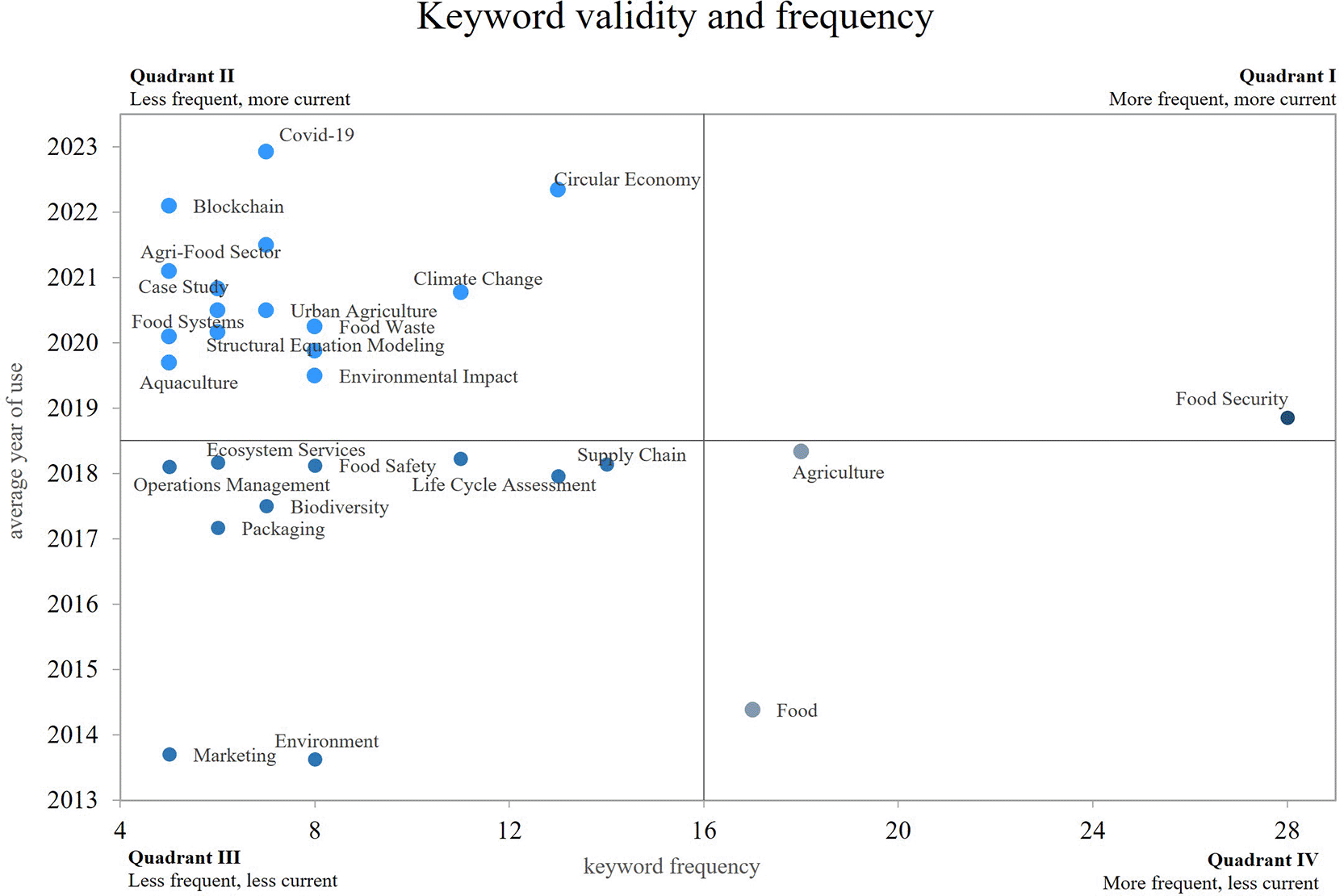
The X-axis represents keyword frequency, and the Y-axis represents temporal relevance, operationalized as the average year of keyword occurrence in the dataset. The four quadrants classify keywords according to their relative position as consolidated, emerging, declining, or peripheral topics. This figure supports the identification of current priorities and shifting conceptual dynamics within the field.
Source: Authors’ elaboration based on Scopus and Web of Science data.
This semantic shift is further reflected in the emergence and consolidation of new thematic priorities. In Quadrant 2, the analysis highlights Covid-19, circular economy, and blockchain as concepts of growing relevance. The Covid-19 pandemic has had a transformative effect on sustainable food supply chains, emphasizing the need for resilience, adaptability, and real-time monitoring (V. Kumar, 2023b). The circular economy has become a key paradigm for addressing environmental challenges in the food sector, promoting resource efficiency, waste minimization, and closed-loop systems through practices such as life cycle assessment and eco-design (Krishnan, 2020). At the same time, blockchain technology has emerged as a disruptive tool capable of enhancing transparency, traceability, and trust across food supply chains by enabling decentralized and immutable data records (Joo & Han, 2021).
In contrast, Quadrant 1 captures concepts that have consolidated their relevance over time, with food security standing out as a central and enduring concern. Food security remains a fundamental pillar for global stability and population well-being, encompassing not only food availability but also access, utilization, and nutritional adequacy. Research in this area has addressed the role of sustainable agriculture in ensuring food security in developing countries (Pawlak & Kołodziejczak, 2020), as well as emerging challenges such as natural epidemics. Recent studies emphasize the integration of digital technologies, particularly the Internet of Things (IoT), to enhance the resilience and sustainability of agri-food supply chains under crisis conditions (Yadav et al., 2021).
To further structure these findings, Table 1 presents a functional classification of emerging and growing keywords related to sustainability in the food industry. Keywords were categorized according to their predominant function, associated tools, applications, and defining characteristics, considering their frequency, validity, thematic clustering, and temporal evolution. This classification highlights key areas such as Covid-19, circular economy, blockchain, climate change, the agri-food sector, and food security, providing a synthesized view of current research priorities and future opportunities. By linking conceptual evolution with functional roles, this integrated analysis offers a clearer understanding of how sustainability research in the food industry is evolving toward more applied, technology-driven, and system-oriented approaches.
Own elaboration based on scopus and web of science.
Compared to the findings of our study, the results of the literature review highlight a landscape in which sustainability in the food industry is seen as an ever-evolving field, with an increasing focus on the adoption of emerging technologies such as artificial intelligence, blockchain and precision agriculture (Galanakis, 2020; Şimşek et al., 2024). However, our results reveal an even more recent trend, with a significant increase in scientific production between 2021 and 2023, reflecting a surge in interest in this topic. The key difference lies in the fact that while the technologies mentioned in the literature are recognised as key factors for improving sustainability, our research identifies a concentration of terms such as ‘circular economy’ and ‘food security’, which stand out as consolidated and growing concepts in current research. This finding supports the idea that as emerging technologies gain traction, traditional concepts such as food security remain central to academic discussions.
Furthermore, when looking at authorship patterns and key contributions, figures such as Mangla and Luthra emerge as key references in terms of productivity and impact, which is consistent with the identification of countries such as the UK, the US and Italy as the most productive and influential in the field of food sustainability. However, our research goes further by identifying three groups of countries with different dynamics of productivity and impact. The case studies mentioned in the literature, such as those by Rueda et al. (2017) and Otles et al. (2015), address critical aspects of sustainability in different regions, while our findings show a growing interest in global issues such as climate change and the circular economy. This suggests that while regional research remains relevant, there is an increasing global interconnectedness around food sustainability, with a particular focus on resilience and adaptation to global crises such as the COVID-19 pandemic.
In contrast to the present research, which focuses on the bibliometric evolution of sustainability in the food industry, (Herrero, 2010) emphasize the importance of mixed cropping and livestock systems as significant contributors to global food production. They highlight the need for policies aimed at intensifying agricultural production through efficient input management to reduce waste and environmental impact. Rana, Tricase, and De Cesare, Rana et al. (2021) discuss the potential of blockchain technology in the agri-food supply chain and its contribution to sustainability. Although the author’s research highlights the relevance of key terms such as ‘Circular Economy’ and ‘Blockchain’, Herrero et al. and Rana et al. offer specific approaches related to sustainable agricultural production and the application of technology in the supply chain, respectively.
However, Nicholls et al. (2020) emphasize the role of small-scale food production in urban areas in achieving the Sustainable Development Goals (SDGs). They examine how urban and peri-urban agriculture, with its small scale and diverse crops, can provide a sustainable alternative by addressing multiple SDGs, including biodiversity and local food production. This study focuses on the evolution of key terms and approaches in the literature on food sustainability. Compared to Garcia et al. (2020) research, which emphasizes the need for a ‘One Health’ approach to ensure food safety and sustainable production, this study offers a more focused view of emerging trends and themes in academic research on sustainability in the food industry. Nicholls et al. demonstrate the significance of sustainable local production. Garcia et al. propose a broader ‘One Health’ framework that addresses the interconnectedness of human, animal, and environmental health in food production. It is important to consider both perspectives when evaluating sustainable food production.
From the perspective of transitions toward sustainability, the thematic shift identified in this study reflects a broader movement from specific environmental concerns toward systemic and integrative frameworks, such as the circular economy and food system resilience. This evolution is consistent with theories of socio-technical transitions, which argue that changes in scientific agendas tend to reflect transformations in public policy priorities, technological innovation, and social expectations. Recent evidence shows that research on sustainability in the food industry has experienced rapid and sustained growth, particularly since 2018, establishing itself as an emerging and highly dynamic field with a clearly defined intellectual structure (Şimşek et al., 2024).
The growing centrality of issues such as food systems, food supply chains, food security, climate change, food waste, and the circular economy confirms a shift towards multidimensional and integrated analytical approaches, beyond isolated environmental issues. From the perspective of food system transformation, the concentration of scientific production in certain regions and thematic clusters highlights how dominant scientific agendas shape the global understanding of sustainability challenges. Bibliometric evidence indicates that countries such as the United States, the United Kingdom, and Italy act as central nodes in the production and dissemination of knowledge, while regions such as Africa and Latin America are less represented, revealing persistent geographical asymmetries in scientific visibility and influence (Şimşek et al., 2024).
These patterns are closely linked to the role of the food industry as a key player in the transition to sustainability, as companies respond to pressure from policymakers, consumers, and other stakeholders to reduce their environmental footprint, improve supply chain transparency, promote ethical sourcing, and adopt circular economy principles (Prasanna et al., 2025).
Likewise, the literature emphasizes that the sustainability of food systems cannot be addressed exclusively from the primary production stage but must consider the entire food value chain in a comprehensive manner, including processing, distribution, and consumption. While the pre-harvest phases contribute significantly to key environmental indicators, such as greenhouse gas emissions, the post-harvest stages play a critical role in maintaining food quality, reducing losses, and increasing the overall efficiency of the system (Schottroff et al., 2022). In this context, tools such as Life Cycle Assessment have established themselves as central instruments for comprehensively evaluating the environmental, economic, and social dimensions of sustainability, supporting evidence-based decision-making and the design of public policies in food systems.
Finally, when comparing the present research to the studies of Režek Jambrak et al. (2021) and Desiderio et al. (2022), additional perspectives on sustainability in the food industry are presented. Režek Jambrak et al. (2021) highlighted the convergence of emerging technologies, such as the Internet of Things (IoT) and non-thermal food processing, in the creation of ‘Internet of nonthermal food processing technologies’ (IoNTP). The study emphasizes the need to evaluate the feasibility of integrating smart sensors, artificial intelligence, and additive technologies with non-thermal approaches. This approach, focused on digitalization and sustainability, highlights the importance of life cycle assessment and points out potential benefits such as energy savings and optimized environmental performance. On the other hand, the work of Desiderio et al. (2022) examines the social dimension of sustainability in the food supply chain, evidencing the lack of consensus and tools to measure social aspects. The article discusses social sustainability tools and measures at different stages of the supply chain, emphasizing the importance of maintaining attention to social sustainability throughout the chain. The studies cited in this article provide additional perspectives on the challenges and opportunities in pursuing sustainability in the food industry, including both technological and social aspects.
Overall, the comparison with previous studies reveals both convergence and divergence in the way sustainability in the food industry is conceptualized and studied. While earlier research has tended to focus on specific technological or production-oriented solutions such as blockchain applications in supply chains, precision agriculture, or non-thermal food processing our bibliometric findings suggest a gradual shift toward more systemic and integrative perspectives. In particular, the increasing prominence of concepts such as circular economy, food security, and food systems resilience indicates that recent academic debates are moving beyond isolated technological solutions toward broader frameworks that consider environmental, social, and economic dimensions simultaneously. From a theoretical perspective, this trend aligns with socio-technical transition theory and food systems transformation approaches, which emphasize the interaction between technological innovation, institutional change, and societal pressures in shaping sustainability pathways. Therefore, the present study contributes to the literature by not only mapping the evolution of scientific production but also highlighting how the intellectual structure of the field is progressively shifting toward more holistic and interdisciplinary approaches to sustainability in the food industry.
The use of bibliometrics in this study has revealed important shifts in the thematic focus of sustainability in the food sector, highlighting the transition from earlier concerns such as soil erosion to more contemporary issues such as circular economy, supply chain management, food security and wastewater treatment. This shift highlights a wider reorientation of research priorities, indicating an increased recognition of the complex challenges facing the food sector, including agricultural practices, environmental concerns and the need for more systematic and integrated solutions.
The dominant themes emerging from the analysis, in particular sustainability, waste management and short supply chains, underline the growing convergence between environmental efficiency and local, sustainable approaches to food production and distribution. This conceptual shift calls for the promotion of local, sustainable production strategies that minimise environmental impacts and increase the resilience of food systems.
The frequency and validity analysis of keywords revealed an interesting trend: terms such as agriculture and food are becoming less relevant, while emerging concepts such as circular economy, blockchain and climate change are gaining prominence. These evolving terms reflect the increasing focus on technological innovation and the broader environmental challenges that the food industry needs to address. In addition, food security remains a key issue, highlighting the critical need to ensure equitable access to safe and nutritious food amidst ongoing environmental and health transformations.
Exploring these research trends is crucial for shaping future policies and industry practices. By understanding the emerging directions in sustainability research, policymakers and industry leaders can design strategies that address the pressing environmental, social, and economic challenges in the food system. This analysis lays a foundation for the development of effective policies and practices that foster sustainability while encouraging innovation. It also highlights the importance of connecting research findings with practical applications in order to drive the adoption of more sustainable approaches and technologies, ultimately advancing toward a more sustainable and equitable global food system.
The bibliometric analysis was conducted using the PRISMA-2020 methodology and the Scopus and Web of Science databases to identify research trends in sustainability within the food industry. However, several methodological limitations should be acknowledged. First, the database selection may introduce selection bias, as relevant publications indexed in other sources, regional databases, or grey literature repositories were not included. Consequently, the results primarily reflect research visible in internationally indexed journals rather than the entirety of global scientific production.
Second, the search strategy was restricted to the title field in both databases. Although this approach increases precision and reduces the retrieval of unrelated documents, it may exclude studies in which relevant concepts appear only in the abstract or keywords. Future research could expand the search to include title, abstract, and keywords fields in Scopus and subject or topic fields in Web of Science to improve coverage and comprehensiveness.
Third, the bibliometric procedures were conducted using Microsoft Excel® and VOSviewer®, including data cleaning, keyword normalization, and co-occurrence network analysis. While these tools are widely used in bibliometric research, the analysis relies primarily on quantitative indicators and may not fully capture the semantic complexity of the literature. Therefore, the results should be interpreted as descriptive representations of thematic structures rather than exhaustive conceptual analyses.
Additionally, the statistical treatment of publication trends was applied as a descriptive approach to identify growth patterns in the literature, rather than as an inferential analysis intended to generalize beyond the dataset. This clarification is important to avoid overinterpretation of bibliometric indicators.
Finally, although the dataset used in this study was systematically compiled and validated, access to bibliographic records may vary depending on database subscription conditions. Future studies could enhance transparency and reproducibility by providing datasets or search strategies in open repositories whenever permitted by database licensing conditions.
The bibliometric findings reveal several critical research gaps that extend beyond thematic absences and reflect structural and methodological limitations within the field. These gaps include the limited representation of studies from developing regions, the underexploration of socio-cultural and behavioral dimensions of sustainability, and the predominance of technical and conceptual approaches over empirical and longitudinal analyses. Addressing these gaps requires the adoption of mixed methodologies, comparative regional studies, and interdisciplinary frameworks capable of capturing the complexity of sustainable food systems. By integrating these gaps into the main discussion, the study provides a clearer foundation for the proposed research agenda and future empirical investigations.
Refer to underlying data Table 2 presents research and conceptual gaps in sustainability within the food industry that require further attention in future studies. The corresponding justifications and future questions to address these issues are also detailed. These gaps indicate areas where the current literature is deficient and require further exploration on a larger scale to enhance the comprehensive understanding of the relationship between sustainability and the food industry.
Refer to underlying data Table 2 includes gaps in various categories, including those related to the circular economy in the food supply chain, waste management, loss minimization, the incorporation of new technologies such as blockchain, the COVID-19 pandemic, and climate change. These categories aim to improve traceability, transparency, and the industry’s adaptation to unforeseen events. Similarly, this resource emphasizes important topics such as food security within the context of sustainability. It promotes the use of short and localized food systems. This guide is useful for researchers seeking to explore current knowledge gaps in the field. By addressing these gaps, a comprehensive and holistic understanding of the challenges and opportunities in this critical area can be achieved.
Sustainability in the food industry is a critical area of research due to global challenges such as food security, environmental degradation, and climate change. These issues are interrelated and require comprehensive consideration of economic, environmental, and social aspects of food production and consumption. In this context, the Multidisciplinary Research Agenda is presented to contribute to the development of future research in sustainability in the food industry. The agenda consists of a series of keywords, each reflecting a critical area of study addressing current challenges and emerging opportunities.
This agenda serves as a tool to identify knowledge gaps and guide researchers towards areas that require greater attention. Its aim is to inform and promote the transformation of the food industry towards a more sustainable production and equitable access to resources. Regarding food security, it is a crucial aspect of the sustainability of the food industry. It is widely acknowledged as necessary to guarantee equal access to nutritious and adequate food in a constantly evolving world. Therefore, future research should further analyze innovative strategies that address the challenges of food security in terms of sustainability. This analysis should take into account the impact of climate change, price instability, equitable distribution of resources, and the adaptive capacity of food systems in times of crisis.
Agriculture plays a central role in this issue as the primary source of food. Future research could focus on promoting sustainable agricultural practices that minimize the use of agrochemicals, exploring cropping systems related to agroecology, and assessing the impact of precision agriculture technology. These research areas contribute significantly to advancing knowledge in this regard.
Regarding supply chain management, optimizing traceability and transparency is essential for achieving comprehensive sustainability. Future research should focus on waste reduction, logistics efficiency, and cooperation among supply chain actors. Similarly, exploring circular supply chain approaches is necessary to gain insights on closing material cycles and minimizing environmental impacts from production to consumption.
Environmental impact assessment is a crucial topic that can be approached from various angles. Future research could focus on quantifying environmental impacts through tools like life cycle assessment and the environmental footprint approach. Additionally, studying the adoption of cleaner production practices that use environmentally friendly technologies is relevant to minimize greenhouse gas emissions and reduce environmental degradation.
Finally, sustainable marketing is a topic that has gained great relevance and is growing. Therefore, future research should analyze marketing strategies that influence the adoption of responsible consumption habits and explore narratives that influence consumer purchases. It is important to communicate effectively, highlighting the environmental and social benefits for the advancement of sustainability in the industry.
Regarding Figure 9, it displays the research agenda for the sustainability of the food industry. The figure includes key terms that have been studied since 1995, such as environment, biodiversity, food systems, and aquaculture. Some of these terms have lost validity over time. The lack of current relevance is a potential issue that could be addressed in future research. This could involve analyzing the environmental and social factors that may contribute to the decline in participation in current studies.
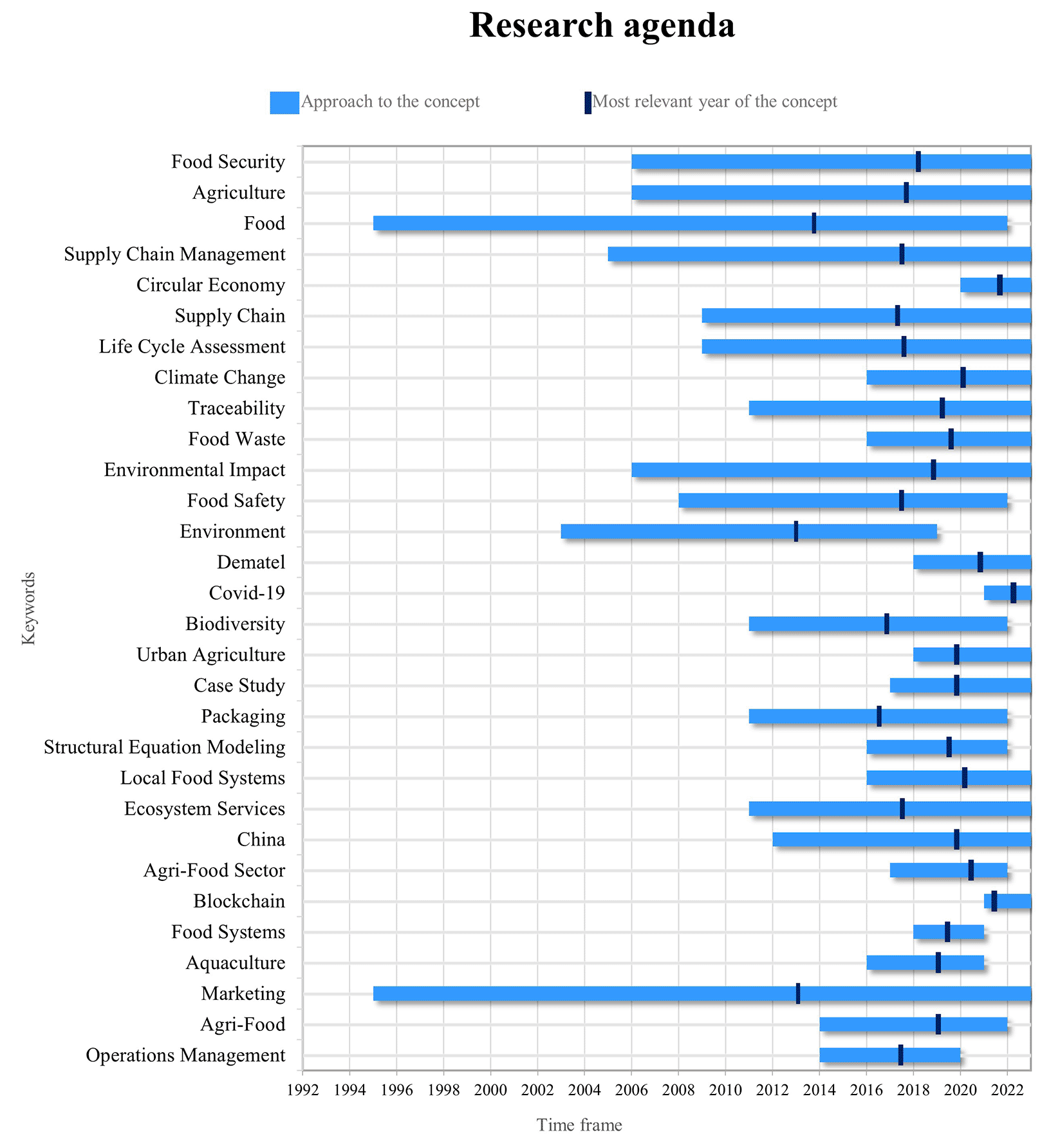
Prepared by the authors based on scopus and web of science.
The detailed bibliometric analysis of sustainability in the food industry has provided deeper and more nuanced insights into the research questions posed. In terms of years of interest, a growing focus can be observed in recent years, particularly in 2021, 2022 and 2023, highlighting a notable increase in attention to sustainability in a short period of time. This increase reflects a growing awareness and concern about the environmental and social challenges facing the industry, which is supported by the exponential growth in the number of academic articles, highlighting the constant relevance and evolution of the topic.
Key authors such as Mangla and Luthra and prestigious journals such as the Journal of Production Economics, Journal of Cleaner Production and Sustainability have set the standard in the field. Furthermore, the prominence of countries such as the United Kingdom, the United States and Italy in research highlights the global and transnational nature of sustainability challenges in the food industry. The thematic evolution, from an initial focus on soil erosion to current concepts such as circular economy and supply chain management, reflects the ability of scientific research to adapt and address emerging and relevant issues in response to the changing demands of society and industry.
The thematic clusters focusing on sustainability, waste management and short supply chains demonstrate the coherence and interconnectedness of concepts in the area of sustainability in the food industry. These clusters show that researchers approach sustainability from different perspectives and recognise the importance of responsible and comprehensive management in the food value chain. Emerging keywords such as Covid-19, circular economy and blockchain reflect how food sustainability research is responding to current developments and integrating disruptive technologies to address current challenges and harness innovation in sustainable solutions.
In addition, research gaps are highlighted in topics such as the psychosocial impact of sustainability, comprehensive assessment of sustainability in the food supply chain, the role of technology and innovation, and the need to integrate socio-cultural approaches in food sustainability research. Geographical gaps include the need to study food sustainability in developing countries in Africa, to compare sustainability strategies across regions, and to assess urban food systems globally. The importance of integrating socio-cultural approaches, linking food sustainability to human health, analysing the economic impact of sustainable practices and evaluating the long-term effectiveness of sustainability initiatives is also highlighted.
Finally, in terms of the future research agenda, the need to deepen key concepts is emphasised, highlighting the importance of establishing a solid foundation for the development of future studies in an ever-expanding field. This conclusion suggests that the academic community needs to continue to explore and define fundamental concepts in order to advance the understanding and application of sustainability in the food industry.
| Views | Downloads | |
|---|---|---|
| F1000Research | - | - |
|
PubMed Central
Data from PMC are received and updated monthly.
|
- | - |
Provide sufficient details of any financial or non-financial competing interests to enable users to assess whether your comments might lead a reasonable person to question your impartiality. Consider the following examples, but note that this is not an exhaustive list:
Sign up for content alerts and receive a weekly or monthly email with all newly published articles
Already registered? Sign in
The email address should be the one you originally registered with F1000.
You registered with F1000 via Google, so we cannot reset your password.
To sign in, please click here.
If you still need help with your Google account password, please click here.
You registered with F1000 via Facebook, so we cannot reset your password.
To sign in, please click here.
If you still need help with your Facebook account password, please click here.
If your email address is registered with us, we will email you instructions to reset your password.
If you think you should have received this email but it has not arrived, please check your spam filters and/or contact for further assistance.

Comments on this article Comments (0)