Keywords
heart failure, NT-proBNP, hs-cTn, saliva biomarkers, serum biomarkers, non-invasive diagnosis, cardiac markers

This article is included in the Cell & Molecular Biology gateway.
heart failure, NT-proBNP, hs-cTn, saliva biomarkers, serum biomarkers, non-invasive diagnosis, cardiac markers
The new manuscript moves away from a broad, results-heavy style toward a clearer, constraint-aware presentation that aligns with reviewer expectations. Key changes include:
We now explicitly show individual patient data for serum and salivary markers (Figures 2 and 3), adjust Figure 1, and renumber Figures 4 and 5.
We switch to Spearman rank correlations to reflect likely non-normal distributions.
Data are presented as medians with 25th–75th percentiles and rounded to whole numbers, including age and BMI.
Language is updated to refer to participants as men and women, with transparent counts and clear notes on saliva-sample availability and missing data.
The narrative is tightened to emphasize highlights and avoid repeating table content.
Tables are refined (medians with percentiles, blood pressure rounded, precise diuretic classifications, updated terminology).
We clearly acknowledge the limited serum-sample size (<50% in HF and controls) and its implications for generalizability.
Extraneous introduction and nonessential abstract content are removed, emphasizing limitations and the potential of salivary biomarkers for HF monitoring.
Key changes made:
To read any peer review reports and author responses for this article, follow the "read" links in the Open Peer Review table.
Biomarkers have become integral to heart failure (HF) diagnosis and management. Natriuretic peptides, particularly B-type natriuretic peptide (BNP) and its N-terminal fragment NT-proBNP, reflect myocardial wall stress and volume overload and are well-established for diagnosis and risk stratification. Cardiac troponins, especially high-sensitivity troponin (hs-cTnI), provide information on myocardial injury and prognosis. Collectively, these serum biomarkers support clinical decision-making, differentiate HF from non-cardiac dyspnea, and guide therapeutic interventions.1–3 However, serum sampling is invasive and may be impractical for serial monitoring or in resource-limited settings.
Saliva is a promising non-invasive diagnostic fluid, reflecting systemic physiology and pathology through enzymes, hormones, antibodies, and cytokines. Advances in sensitive assays now allow reliable detection of salivary biomarkers, offering practical advantages such as ease of collection, repeatability, and reduced infection risk. Its potential utility in cardiovascular disease, including heart failure, lies in mirroring systemic biomarker changes, although the reliability of salivary NT-proBNP and hs-cTnI and their correlation with serum levels remain incompletely understood across diverse populations.4–7
The present two-center prospective study seeks to address these knowledge gaps by evaluating the diagnostic potential of NT-proBNP and hs-cTnI in both serum and saliva among HF patients and healthy controls. This study aims to (i) determine whether salivary biomarkers can serve as reliable non-invasive indicators of HF, (ii) quantify the concordance between salivary and serum biomarker levels, and (iii) establish the feasibility of saliva as a practical medium for HF screening and monitoring in real-world clinical settings.
The study was conducted between November 2024 and April 2025 and included participants aged 28–90 years. Heart failure was diagnosed by a consultant cardiologist according to European Society of Cardiology criteria, based on clinical symptoms, physical findings, laboratory investigations, and echocardiographic evidence of cardiac dysfunction. Participants were recruited from Baghdad Teaching Hospital and Ibn Al-Bitar Center for Cardiac Surgery.
This prospective case–control study was approved by the Institutional Review Board of the College of Medicine, University of Baghdad (IRB No. Bio101, 22/10/2024). Written informed consent was obtained from all participants or their legal guardians. All samples and data were anonymized prior to analysis.
Purposive sampling was used. Demographic characteristics and baseline laboratory data were recorded for all participants. Sample numbers depended on specimen volume availability. From patients, 100 serum and 47 saliva samples were collected, while from controls, 100 serum and 91 saliva samples were collected. However, due to limited serum volume, cardiac biomarkers were measured in only 43 patient serum samples and 45 control serum samples. Salivary cardiac biomarkers were measured only in 47 patient and 45 control. Consequently, the effective sample size for cardiac biomarker analyses was smaller than the total number of collected samples, which represents a study limitation.
Individuals with a diagnosis of heart failure who were older than 18 years were eligible for inclusion. An echocardiogram was performed on each patient to determine their left ventricular ejection fraction. Exclusion criteria included patients with co-morbidities such as severe chronic obstructive pulmonary disease (e.g., those on oxygen therapy or nebulizers at home), uncontrolled dysthyroidism, chronic inflammatory intestinal diseases, severe or active rheumatological diseases, active oncological diseases currently under treatment or within the past year, liver failure, or other significant organ dysfunctions. Additional exclusions comprised patients who were incapable or unwilling to give informed consent, had cognitive, mental, or psychiatric disorders, and pregnant or lactating women, as represented in Figure 1.
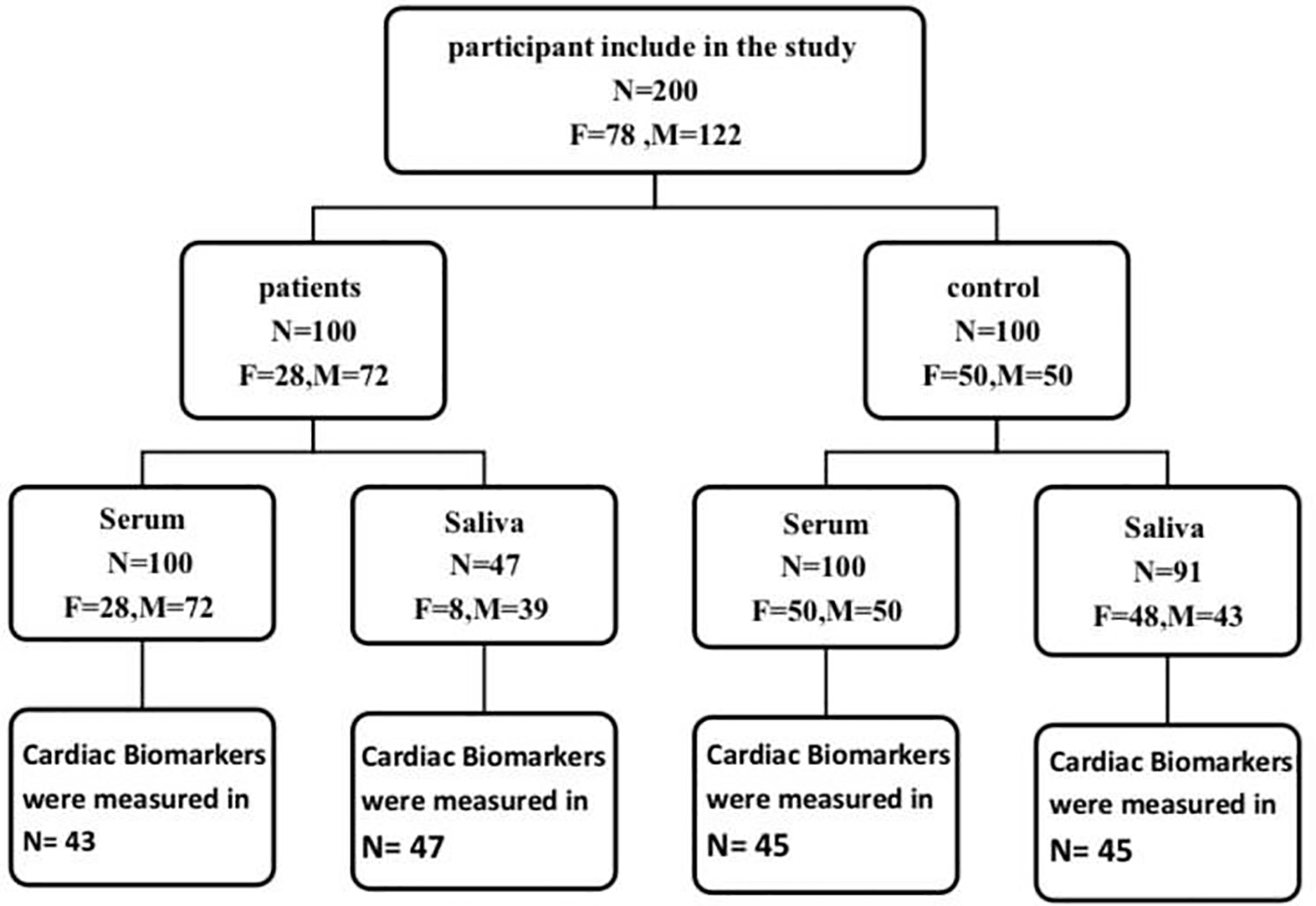
Flow diagram of participants through the study.
Venipuncture was performed to draw approximately 5 ml of blood from each study participant. After clotting, the samples were centrifuged for 10 minutes at 700 × g. Each serum sample was divided into three Eppendorf tubes and stored at -20°C until it was time for analysis.
For saliva sampling, to prevent contamination, the patient was first instructed to wash their mouth thoroughly with regular saline. The unstimulated whole saliva (approximately 1 ml) was collected by spitting into a 10 ml container, then it was centrifuged for 10 minutes at 800 × g. The supernatant was subsequently stored in Eppendorf tubes at -20°C for further analysis. For serum and saliva sampling, sample collection occurred from 09:00 to 11:00 in the morning.
NT-proBNP and hs-cTnI in serum and saliva measurements were conducted in a certified clinical chemistry laboratory using sandwich ELISA kits from YL Biont (China), with a Huma Reader HS microplate reader (HUMAN Diagnostics, Germany). Protein content was assessed calorimetrically by the Biuret method, and albumin by bromocresol green dye, using Bio-Systems kits (Germany). Urea and uric acid were measured enzymatically, with Human kits (Germany), and creatinine was determined by kinetic calorimetry via the Berthelot method with Bio-Systems kits. Serum biomarker measurements were performed per each kit’s instructions, and saliva samples were doubled in volume to account for typically lower salivary analyte concentrations, with total-volume adjustments. Electrolyte concentrations (Na +, K +, Cl -) were determined in the routine clinical workflow using a UV–visible spectrophotometer (Emclab, Germany).
Qualitative data reported as actual numerical values were entered into Excel spreadsheet. Continuous variables with non-normal distribution were presented as median (25th–75th percentile), and categorical variables as counts and percentages. Group comparisons were conducted using the non-parametric Mann–Whitney U test for continuous variables and the chi-square or Fisher’s exact test for categorical variables. Correlations between salivary and serum biomarkers were assessed using Spearman’s rank correlation coefficients and illustrated using scatter plots. Diagnostic performance of each biomarker was evaluated using receiver operating characteristic (ROC) curve analysis, reporting area under the curve (AUC), sensitivity, specificity, positive predictive value (PPV), and negative predictive value (NPV) with 95% confidence intervals. Statistical significance was set at a two-tailed p-value < 0.05.
Purposive sampling was used to select eligible participants, and their demographic information and baseline laboratory results were recorded. Of the participants, 47% of patients provided saliva samples for biomarker analysis, while 53% were unable to provide sufficient sample volume for all planned assays. In controls, 91% provided saliva samples. Serum and salivary biomarkers were analyzed in partially overlapping subsets of participants owing to assay sample availability.
Table 1 shows a significant age difference between patients and controls (p = 0.007). Gender distribution differed markedly: 72% men and 28% women in patients vs. 50% each in controls. Residency, education, and BMI showed no significant differences. Participants were recruited from Baghdad Teaching Hospital and Ibn Al-Bitar Center for Cardiac Surgery.
Descriptive Anthropometric characteristics in HF patients and control group.
| Study Groups | ||||
|---|---|---|---|---|
| Anthropometric characteristics | Patient† | Control† | P Value | |
| Age (year) | 61 (55-71) | 60 (53-63) | 0.007 | |
| Gender N (%) |
Men
Women | 72 (72) 28 (28) | 50 (50) 50 (50) | <0.001 |
| Residency N (%) | Baghdad
Other provinces | 86 (86) 14 (14) | 91 (91) 9 (9) | 0.268 |
| Education N (%) | Educated
Non-Educated | 36 (36) 64 (64) | 46 (46) 54 (54) | 0.151 |
| Hospital N (%) | Baghdad Teaching hospital
Ibn Al-Bitar Center for Cardiac Surgery | 59 (59) 41 (41) | - | - |
| BMI (kg/m2) | 28.7 (26.1-32.1) | 29.7 (26.5-32.9) | 0.399 | |
| Smoker status N (%) | Smoker
Non-smoker | 37 (37) 63 (63) | 29 (29) 71 (71) | <0.001 |
| Alcohol Consumption N (%) | Drinker
Non-Drinker | 3 (3) 97 (97) | 3 (3) 97 (97) | 1.0 |
| DM N (%) | DM
Non-DM | 66 (66) 34 (34) | - | - |
| Hypertension N (%) | HTN
Non-HTN | 67 (67) 33 (33) | - | - |
| Kidney Disease N (%) | CKD
Non-CKD AKI | 19 (19) 79 (79.5) 2 (1) | - | - |
| SBP (mmHg) | 120 (104.2-130) | - | - | |
| DBP (mmHg) | 70 (62.5-80) | - | - | |
| Ejection fraction N (%) | ≤40%
41-49% ≥50% | 52 (54.7) 31 (32.6) 12 (12.6) | - | - |
† Data are presented as median (25th–75th percentiles) for continuous variables and N (%) for categorical variables. Comparisons were performed using the Mann–Whitney test for continuous variables and Chi-square test for categorical variables; p < 0.05 was considered statistically significant. The number of participants (N) varies per variable due to differing availability of samples. Abbreviations: Educated = having received education (knowledgeable); BMI = body mass index; SBP = systolic blood pressure; DBP = diastolic blood pressure; EF = ejection fraction; DM = diabetes mellitus; HTN = hypertension; CKD = chronic kidney disease; AKI = acute kidney injury SBP = systolic blood pressure; DBP = diastolic blood pressure; ACE = Angiotensin-Converting Enzyme Inhibitors; ARNI = angiotensin Receptor–Neprilysin Inhibitor; HCN = Hyperpolarization-activated Cyclic Nucleotide; Kcl = potassium chloride.
Regarding lifestyle factors, a significantly higher proportion of patients were smokers (p < 0.05), while alcohol consumption was not statistically significant. Among clinical comorbidities, 66% of patients had diabetes, 67% had hypertension, and 19% had chronic kidney disease. Median systolic and diastolic blood pressures were 120 (104–130) mmHg and 70 (62–80) mmHg, respectively. Ejection fraction ≤40% was observed in 54.7% of patients. The most commonly used medications included loop diuretics (81%), anticoagulants (85%), beta-blockers (50%), and oral antidiabetics (28%).
Biochemical measurements differed significantly between HF patients and controls ( Table 2). Patients had higher serum albumin, blood urea, serum creatinine, sodium, and salivary total protein (p < 0.01), while serum total protein and serum uric acid were lower (p < 0.01). Salivary urea, potassium, and chloride did not differ significantly (p > 0.05). Salivary creatinine and uric acid were markedly elevated in patients (p < 0.001). Hematological indices were available for patients only.
Biochemical parameter in heart failure patients and control group.
| Biochemical measurements | Patient† Median (25th–75th) | Control† Median (25th–75th) | P value |
|---|---|---|---|
| Serum Albumin (g/L) | N (100) 41 (39–44) | N (100) 39 (37–42) | <0.001 |
| Serum Total Protein (g/L) | N (100) 72 (69–74) | N (100) 76 (70–81) | <0.001 |
| Saliva Total Protein (g/L) | N (40) 7 (6.9000-7.4750) | N (91) 1 (0–2) | <0.001 |
| Blood Urea (mg/dL) | N (100) 60 (38–93) | N (100) 30 (23–39) | <0.001 |
| Saliva Urea (mg/dL) | N (44) 48 (31–75) | N (91) 58 (35–80) | 0.229 |
| Serum Creatinine (mg/dL) | N (100) 1.2 (0.9–1.7) | N (100) 0.7 (0.6–0.8) | <0.001 |
| Saliva Creatinine (mg/dL) | N (45) 0.6 (0.4–1.2) | N (91) 0.001 (0.0004–0.002) | <0.001 |
| Serum Uric Acid (mg/dL) | N (100) 5 (4–6) | N (100) 5 (5–6) | 0.002 |
| Saliva Uric Acid (mg/dL) | N (46) 2 (2–3) | N (91) 0.07 (0.05–0.1) | <0.001 |
| Na+ (mEq/L) | N (100) 139 (134–143) | N (100) 141 (138–143) | 0.006 |
| K+ (mmol/L) | N (100) 4 (4–5) | N (100) 4 (4–5) | 0.060 |
| Cl- (mmol/L) | N (100) 101 (97–106) | N (100) 101 (99–103) | 0.623 |
| WBC (×103/L) | N (93) 9 (6–12) | - | - |
| Platelets (×103/L) | N (93) 230 (180–302) | - | - |
| Hemoglobin (g/dL) | N (93) 11 (9–13) | - | - |
† Data are presented as median (25th–75th percentiles). Comparisons were performed using the Mann–Whitney test; p < 0.05 was considered statistically significant. The number of participants (N) varies per variable due to differing availability of samples. Abbreviations: WBC = white blood cells; Na+ = sodium; K+ = potassium; Cl- = chloride.
As shown in Table 3, serum troponin concentrations were higher in patients with heart failure compared with controls, but the difference was not statistically significant (p = 0.080). In contrast, salivary troponin levels were significantly elevated in patients relative to controls (p < 0.001). Both serum and salivary NT-proBNP levels were also higher in patients than in controls, with statistically significant differences observed for both markers (p < 0.001). Scatter plots of hs-cTnI and NT-proBNP are presented in Figures 2 and 3, respectively.
Cardiac markers in HF patients and control group.
| Cardiac markers | Patient† Median (25th–75th) | Control† Median (25th–75th) | P value |
|---|---|---|---|
| Serum hs-cTnI (pg/ml) | (N = 43) 90 (69–101) | (N = 45) 66 (35–115) | 0.080 |
| Saliva hs-cTnI (pg/ml) | (N = 47) 22 (13–24) | (N = 45) 4 (3–8) | <0.001 |
| Serum Nt-pro BNP (ng/L) | (N = 43) 309 (220–399) | (N = 45) 77 (63–106) | <0.001 |
| Saliva Nt-pro BNP (ng/L) | (N = 47) 24 (21–29) | (N = 45) 18 (15–22) | <0.001 |
† Data are presented as median (25th–75th percentiles). Comparisons were performed using the Mann–Whitney test; p < 0.05 was considered statistically significant. The number of participants (N) varies per variable due to differing availability of samples. Abbreviations: hs-cTnI = high-sensitivity cardiac troponin I; NT-proBNP = N-terminal pro B-type natriuretic peptide.
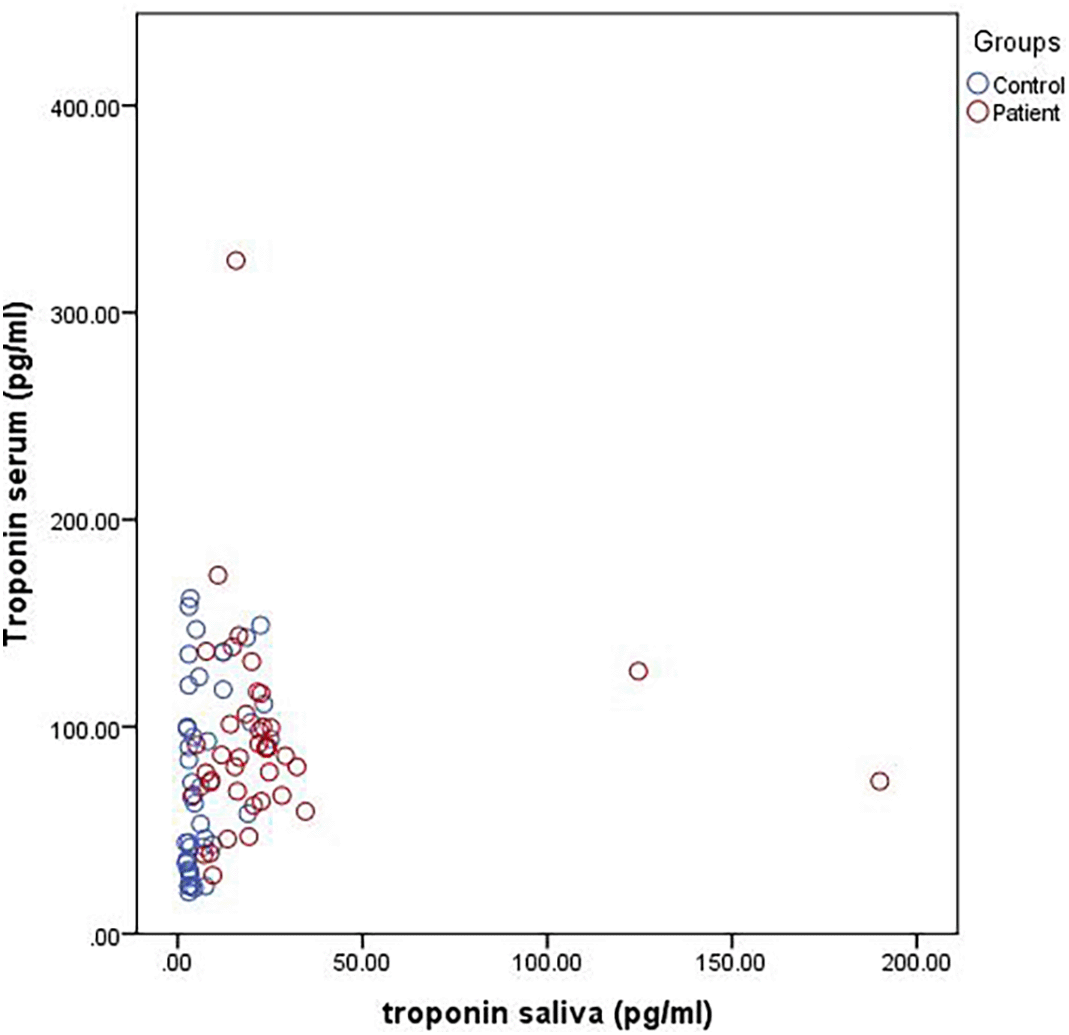
Scatter plots showing serum and salivary high-sensitivity cardiac troponin I (hs-cTnI) concentrations in controls and patients.
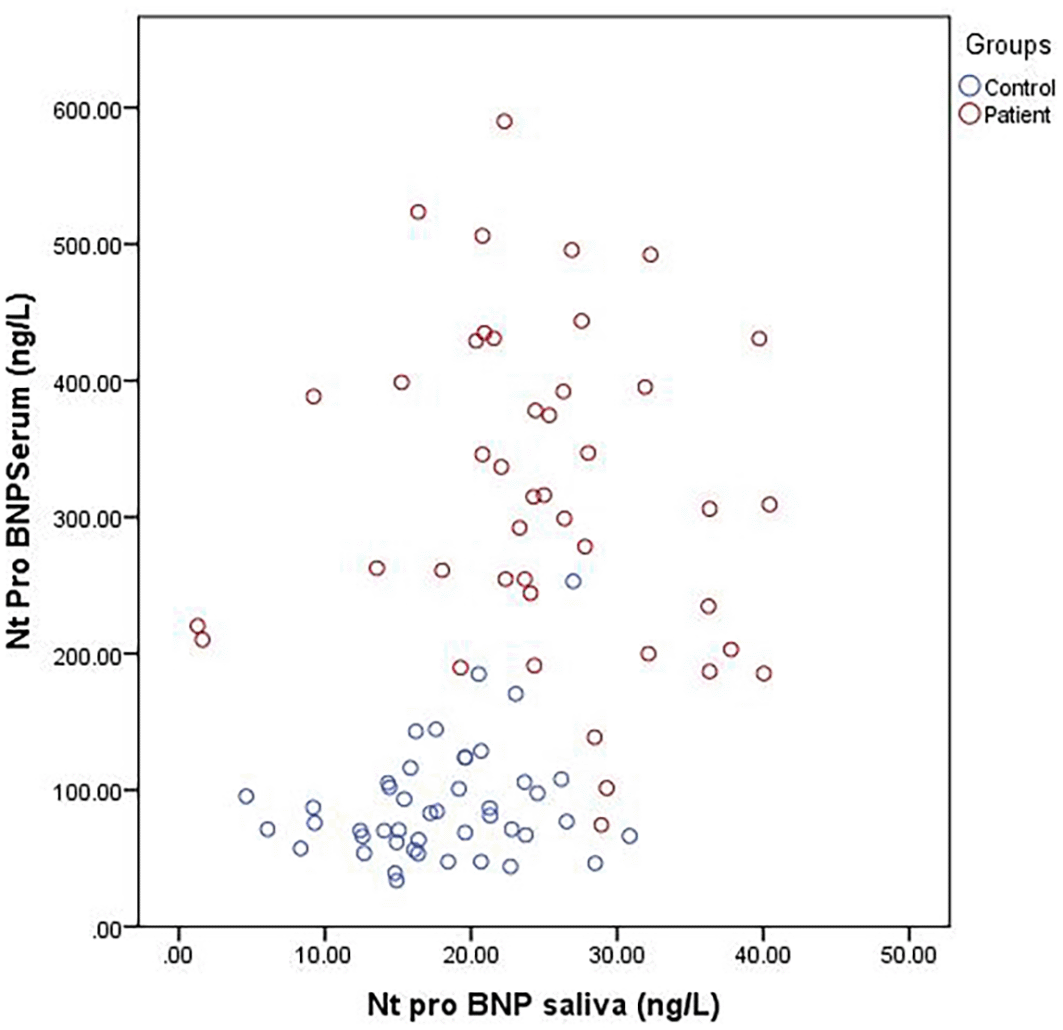
Scatter plots showing serum and salivary N-terminal pro B-type natriuretic peptide (Nt-proBNP) concentrations in controls and patients.
As represented in Table 4. Spearman’s rank correlation analysis revealed significant associations between salivary and serum biomarkers in patients with heart failure. Salivary NT-proBNP demonstrated a positive correlation with serum NT-proBNP (r = 0.388, p < 0.001) and serum hs-cTnI (r = 0.260, p = 0.015). Similarly, salivary hs-cTnI was positively correlated with serum hs-cTnI (r = 0.334, p < 0.001) and serum NT-proBNP (r = 0.608, p < 0.001). Regarding non-cardiac biochemical markers, salivary creatinine showed a strong positive correlation with serum creatinine (r = 0.586, p < 0.001), whereas salivary uric acid displayed a modest inverse correlation with serum uric acid (r = −0.178, p = 0.037). In contrast, salivary total protein and urea did not demonstrate consistent or significant correlations with their respective serum counterparts.
Correlation between serum and salivary biochemical and cardiac markers in heart failure.
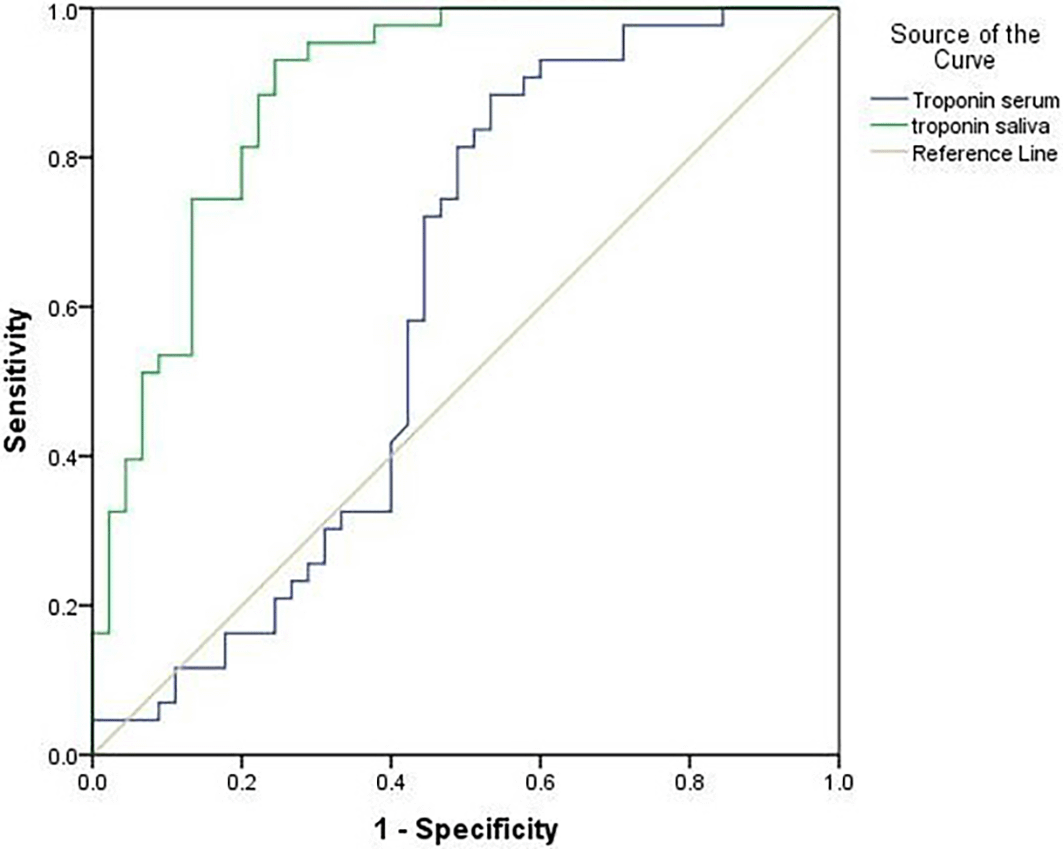
As depicted in Figures 4 & 5, both serum and salivary cardiac biomarkers demonstrated diagnostic value for heart failure. Serum NT-proBNP exhibited the highest diagnostic accuracy, with an area under the curve (AUC) of 0.97, sensitivity of 93.0%, and specificity of 97.7% (p < 0.001). Salivary hs-cTnI similarly demonstrated good diagnostic performance, with an AUC of 0.88, sensitivity of 93.0%, and specificity of 75.5% (p < 0.001). In contrast, serum hs-cTnI showed lower discriminative ability (AUC 0.60, p = 0.080), while salivary NT-proBNP displayed moderate diagnostic accuracy (AUC 0.77, p < 0.001). Positive and negative predictive values for each marker are provided in Table 5.
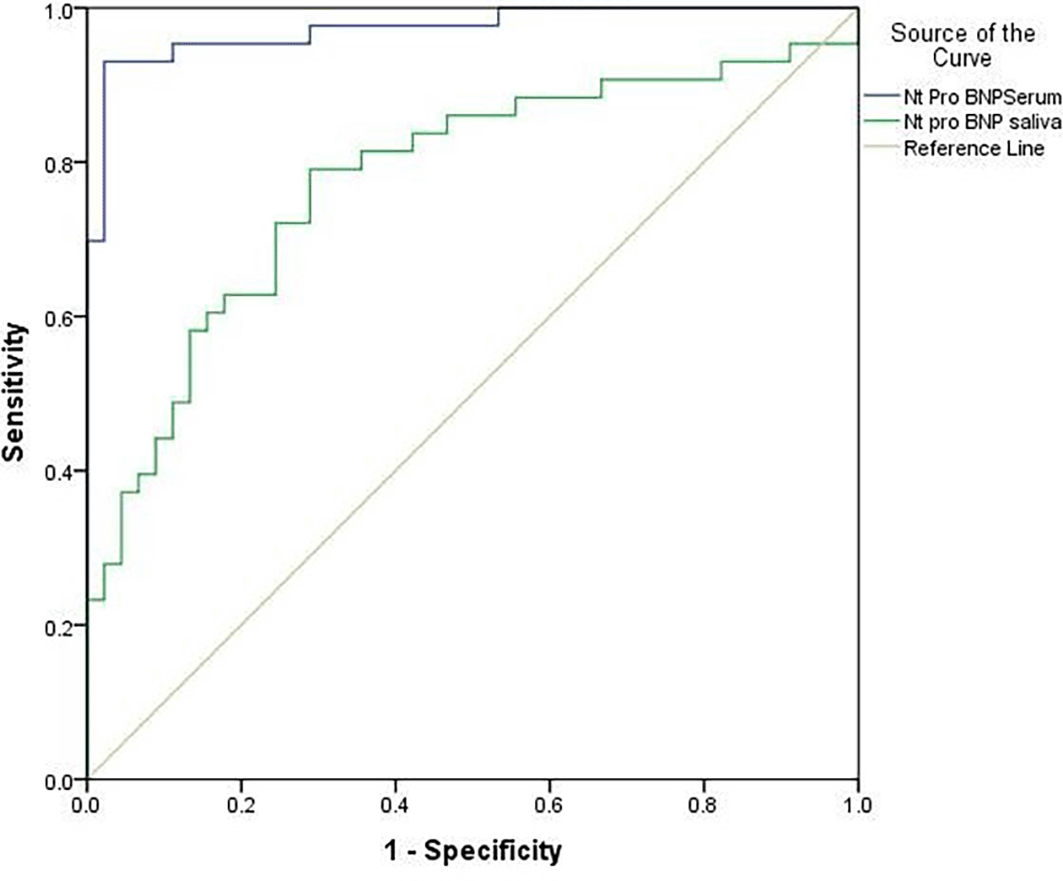
Diagnostic performance of cardiac markers for heart failure (Serum and Saliva).
Advancing age is a well-established risk factor for heart failure (HF) due to cumulative exposure to hypertension, diabetes, and vascular disease, as well as age-related myocardial remodeling. This is consistent with data showing HF incidence increases exponentially beyond 60 years.8,9
Gender distribution showed male predominance among HF patients, likely reflecting higher prevalence of ischemic heart disease and other cardiovascular risk factors in men, as reported in previous studies reflecting both biological susceptibility and gender-related disparities in exposure to risk factors.10,11 Residency and education did not differ significantly between groups, suggesting sociodemographic factors may play a lesser role, although low educational status has been associated with HF risk in broader populations.12 Participants were recruited from Baghdad Teaching Hospital and Ibn Al-Bitar Center for Cardiac Surgery, reflecting the main tertiary cardiac care centers in the region.
The mean body mass index (BMI) did not differ significantly between patients and controls, which may reflect the “obesity paradox” in HF, where overweight and moderately obese patients are overrepresented but not always statistically distinct from controls. Previous studies have confirmed that although obesity increases HF risk, once HF develops, higher BMI is paradoxically associated with better outcomes.13 Smoking was significantly higher among HF patients, reinforcing its role as a key cardiovascular risk factor.14,15 Alcohol consumption was low and comparable between groups, likely due to sociocultural norms.16
Diabetes mellitus and hypertension were highly prevalent among patients, consistent with their established roles in accelerating HF progression through structural, functional, and vascular alterations.17,18 Blood pressure values were relatively controlled, likely reflecting ongoing therapy with beta-blockers and ACE inhibitors/ARBs.9,19,20 Chronic kidney disease highlighted the cardiorenal interaction, contributing to increased cardiovascular risk.21,22
Ejection fraction distribution indicated that the majority of patients had reduced EF while smaller proportions fell into mid-range and preserved EF categories. This pattern is consistent with the dominance of HFrEF in clinical settings, particularly when ischemic heart disease and hypertension are common comorbidities. Similar distributions were observed in the European Society of Cardiology (ESC) Heart Failure Long-Term Registry.23
The data reveal that a wide spectrum of therapies was utilized in the HF cohort, including diuretics and anticoagulants in the majority, with substantial use of beta-blockers, antidiabetic medications, and other agents. While medication exposure can influence biomarker levels (e.g., diuretics affecting renal function and volume status), the observed biomarker differences persisted beyond therapeutic influences, suggesting intrinsic pathophysiological distinctions between HF patients and controls.19
Conventional serum biochemical measurements revealed patterns compatible with advanced cardiovascular disease and impaired renal function. Patients exhibited markedly elevated blood urea and creatinine levels relative to controls, indicating reduced renal perfusion or concomitant renal impairment commonly observed in heart failure populations.
Heart failure patients exhibited higher albumin levels relative to controls, and both groups fall within the conventional normal range, though the HF group sits toward the higher end. The concomitant rise in serum albumin in patients, though statistically significant, contrasts with typical expectations for chronic illness where hypoalbuminemia due to inflammation or malnutrition is often anticipated. This discordance may reflect cohort-specific factors such as hydration status, acute-phase dynamics, or sampling timing. In addition, serum total protein was lower in patients, suggesting changes in hepatic synthesis, protein catabolism, or volume status that warrant further exploration. Similar findings were reported by El Iskandarani et al., they reported that serum albumin levels may fluctuate with congestion and nutritional status in chronic HF.24
Serum total protein was significantly lower in patients while salivary total protein was significantly elevated in patients. These results suggest that although systemic protein levels may be reduced due to catabolic state or malnutrition. Salivary protein may increase due to glandular secretion changes and oral mucosal transudation in HF.25
Serum urea and serum creatinine were markedly higher in patients, consistent with cardiorenal interaction in HF. Salivary urea showed no significant difference between groups while salivary creatinine was significantly elevated in patients. These findings align with the concept that small molecules such as creatinine can diffuse into saliva proportionally to serum levels, whereas urea may be metabolized by oral bacteria, masking systemic differences.26
Uric acid demonstrated an intriguing pattern. Serum uric acid was slightly lower in heart failure patients compared to controls, whereas salivary uric acid was elevated in patients. This apparent discrepancy between serum and salivary levels may reflect local oxidative stress, altered salivary gland secretion, or differences in renal handling and diuretic exposure in HF patients. Given uric acid’s dual role as an antioxidant and a pro-oxidant under different conditions, these findings highlight complex metabolic alterations in HF and suggest that salivary uric acid may partially reflect systemic changes while also being influenced by local oral factors.27
Electrolytes revealed minor but significant differences. Serum sodium was slightly lower in patients possibly reflecting mild dilutional hyponatremia secondary to neurohormonal activation and fluid retention in HF. Serum potassium and chloride did not differ significantly. These patterns are consistent with other contemporary HF cohorts, where hyponatremia is associated with worse prognosis, whereas potassium and chloride often remain within normal ranges due to close monitoring and diuretic use.19
Among hematological measurement, the patients group demonstrated lower hemoglobin levels, consistent with anemia of chronic disease or renal-associated anemia often observed in HF populations. Studies conducted by Gaye et al. reported that mildly reduced hemoglobin levels are commonly observed in HF patients.28 White blood cell counts and platelet counts were within reference ranges and did not show major deviations, indicating that overt systemic infection or hematologic disturbances were not prominent in this cohort at the time of sampling. This pattern is consistent with prior reports in stable chronic HF populations.29
Overall, these biochemical and hematological findings underscore the complex metabolic and renal alterations in HF patients, demonstrate partial reflection of systemic changes in saliva, and emphasize the importance of monitoring both serum and, potentially, salivary markers for non-invasive assessment of HF status.
Serum hs-cTnI levels were higher in patients, although the difference was not statistically significant. This trend likely reflects ongoing myocardial injury or stress in HF patients, which may be subclinical or chronic rather than acute. Similar patterns have been reported in contemporary studies, suggesting that mildly elevated hs-cTnI in chronic HF indicates ongoing myocyte strain and predicts adverse outcomes even in the absence of acute coronary events.30,31
Salivary hs-cTnI, in contrast, was significantly higher in patients compared with controls. This elevation demonstrates that cardiac injury markers can be detected in saliva, likely via transudation from serum through gingival crevicular fluid or minor mucosal leakage. However, the magnitude of correlation between salivary and serum hs-cTnI is modest in most studies, reflecting proteolytic degradation in the oral cavity and lower absolute concentrations in saliva.32 Despite these limitations, salivary hs-cTnI may provide a non-invasive adjunctive measure for monitoring chronic HF, particularly when repeated sampling is desired.
Serum NT-proBNP is elevated in HF due to combined systolic and diastolic dysfunction, often with concurrent renal impairment. Natriuretic peptide testing has risen sharply for evaluating patients with suspected HF. BNP exerts diuretic and natriuretic effects, vasodilation, and inhibition of the renin–angiotensin–aldosterone system, supporting the clinical utility of BNP or NT-proBNP measurement in HF and related states.33,34
Presences of salivary NT-proBNP suggests that natriuretic peptides can be measured in saliva. Nonetheless, salivary levels are substantially lower than serum levels, and cross-matrix correlation is often variable due to differences in secretion pathways, saliva flow rate, and enzymatic degradation. Studies have suggested that while salivary NT-proBNP may reflect systemic cardiac stress, it should not replace serum measurements but rather serve as a complementary, non-invasive monitoring tool.35
Overall, these findings support the concept that serum cardiac markers remain the gold standard for HF diagnosis and prognosis, while salivary markers may provide additional, non-invasive insights into myocardial stress, particularly in settings where repeated blood sampling is impractical. The combination of both matrices may improve patient monitoring.
The present study demonstrated that salivary NT-proBNP, creatinine, and uric acid showed the strongest and most consistent correlations with their serum counterparts, while salivary hs-cTnI exhibited moderate but less consistent associations with serum hs-cTnI and NT-proBNP. These findings support the potential of saliva as a non-invasive medium for monitoring cardiac and renal biomarkers in HF patients.
Salivary total protein is influenced by systemic changes in patients with heart failure, highlighting the potential of saliva to reflect systemic protein status. This can be explained by increased vascular permeability and mucosal congestion, which allow plasma proteins to pass into saliva. Inflammatory activity may also alter salivary gland function, contributing to higher protein leakage. Previous studies, similarly suggested that salivary proteins can partially reflect systemic protein status. However, the relationship is not always consistent due to local oral factors, and total protein in saliva appears less reliable as a direct surrogate of serum levels, which is consistent with our findings.36,37
Salivary urea showed limited correlations in our cohort, with the only notable association being a weak negative correlation with serum NT-proBNP. This can be explained by rapid degradation of urea in the oral cavity by bacterial urease, as well as the impact of salivary flow rate on dilution. A similar conclusion was reached by Nagarathinam et al., who noted that urea is an unreliable salivary surrogate due to high intraoral variability.38
Consistent associations were observed between salivary creatinine and multiple serum biomarkers, including weak to strong positive correlations with serum urea, creatinine, and NT-proBNP, and weak negative correlations with total protein and uric acid. These results are in agreement with previous study (Kovalčíková et al., 2020)39 and are further supported by a study conducted by Pillai et al., who demonstrated that renal dysfunction leads to parallel increases in creatinine and uric acid, both of which are linked to adverse HF prognosis.40 Our findings therefore support the concept of a “cardiorenal–metabolic cluster,” where renal impairment amplifies the biomarker signal in HF.
Salivary uric acid emerged as one of the strongest indicators of systemic status, showing a clear relationship with both renal and cardiac markers. Interestingly, the inverse correlation observed with serum uric acid may reflect complex salivary transport and secretion mechanisms, local metabolic activity within the oral cavity, or dilutional effects related to salivary flow rate rather than a true lack of systemic association. This reflects the role of uric acid in oxidative stress and metabolic dysfunction, which are strongly linked to heart failure progression. Comparable results were demonstrated by previous studies, which underscored the prognostic value of uric acid when used in conjunction with natriuretic peptides.40,41
In contrast to other analytes, salivary hs-cTnI demonstrated statistically significant but generally moderate and inconsistent correlations with serum biomarkers, including serum hs-cTnI and NT-proBNP. Despite these associations, the overall variability and relatively weak strength of correlations suggest limited clinical robustness. This agrees with prior reports indicating that salivary hs-cTnI is difficult to detect reliably due to its very low concentrations and high assay variability.26 Therefore, salivary hs-cTnI may not yet be suitable as a stand-alone diagnostic biomarker without further methodological improvements in assay sensitivity.
Salivary NT-proBNP showed moderate correlation with serum levels, but its diagnostic reliability remains limited compared to serum measurements. This suggests that while saliva may capture some of the systemic signal, it cannot yet replace serum NT-proBNP. Recent work by Bayés-Genis & Taylor confirmed the central role of serum NT-proBNP in heart failure monitoring, whereas salivary NT-proBNP requires further validation before clinical use.42
Serum hs-cTnI demonstrates high sensitivity and moderate specificity, indicating it detects cardiac injury without reliably distinguishing heart failure from other conditions. Mechanistically, hs-cTnI signals myocardial injury rather than heart-failure–specific stress, supporting its role in risk stratification rather than diagnosis of HF alone.43 Previous study indicated that salivary hs-cTnI may demonstrate relatively high sensitivity but moderate specificity in detecting myocardial injury, suggesting that saliva can partially reflect cardiac damage and may offer a noninvasive approach for monitoring.44
Serum NT-proBNP demonstrates high sensitivity and specificity, making it a robust biomarker for detecting heart failure and distinguishing affected individuals from healthy controls. Its excellent AUC reflects strong discriminative power. Mechanistically, NT-proBNP is released by ventricular myocytes in response to increased wall stress and volume overload, a hallmark of heart failure.43 Comparative evidence shows serum NT-proBNP achieving sensitivities up to 99% and specificities 60–85%, underscoring its diagnostic utility.45 Salivary NT-proBNP may underperform relative to serum measurements but offers a promising non-invasive option for HF monitoring.46
This study has several limitations. First, the small sample size largely results from incomplete participation in saliva sampling, stemming from limited public familiarity with this approach in our country. Consequently, not all participants provided saliva specimens, which may bias matrix comparisons. Salivary biomarker measurements are susceptible to variability due to flow rate, oral health, and matrix effects, underscoring the need for standardization. Additionally, potential confounders such as renal function, comorbidities, and concomitant medications were not fully controlled. Collectively, these factors may affect the reliability and generalizability of the findings.
Serum NT-proBNP remains the most robust discriminator between HF patients and healthy controls. Salivary NT-proBNP and hs-cTnI show promising diagnostic utility and correlate with their serum counterparts, supporting a potential role as non-invasive adjuncts for HF monitoring. Saliva-based assays could enhance feasibility of repeated testing in outpatient or resource-limited settings, but require further validation and standardization before replacing serum measurements.
Ethical approval for this study was obtained from the Institutional Review Board university of Baghdad, college of medicine, department of Biochemistry (Bio101,22/10/2024). Written informed consent was obtained from all participants prior to inclusion in the study.
Figshare: Evaluation of Cardiac Biomarkers in Serum and Saliva of Heart Failure Patients, https://doi.org/10.6084/m9.figshare.3049841647
The project contains the following underlying data:
Data are available under the terms of the Creative Commons Attribution 4.0 International license (CC-BY 4.0).
| Views | Downloads | |
|---|---|---|
| F1000Research | - | - |
|
PubMed Central
Data from PMC are received and updated monthly.
|
- | - |
Provide sufficient details of any financial or non-financial competing interests to enable users to assess whether your comments might lead a reasonable person to question your impartiality. Consider the following examples, but note that this is not an exhaustive list:
Sign up for content alerts and receive a weekly or monthly email with all newly published articles
Already registered? Sign in
The email address should be the one you originally registered with F1000.
You registered with F1000 via Google, so we cannot reset your password.
To sign in, please click here.
If you still need help with your Google account password, please click here.
You registered with F1000 via Facebook, so we cannot reset your password.
To sign in, please click here.
If you still need help with your Facebook account password, please click here.
If your email address is registered with us, we will email you instructions to reset your password.
If you think you should have received this email but it has not arrived, please check your spam filters and/or contact for further assistance.

Comments on this article Comments (0)