Keywords
Abnormal uterine bleeding; endometrial cancer; premenopause; risk prediction

This article is included in the Oncology gateway.
Abnormal uterine bleeding; endometrial cancer; premenopause; risk prediction
We sincerely thank the reviewer for the thoughtful and constructive comments, which significantly improved the methodological transparency, statistical clarity and overall scientific quality of our manuscript.
The title and Introduction were revised to better reflect the scope, rationale and methodological approach of the study. We clarified the retrospective study design, inclusion criteria and the clinical context in which hysterectomy was performed.
To improve methodological transparency, we detailed the variable selection strategy, including justification for the use of a p-value threshold of <0.20 in univariate analysis and clarified the multivariable model construction process and score derivation based on adjusted odds ratios. We also specified that ROC curve analysis was performed only for continuous or ordinal variables to determine optimal cut-off values. In addition, all references to “internal validation” were removed to avoid methodological overstatement.
The Results section was revised to provide a more concise and coherent presentation of findings. Initial tables describing categorical variables were merged into a single consolidated table, standard deviations were added for continuous variables and a new table entitled “Variables included in the predictive score and assigned points” was added.
We explicitly listed all conditions previously abbreviated using “…”.
The limitations section was strengthened, particularly regarding the retrospective design, the absence of menstrual cycle phase standardization and the lack of validation. Finally, the Conclusions were revised to ensure a more cautious and balanced interpretation of the findings.
These revisions enhance the methodological transparency, internal consistency and clinical relevance of the manuscript without altering its main findings.
See the authors' detailed response to the review by Xuemin Wang
Abnormal uterine bleeding (AUB) is one of the most frequent reasons for consultation in gynaecology.1 It can be caused by structural or non-structural disorders of the uterus. According to the PALM-COEIN classification system of the International Federation of Gynecology and Obstetrics (FIGO), the causes include polyps, adenomyosis, leiomyomas, malignancy and hyperplasia, coagulopathy, ovulatory dysfunction, endometrial disorders, and iatrogenic or not yet classified causes.2
Although most cases of AUB are unrelated to pre-cancerous or cancerous endometrial pathologies, their seriousness should not be underestimated.3 It is established that in postmenopausal women with AUB, the risk of endometrial cancer rises to 10%.4,5 However, this risk drops to less than 1% when transvaginal ultrasound shows an endometrial thickness (ET) of less than 4 mm.6
For premenopausal women, such risk stratification is difficult, as the predictive value of ET assessment has yielded controversial results in the literature.7–10 In this group, other clinical factors are considered to assess the risk of endometrial hyperplasia (EH) or cancer: obesity, nulliparity, age, infertility, intermenstrual bleeding, anovulation, and diabetes.11
Based on these factors, guidelines recommend endometrial biopsy for women over 40 years, and for those under 40 with comorbidities.12,13
Despite these recommendations, many studies have failed to provide conclusive evidence regarding the impact of the aforementioned risk factors.6,14,15 Consequently, the optimal management of premenopausal women presenting with AUB remains unclear, highlighting the need for reliable clinical tools to stratify the risk of endometrial malignancy. Therefore, this study aimed to develop a novel risk prediction score based on clinical variables for endometrial malignancy in premenopausal women with AUB.
Retrospective, longitudinal and analytical study was conducted over a period of 8 years and 11 months, from January 2016 to November 2024, at Gynaecology and Obstetrics Department B, Charles Nicolle Hospital, Tunis, Tunisia.
Premenopausal women presenting with AUB who were referred to our department were identified. An endometrial biopsy was performed during a diagnostic hysteroscopy or a fractional curettage and hemostasis procedure in cases of heavy AUB. All included patients underwent hysterectomy after initial diagnostic evaluation and endometrial sampling. The hysterectomy was performed as part of routine clinical management rather than within a predefined follow-up protocol.
AUB was defined by the presence of bleeding from the uterine corpus that was abnormal in volume, regularity, and/or timing, according to what was reported by women.2
Patients meeting the following criteria were included:
Inclusion criteria:
- Endometrial pathology revealed by endometrial biopsy: polyps, adenomyosis, leiomyomas, endometrial disorders, atypical EH, endometrial cancer with a definitive histological diagnosis on the hysterectomy specimen (considered the reference standard).
- Complete and available medical and surgical records.
Exclusion criteria:
- Postmenopausal women (absence of menstruation for at least 12 months after the age of 405).
- Hysterectomy not performed (No definitive histological diagnosis).
- Incomplete or missing data.
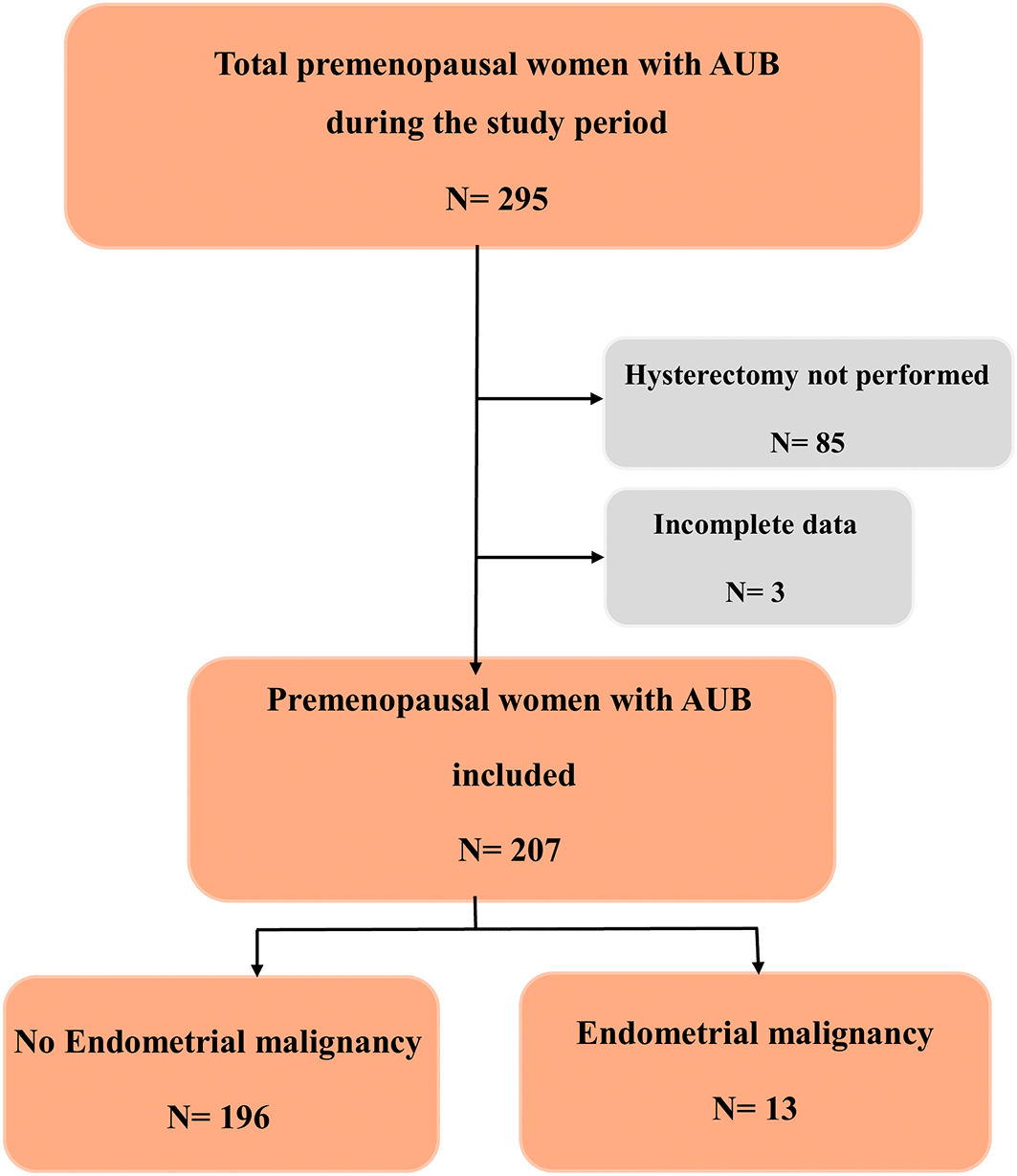
A patient selection diagram has been developed ( Figure 1).
Data were retrospectively extracted from electronic medical records and focused on:
• Included women characteristics: Age, family cancer history (mainly endometrial, breast, ovarian, cervical, colon, rectal, and stomach cancer), personal medical history personal surgical history, gynaecological and obstetric history (gravidity, parity, contraception, polycystic ovary syndrome, hormonal replacement therapy, Pap smear, previous uterine endoscopic procedure).
• Bleeding characteristics: Type, abundance, number of haemorrhage episodes, associated symptoms (anorexia, pelvic pain, abdominal mass, fatigue).
• Additional examinations: Pelvic ultrasound (uterine size, ET, vascularization, endometrial–myometrial interface intra-cavitary image), method of uterine cavity exploration (hysteroscopy or curettage), date of sampling and abundance of the sample, anatomopathological diagnosis from the biopsy, and definitive anatomopathological diagnosis from the hysterectomy specimen.
Data were entered and analysed with SPSS software (version 26.0, IBM Corp). Microsoft Office Excel was used to create the tables and graphs (https://www.office.com/?omkt=fr-FR ).
In univariate analysis, associations between variables and endometrial malignancy were assessed using the chi-square test or Fisher’s exact test for categorical variables, and the Student’s t-test or Mann–Whitney U test for continuous variables, as appropriate.
Multivariate logistic regression models were then constructed to identify independent predictors of endometrial malignancy. Variables with a p-value ≤ 0.20 in univariate analysis were entered into the initial model. This threshold was used to avoid excluding potentially relevant predictors, in line with exploratory model-building strategies. Given the limited number of events, only clinically relevant variables were retained in the final model to minimize the risk of overfitting.
Adjusted odds ratios (ORs) with 95% confidence intervals (CIs) were reported. A p-value < 0.05 was considered statistically significant.16,17
The diagnostic performance of significant predictors was evaluated using sensitivity, specificity, positive predictive value, and negative predictive value.18
A risk score for predicting endometrial malignancy was subsequently developed based on variables that remained statistically significant in the multivariate analysis. Point allocation was weighted according to the magnitude of adjusted odds ratios derived from the logistic regression model, with stronger associations receiving higher scores.
Receiver operating characteristic (ROC) curve analysis was performed for continuous or ordinal variables (including ET, gravidity, and number of bleeding episodes) to determine optimal cut-off values. Categorical variables were not included in ROC analysis due to their inherent structure.
Although patients with incomplete records were excluded, some variables contained occasional missing values due to retrospective data collection. These were handled using complete-case analysis.
The study protocol was approved on 6 Mars 2025 by the institutional ethics committee of Charles Nicolle Hospital, Tunis, Tunisia before conducting the study with approval number FWA 00032748- IORG0011243.
As this was a retrospective study using anonymized data, informed consent was waived.
During the study period, a total of 209 patients were included; 13 cases (6.22%) had endometrial malignancy.
Among continuous variables, significant differences between benign and malignant groups were observed for gravidity, delay before consultation, and ET ( Table 1).
Gravidity differed with median gravidity of 3 versus 2 (p = 0.018). The median delay before consultation was significantly shorter in malignant cases (6 months) compared to benign cases (12 months, p = 0.011). ET was markedly higher in malignant cases (median 12 mm) than in benign cases (median 5 mm, p < 0.001).
Table 2 summarizes the distribution of categorical variables among benign and malignant histopathological groups.
| Variable | Category | Benign (n, %) | Malignant (n, %) | Total (n, %) | p-value |
|---|---|---|---|---|---|
| Family cancer history | No | 186 (94) | 11 (6) | 197 (100) | 0.123 |
| Yes | 10 (83) | 2 (17) | 12 (100) | ||
| Tobacco use | No | 189 (94) | 13 (6) | 202 (100) | 0.488 |
| Yes | 7 (100) | 0 (0) | 7 (100) | ||
| Coffee consumption | No | 174 (93) | 13 (7) | 187 (100) | 0.202 |
| Yes | 22 (100) | 0 (0) | 22 (100) | ||
| Diabetes | No | 183 (93) | 13 (7) | 196 (100) | 0.338 |
| Yes | 13 (100) | 0 (0) | 13 (100) | ||
| Hypertension | No | 167 (94) | 11 (6) | 178 (100) | 0.954 |
| Yes | 29 (94) | 2 (6) | 31 (100) | ||
| Thyroid disorder | No | 180 (93) | 13 (7) | 193 (100) | 0.284 |
| Yes | 16 (100) | 0 (0) | 16 (100) | ||
| PCOS* | No | 194 (94) | 12 (6) | 206 (100) | 0.050 |
| Yes | 2 (67) | 1 (33) | 3 (100) | ||
| Other medical history | No | 154 (92) | 13 (8) | 167 (100) | 0.480 |
| Dyslipidemia | 28 (100) | 0 (0) | 28 (100) | ||
| Lupus | 5 (100) | 0 (0) | 5 (100) | ||
| Depressive syndrome | 3 (100) | 0 (0) | 3 (100) | ||
| PUD** | 6 (100) | 0 (0) | 6 (100) | ||
| Gastrectomy | No | 195 (94) | 13 (6) | 208 (100) | 0.796 |
| Yes | 1 (100) | 0 (0) | 1 (100) | ||
| Colectomy | No | 196 (94) | 13 (6) | 209 (100) | — |
| Appendectomy | No | 182 (93) | 13 (7) | 195 (100) | 0.318 |
| Yes | 14 (100) | 0 (0) | 14 (100) | ||
| Cholecystectomy | No | 173 (94) | 12 (6) | 185 (100) | 0.658 |
| Yes | 23 (96) | 1 (4) | 24 (100) | ||
| Other surgeries | No | 185 (94) | 12 (6) | 197 (100) | 0.350 |
| Cystectomy | 4 (80) | 1 (20) | 5 (100) | ||
| Amygdalectomy | 7 (100) | 0 (0) | 7 (100) | ||
| Oral contraceptive use | No | 191 (95) | 11 (5) | 202 (100) | 0.013 |
| Yes | 5 (71) | 2 (29) | 7 (100) | ||
| IUD*** | No | 137 (93) | 11 (7) | 148 (100) | 0.258 |
| Yes | 59 (97) | 2 (3) | 61 (100) | ||
| Progestin-only pill | No | 188 (94) | 13 (6) | 201 (100) | 0.458 |
| Yes | 8 (100) | 0 (0) | 8 (100) | ||
| Long-term treatment | No | 180 (94) | 12 (6) | 192 (100) | 0.952 |
| Yes | 16 (94) | 1 (6) | 17 (100) | ||
| Hormonal replacement therapy | No | 109 (92) | 10 (8) | 119 (100) | 0.133 |
| Yes | 87 (97) | 3 (3) | 90 (100) | ||
| Infertility | No | 181 (93) | 13 (7) | 194 (100) | 0.628 |
| primary | 9 (100) | 0 (0) | 9 (100) | ||
| secondary | 4 (100) | 0 (0) | 4 (100) | ||
| Pap smear | No | 148 (93.7) | 10 (6.3) | 158 (75.6) | <0.001 |
| Normal | 39 (97.5) | 1 (2.5) | 40 (19.1) | ||
| ASCUS | 6 (100) | 0 | 6 (2.9) | ||
| LIEB | 2 (100) | 0 | 2 (1.0) | ||
| ACG | 1 (33.3) | 2 (66.7) | 3 (1.4) | ||
| Colposcopy | No | 195 (93.8) | 13 (6.3) | 208 (99.5) | 0.796 |
| Yes | 1 (100) | 0 | 1 (0.5) | ||
| Fibroids | No | 43 (86.0) | 7 (14.0) | 50 (23.9) | 0.009 |
| Yes | 153 (96.2) | 6 (3.8) | 159 (76.1) | ||
| Previous uterine endoscopic procedure | No | 177 (95.2) | 9 (4.8) | 186 (89.0) | 0.035 |
| Myomectomy | 7 (87.5) | 1 (12.5) | 8 (3.8) | ||
| Polypectomy | 9 (75.0) | 3 (25.0) | 12 (5.7) | ||
| hemostatic curettage | 3 (100) | 0 | 3 (1.4) | ||
| PCOS**** | No | 194 (94) | 12 (6) | 206 (100) | 0.050 |
| Yes | 2 (67) | 1 (33) | 3 (100) | ||
| Ovarian cyst | No | 176 (93.6) | 12 (6.4) | 188 (90.4) | 0.808 |
| Yes | 19 (95.0) | 1 (5.0) | 20 (9.6) | ||
| Mammogram | No | 162 (93.1) | 12 (6.9) | 174 (83.3) | 0.805 |
| ACR2 | 25 (96.2) | 1 (3.8) | 26 (12.4) | ||
| ACR3 | 7 (100) | 0 | 7 (3.3) | ||
| ACR4 | 2 (100) | 0 | 2 (1.0) | ||
| Interval delay | 1 | 7 (87.5) | 1 (12.5) | 8 (3.8) | 0.040 |
| 2 | 53 (86.9) | 8 (13.1) | 61 (29.3) | ||
| 3 | 105 (97.2) | 3 (2.8) | 108 (51.9) | ||
| 4 | 24 (100) | 0 | 24 (11.5) | ||
| 5 | 6 (85.7) | 1 (14.3) | 7 (3.4) | ||
| Breast neoplasia | No | 196 (94) | 13 (6) | 209 (100) | – |
| Tamoxifen | No | 195 (94) | 13 (6) | 208 (100) | – |
| Pelvic irradiation | No | 196 (94) | 13 (6) | 209 (100) | – |
| Bleeding abundance | Minimal | 15 (94) | 1 (6) | 16 (100) | 0.963 |
| Moderate | 156 (94) | 10 (6) | 166 (100) | ||
| Abundant | 25 (93) | 2 (7) | 27 (100) | ||
| Type of bleeding | Metrorrhagia | 4 (100) | 0 (0) | 4 (100) | 0.732 |
| Menorrhagia | 90 (95) | 5 (5) | 95 (100) | ||
| Menometrorrhagia | 102 (93) | 8 (7) | 110 (100) | ||
| Number of hemorrhage episodes | 0 | 4 (67) | 2 (33) | 6 (100) | 0.027 |
| 1 | 3 (75) | 1 (25) | 4 (100) | ||
| 2 | 4 (100) | 0 (0) | 4 (100) | ||
| 3 | 7 (100) | 0 (0) | 7 (100) | ||
| ≥4 | 178 (95) | 10 (5) | 188 (100) | ||
| Other associated symptoms | No sign | 52 (93) | 4 (7) | 56 (100) | 0.001 |
| Leucorrhea | 2 (100) | 0 (0) | 2 (100) | ||
| Hydrorrhea | 1 (100) | 0 (0) | 1 (100) | ||
| Weight loss | 1 (100) | 0 (0) | 1 (100) | ||
| Anorexia | 0 (0) | 2 (100) | 2 (100) | ||
| Pelvic pain | No | 89 (95) | 5 (5) | 94 (100) | 0.626 |
| Yes | 107 (93) | 8 (7) | 115 (100) | ||
| Abdominal mass | No | 124 (91) | 12 (9) | 136 (100) | 0.033 |
| Yes | 72 (99) | 1 (1) | 73 (100) | ||
| Fatigue | No | 178 (95) | 10 (5) | 188 (100) | 0.107 |
| Yes | 18 (86) | 3 (14) | 21 (100) | ||
| Profuse | 114 (90) | 13 (10) | 127 (100) | ||
| Uterine size | Normal | 45 (94) | 3 (6) | 48 (100) | 0.992 |
| Increased | 151 (94) | 10 (6) | 161 (100) | ||
| Vascularization | No | 97 (98) | 2 (2) | 99 (100) | 0.000 |
| Score 1 | 97 (94) | 6 (6) | 103 (100) | ||
| Score 2 | 2 (29) | 5 (71) | 7 (100) | ||
| Endometrial–myometrial interface | Unseen | 84 (93) | 6 (7) | 90 (100) | 0.828 |
| Seen | 111 (94) | 7 (6) | 118 (100) | ||
| Intracavitary image | No | 149 (93) | 11 (7) | 160 (100) | 0.871 |
| Polyp | 15 (94) | 1 (6) | 16 (100) | ||
| Fibroma | 31 (97) | 1 (3) | 32 (100) | ||
| Other | 1 (100) | 0 (0) | 1 (100) | ||
| Hemostatic curettage | No | 177 (94) | 12 (6) | 189 (100) | 0.812 |
| Yes | 19 (95) | 1 (5) | 20 (100) | ||
| Hysteroscopy | No | 20 (95) | 1 (5) | 21 (100) | 0.771 |
| Yes | 176 (94) | 12 (6) | 188 (100) | ||
| Quantity of curettage specimen | Scanty | 81 (100) | 0 (0) | 81 (100) | 0.003 |
| Profuse | 114 (90) | 13 (10) | 127 (100) |
Oral contraceptive use was significantly associated with malignancy (p = 0.013). Pap smear results were significantly associated with malignancy (p < 0.001), with the highest proportion of malignant cases observed in patients with atypical glandular cells (67%). Presence of fibroids was associated with a lower risk of malignancy (p= 0.009).
Previous uterine endoscopic procedures were significantly associated with malignancy (p = 0.035), with higher malignant rates in patients who underwent polypectomy (25%) or myomectomy (12.5%).
Bleeding characteristics—including abundance and type—showed limited association, except for the number of hemorrhage episodes (p = 0.027), where patients with 0–1 episode had higher malignancy rates (25–33%) than those with ≥2 episodes.
Other associated symptoms were significantly related to malignancy (p = 0.001), with anorexia present in 100% of malignant cases. Presence of an abdominal mass was inversely associated with malignancy (p = 0.033).
Ultrasound features revealed strong associations for vascularization (p < 0.001), with Score 2 showing 71% malignancy, whereas normal vascularization or Score 1 had much lower rates. Quantity of curettage specimen was also significant (p = 0.003), with abundant specimens associated with 10% malignancy compared to 0% for scanty specimens.
ET demonstrated the highest discriminative ability, with an AUC of 0.842 (p < 0.001), followed by gravidity (AUC = 0.690, p = 0.022). The number of hemorrhage episodes showed limited predictive performance (AUC = 0.576, p = 0.360). ( Figure 2, Table 3).
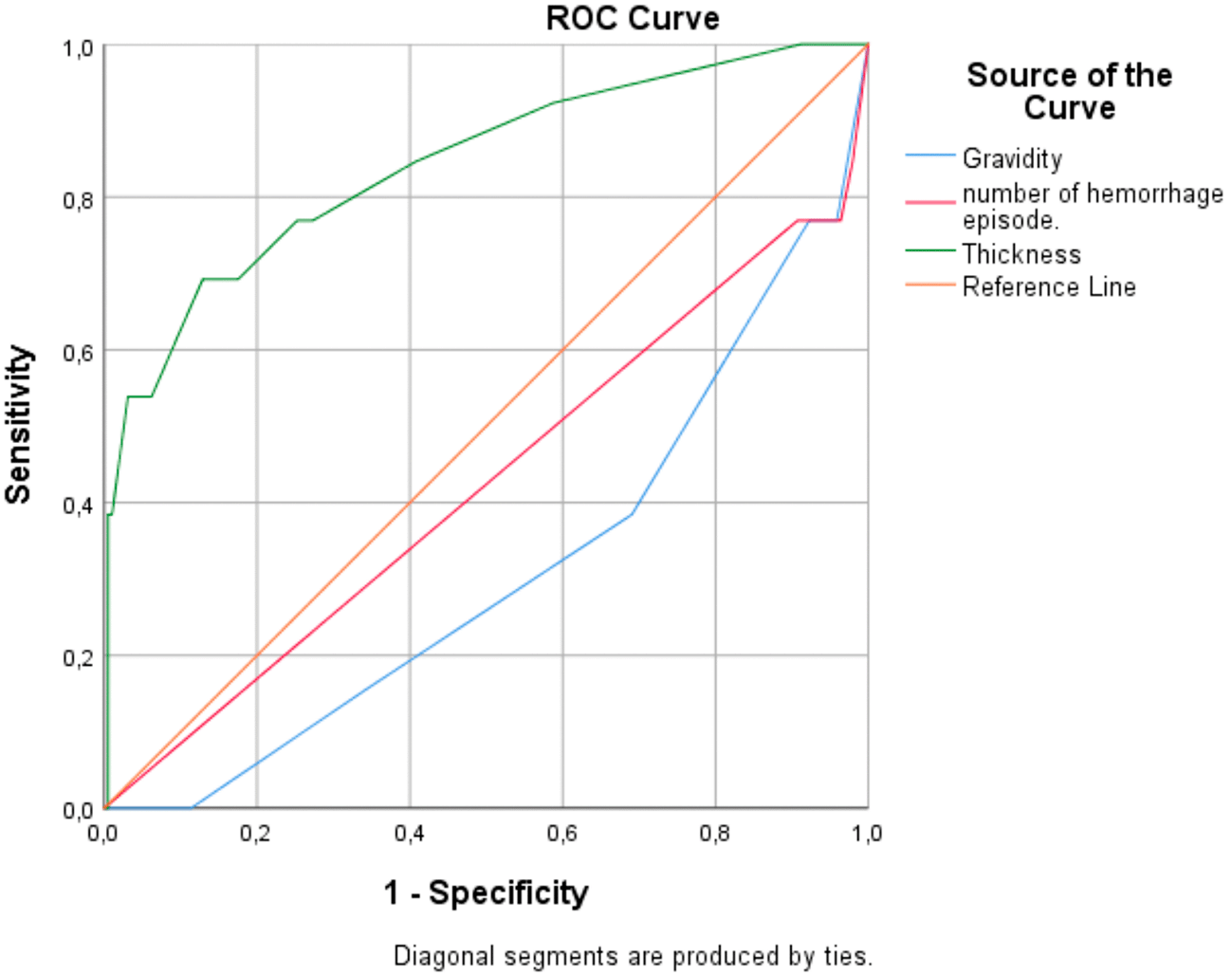
| Variable | AUC | p-value | 95% CI | Criterion | Sensitivity (%) | Specificity (%) | PPV* (%) | NPV** (%) |
|---|---|---|---|---|---|---|---|---|
| Gravidity | 0.690 | 0.022 | 0.542–0.838 | ≤1 | 23.08 | 96.43 | 30 | 95 |
| Number of hemorrhage episodes | 0.576 | 0.360 | 0.398–0.754 | ≤2 | 61.54 | 68.88 | 11.6 | 96.4 |
| Endometrial thickness | 0.842 | <0.001 | 0.715–0.968 | >9 | 69.23 | 87.11 | 26.5 | 97.7 |
Multivariable logistic regression analysis identified oral contraceptive use, ET >9 mm, and vascularization as independent predictors of endometrial malignancy ( Table 4).
Conversely, a low number of hemorrhage episodes and lower bleeding abundance were associated with a decreased risk of malignancy.
The predictive score was constructed using variables independently associated with endometrial malignancy in multivariable analysis. The assigned weighting for each variable is detailed in Table 5.
| Variable | Points |
|---|---|
| ET >9 mm | +3 |
| Oral contraceptive use | +3 |
| Vascularization | +4 |
| Hemorrhage episodes ≤1 | −2 |
| Lower bleeding abundance | −1 |
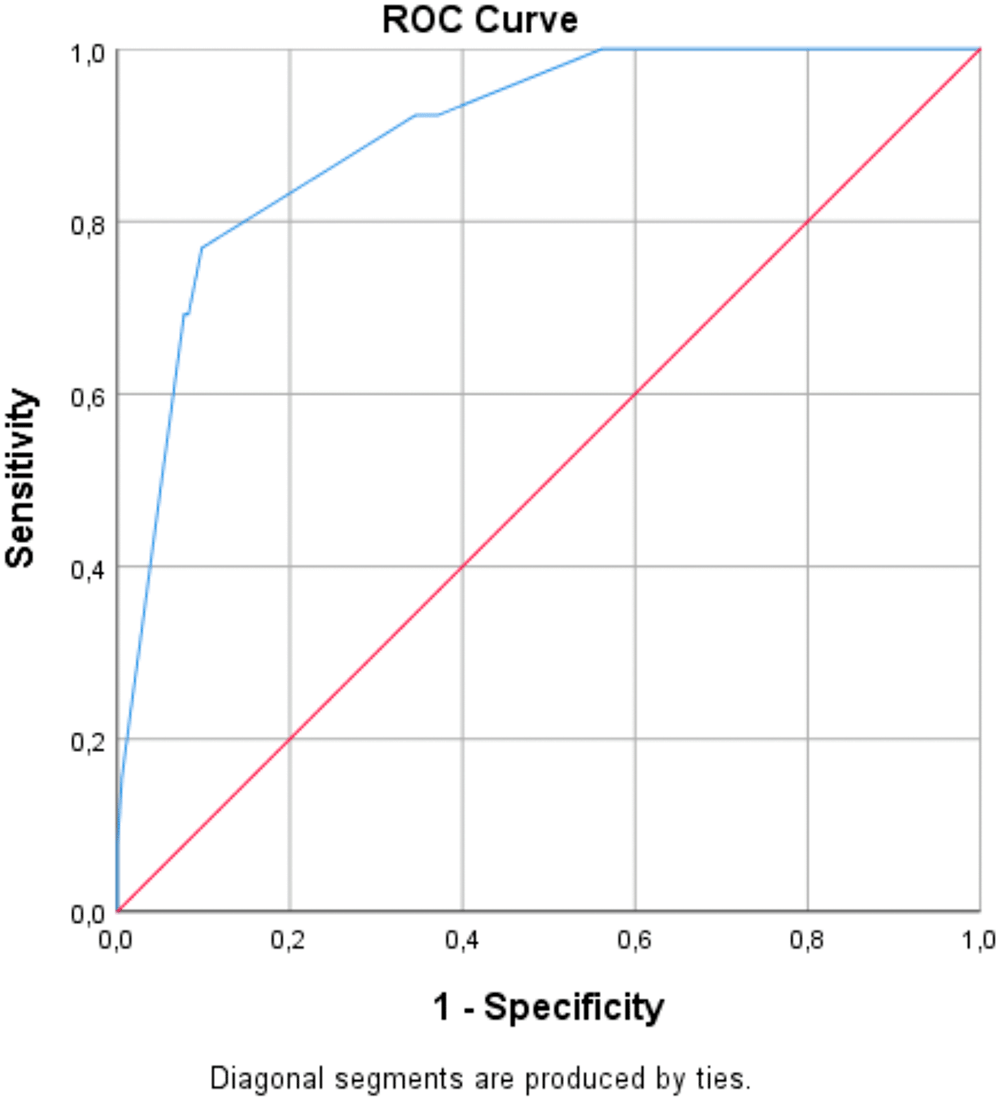
The model demonstrated excellent discriminative ability, with an AUC of 0.901 (95% CI: 0.825–0.976, p < 0.001) ( Figure 3). Using a threshold >7, the score yielded a sensitivity of 77% and a specificity of 90%.
The evaluation of women presenting with AUB to exclude endometrial malignancy relies on a combination of clinical risk assessment, imaging, and histopathological sampling.
The presented results, when compared to the broader literature, reveal a consistent emphasis on ET as a pivotal triage tool. They also highlight the development and variable utility of integrated risk prediction models.
Evidence consistently highlights the crucial role of transvaginal ultrasound–derived ET, which demonstrates robust diagnostic accuracy in predicting endometrial malignancy across studies.
ET among postmenopausal women with AUB below 4 mm seems to be associated with a very low risk of endometrial cancer.19 Unfortunately, there is no established consensus on the threshold for ET for premenopausal women. In accordance with the results of other studies, our data indicated that patients with thicker endometrium exhibited a higher risk of endometrial malignancy.20
Our findings, which identified ET >9 mm as an independent risk factor for AUB in perimenopausal women, are consistent with previously published evidence. Tian et al.21 similarly reported that an ET ≥10 mm was an independent risk factor for AUB, while Sahu et al.22 observed that the majority of perimenopausal women with AUB had an ET of 10–12 mm (35.7%), followed by 7–9 mm (27.1%).
In contrast, Getpook et al.23 demonstrated that an ET ≤8 mm was unlikely to be associated with malignant pathology in premenopausal AUB.
Collectively, these concordant findings reinforce the clinical significance of transvaginal ultrasonography in assessing ET as a key predictor of endometrial pathology in premenopausal women with AUB.
This principle holds strong in clinical guidelines, confirming ET as the most robust initial screening parameter.
Several studies have developed integrated risk prediction models to address the limitations of using ET alone.
Giannella et al.3 proposed a model including BMI ≥30 kg/m2, diabetes, and ET >11 mm, which achieved robust accuracy (AUC 0.854; sensitivity 75.0%, specificity 90.8%; PPV 30.0%, NPV 98.6%).
Similarly, the PAD30 score developed by Bagepalli Srinivas et al.,24 based on anovulatory bleeding pattern, age ≥45 years, BMI ≥30 kg/m2, and diabetes mellitus, showed good diagnostic performance (AUC 0.84; sensitivity 85.7%, specificity 87.6%).
Ruan et al.20 incorporated metabolic diseases, family history, age ≥40 years, resistance index of endometrial vasculature ≤0.5, and ET ≥10 mm into a nomogram, which demonstrated good discrimination with an AUC 0.837 (95% CI 0.800-0.874) and calibration in both the development and validation cohorts.
Compared with these models, our predictive score demonstrated even stronger discriminative ability, with an AUC of 0.901 (95% CI 0.825–0.976, p < 0.001). Using a cutoff >7, the model achieved a sensitivity of 77% and specificity of 90%, with a particularly high negative predictive value of 98%, supporting its effectiveness in reliably excluding malignancy in low-risk patients. These results suggest that our score may provide an accurate and clinically useful tool, comparable or superior to previously published models, for guiding the selective use of invasive diagnostic procedures.
The evaluation of patient-specific risk factors shows both consistency and variation.
The divergence underscores that while certain risk factors are epidemiologically important, their utility in a specific predictive algorithm can vary based on the study population and the other variables in the model.
In our study, oral contraceptive use emerged as an independent predictor of endometrial malignancy (OR 29.87, 95% CI 1.52–587.08, p = 0.025). This result contrasts with extensive evidence from large-scale epidemiological studies and meta-analyses, which consistently report a protective effect of oral contraceptives against endometrial cancer. The Collaborative Group on Epidemiological Studies on Endometrial Cancer, through an individual participant meta-analysis including over 27,000 women with endometrial cancer across 36 studies, demonstrated a substantial and sustained risk reduction associated with oral contraceptive use.25 Similarly, Michels et al.26 and Harajka et al.27 confirmed these findings in systematic reviews and meta-analyses, while Karlsson et al.28 further highlighted the time-dependent protective effect, with longer duration of use conferring greater benefit.
The discrepancy with our findings may be explained by the short duration of oral contraceptive use among women in our cohort, which might have been insufficient to exert a protective effect. Additionally, the small sample size and wide confidence interval suggest caution in interpretation. Nevertheless, this unexpected association highlights the importance of considering duration and patterns of oral contraceptive exposure when assessing their relationship with endometrial cancer risk.
Our findings demonstrated that vascularization on transvaginal ultrasound was found to be one of the strongest predictors of endometrial malignancy. Logistic regression analysis showed that the presence of abnormal vascularization significantly increased the risk, with an odds ratio of 98.34 (95% CI: 3.73–2594.79, p = 0.006). Notably, patients with a vascular score of 2 had a malignancy rate of 71%, whereas normal vascularization or a score of 1 was associated with substantially lower rates.
These findings are in line with recent evidence supporting the role of Doppler ultrasound vascular scoring in differentiating benign from malignant endometrial lesions. Tirnovanu et al.29 reported that a vascular score of 1 typically excludes endometrial cancer, with high sensitivity (87.5%) and specificity (79%). Conversely, a cutoff score of 2 provided excellent discriminative performance, yielding 100% sensitivity and 86.3% specificity, which reflects the increased neovascularization commonly observed in malignant tumors. Such results are also consistent with the International Endometrial Tumor Analysis (IETA) consensus,30 which emphasizes abnormal vascular patterns as a key ultrasound feature suggestive of malignancy.
Taken together, our findings reinforce the clinical value of color Doppler vascular assessment in women with abnormal uterine bleeding. The strong association between vascular score ≥2 and malignancy suggests that integrating vascularization into risk prediction models may substantially improve diagnostic accuracy. This parameter could therefore serve as a non-invasive adjunct to guide clinical decision-making and reduce unnecessary invasive procedures.
In our cohort, two clinical characteristics of bleeding were independently protective: having ≤1 hemorrhagic episode (OR 0.20, 95% CI 0.08–0.52, p = 0.001) and lower bleeding abundance (OR 0.30, 95% CI 0.13–0.65, p = 0.002). Clinically, this pattern is plausible: malignant endometrial lesions often generate recurrent and profuse bleeding due to fragile neovascularization and disordered repair, whereas isolated or low-volume events are more typical of benign etiologies (e.g., anovulatory dysfunction, polyps, simple hyperplasia).
Most of the available studies have not addressed the predictive value of bleeding frequency or volume. Specifically, several key works—including Giannella et al.,3 Timmermans et al.,19 Sahu et al.,22 and Getpook et al.23—focused primarily on ET or metabolic and clinical factors, without evaluating bleeding characteristics as independent predictors of malignancy. Similarly, Tian et al.21 did not report hemorrhage count or abundance in relation to cancer risk. Bleeding burden was not included as a variable into the nomogram of Ruan et al.20
The closest conceptual overlap is PAD30’s anovulatory pattern,24 which acknowledges that bleeding characteristics carry predictive signal, indirectly supporting our observation that clinical bleeding features can refine risk.
Our findings highlight the potential value of bleeding characteristics as predictive markers in premenopausal AUB. Specifically, the number of hemorrhagic episodes and the abundance of bleeding represent simple, clinically accessible variables that can be systematically collected during patient history. As our data suggest, fewer episodes and lower bleeding abundance are associated with a reduced likelihood of malignancy, underscoring the importance of detailed bleeding history in refining risk stratification.
This study has several strengths. It is, to our knowledge, one of the few to focus exclusively on premenopausal women with AUB, a population for whom risk stratification for endometrial malignancy remains uncertain. The use of a robust reference standard—hysterectomy specimen histology—provides high diagnostic accuracy for outcome classification. Furthermore, the study covered a relatively long period (almost nine years), enhancing the reliability of findings.
By incorporating bleeding patterns—simple, cost-free, and universally available clinical variables—our model complements existing approaches and may enhance decision-making regarding endometrial sampling in premenopausal women with AUB.
However, some limitations should be acknowledged. First, the retrospective single-center design may limit generalizability. In addition, menstrual cycle phase was not consistently recorded because of the retrospective nature of the study and the frequent presence of irregular or anovulatory bleeding patterns in women presenting with AUB. Consequently, ET measurements could not be standardized according to cycle phase, which may have introduced measurement variability. Second, neither internal nor external validation of the predictive score was performed. Therefore, the model requires further evaluation and confirmation in independent prospective cohorts before clinical application. Finally, some variables of potential interest, such as molecular or hormonal markers, were not available in the dataset.
The proposed risk score offers a clinically useful, non-invasive tool to stratify premenopausal women with AUB according to their likelihood of endometrial malignancy:
▪ Low-risk group (score <7):
These women are characterized by protective factors such as a low number of hemorrhagic episodes (≤1) and lower bleeding abundance. The score demonstrated an an AUC of 0.901 and an excellent negative predictive value (98%) in this group, suggesting that unnecessary endometrial biopsies could be safely avoided, thereby reducing patient morbidity and healthcare costs.
▪ High-risk group (score ≥7):
Patients presenting with predictors such as ET >9 mm, oral contraceptive use, and the presence of vascularization fall into this category. With a sensitivity of 77% and a specificity of 90%, this group should be prioritized for invasive diagnostic procedures (endometrial sampling or hysteroscopy) to ensure timely detection and management of endometrial malignancy.
This stratification may improve patient-centered care by tailoring diagnostic strategies, optimizing resource allocation, and minimizing unnecessary interventions.
Further research is needed to confirm and expand the clinical applicability of this predictive score. In particular, external validation through multicenter studies involving diverse populations is necessary to assess reproducibility and generalizability. Prospective studies should also evaluate the real-world impact of the model on reducing unnecessary biopsies without delaying the diagnosis of endometrial malignancy.
In addition, comparative studies evaluating the performance of this score against existing guidelines and previously published predictive models would help establish its relative clinical value. Finally, future model refinement incorporating molecular biomarkers, hormonal markers or advanced imaging parameters may further improve predictive accuracy.
This study developed a novel predictive score for endometrial malignancy in premenopausal women presenting with AUB. The score was based on five clinical and ultrasound variables, including ET greater than 9 mm, oral contraceptive use, vascularization, number of hemorrhage episodes and bleeding abundance.
A score threshold ≥7 showed good discriminative performance for identifying patients at higher risk of endometrial malignancy, with an AUC of 0.901, a sensitivity of 77% and a specificity of 90%.
These findings suggest that the proposed model may represent a useful non-invasive risk-stratification tool for premenopausal women with AUB. However, given the retrospective single-center design and the absence of validation, further prospective multicenter studies are required before routine clinical implementation.
We confirm that we have read the Journal’s position on issues involved in ethical publication and affirm that this report is consistent with those guidelines.
The study protocol was approved on 6 Mars 2025 by the institutional ethics committee of Charles Nicolle Hospital, Tunis, Tunisia before conducting the study (approval number: FWA 00032748- IORG0011243).
| Views | Downloads | |
|---|---|---|
| F1000Research | - | - |
|
PubMed Central
Data from PMC are received and updated monthly.
|
- | - |
Provide sufficient details of any financial or non-financial competing interests to enable users to assess whether your comments might lead a reasonable person to question your impartiality. Consider the following examples, but note that this is not an exhaustive list:
Sign up for content alerts and receive a weekly or monthly email with all newly published articles
Already registered? Sign in
The email address should be the one you originally registered with F1000.
You registered with F1000 via Google, so we cannot reset your password.
To sign in, please click here.
If you still need help with your Google account password, please click here.
You registered with F1000 via Facebook, so we cannot reset your password.
To sign in, please click here.
If you still need help with your Facebook account password, please click here.
If your email address is registered with us, we will email you instructions to reset your password.
If you think you should have received this email but it has not arrived, please check your spam filters and/or contact for further assistance.

Comments on this article Comments (0)