Keywords
aesthetic pleasure, unified model of aesthetics, categorical-motivation model, product design, laptop

This article is included in the Developmental Psychology and Cognition gateway.
aesthetic pleasure, unified model of aesthetics, categorical-motivation model, product design, laptop
This revised version improves the clarity, accuracy, and methodological transparency of the article in response to reviewer comments. The title and main text have been revised to spell out the Unified Model of Aesthetics (UMA) and the Categorical-Motivation (CM) model more clearly for general readers. The theoretical framing has also been moderated: the article now presents the CM model as a category-sensitive interpretive lens for understanding UMA results, rather than as a formally tested integrated structural model.
Several methodological details have been expanded. The stimulus section now explains the hybrid use of real and conceptually designed laptop images, acknowledges possible real-versus-conceptual confounds, and includes clearer stimulus numbering and classification. An independent manipulation check has been added to show that the ten stimuli varied significantly across the six UMA variables before the main study. The procedures section now clarifies the online data collection conditions, including limitations related to screen size, display resolution, ambient lighting, viewing distance, and unverified visual impairments.
The statistical reporting has also been corrected and strengthened. The repeated-measures ANOVA table for liking, age, and gender has been revised to report the correct Greenhouse–Geisser-adjusted values. The interpretation of Pearson correlations has been corrected to show that all reported correlations were positive, while distinguishing theoretical opposition from empirical negative correlation. Multicollinearity diagnostics have also been added for the regression-based analyses. Finally, the Discussion and Conclusion have been revised to reduce overstatements, clarify the limited generalizability of a single laptop-product study, and present the LMM analysis as a complementary method rather than a major methodological contribution.
See the authors' detailed response to the review by Jitender Singh
See the authors' detailed response to the review by Andrei Dumitrescu
The aesthetic process can evoke sensory pleasure, directly influencing users’ visual experience and subjective perception (Ding et al., 2025). Research has shown that aesthetic preferences can enhance the sense of order during product use and improve user satisfaction, playing an important role in everyday life (Post et al., 2023). Aesthetic value is not only present in the field of traditional art, but the design of any product can also enhance user experience through aesthetics (Ma et al., 2025). For designers, creating product appearances that evoke aesthetic pleasure is a core objective of design practice (Desmet & Hekkert, 2007). With the development of the economy and technology, contemporary consumers increasingly demand high-quality and visually appealing products that align with their lifestyles (Mital et al., 2014). Aesthetic design plays a crucial role in today’s competitive market. It not only influences consumer decisions but also enhances product value, serving as a key factor in brand differentiation (Henrik Hagtvedt, 2023). Visually appealing and well-designed products can quickly attract consumer attention and even trigger impulse purchases (Shi et al., 2021). Research suggests that in some cases, a product’s aesthetics may have a greater impact on consumer preferences than its functionality (Bettels & Wiedmann, 2019). This trend is also evident in the laptop industry, where functionality has traditionally been the primary focus. In recent years, consumers have shown increasing interest in the visual design of laptops, making aesthetics an important factor in purchasing decisions.
To systematically examine how various design factors influence aesthetic preferences, this study applies the Unified Model of Aesthetics (UMA) introduced by Hekkert in 2014. The UMA explains aesthetic pleasure across three levels of product experience: perceptual, cognitive, and social. At the perceptual level, it concerns the balance between unity and variety; at the cognitive level, the balance between typicality and novelty; and at the social level, the balance between connectedness and autonomy. In this framework, aesthetic pleasure is understood as the outcome of interactions between opposing but complementary design forces. These variables are grounded in several earlier theoretical traditions. Novelty and complexity are related to Berlyne’s arousal theory (1966), while typicality is associated with processing fluency and prototype-based preference (Reber et al., 2004; Whitfield, 2000). Unity and variety are grounded in Gestalt psychology, which explains how visual harmony, order, and complexity affect perceptual organization (Wagemans et al., 2012; Berghman & Hekkert, 2017). Connectedness and autonomy are linked to social and motivational theories that emphasize human needs for belonging and individuality (Deci & Ryan, 2000). Therefore, the UMA provides a comprehensive framework for examining how perceptual, cognitive, and social design variables jointly shape aesthetic evaluations in product design.
Most previous studies applied the UMA have focused on single-level analyses or limited product types, such as phones, teapots, and cars (Hekkert et al., 2003), furniture (Tyagi, 2017), computer mice, toothbrushes (Yahaya, 2017), industrial boilers (Suhaimi et al., 2023), soft drink packaging (Ding et al., 2025), and smartwatches (Ma et al., 2025). While these studies demonstrate the UMA model’s generalizability across diverse product categories, they contribute more to empirical confirmation than to conceptual innovation. Few studies have attempted to expand or reinterpret the model’s structure, particularly in relation to product typologies and motivational mechanisms. Furthermore, current applications of the UMA model are largely limited to highly decorative or stylistically open product types, while systematic investigations into functionally constrained and structurally standardized technological products remain rare. Laptops, as closed-category products, must achieve a nuanced balance between ergonomics, functionality, and aesthetic appeal. This makes them a compelling testbed for examining how the interactions among all six UMA variables behave when aesthetics is more dominant.
From a market perspective, the global personal computer (PC) industry is showing signs of recovery, reinforcing the relevance of laptop aesthetics in today’s consumer landscape. According to the International Data Corporation (IDC, 2024), global PC shipments grew by 1.5% year-over-year in Q1 2024, reaching 59.8 million units; Gartner (2024) reported 60.6 million units in Q2; and Counterpoint Research (2024) projects a 1% increase for Q3, reaching 65.3 million units. This steady rebound suggests that laptop products remain an important consumer technology category in which visual appearance, product identity, and emotional appeal may influence user evaluation. Recent developments in laptop form factors also indicate that laptop design is increasingly moving beyond purely functional considerations. However, the present study focuses on general laptop form evaluation rather than on any specific brand or commercial model.
Finally, this study links the Unified Model of Aesthetics (UMA) with Whitfield’s Categorical-Motivation (CM) model as a category-sensitive interpretive perspective, rather than as a formally tested combined structural model. The CM model proposes that aesthetic pleasure is shaped by the balance between the need for safety and the drive for risk, and it further distinguishes between closed-category and open-category products. In this study, the CM model is used to interpret how the six UMA variables may operate differently in a closed-category technological product context. Specifically, closed-category products such as laptops are expected to allow less deviation from familiar and functionally recognizable forms, which may increase the relative importance of safety-oriented aesthetic variables, including unity, typicality, and connectedness. Therefore, this study does not test a direct integration path between UMA and CM, but uses CM to provide a category-sensitive explanation for the relative weighting of UMA variables. This approach helps clarify how perceptual, cognitive, and social dimensions of aesthetic pleasure may function in technologically constrained product design. Practically, it can also guide designers in balancing function and form by emphasizing coherence, recognizability, and social alignment in laptop design. Accordingly, this study tests the applicability of UMA in a closed-category technological domain and uses the CM model to refine the interpretation of aesthetic preference within that domain.
The study of aesthetic preferences has deep roots in psychology, dating back to ancient Greek philosophy, especially the works of Plato and Aristotle (Phillips et al., 2011; Whitfield & de Destefani, 2011). Over time, the field has evolved from a deductive philosophical approach to Fechner’s pioneering work in experimental aesthetics in 1876, marking a shift from studying aesthetic objects to a scientific methodology (Fechner, 1876). Early aesthetic research primarily centered on “high-end” art fields like painting and sculpture before gradually extending to “low-end” aesthetics like everyday product design (Suhaimi et al., 2023). Aesthetic preferences refer to how individuals assess the visual appeal of a product, often shaped by their past experiences and familiarity with design elements (Ding et al., 2025). Recent studies highlight the significant influence of aesthetics on consumer perception and decision-making. Aesthetic preferences reflect how people judge a product’s appearance based on personal experience and cultural background (Ma et al., 2025). This evaluation not only increases product appeal but also enhances user satisfaction and emotional engagement (Desmet & Hekkert, 2007). According to modern interactionism, aesthetic pleasure emerges from the dynamic interaction between individuals and objects, creating a sense of enjoyment and positive emotions (Blijlevens et al., 2014). Therefore, product design should go beyond functionality to align with consumers’ lifestyles and aesthetic expectations.
Contemporary research on aesthetic preferences focuses on two influential perspectives, Whitfield’s prototype preference theory and Paul Hekkert’s UMA model. Whitfield’s “Preference for Prototype” theory (1979) posits that people show a cognitive bias toward objects that are closely related to the prototypical form of a category. Essentially, products that resemble “classic” examples of their type (e.g., a chair with all the expected features of a “chair”) are perceived as more aesthetically pleasing, primarily due to familiarity and processing fluency (Reber et al., 2004). However, while the theory emphasizes the appeal of familiarity, it initially seemed to contradict Berlyne’s arousal theory (Berlyne & Boudewijns, 1971), which emphasizes novelty and complexity as central to aesthetic pleasure. Whitfield’s subsequent research (CM Model), which recognized that both familiarity and novelty can induce pleasure, sparked further exploration of how these opposing forces can be reconciled (Whitfield, 2000).
The UMA balance the seemingly contradictory emphasis on typicality (from Whitfield) and novelty (from Berlyne). Under UMA, too much familiarity can become boring, while too much novelty can be disorienting, so the most pleasing designs balance these two tendencies (Hekkert, 2014). This perspective not only incorporates Whitfield’s emphasis on prototypes into a larger theoretical construct, but also highlights the interplay between safety and accomplishment, two evolutionary impulses that shape how we view and appreciate designed objects (Ding et al., 2025).
In conclusion, the UMA model provides a more comprehensive and basic theoretical framework for the study of aesthetic preferences. When we process this information fluently, our positive response to aesthetics will also be stronger (Reber et al., 2004). This processing process of aesthetic pleasure experience can be regarded as a kind of happiness evolution drive.
The CM model, proposed by Whitfield (2000), offers an early framework for explaining how typicality and novelty jointly shape aesthetic judgments, particularly at the cognitive level. It emerged in response to tensions between Berlyne’s collative-motivation theory which emphasized novelty, complexity, and ambiguity as sources of arousal (Berlyne, 1966), and Rosch’s (1978) prototype theory, which highlighted user preference for typical and cognitively fluent stimuli. Prior research in art and design domains supported the preference for prototypical, easily categorized forms, forming the empirical basis of the CM model (Herzog et al., 1976; O’Hare, 1976; Whitfield & Slatter, 1979; Wohlwill, 1976).
To reconcile the preference for both novelty and typicality, Whitfield (2000) proposed the CM model, which introduces three key constructs: categorical salience, motivational arousal, and social significance. In this model, Whitfield distinguishes between two types of feature salience: diagnostic and intensive. Diagnostic features help define an object’s membership within a known category and are closely tied to typicality. They represent category-valid cues and therefore foster recognition and safety. In contrast, intensive features are perceptually striking, arousing curiosity and attention. They are associated with novelty and accomplishment-related motives (Whitfield, 2009). In the CM model, the variables of typicality and novelty are presented as opposing cognitive forces: one representing fluency and safety, the other representing exploration and reward. The model assumes that aesthetic preferences depend on the category structure of the product. In closed categories, those with narrow definitions and low tolerance for deviation (e.g., teacups, pianos)—users generally favor typical, recognizable forms. In contrast, open categories (e.g., chairs, clothing) allow more variation, and users may seek novelty or expressive individuality (Whitfield, 2000, 2009; Tyagi et al., 2013).
Crucially, Whitfield also introduced the notion of social significance as a determinant of aesthetic judgement. Some stimuli carry symbolic or cultural value (e.g., luxury branding), influencing preferences beyond cognitive efficiency or sensory arousal. Although social significance is acknowledged in the CM model, it remains conceptually underdeveloped. While the CM model and associated studies (e.g., Tyagi et al., 2013; Suhaimi et al., 2023) have shown that typicality often dominates aesthetic judgments in closed categories, little is known about how users respond to perceptual coherence or social symbolism within the same categorical structure. For instance, do users tolerate perceptual variety in closed-category products, provided that cognitive typicality is preserved? Does the expectation of group conformity reduce the appeal of autonomy, while enhancing the desire for connectedness? These questions remain empirically underexplored, particularly for technological products such as laptops, which are both functionally constrained and aesthetically competitive.
The UMA integrates research from various fields, including cognitive psychology, social psychology, design, sociology, cognitive neuroscience, philosophy, and art (Hekkert, 2014). This model provides a comprehensive framework for understanding product aesthetics by examining three key levels: perceptual, cognitive, and social. Perception forms the initial impression of a product, which is then processed and refined through cognitive and social evaluations based on personal experiences and environmental influences (Ding et al., 2025). Aesthetic preferences arised from a balance between two fundamental human drives: the need for safety and the desire for accomplishment. Safety-oriented factors include typicality, unity, and connectedness, while accomplishment-driven elements involve novelty, variety, and autonomy (Blijlevens & Hekkert, 2015; Hekkert et al., 2003; Post et al., 2013). UMA emphasized that aesthetic appeal is shaped by the dynamic interplay between these opposing forces at the perceptual, cognitive, and social levels, as well as explaining why people are drawn to certain designs (Suhaimi et al., 2023). This model has been widely used to analyze consumer reactions to product design and has been applied across multiple industries (Ding et al., 2025; Ma et al., 2025; Loos et al., 2022; Post et al., 2023; Suhaimi et al., 2023). The following sections will explore each of these three levels in detail, discussing their specific roles in shaping aesthetic preferences.
At the perceptual level of the UMA model, unity refers to visual consistency, order, and harmony, which help create a sense of familiarity and ease in perception. Wagemans et al. (2012) discovered that Gestalt principles, such as symmetry, repetition, continuity, and closure, allow the human brain to group visual elements into a structured whole, facilitating cognitive processing and pattern recognition. Similarly, Berghman and Hekkert (2017) found that designs with strong structural coherence are perceived as more aesthetically pleasing because they reduce cognitive effort. This smooth processing enhances aesthetic pleasure by reducing cognitive effort. However, when a design is too uniform, it can appear dull or uninteresting, lacking elements that engage the observer (Berlyne & Boudewijns, 1971; Biederman & Vessel, 2006). Variety, on the other hand, introduces complexity, contrast, and change, which stimulate curiosity and encourage exploration. While unity provides stability and comfort, variety adds excitement and engagement, making the balance between the two crucial for an aesthetically appealing design.
The “Unity in Variety” principle in UMA suggests that the most aesthetically pleasing designs achieve a dynamic balance: they are coherent enough to be readily comprehensible yet varied enough to sustain interest (Post et al., 2016; Loos et al., 2022). Scholars have long explored this balance in aesthetic perception. Dresp-Langley (2015) examined how visual processing mechanisms enable the human brain to integrate diverse elements into a unified perceptual experience, emphasizing that variety enriches perceptual complexity without disrupting coherence. Similarly, Loos et al. (2022) analyzed consumer responses to product designs and found that designs with a structured, yet varied composition tend to elicit stronger aesthetic preferences. Further reinforcing this perspective, the Gestalt approach emphasizes that our perceptual system inherently organizes stimuli into structured, meaningful patterns (Au-Yeung et al., 2023).
However, the relative importance of unity and variety is not uniform across all design contexts. Different product types may shift the perceptual weight of these variables in aesthetic evaluations. For example, variety factors significantly impact website aesthetics more than unity (Post et al., 2017). In topological optimization, unity resides at the heart of improving aesthetic appreciation (Loos et al., 2022). In the study of aesthetic preferences for fast-moving consumer goods (soft drink packaging) and emerging technology products (smart watches), unity has a greater influence than variety (Ding et al., 2025; Ma et al., 2025). Thus, the “Unity in Variety” principle should not be regarded as a static aesthetic rule, but rather as one whose balance depends on the categorical structure of the product. The introduction of product category structure not only helps to understand the mechanism of action of each variable in the UMA model, but also provides a theoretical basis for grasping the applicable strategies of “unity and diversity” balance in specific products.
Cognitive processes allow us to understand art, interpret sensory information, and engage in abstract thinking, helping us collect and analyze aesthetic experiences that shape our sensitivity to beauty ( Świątek et al., 2024). Drawing on past experiences, many design studies have explored how cognitive factors influence aesthetic appreciation, particularly focusing on the relationship between typicality and novelty (Ding et al., 2025). One of the most influential principles capturing this tension is Loewy’s Most Advanced Yet Acceptable (MAYA), which suggests that aesthetically successful designs strike a balance between innovation and familiarity (Loewy, 2002). This duality was echoed in Berlyne’s (1973) theory of arousal potential, which posits that aesthetic pleasure peaks at moderate complexity, balancing the competing drives for clarity and surprise. Expanding on this idea, Whitfield’s CM Model (2000) links the emotional response triggered by novelty with the cognitive process of categorization, offering a deeper understanding of how people perceive and evaluate popular designs.
Building on these ideas, the UMA incorporates typicality and novelty as complementary cognitive-level variables. Typicality satisfies our need for safety by providing easily recognized and comprehensible stimuli, while novelty caters to our drive for achievement by offering unexpected elements that spark curiosity (Hekkert, 2014). Because of human evolutionary tendencies, people generally favor products that are easy to recognize and categorize, often preferring designs that feel familiar or prototypical (Hekkert et al., 2003). The UMA model incorporates this idea alongside the MAYA principle, which suggests that the most appealing designs successfully balance familiarity with innovation (Hekkert et al., 2003; Thurgood et al., 2014).
However, the balance between typicality and novelty is not static. Different product types may change the perceived weights of these variables in an aesthetic assessment. For example, novelty factors have a greater impact on industrial boilers than typicality (Suhaimi et al., 2023). In daily necessities toothbrushes, typicality is the core of affecting consumer preferences (Yahaya, 2017). Typicality has a greater impact than novelty when it comes to aesthetic preferences for emerging technology products (smartwatches) (Ma et al., 2025). Therefore, incorporating category typology is essential for explaining how consumers cognitively evaluate products. It provides a theoretical anchor for understanding when and why either typicality or novelty dominates, thereby enhancing the predictive capacity of the UMA in diverse design contexts.
Social cues embedded in product design facilitate interactions between individuals and products, allowing people to feel a sense of belonging while also expressing their autonomy (Blijlevens & Hekkert, 2015). People often use design elements in products as social signals to express group identity and individuality, a balance captured by the concepts of connectedness and autonomy (Ding et al., 2025). Connectedness refers to how well a product aligns with social norms and cultural expectations, making users feel a sense of belonging (Baumeister & Leary, 2017). Research suggests that products can symbolize shared values and group identity, strengthening social bonds (Barrett & Bar, 2009; Markus & Kitayama, 1991). Designs that reflect familiar social cues tend to evoke comfort and security, increasing their aesthetic appeal (Deci & Ryan, 2000; Baumeister & Leary, 2017). For example, Bloch (1995) pointed out that social elements in product design significantly influence aesthetic appreciation by reinforcing a shared visual language. Empirical studies on everyday items such as sunglasses, staplers, backpacks (Blijlevens et al., 2014), smartwatches (Ma et al., 2025), and soft drink packaging (Ding et al., 2025) consistently indicate that higher connectedness leads to stronger aesthetic preferences. In contrast, autonomy reflects the need to stand out and express individuality. While connectedness fulfills the desire for belonging, autonomy addresses the need for personal differentiation (Blijlevens & Hekkert, 2015). Sociologically, autonomy relates to the pursuit of freedom, independence, and self-expression (Deci & Ryan, 2009; Lynn & Harris, 1997). From an aesthetic perspective, products that challenge traditional design norms and showcase uniqueness can attract positive responses, allowing users to express their individuality (Bourdieu, 2018).
The UMA model integrates these social dimensions by asserting that the most attractive designs strike an optimal balance between connectedness and autonomy. This balance is reflected in the “Autonomous yet Connected” principle (Blijlevens & Hekkert, 2015), which suggests that the most aesthetically appealing designs successfully combine the need for social belonging with the desire for individuality. Research has also explored how security and accomplishment influence the relationship between these two factors. For example, Blijlevens and Hekkert (2019) found that in high-social-risk situations, designs emphasizing social conformity tend to enhance aesthetic appeal, whereas in lower-risk contexts, products with greater autonomy may be more attractive. In summary, connectedness and autonomy at the social level play a crucial role in shaping aesthetic experiences. However, the balance between connectedness and autonomy is not static. The relative influence of these variables may vary according to the product environment, so a more detailed category definition is needed to explain their weights and their interactions in different design areas. Inclusion in category types can significantly improve UMA’s explanatory power and help designers better combine product aesthetics with consumer expectations.
Based on these considerations, the present study raises the following questions: How much do the three levels of perception, cognition, and social influence aesthetic preferences when tested simultaneously on laptop? How does the UMA’s aesthetic variables influence the appraisal of the aesthetics of laptop? Does Whitfield’s CM Model have a guiding role in UMA? Finally, we propose three hypotheses:
In closed-category products, the most perceptually uniform laptop shape will be preferred.
In closed-category products, laptop shapes with high typicality will elicit stronger aesthetic preference than novel designs.
In closed-category products, laptop designs that conform to collective norms (i.e., high connectedness) will be preferred over highly individualized (autonomous) designs.
This study adopts a quantitative experimental methodology to explore how six aesthetic variables affect users’ aesthetic preferences for laptop designs. As shown in Figure 1, the research process follows a structured multi-stage procedure comprising stimulus and participant selection, data collection, instrumentation, and multilevel statistical analysis.
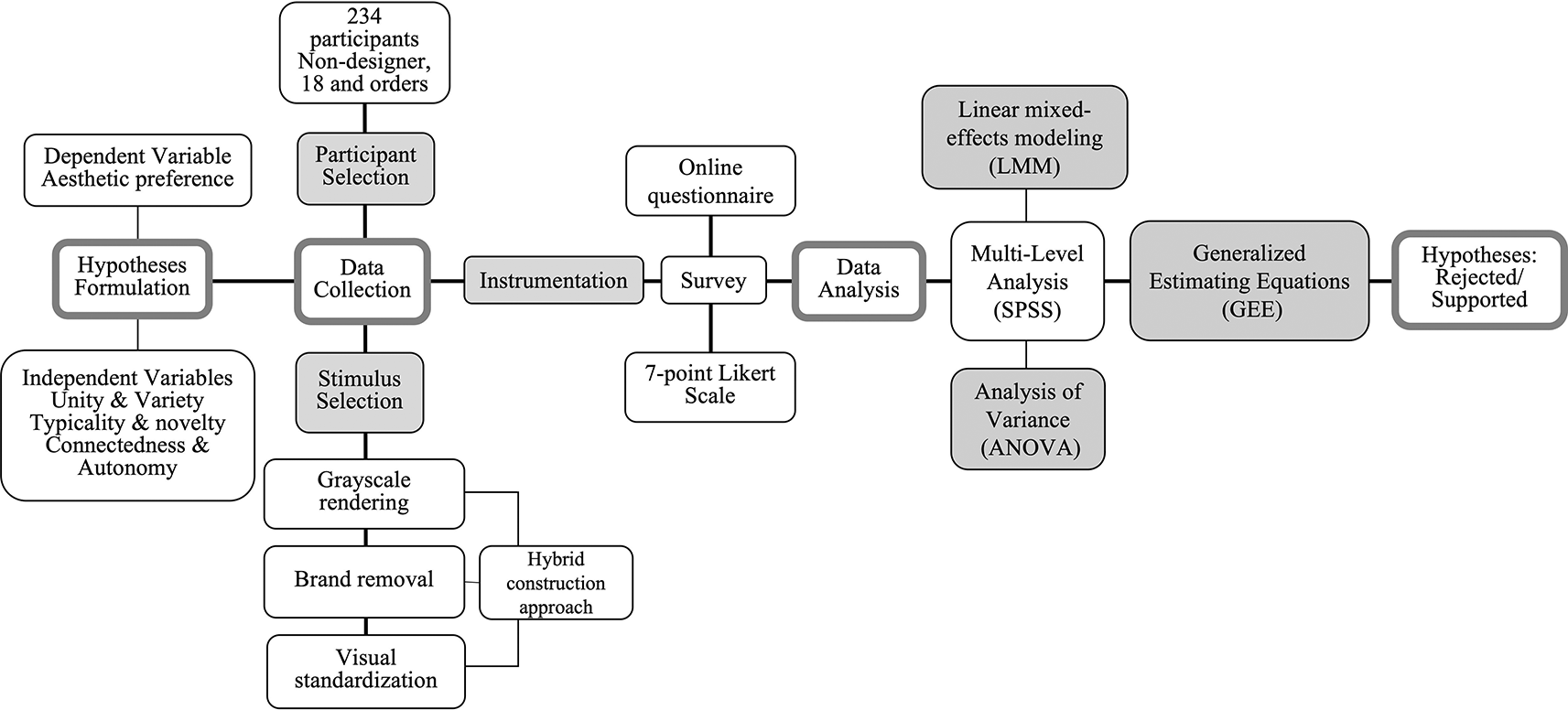
This flowchart outlines the stepwise process used in the study, including stimulus selection, participant recruitment, data collection, and multi-level statistical analyses.
The current study involved 234 Chinese participants who evaluated aesthetic preferences for laptops, a representative closed-category digital product. To minimize bias, individuals under 18 years of age and those with professional design backgrounds were excluded, as prior research indicates that design experts may respond based on specialized knowledge rather than general fundamental aesthetic evaluation (Whitfield, 2007). Participants were recruited online via Google Forms following standardized guidelines, ensuring consistency across multiple study phases. The sample was stratified into four age groups: 24.2% were18–25 years (n = 57), 32.6% were 26–35 years (n = 76), 19.9% were 36–45 years (n = 47), and 23.3% were 46 years old or above (n = 54). The gender distribution was relatively balanced, with 53.4% male (n = 125) and 46.6% female participants (n = 109).
The use of Chinese participants was appropriate for the present study because China represents an important consumer context for laptop products and provides a meaningful setting for examining aesthetic judgements of consumer electronics. At the same time, this sampling decision limits the cross-cultural generalizability of the findings. Therefore, the results should be interpreted as evidence from a Chinese non-design consumer sample rather than as universal aesthetic principles. Future studies should examine whether similar patterns occur across different cultural groups.
The final sample size of 234 participants was also consistent with previous UMA-based product-aesthetics studies, where sample sizes typically ranged from 85 to 300 participants (Berghman & Hekkert, 2017; Post et al., 2017; Tyagi, 2017; Suhaimi et al., 2023; Ding et al., 2025; Ma et al., 2025). However, no formal a priori power analysis was conducted before data collection. This is acknowledged as a methodological limitation, and future studies should include an a priori power analysis based on the expected effect size and repeated-measures structure. By focusing on a non-expert population, this study aimed to capture general aesthetic judgments that were not shaped by specialized design training. All participants provided informed consent through an online form. Participation was voluntary, and respondents could withdraw at any time without consequences.
The stimuli for this study consisted of visual images of ten laptop designs, incorporating five commercially available laptops and five conceptually designed models developed by an experienced team of industrial designers, as shown in Figure 2. This hybrid construction approach was deliberately adopted to ensure sufficient variation across the six aesthetic variables defined in the Unified Model of Aesthetics (UMA): unity, variety, typicality, novelty, connectedness, and autonomy. Commercially available laptops alone could not adequately represent all six variables, particularly at the higher levels of novelty, variety, or autonomy. Therefore, conceptually designed stimuli were included to enhance contrast and coverage across the full UMA variables.

Visual stimuli of ten laptop designs used in the study. Each stimulus is numbered from S1 to S10 to facilitate identification in the estimated marginal mean plots and scatter plots.
Although a formal taxonomy was not applied, the conceptually designed stimuli were generated by a professional design team with prior experience in UMA-based design studies. Their design brief was to maximize perceptual contrast along specific UMA dimensions, particularly where commercial products tend to cluster around typicality and unity. The team purposefully introduced distinctive features such as non-traditional silhouettes, asymmetrical layouts, layered configurations, and expressive stylistic elements. The theoretical alignment of the stimuli with the six UMA variables was reviewed by senior design experts to support clear differentiation among the laptop designs.
To reduce potential confounding effects, all ten laptop images were processed using the following standardization procedures. First, all laptops were converted to grayscale to reduce bias from color preference. Second, all brand logos, model identifiers, and operating-system interface cues were digitally removed using Adobe Photoshop. Third, all stimuli were placed against neutral backgrounds to reduce the influence of contextual visual information. However, because the stimulus set included both commercially available laptop images and conceptually rendered designs, complete equivalence in viewing angle, lighting, and rendering style could not be fully achieved. This limitation is acknowledged because differences in orientation or rendering style may have influenced participants’ visual judgements.
This hybrid approach combined ecological validity through real-world products with experimental contrast through conceptually designed stimuli. For example, S1 and S2 represent relatively conventional laptop forms with higher typicality and unity, whereas S9 and S10 feature exaggerated sculptural forms that emphasize novelty and autonomy. S7, with its rounded and user-friendly layout, was intended to enhance perceptions of connectedness, while S6 presented high visual variety through a layered configuration. To facilitate recognition in the estimated marginal mean plots and scatter plots, each stimulus was numbered from S1 to S10 in Figure 3. A descriptive classification of the ten stimuli is provided in Table 1.
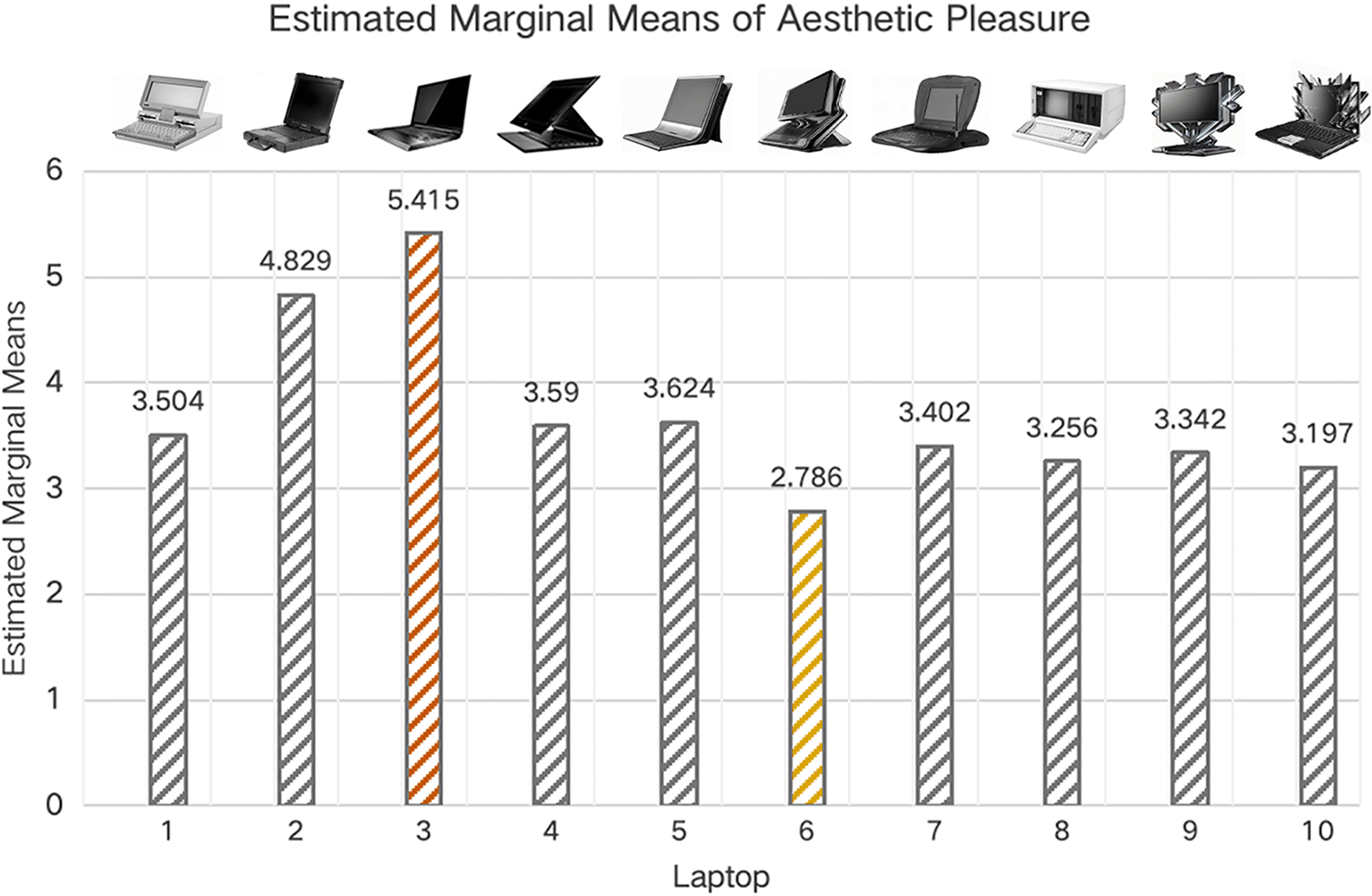
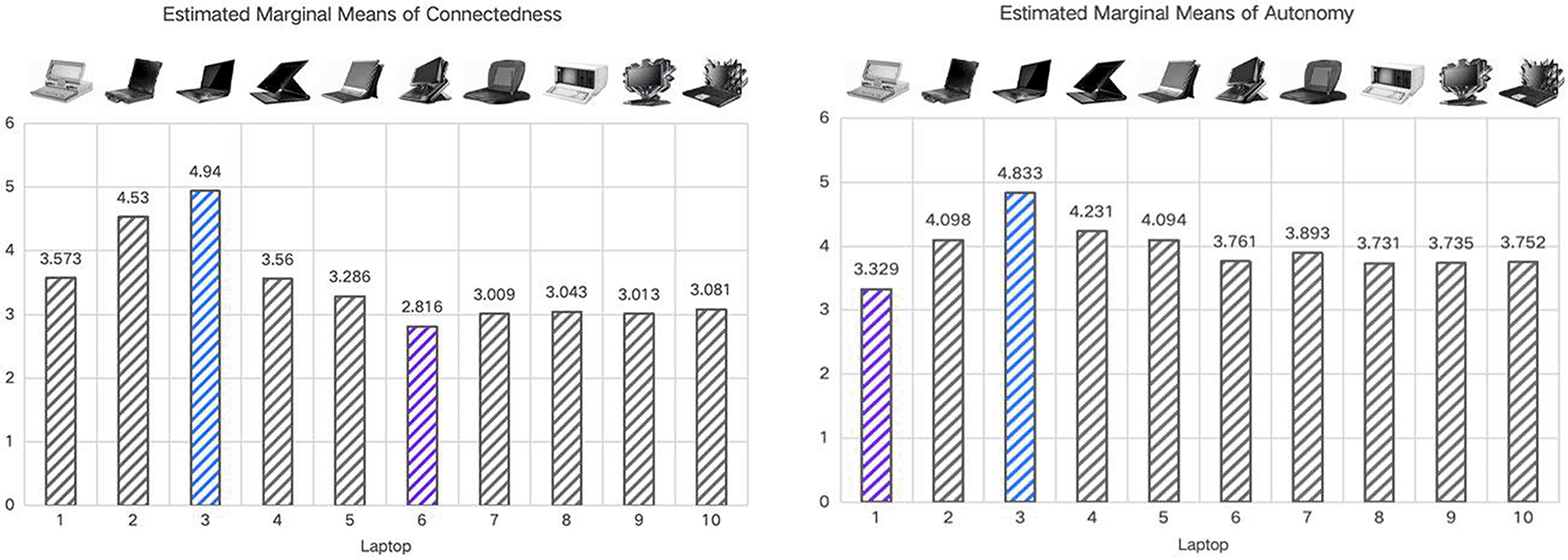
Bars indicate mean ratings of overall aesthetic pleasure on a 7-point Likert scale (1 = strongly disagree, 7 = strongly agree) for each laptop stimulus.
The hybrid stimulus set also introduced a potential confound between real and conceptually designed laptops. Real products may carry residual form familiarity even after brand removal, whereas conceptually designed products may appear less familiar because they are not commercially available. Therefore, participants’ responses may partly reflect differences in recognition or market familiarity in addition to the intended UMA variables. This issue was not separately modeled in the present analysis and is treated as a limitation. Future studies should either use a fully controlled set of newly designed stimuli or include stimulus source type, real versus conceptual, as an additional factor in the analysis.
Before the main study, an independent manipulation check was conducted with 30 participants who did not take part in the formal experiment. Participants evaluated the ten laptop stimuli using the same 7-point rating items for the six UMA variables. Repeated-measures ANOVA showed significant differences among the ten stimuli for all six variables: unity, F(9, 261) = 18.42, p < .001, ηp2 = .389; variety, F(9, 261) = 14.76, p < .001, ηp2 = .337; typicality, F(9, 261) = 21.35, p < .001, ηp2 = .424; novelty, F(9, 261) = 16.89, p < .001, ηp2 = .368; connectedness, F(9, 261) = 12.57, p < .001, ηp2 = .302; and autonomy, F(9, 261) = 15.94, p < .001, ηp2 = .355. These results indicated that the stimulus set produced sufficient perceived variation across the intended UMA dimensions. Conventional laptop forms were generally rated higher in unity and typicality, while unconventional and sculptural forms were rated higher in novelty, variety, and autonomy. Thus, the manipulation check supported the suitability of the stimuli for the main experiment.
The study was conducted through an online questionnaire accessible via web and mobile devices. Participants were instructed to complete the questionnaire in a quiet environment, to view the images carefully, and to use a device with a screen large enough to display the laptop images clearly. However, screen size, display resolution, ambient lighting, and viewing distance were not experimentally controlled. Participants’ visual impairments were also not independently verified. These factors may have introduced variability into the visual aesthetic judgements and are acknowledged as limitations of the online data collection procedure.
Ethical approval for this study was granted by the Ethics Committee for Research Involving Human Subjects of Universiti Putra Malaysia (Jawatankuasa Etika Universiti Penyelidikan Manusia UPM), under Approval No. JKEUPM-2023-1213. The study was conducted in accordance with the ethical principles outlined in the Declaration of Helsinki. All participants were presented with an online informed consent form prior to commencing the survey, and only those who provided written electronic consent were allowed to participate.
The questionnaire consisted of two main sections. The first section gathered demographic details such as age, gender, and other relevant background information for participant screening and later analysis. The second section focused on a visual evaluation of laptops. Participants viewed ten laptop images, each displayed individually in a randomized order to reduce potential sequence bias. For each image, participants responded to several statements using a 7-point Likert scale, ranging from “strongly disagree” (1) to “strongly agree” (7). Each aesthetic variable was measured using one item per stimulus. Thus, for each of the ten laptop images, participants rated seven statements: unity, variety, typicality, novelty, connectedness, autonomy, and overall aesthetic pleasure.
The items were designed to evaluate the stimuli across the three levels of the Unified Model of Aesthetics (UMA). At the perceptual level, unity and variety were assessed using items such as “this is a unified design” and “this design conveys variety.” At the cognitive level, typicality and novelty were evaluated using items such as “this is a typical design” and “this is a novel design.” At the social level, connectedness and autonomy were examined using items such as “this design makes me feel connected” and “this design emphasizes my individuality.” Overall aesthetic pleasure was measured using the item “this design is pleasing to see.” These measurements were adapted from established aesthetics pleasure and product-aesthetics studies (Blijlevens et al., 2014; Blijlevens et al., 2017). The full questionnaire items are provided in the supplementary material.
Data analysis was performed using IBM SPSS Statistics (version 26.0; https://www.ibm.com/products/spss-statistics). First, repeated-measures ANOVA was conducted to examine whether participants' ratings differed significantly across the ten laptop stimuli. This analysis was used to identify stimulus-level variation in aesthetic pleasure and in the six UMA variables: unity, variety, typicality, novelty, connectedness, and autonomy.
Second, Generalized Estimating Equations (GEE) were employed to assess the population-averaged effects of the six UMA variables on the dependent variable, aesthetic pleasure. GEE was appropriate because each participant evaluated multiple laptop stimuli, resulting in correlated repeated observations. The six UMA variables were entered as independent variables, and aesthetic pleasure was entered as the dependent variable. The unstandardized GEE β coefficients were used to compare the relative predictive contribution of each aesthetic variable because all predictors were measured using the same 7-point Likert scale.
Third, given the repeated-measures design, in which each participant evaluated multiple laptop stimuli, this study also employed Linear Mixed-Effects Modeling (LMM). LMM is suitable for nested data structures, where ratings are nested within participants and repeated evaluations may vary across stimuli. In the LMM, the six UMA variables were included as fixed effects, and random intercepts for participants were included to account for individual-level baseline differences in aesthetic preference. The LMM results were used to complement the ANOVA and GEE analyses by accounting for participant-level variability in repeated aesthetic judgements.
Given the moderate-to-high correlations among several UMA predictors, multicollinearity diagnostics were also examined before interpreting the regression-based models. Variance inflation factor (VIF) and tolerance values were inspected to assess whether the coefficient estimates were likely to be unstable. Conventional thresholds were used, with VIF values below 5 and tolerance values above .20 indicating that multicollinearity was not severe enough to invalidate the regression-based estimates.
A repeated measures Analysis of Variance (ANOVA) was conducted to examine differences in participants’ responses toward the ten laptop designs across various aesthetic dimensions. Table 2 presents the ANOVA results, demonstrating that all scales were statistically significant. Among these, typicality exhibited the highest partial eta squared value (ηp2 = 0.336), indicating its strong influence on aesthetic preferences. Furthermore, unity (ηp2 = 0.171) and connectedness (ηp2 = 0.196) also showed substantial effects, suggesting that the coherence of design and social attachment contribute to aesthetic pleasure. In contrast, novelty (ηp2 = 0.069) and variety (ηp2 = 0.067) had lower effect sizes, indicating that while they play a role in shaping preferences, they are fewer dominant factors.
This figure shows the repeated measures ANOVA result for the six independent variables in laptop designs.
Table 3 presents the repeated-measures ANOVA results for aesthetic liking and its interactions with gender and age. Greenhouse–Geisser corrected degrees of freedom are reported. The main effect of liking was statistically significant, F(5.634, 1273.372) = 50.355, p < .001, ηp2 = .182, indicating that participants’ aesthetic pleasure ratings differed significantly across the ten laptop stimuli. The interaction between liking and gender was also significant, F(5.634, 1273.372) = 3.680, p = .002, ηp2 = .016, suggesting that gender was associated with small differences in how participants evaluated the laptop stimuli. However, the interaction between liking and age was not significant, F(16.903, 1273.372) = 1.422, p = .118, ηp2 = .019. The three-way interaction among liking, gender, and age was also not significant, F(16.903, 1273.372) = 1.354, p = .151, ηp2 = .018.
This table summarizes the repeated-measures ANOVA results for the dependent variable “liking,” testing the main effect of aesthetic preference ratings and its interactions with age and gender.
Although the liking × gender interaction reached statistical significance, its effect size was small. According to Cohen’s conventional interpretation of partial eta squared, values around .01, .06, and.14 indicate small, medium, and large effects, respectively. Therefore, gender and age were not treated as focal explanatory variables in the subsequent analyses, which focused on the six UMA predictors of aesthetic pleasure.
According to Cohen’s guidelines (1988), partial eta squared (ηp2) values of 0.01, 0.06, and 0.14 indicate small, medium, and large effect sizes, respectively. In this study, the effect sizes for age, gender, and their interaction with liking were small (ηp2 ≤ .019), suggesting that these variables had a negligible impact on aesthetic preference. Given this, further analyses excluded these factors.
The estimated marginal means (EMMs) for each scale were derived from repeated measures ANOVA. Figure 3 presents the participants’ ratings of ten laptop designs, reflecting their aesthetic preferences across different samples. The calculated EMMs of aesthetic pleasure for each laptop were further analyzed. Notably, Stimulus 3 received the highest rating for aesthetic pleasure (M = 5.415), while Stimulus 6 had the lowest rating, (M = 2.786). These results highlight significant variations in the perceived visual appeal and aesthetic enjoyment of the laptop designs.
Next, we calculated the EMMs for the six independent variables: unity, variety, typicality, novelty, connectedness, and autonomy, as shown in Figures 4–6. The results indicate that the third laptop scored the highest across multiple dimensions, including novelty (M = 5.043), unity (M = 4.88), variety (M = 4.791), connectedness (M = 4.94), and autonomy (M = 4.833). In contrast, the sixth laptop had the lowest scores in typicality (M = 2.594), unity (M = 3.094), and connectedness (M = 2.816). Additionally, Stimulus 2 received the highest score in typicality (M = 5.197). This means Stimulus 3 emerged as the most aesthetically favored option, combining high levels of novelty, unity, variety, connectedness, and autonomy—suggesting a well-balanced design that meets both perceptual and social expectations.
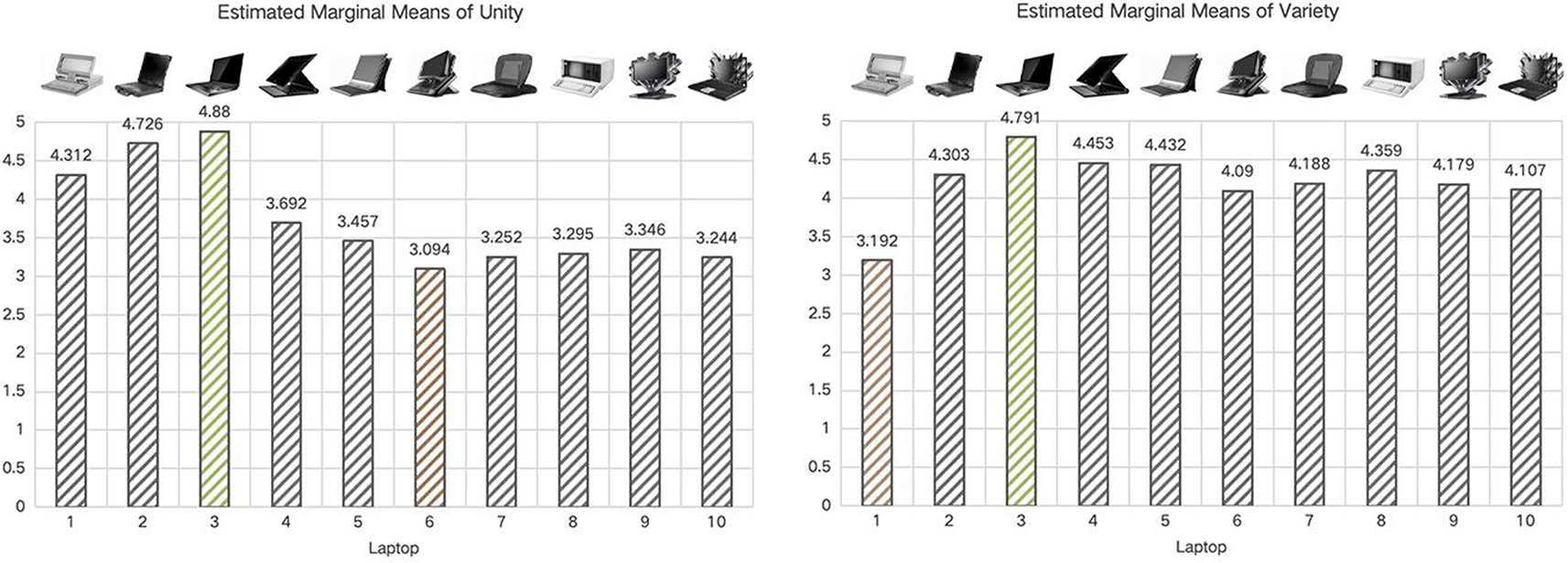
Each data point represents the mean perceptual rating (unity or variety) given to a laptop design. Scores are based on participant responses on a 7-point Likert scale.
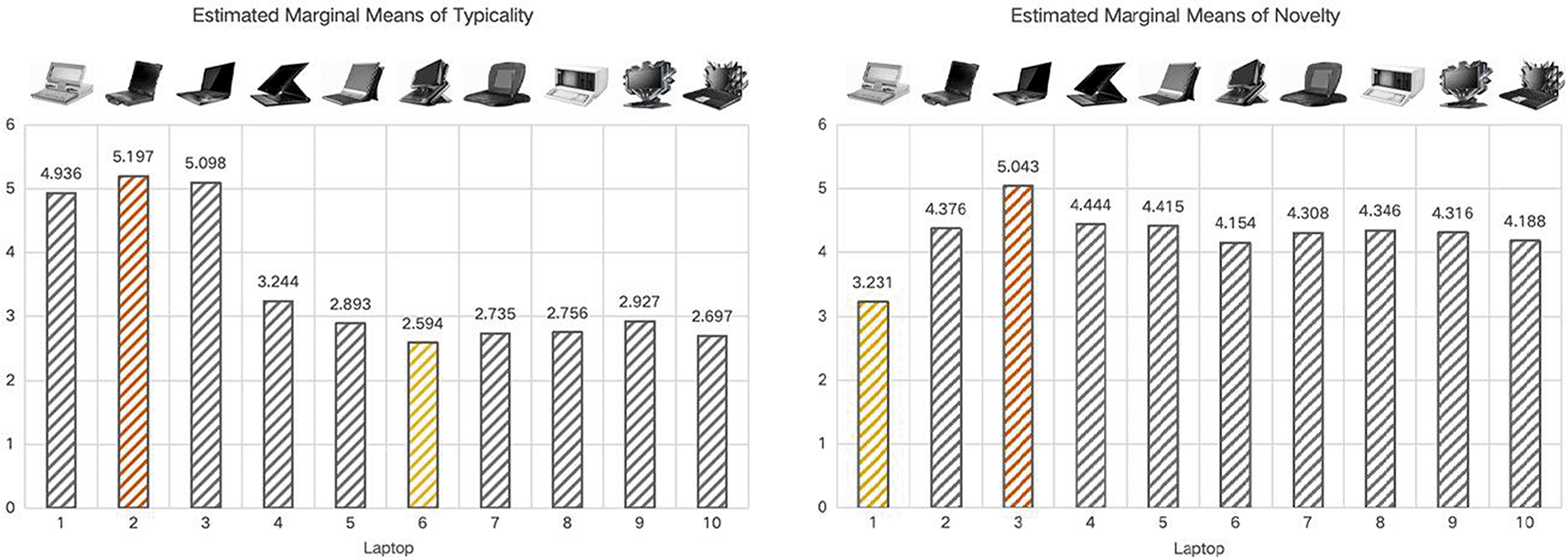
Each data point represents the mean cognitive rating (typicality or novelty) given to a laptop design.
Each data point represents the mean social rating (connectedness or autonomy) given to a laptop design.
To further examine how perceptual variables interact to influence aesthetic preferences, we visualized the distribution of all ten laptop stimuli across the perceptual level, with liking scores mapped as a color gradient, as shown in Figure 7. This visualization was intended to test the “Unity in Variety” principle in the UMA. The results reveal that Stimulus 3, located in the upper-right quadrant with both high unity and high variety, received the highest liking score, exemplifying the “Unity in Variety” principle. Its success demonstrates that users perceive designs as most appealing when they combine structural clarity with nuanced formal richness. In contrast, Stimulus 1, despite scoring high in unity, lacked variety, and only received moderate liking, suggesting that excessive uniformity may reduce perceptual engagement. Taken together, these findings strongly support the asymmetrical weighting implied by the UMA model in closed-category product types like laptops: while both unity and variety contribute to aesthetic appeal, unity plays a more decisive role in driving perceptual preference.
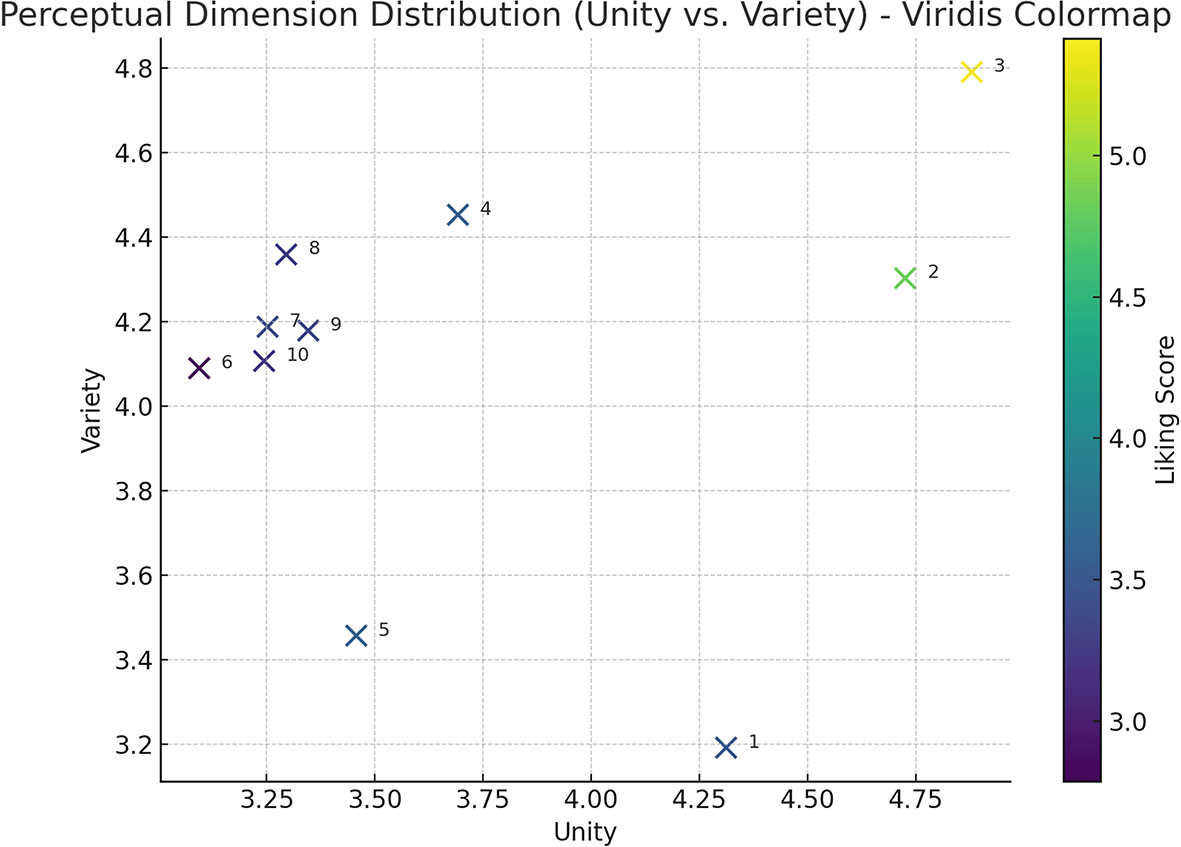
Each data point represents a laptop stimulus, plotted according to its mean unity and variety ratings. The color gradient indicates mean aesthetic pleasure scores (darker = higher liking).
Figure 8 was intended to test the cognitive level balance proposed by the UMA framework and exemplified by the MAYA principle. The results show that Stimulus 3, positioned in the upper-right quadrant with both high typicality and high novelty, received the highest liking score. This finding strongly supports the MAYA principle: users prefer designs that feel categorically recognizable yet simultaneously stimulating and fresh. Similarly, Stimulus 2, which achieved the highest typicality score overall and a moderate novelty score, also received a high liking score, reinforcing the importance of familiarity in closed-category product evaluations. Taken together, these findings support the asymmetrical weighting hypothesized by the UMA model: while both typicality and novelty contribute to aesthetic appeal, typicality appears to be more decisive in closed-category products like laptops.
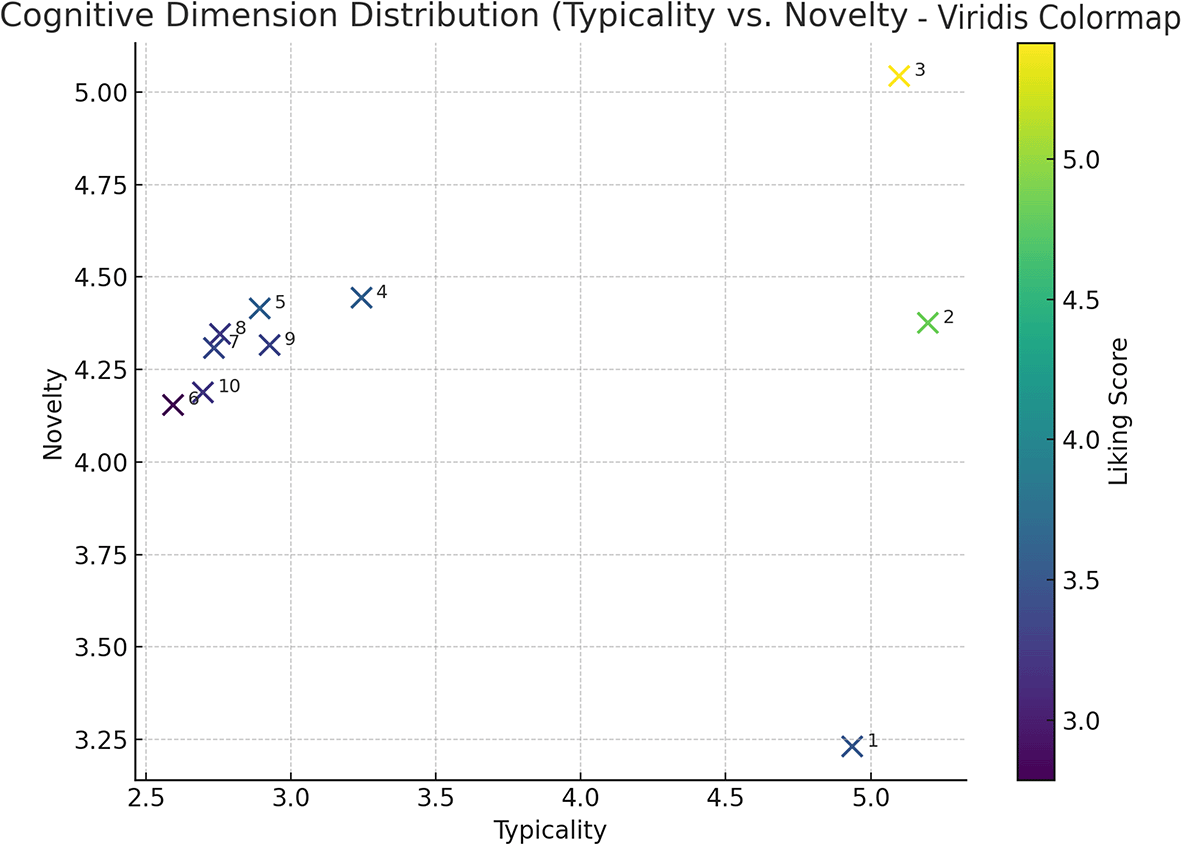
Laptops are plotted based on their mean typicality and novelty ratings, with color intensity representing mean aesthetic pleasure scores.
Figure 9 was intended to test the social-level balance proposed by the UMA and exemplified by the “Autonomous yet Connected” principle. The results reveal that Stimulus 3, located in the upper-right quadrant with both high connectedness and high autonomy, received the highest aesthetic liking score. This clearly supports the principle: users value designs that affirm collective identity while still enabling self-expression. Likewise, Stimulus 2, which also scored high in connectedness and moderately in autonomy, earned the second-highest liking score, suggesting that social affiliation plays a particularly important role in aesthetic judgments for laptops. Taken together, the results confirm the asymmetrical weighting of the social dimension in closed-category products. While both autonomy and connectedness contribute to aesthetic appreciation, connectedness seems to play a more dominant role in shaping preferences for laptop designs.
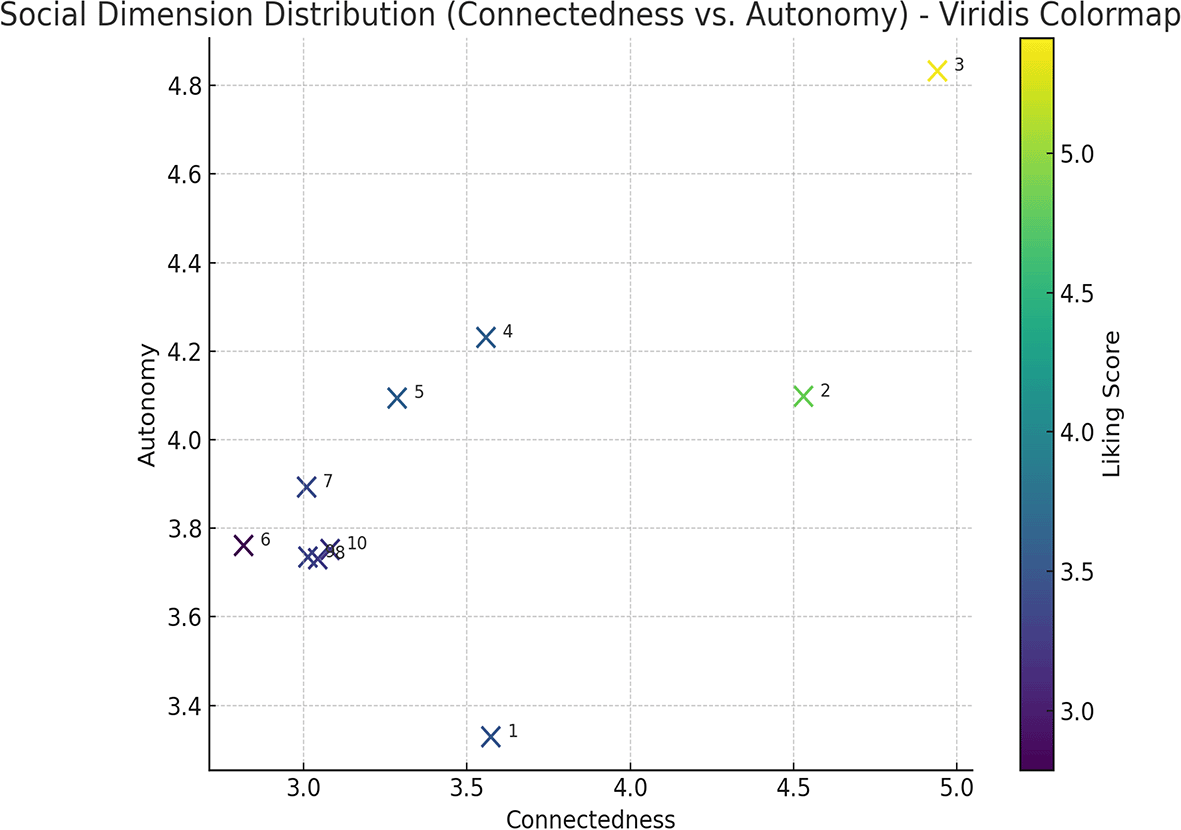
Data points represent laptop stimuli positioned according to their mean connectedness and autonomy ratings. Color shading reflects participants’ aesthetic pleasure scores.
Based on the GEE analysis, the strength of each independent variable in predicting the dependent variable, “pleasing to see,” was assessed. In this study, all six independent variables (unity, variety, typicality, novelty, connectedness, and autonomy) were included in the model. The results, as shown in Table 4, indicate that connectedness (β = 0.390) had the strongest effect on aesthetic pleasure, followed closely by autonomy (β = 0.174) and unity (β = 0.157). Typicality (β = 0.137) also exhibited a significant influence, while variety (β = 0.098) had a weaker effect. Novelty (β = 0.003) showed no significant effect on aesthetic pleasure (p = .905). These findings suggest that social level, particularly connectedness, exert the strongest influence on aesthetic evaluation. Additionally, cognitive factors such as typicality also contribute significantly to aesthetic appeal, while novelty appears to have little effect in this context.
The table presents unstandardized beta coefficients (β), standard errors (SE β), 95% confidence intervals (CI), and p-values for each aesthetic variable.
Pearson correlation coefficients were computed to examine bivariate relationships among the six UMA variables and aesthetic pleasure, as shown in Table 5. All correlations were positive and statistically significant at the .01 level. Unity was positively correlated with variety (r = .404, p < .01), typicality with novelty (r = .276, p < .01), and connectedness with autonomy (r = .578, p < .01). Therefore, although these paired variables are theoretically treated as opposing aesthetic tendencies within the UMA framework, they were not empirically negatively correlated in the present dataset. This suggests that participants could perceive a laptop design as both unified and varied, both typical and novel, or both connected and autonomous.
This table summarizes the pairwise correlations between Unity, Variety, Typicality, Novelty, Connectedness, Autonomy, and the dependent variable “Pleasing to see.”
| Variables | Unity | Variety | Typicality | Novelty | Connectedness | Autonomy | Pleasing to see |
|---|---|---|---|---|---|---|---|
| Unity | 1 | - | - | - | - | - | - |
| Variety | .404** | 1 | - | - | - | - | - |
| Typicality | .681** | .305** | 1 | - | - | - | - |
| Novelty | .391** | .692** | .276** | 1 | - | - | - |
| Connectedness | .710** | .470** | .671** | .400** | 1 | - | - |
| Autonomy | .504** | .651** | .403** | .645** | .578** | 1 | - |
| Pleasing to see | .650** | .495** | .606** | .433** | .734** | .594** | 1 |
Aesthetic pleasure was positively associated with all six UMA variables, with the strongest correlation observed for connectedness (r = .734, p < .01), followed by unity (r = .650, p < .01), typicality (r = .606, p < .01), autonomy (r = .594, p < .01), variety (r = .495, p < .01), and novelty (r = .433, p < .01). These results indicate that both safety-oriented and accomplishment-oriented variables contributed positively to aesthetic pleasure at the bivariate level. However, the relative strength of these relationships suggests that safety-oriented variables, particularly connectedness, unity, and typicality, were more strongly associated with aesthetic pleasure in this closed-category product context.
Because several UMA predictors showed moderate-to-high positive correlations, multicollinearity diagnostics were conducted before interpreting the GEE and LMM results. The VIF values ranged from 1.42 to 2.86, and all tolerance values were above .35. These results indicated that multicollinearity did not exceed conventional thresholds and that the regression-based coefficient estimates could be interpreted with reasonable caution. Therefore, although the UMA variables were theoretically and empirically related, the observed associations did not indicate severe multicollinearity.
To further examine variance at the stimulus level and justify the adoption of a multilevel modeling approach, we evaluated the covariance parameters derived from the LMM. Table 6 presents the estimates of residual variances for each of the ten laptop stimuli under the repeated-measures structure. All ten stimuli exhibited statistically significant variance estimates (Wald Z > 9.2, p < .001), with 95% confidence intervals that excluded zero. The variance estimates ranged from 1.084 for Stimulus 2 to 2.223 for Stimulus 5, indicating heterogeneity in aesthetic judgments across participants. Notably, Stimulus 5 elicited the highest inter-individual variance (Estimate = 2.223, SE = 0.218), suggesting that participant responses to this design were particularly diverse. In contrast, Stimulus 2 exhibited the most consistent aesthetic ratings across the sample (Estimate = 1.084, SE = 0.117), reflecting a relatively strong consensus in evaluation.
The table shows variance estimates, standard errors (SE), Wald Z statistics, p-values, and 95% confidence intervals (CI) for each of the ten laptop stimuli, reflecting inter-individual variability in aesthetic judgments.
These results confirm the necessity of modeling both fixed effects and random participant-level variance in aesthetic evaluations. While ANOVA and GEE models assess mean differences and marginal effects, respectively, they do not capture subject-specific variability across repeated stimuli. By explicitly modeling this random variance, the LMM provides a more robust and generalizable framework for understanding how users perceive aesthetic attributes in closed-category product designs like laptops.
The primary aim of this study was to evaluate the Unified Model of Aesthetics (UMA) in the context of laptop design and to interpret the results through Whitfield’s Categorical-Motivation (CM) model. Rather than testing a formally integrated structural model, this study used the CM model as a category-sensitive interpretive lens for understanding how the relative importance of UMA variables may shift in closed-category product design. This approach allows the six UMA variables—unity, variety, typicality, novelty, connectedness, and autonomy—to be examined within a product category that is functionally constrained and visually standardized.
Our findings support the usefulness of interpreting UMA results through the category-sensitive lens of the CM model, especially when examining closed-category technological products such as laptops. Repeated-measures ANOVA results showed that typicality varied strongly across the laptop stimuli, while the predictive analyses indicated that safety-oriented variables were more strongly associated with aesthetic pleasure than some accomplishment-oriented variables. This pattern is consistent with CM theory, which posits that closed categories products tend to evoke preferences for recognizable, prototypical, and reduce uncertainty. At the cognitive level, typicality was more influential than novelty, suggesting that laptop users may prefer designs that preserve category recognizability while allowing only controlled degrees of innovation. These findings support Hypothesis 2, which proposed that laptop shapes with high typicality would elicit stronger aesthetic preference than highly novel designs.
At the perceptual level, unity emerged as a significant positive predictor of liking, whereas variety had a smaller and inconsistent effect. Visualization of the “Unity and Variety” interaction confirmed that Stimulus 3, which scored high on both dimensions, received the highest overall liking score, thus exemplifying the “Unity in Variety” principle. However, the greater relative influence of unity suggests that perceptual coherence may be particularly important in closed-category technological products. This finding supports Hypothesis 1, which proposed that perceptually unified laptop forms would be preferred. It also indicates that, in laptop design, users may value visual richness when it is organized within a coherent and recognizable product structure.
At the social level, connectedness was a stronger predictor of aesthetic preference than autonomy. This result suggests that closed-category products such as laptops carry social and normative expectations, and designs that align with familiar collective norms (connectedness) are more aesthetically appealing than those that emphasize individuality (autonomy). Stimulus 3, which scored high in both connectedness and autonomy, also received the highest liking score, suggesting that successful designs may combine social familiarity with a controlled degree of individual expression. These findings support Hypothesis 3, which proposed that laptop designs conforming to collective norms would be preferred over highly autonomous designs.
It is important to distinguish theoretical opposition from empirical negative correlation. In the UMA framework, unity and variety, typicality and novelty, and connectedness and autonomy represent opposing aesthetic tendencies. However, in the present data, these paired variables were positively correlated. This indicates that a successful laptop design may combine both sides of a pair rather than forcing a strict trade-off between them. The asymmetry observed in this study therefore refers to differences in predictive strength, not to negative empirical relationships between the paired variables. In other words, laptop designs can be perceived as both unified and varied, both typical and novel, or both connected and autonomous, but one side of each pair may carry greater relative weight in shaping aesthetic pleasure.
From a theoretical standpoint, the results suggest that product category structure may shape the relative weight of UMA variables. The study does not claim to have tested a direct integration path between UMA and CM. Instead, it uses the CM model to provide a category-sensitive explanation for why safety-oriented variables—particularly connectedness, unity, and typicality—may become more influential in a closed-category technological product context. This interpretation refines the application of UMA by showing that its six variables may not contribute equally across all product domains. Rather, their relative importance may depend on the functional constraints, category expectations, and symbolic meanings associated with a given product type.
From a practical perspective, the results underscore the importance of prioritizing coherence, recognizability, and social alignment in laptop design. Designers and manufacturers can use these insights to better align visual styling with consumer expectations in technologically constrained markets. The findings suggest that highly novel or idiosyncratic designs may pose aesthetic risks in closed-category domains if they disrupt category recognizability or social familiarity. However, innovation should not be excluded; rather, it should be introduced in a controlled way that preserves visual coherence and categorical clarity.
The findings should not be generalized too broadly beyond the present product category. Because the study focused only on laptops, the results mainly indicate how aesthetic variables operate within one closed-category technological product. Other closed-category products, such as medical devices, cameras, or office equipment, may involve different functional constraints, symbolic meanings, and user expectations. Therefore, the proposed category-sensitive interpretation should be tested across additional product types before broader theoretical claims are made. Future work should also consider cross-cultural validation to determine whether similar category-specific aesthetic patterns occur across different user groups. Additional research could examine temporal factors, such as how repeated exposure affects liking through mere exposure or prototypicality shifts, and could extend the analysis to other sensory modalities, including tactile experience, sound, and material texture.
This study examined aesthetic preference for laptop design by applying the Unified Model of Aesthetics (UMA) and interpreting the findings through Whitfield’s Categorical-Motivation (CM) model. Rather than testing a formal integrated structural model, the study used the CM model to explain why safety-oriented variables may carry greater weight in a closed-category technological product. The results showed that connectedness, unity, and typicality were strongly associated with aesthetic pleasure, suggesting that laptop users tend to prefer designs that are socially familiar, visually coherent, and categorically recognizable. These findings indicate that product category structure may shape the relative influence of aesthetic variables in product design.
Methodologically, the use of repeated-measures ANOVA, GEE, and LMM allowed the study to examine the data from complementary perspectives: mean differences across stimuli, population-averaged predictor effects, and participant-level variability. However, the LMM results were used mainly to account for the repeated-measures structure rather than to introduce a new methodological framework. Future studies should provide more detailed multilevel model specifications, including random slopes and model comparison indices, if LMM is presented as a central analytical contribution.
From a design perspective, our findings suggest that users are more likely to favor laptop designs that are visually cohesive, cognitively recognizable, and socially aligned with familiar norms. This has practical implications for product designers and marketers, who must balance the drive for innovation with the need for categorical clarity and social relevance. Designs that deviate too far from prototypical norms may risk alienating users in closed-category markets, whereas those that reinforce shared visual and symbolic expectations tend to enhance aesthetic appeal. Therefore, innovation in laptop design may be most effective when it is introduced within a recognizable and coherent product form.
Several limitations should be noted. First, the study used an online questionnaire, so display conditions such as screen size, resolution, ambient lighting, and viewing distance were not fully controlled. This is particularly relevant because the study concerns visual aesthetic judgement. Second, the sample was limited to Chinese non-design participants, which restricts cross-cultural generalizability. Third, the stimulus set combined real and conceptually designed laptops, which may have introduced differences in familiarity, recognition, and rendering style. Fourth, although an independent manipulation check was conducted before the main experiment, the stimuli should still be interpreted as producing perceived variation across the UMA variables rather than as perfectly isolated manipulations of single aesthetic dimensions. Fifth, the study focused exclusively on visual form, without considering other sensory modalities such as tactile experience, sound, or material texture. Finally, because the study examined only one closed-category technological product, future research should test the category-sensitive interpretation across other product categories and examine whether aesthetic preference is related to behavioral intention, perceived usability, or actual purchasing decisions.
Informed consent was obtained from all subjects involved in the study. Prior to participation, all respondents were presented with an online consent form outlining the voluntary nature of their involvement, the purpose of the research, and the assurance of anonymity and confidentiality. Only participants who provided written electronic consent were allowed to proceed with the survey.
| Views | Downloads | |
|---|---|---|
| F1000Research | - | - |
|
PubMed Central
Data from PMC are received and updated monthly.
|
- | - |
Provide sufficient details of any financial or non-financial competing interests to enable users to assess whether your comments might lead a reasonable person to question your impartiality. Consider the following examples, but note that this is not an exhaustive list:
Sign up for content alerts and receive a weekly or monthly email with all newly published articles
Already registered? Sign in
The email address should be the one you originally registered with F1000.
You registered with F1000 via Google, so we cannot reset your password.
To sign in, please click here.
If you still need help with your Google account password, please click here.
You registered with F1000 via Facebook, so we cannot reset your password.
To sign in, please click here.
If you still need help with your Facebook account password, please click here.
If your email address is registered with us, we will email you instructions to reset your password.
If you think you should have received this email but it has not arrived, please check your spam filters and/or contact for further assistance.

Comments on this article Comments (0)