Keywords
endometrial cancer, microRNA, biomarker, meta-analysis, diagnostic.

This article is included in the Cell & Molecular Biology gateway.
This article is included in the Oncology gateway.
endometrial cancer, microRNA, biomarker, meta-analysis, diagnostic.
Endometrial cancer (EC) is one of the most common gynecological malignancies worldwide, with a steadily increasing incidence and disease-related mortality.1 In 2020, the global incidence of EC reached 417,336 cases, making it the sixth most commonly diagnosed cancer among women, with the majority of cases occurring between 65 and 75 years of age.2,3 Most ECs are generally associated with a favorable prognosis due to early clinical presentation, most commonly abnormal uterine bleeding.4,5 Nevertheless, a substantial proportion of patients are still diagnosed at advanced stages, where survival outcomes remain poor despite advances in surgical and adjuvant treatments.5
Currently, the diagnosis of EC relies on transvaginal ultrasound followed by endometrial biopsy, an invasive procedure that is often associated with patient discomfort and technical limitations.6,7 High rates of inadequate sampling and procedural failure have been reported, particularly in postmenopausal women, limiting diagnostic reliability.8,9 As a result, there is a growing clinical need for non-invasive, reliable, and patient-friendly biomarkers that could support or refine existing diagnostic pathways. Such biomarkers may facilitate earlier detection and reduce unnecessary invasive procedures.
MicroRNAs (miRNAs) are small non-coding RNA molecules that regulate gene expression at the post-transcriptional level and play a central role in numerous cellular processes, including proliferation, apoptosis, differentiation, and angiogenesis.10 Dysregulation of miRNA expression has been widely implicated in carcinogenesis, where miRNAs may function as oncogenes or tumor suppressors depending on their target genes.11 Importantly, miRNAs exhibit remarkable stability in various biological specimens, including serum, plasma, tissue, and extracellular vesicles, making them attractive candidates for minimally invasive cancer biomarkers.12
In recent years, multiple studies have explored the diagnostic potential of miRNAs in EC, reporting differential expression patterns in both tissue-based and circulating samples.5 Several miRNAs have been proposed as promising diagnostic markers, either individually or in combination panels. However, the reported diagnostic performance varies substantially across studies, likely due to differences in study design, specimen types, selected miRNAs, analytical methods, and control populations.5,13 Consequently, the overall diagnostic value of miRNAs in EC remains uncertain, and conclusions drawn from individual studies are often inconsistent.
Given these limitations, a comprehensive synthesis of the available evidence is needed. Therefore, this meta-analysis was conducted to systematically evaluate the diagnostic performance of miRNA-based biomarkers for detecting endometrial cancer. This study aims to provide a clearer and more robust assessment of the clinical utility of miRNAs as diagnostic biomarkers for EC and to guide future research in this field.
This systematic review and diagnostic meta-analysis were conducted in accordance with the Preferred Reporting Items for Systematic Reviews and Meta-Analyses (PRISMA) 2020 guidelines.14 The research question was formulated using the PICOS framework, as summarized in Table 1. This systematic review was registered with the International Prospective Register of Systematic Reviews (PROSPERO) under protocol number CRD420261280267.
Articles were included if they met the following criteria: (1) investigated the diagnostic role of microRNAs (miRNAs) in human subjects; (2) employed an observational study design suitable for diagnostic performance evaluation, such as case–control, cross-sectional, or cohort studies; and (3) explicitly identified endometrial cancer or endometrial carcinoma as the target condition in the title or abstract. Studies were excluded if they: (1) were not published in English; (2) were reviews, editorials, conference abstracts, or case reports; or (3) provided incomplete, insufficient, or non-extractable diagnostic data.
Using predefined selection criteria (eligibility criteria), a pair of blinded reviewers reviewed titles, abstracts, and complete articles retrieved from PubMed/MEDLINE, ScienceDirect, Embase, and Web of Science databases to detect eligible studies. To further enhance search comprehensiveness, a snowballing approach was used to manually screen the cited references of qualifying studies and associated review articles. The ultimate literature search was completed in August 2025.
A comprehensive literature search was conducted for research reports available through August 2025, using a blend of standardized subject headings and keywords. The following keywords were applied across databases:
Two investigators separately reviewed titles and summaries to assess study inclusion. Complete articles were then assessed in detail by the same reviewers. Consensus meetings resolved any disagreements during the screening phase, and when agreement was not achieved, an additional senior reviewer was consulted to provide an independent assessment.
Data were independently extracted in duplicate by two reviewers employing a prestructured extraction form derived from previous diagnostic meta-analytic studies. Discrepancies were settled via discussion with a third independent reviewer. All collected data were double-checked for accuracy before analysis.
The following data items were collected: (1) First author; (2) year the article was published; (3) country where the study was conducted; (4) research design; (5) evaluated miRNA(s); (6) direction of miRNA expression; (7) number of endometrial cancer cases and controls; (8) type of specimen; and (9) diagnostic accuracy metrics, including sensitivity, specificity, and AUC as a global accuracy index.
A pair of reviewers independently evaluated the methodological rigor and potential bias of every selected study by means of the QUADAS-2 instrument. This instrument evaluates bias risk and relevance across four areas: selection of patients, test under evaluation, reference standard, progression, and timing of testing.15 Disagreements were resolved through mutual agreement or discussion with an independent third reviewer.
A diagnostic meta-analysis was conducted using Stata/BE version 18.0. Pooled estimates of sensitivity, specificity, positive likelihood ratio (PLR), negative likelihood ratio (NLR), and log diagnostic odds ratio (logDOR) with 95% confidence intervals (CIs) were calculated using a bivariate random-effects model. When not directly reported, true positive, false positive, false negative, and true negative values were reconstructed from available sensitivity and specificity data. Forest plots and summary receiver operating characteristic (SROC) curves were generated to illustrate overall diagnostic performance, including the area under the curve (AUC).
Threshold effects were assessed by examining the correlation between logit-transformed sensitivity and specificity using Spearman’s rank correlation. A significant positive correlation (p < 0.05) indicated a potential threshold effect, in which case diagnostic accuracy was summarized using the SROC curve rather than pooled sensitivity and specificity estimates.
Heterogeneity was evaluated using Cochran’s Q and the I2 statistic, with I2 > 50% indicating substantial heterogeneity. Subgroup analyses were performed based on endometrial cancer subtype (EEC-only vs. mixed EC), specimen type (serum, plasma, tissue), biomarker type (single miRNA vs. panel), expression pattern (upregulated vs. downregulated), and control type (healthy vs. mixed controls).
Sensitivity analyses were conducted using deviance residuals, Cook’s distance, and standardized residuals to identify influential studies. These studies were sequentially excluded to assess the stability of pooled estimates. Publication bias was assessed using Deeks’ funnel plot, with p > 0.05 indicating no significant bias. Clinical applicability was further evaluated using Fagan’s nomogram to estimate post-test probabilities.16
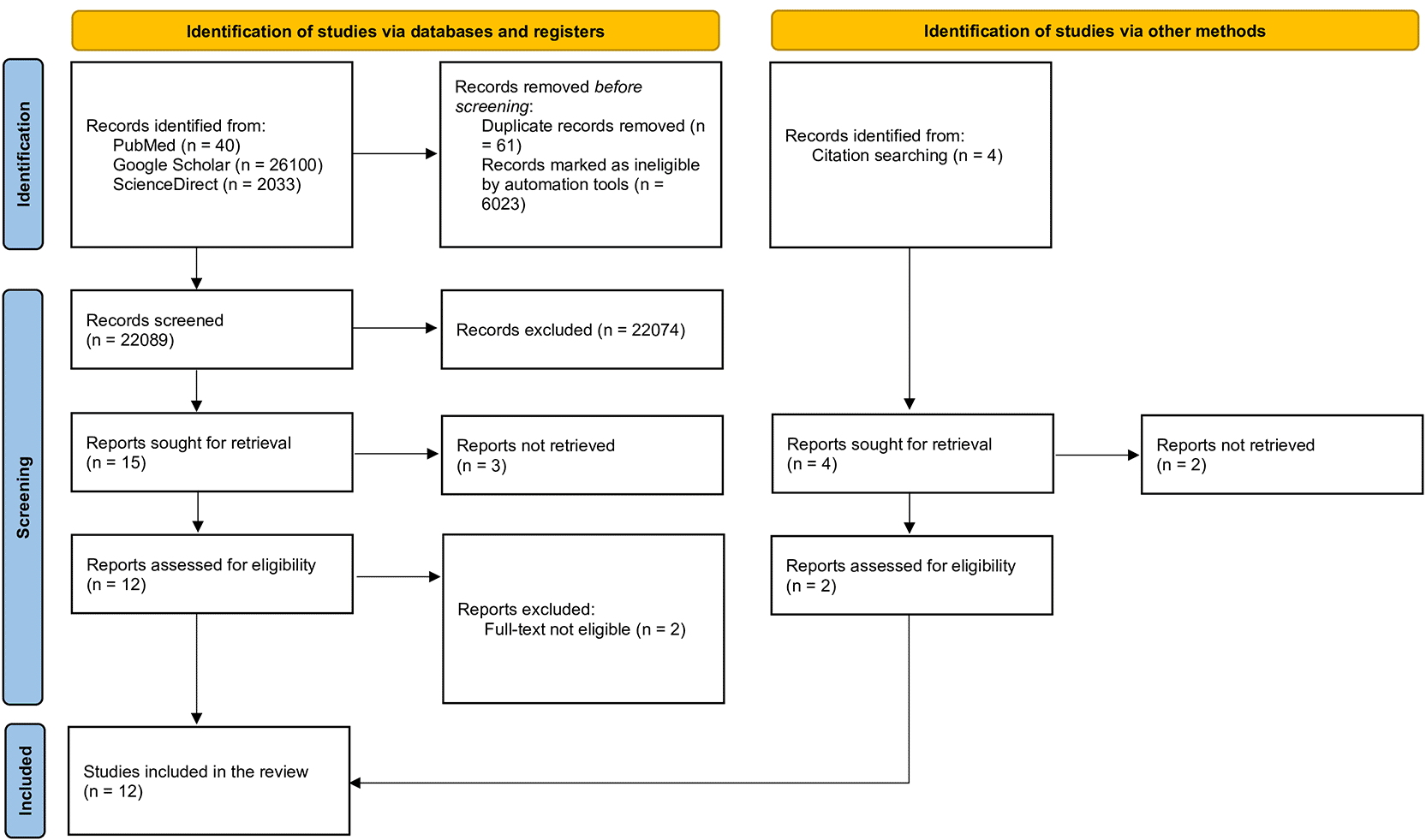
A total of 12 eligible articles, comprising 52 studies, were included in the final analysis, encompassing a combined population of 1,098 endometrial cancer cases and 957 controls ( Figure 1, Table 2).17–28 The articles were published between 2012 and 2023 and were conducted across multiple regions, including China, South Korea, Italy, Poland, Serbia, and several European countries. Most articles employed a case–control design, with two articles using a multiphase case–control approach and one retrospective cohort study. The majority of cases involved endometrial carcinoma, with several articles specifically focusing on endometrioid endometrial cancer (EEC) or early-stage disease. Control groups consisted of healthy women, benign gynecological conditions, or a combination of both. Regarding biological specimens, miRNA expression was evaluated using serum, plasma, peripheral blood, serum-derived exosomes, and formalin-fixed paraffin-embedded (FFPE) tissue. Several articles have assessed circulating miRNAs, while others have investigated tissue-based miRNA expression, and one study has included both plasma and tissue samples. Overall, the included articles represented diverse populations, specimen types, and study designs, providing a broad basis for the pooled diagnostic performance and subgroup analyses.
| Author, Year | Country | Study design | Number of cases | Number of controls | Disease | Control | Samples |
|---|---|---|---|---|---|---|---|
| Wang et al., 201417 | China | Retrospective case–control | 40 EEC | 30 healthy +23 benign endometrial disease | Endometrial endometrioid adenocarcinoma | Healthy women, endometrial polyps, atypical hyperplasia | Plasma |
| Lee et al., 201218 | South Korea | Retrospective tissue-based diagnostic study | 22 EC | 53 (CAH, SH, normal) | Endometrial carcinoma | Complex atypical hyperplasia, simple hyperplasia, normal endometrium | FFPE tissue |
| Montagnana et al., 201719 | Italy | Prospective case–control | 46 EC | 28 healthy | Endometrial carcinoma | Healthy women | Serum |
| Torres et al., 201220 | Poland/Italy | Case–control, multi-cohort | 77 EEC | 45 controls | Endometrioid endometrial carcinoma | Benign gynecologic disease, healthy women | Plasma + tissue |
| Donkers et al., 202121 | UK/Germany/Netherlands | Retrospective cohort | 36 EC | 40 benign hysterectomies | Endometrial cancer | Benign gynecological disease | FFPE tissue |
| Zheng et al., 201922 | China | Case–control | 100 EC | 100 healthy | Endometrial carcinoma | Healthy women | Serum-derived exosomes |
| Blagojević et al., 202323 | Serbia | Case–control | 40 early-stage EC | 16 normal endometrium | Early-stage endometrial cancer | Endometrial hyperplasia without atypia | Tissue |
| Jia et al., 201324 | China | Case–control | 26 EC | 22 healthy | Endometrioid endometrial cancer | Healthy women | Serum |
| Jiang et al., 201625 | China | Case–control | 73 EC | 73 healthy | Endometrial cancer | Healthy women | Serum |
| Wang et al., 201826 | China | Case–control | 356 EC | 304 (benign + healthy) | Endometrial cancer | Benign endometrial disease, healthy | Peripheral blood |
| Fan et al., 2021b27 | China | Multiphase case–control | 93 EC | 79 healthy | Endometrial cancer | Healthy women | Plasma |
| Fan et al., 2021a28 | China | Multiphase case–control | 92 EC | 102 healthy | Endometrial cancer | Healthy women | Serum |
Overall, the potential bias was considered acceptable across articles, although variability was observed among specific domains ( Table 3). The patient selection domain was the primary source of potential bias, as several articles employed retrospective case–control designs or non-consecutive sampling, increasing the risk of bias in this area for a proportion of articles. Conversely, the index testing domain showed a consistently low risk of bias, as all articles applied standardized, validated miRNA detection methods with clearly defined thresholds. Similarly, the reference-standard domain was deemed low-risk across all included articles, as endometrial cancer was consistently confirmed by histopathological analysis. The risk of systematic error in the flow and timing domain was mostly minimal to uncertain, largely attributable to incomplete reporting of the interval between the index test and the reference standard or sparse information on excluded patients. From an applicability perspective, concerns were largely minimal across all domains, indicating that the included studies were appropriate for addressing the review question on the ability of miRNA-derived biomarkers to aid in the diagnosis of endometrial cancer. On the whole, the QUADAS-2 assessment suggests that the findings of this meta-analysis. In general, the findings are based on published articles with acceptable methodological rigor, with patient selection as the main potential source of bias.
| Study | Patient selection | Index test | Reference standard | Flow & timing | Overall risk of bias | Applicability concerns |
|---|---|---|---|---|---|---|
| Wang et al., 201417 | High | Low | Low | Unclear | Moderate–High | Low |
| Lee et al., 201218 | High | Low | Low | Low | Moderate | Low |
| Montagnana et al., 201719 | Low | Low | Low | Low | Low | Low |
| Torres et al., 201220 | High | Low | Low | Unclear | Moderate–High | Low |
| Donkers et al., 202121 | Low | Low | Low | Low | Low | Low |
| Zheng et al., 201922 | Low | Low | Low | Low | Low | Low |
| Blagojević et al., 202323 | High | Low | Low | Low | Moderate | Low |
| Jia et al., 201324 | High | Low | Low | Unclear | Moderate–High | Low |
| Jiang et al., 201625 | Low | Low | Low | Low | Low | Low |
| Wang et al., 201826 | High | Low | Low | Unclear | Moderate–High | Low |
| Fan et al., 2021b27 | Low | Low | Low | Low | Low | Low |
| Fan et al., 2021a28 | Low | Low | Low | Low | Low | Low |
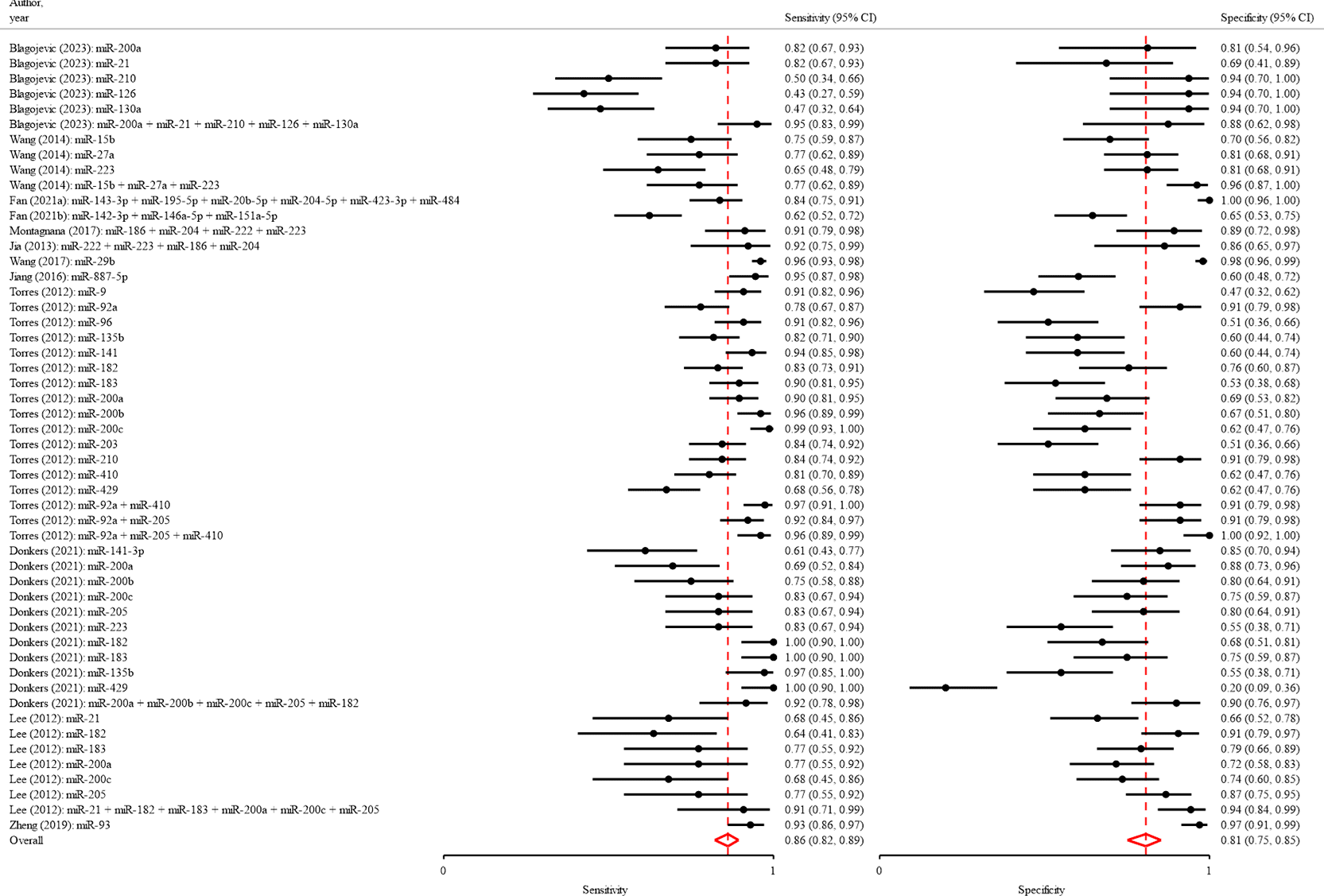
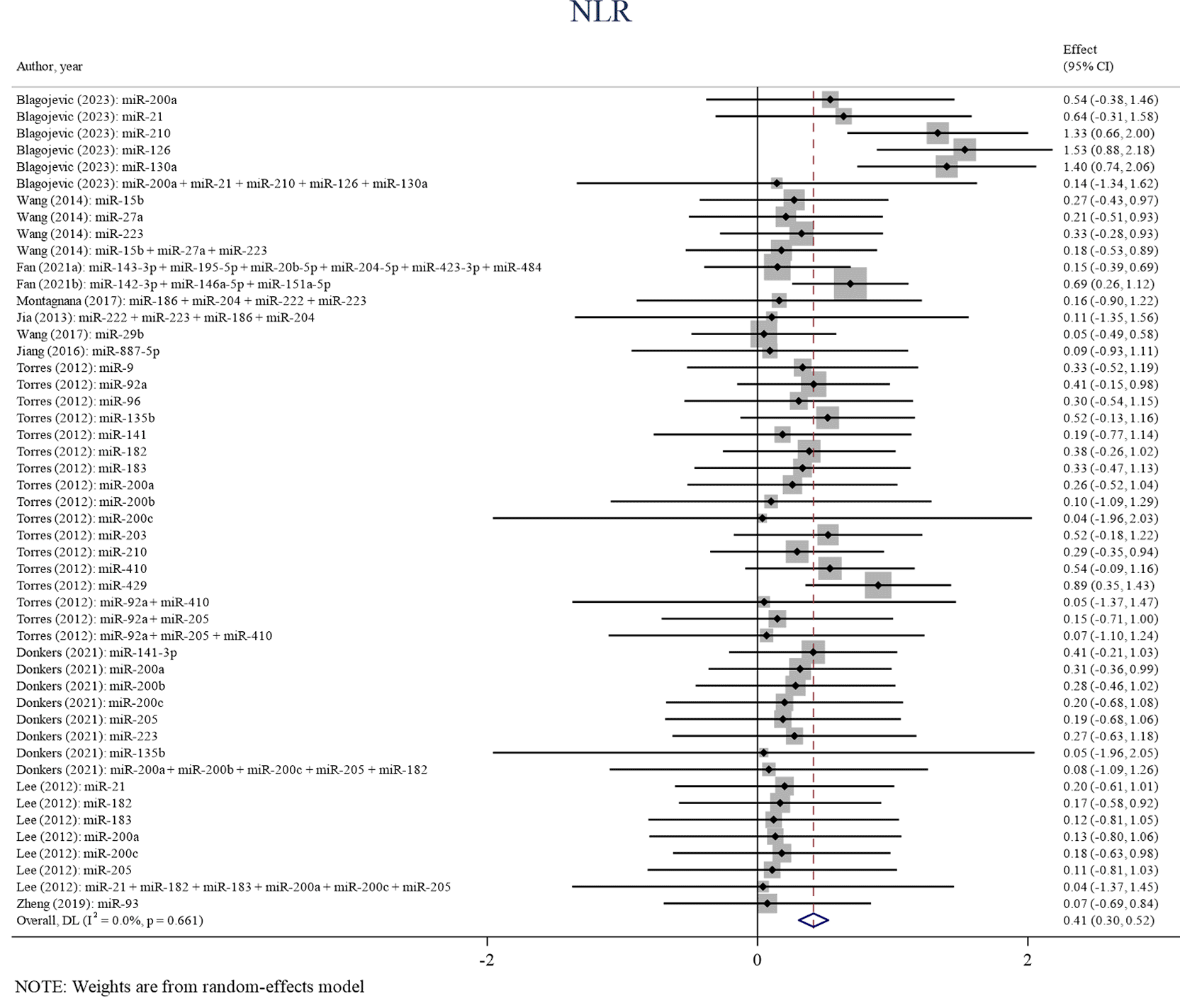
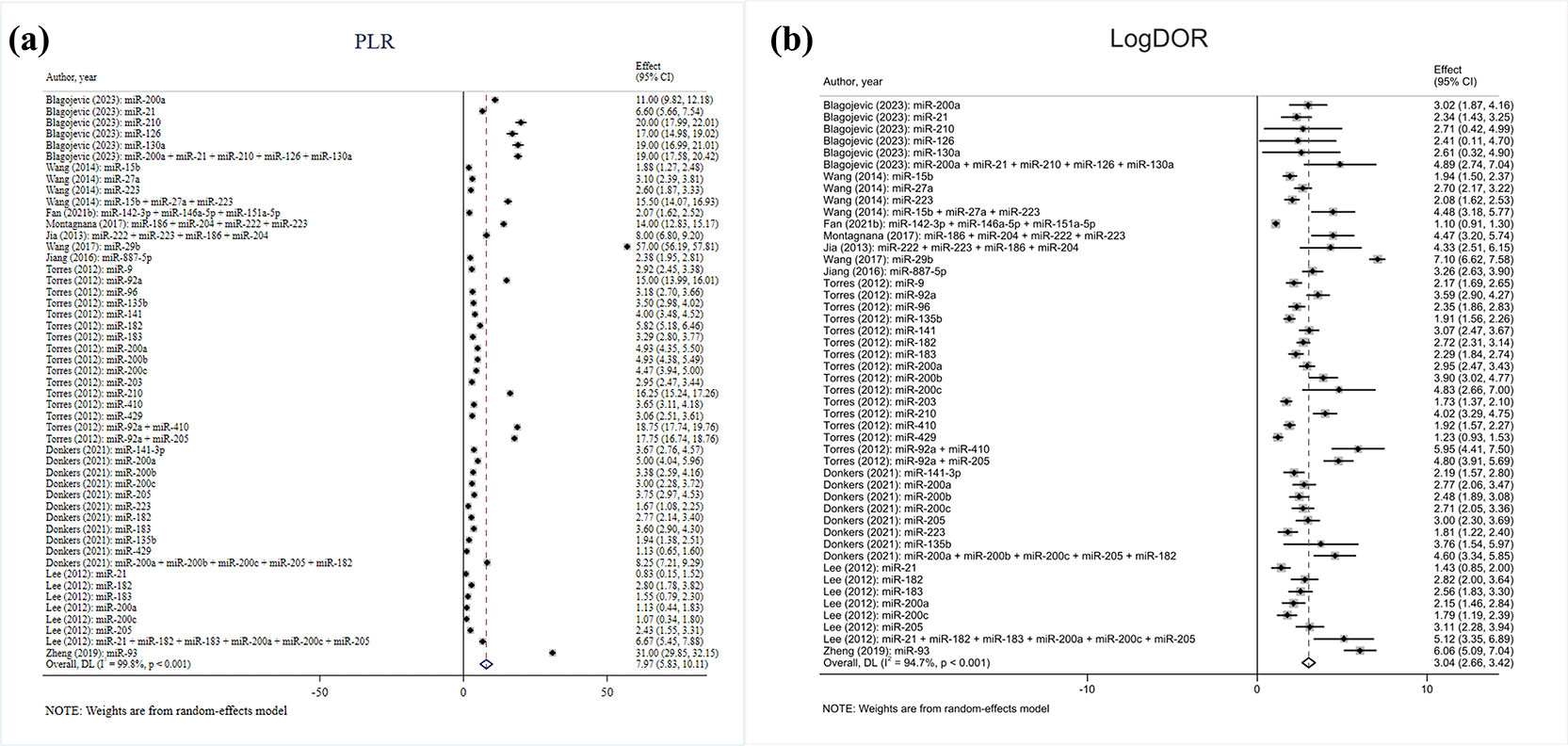
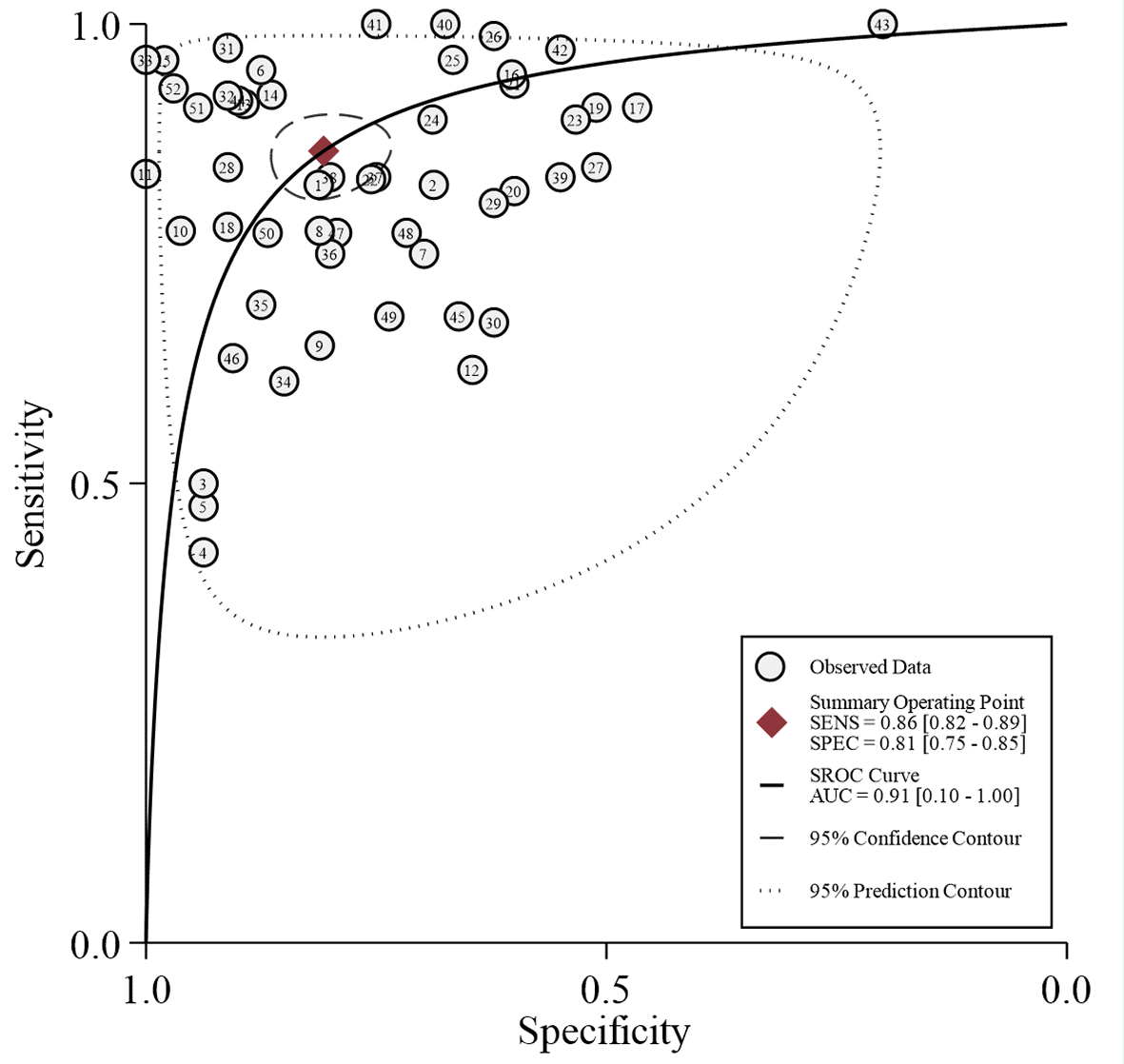
The chi-square statistic and I2 measure were implemented to quantify heterogeneity across studies. The results indicated substantial heterogeneity in the pooled sensitivity (I2 = 77.30%) and pooled specificity (I2 = 81.99%). Therefore, the overall estimates were derived using a random-effects model diagnostic performance calculation. The compile sensitivity of miRNA-based biomarkers for the diagnosis of endometrial cancer was 86% (95% CI: 0.82–0.89), while the aggregated specificity estimate was 0.81 (95% CI: 0.75–0.85) ( Figure 2). The combined summary positive likelihood ratio was 7.97 (95% CI: 5.83–10.11), NLR was 0.41 (95% CI: 0.30–0.52) ( Figure 3), and logDOR was 3.04 (95% CI: 2.66–3.42) ( Figure 4a and 4b). The SROC curve analysis demonstrated an AUC of 0.91 (95% CI: 0.10–1.00) ( Figure 5).
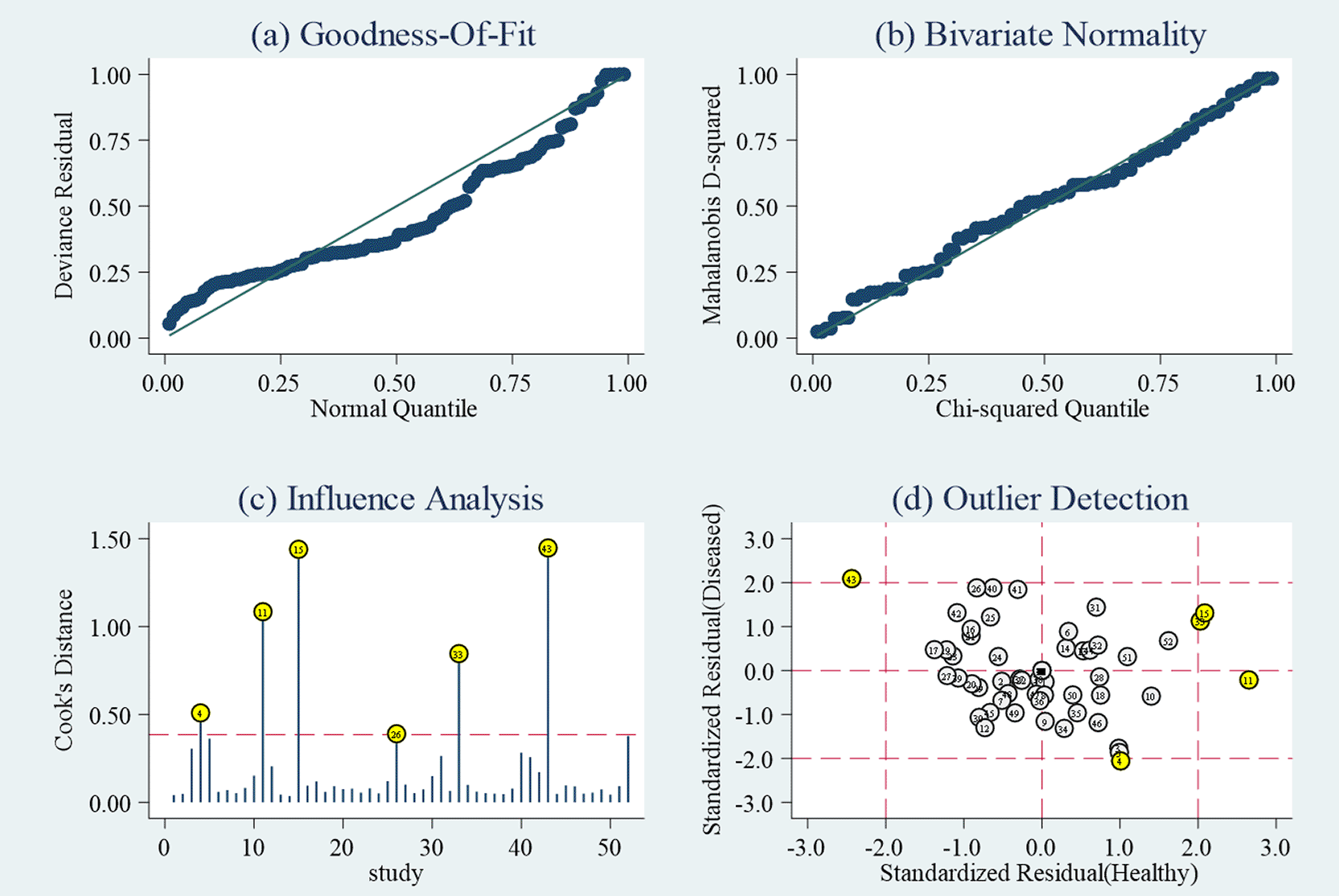
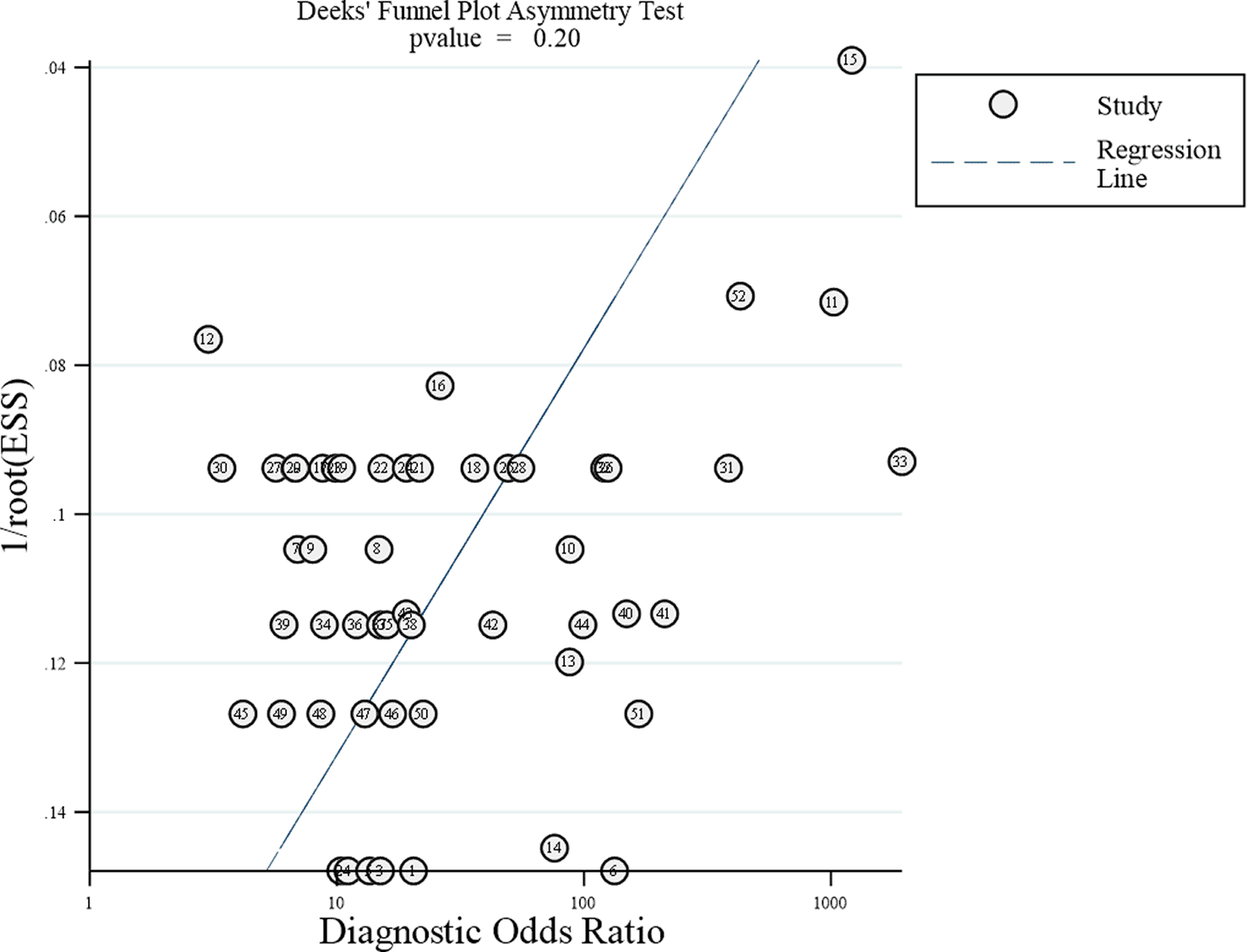
Influence analysis using Cook’s distance identified six studies (studies 4, 11, 15, 26, 33, and 43) as potentially influential, while outlier detection based on standardized residuals revealed five studies (studies 4, 11, 15, 33, and 43) outside the reference limits ( Figure 6). After removing outlier studies, the meta-analytic summary of sensitivity and specificity were 85% (95% CI: 0.81–0.89) and 78% (95% CI: 0.73–0.82), respectively, although substantial heterogeneity persisted for both estimates (I2 = 74.93% and 76.43%). The pooled NLR was 0.41 (95% CI: 0.29–9.53; I2 = 0.0%, p = 0.961), and the pooled PLR was 6.84 (95% CI: 5.60–8.90; I2 = 99.3%, p < 0.001). The AUC was 0.79 (95% CI: 0.76–0.82), and the meta-analytic log diagnostic odds estimate was 2.88 (95% CI: 2.58–3.18), both indicating marked between-study heterogeneity. According to Deeks’ funnel ( Figure 7), asymmetry analysis did not reveal convincing evidence of publication bias (p = 0.20).
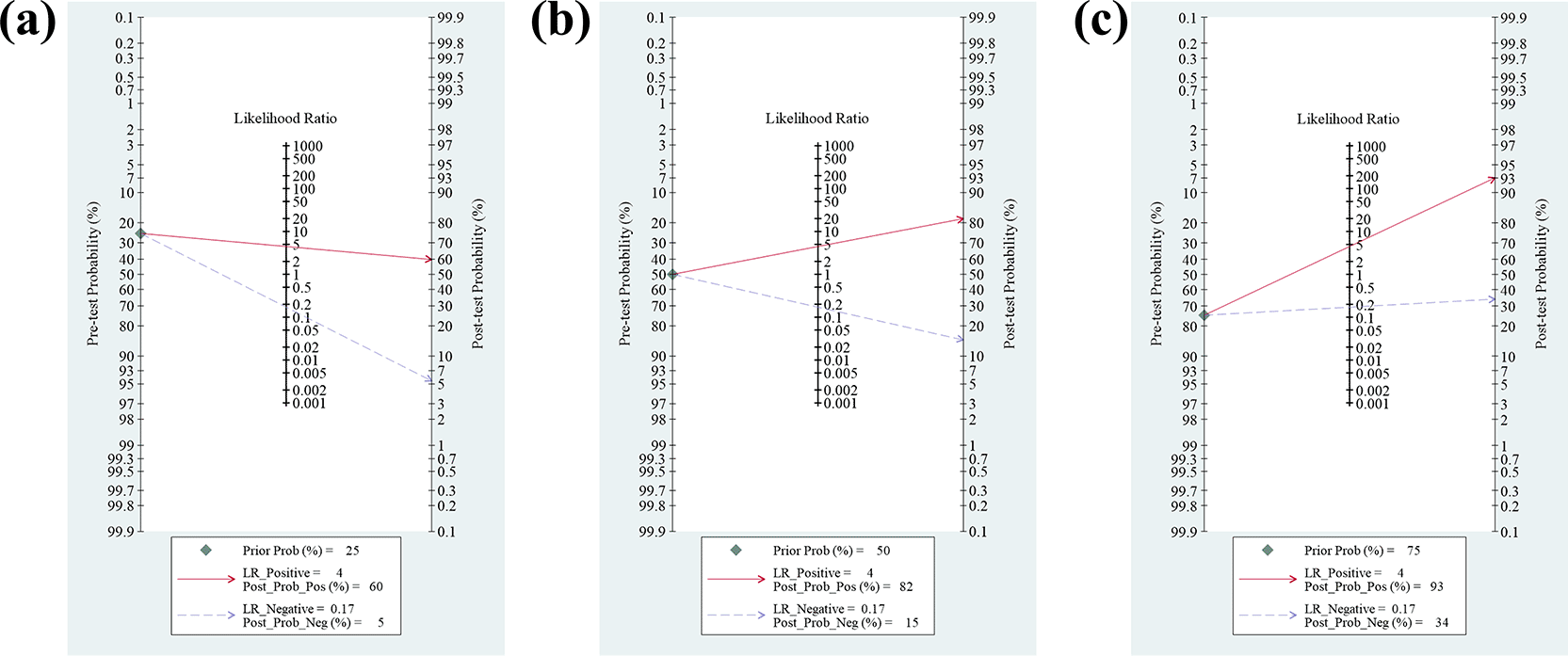
The practical utility of miRNA-based biomarkers was examined using Fagan nomograms, which were used to derive post-test probabilities at initial risk levels of 25%, 50%, and 75% ( Figure 8). When the prespecified pre-test probability was 25%, a positive miRNA value increased the estimated probability of endometrial cancer to 60%, while a negative result decreased it to 5%. Given an initial (pre-test) probability of 50%, a positive test yielded a post-test probability of 82%, whereas a negative test reduced this probability to 15%. At the higher pre-test risk level of 75%, a positive result value raised the post-test probability to 93%, whereas a negative result reduced it to 34%.
Subgroup analyses showed consistent diagnostic performance of miRNA-based biomarkers across disease subtypes, specimen types, biomarker configurations, expression directions, and control definitions ( Table 4). In the subgroup limited to EEC cases, the pooled sensitivity was 0.88 (95% CI 0.84–0.91), and the reported aggregated specificity was 0.76 (95% CI 0.68–0.83), yielding an AUC of 0.79 (95% CI 0.75–0.84). Studies including mixed histologies demonstrated comparable estimates, with a pooled sensitivity of 0.85 (95% CI: 0.78–0.90), a specificity of 0.84 (95% CI: 0.76–0.89), and an AUC of 0.80 (95% CI: 0.76–0.84). For endometrial cancer subtype, studies restricted to EEC-only reported a summary sensitivity estimate of 0.88 (95% CI: 0.84–0.91) and specificity of 0.76 (95% CI: 0.68–0.83), with an AUC of 0.79 (95% CI: 0.75–0.84). In the subgroup limited to EEC cases, the pooled sensitivity was 0.88 (95% CI: 0.84–0.91) and the pooled specificity was 0.76 (95% CI: 0.68–0.83), yielding an AUC of 0.79 (95% CI: 0.75–0.84).
By specimen type, serum-based assays exihibited greater combined sensitivity and specificity (0.91 [95% CI: 0.84–0.95] and 0.92 [95% CI: 0.62–0.99]) than plasma-based assays (sensitivity 0.71 [95% CI: 0.63–0.78]; specificity 0.81 [95% CI: 0.67–0.89]), whereas tissue-based investigations showed a pooled sensitivity of 0.82 (95% CI 0.72–0.89) and a pooled specificity of 0.80 (95% CI 0.70–0.87).
When the data were stratified according to biomarker type, miRNA panels showed superior diagnostic performance compared with individual miRNA assays, with pooled sensitivity and specificity of 0.90 (95% CI 0.84–0.94) and 0.93 (95% CI 0.87–0.97), respectively, versus 0.85 (95% CI 0.80–0.89) and 0.75 (95% CI 0.70–0.81). When stratified by expression direction, downregulated miRNAs showed higher pooled sensitivity and specificity than upregulated miRNAs. Studies using healthy controls reported higher specificity than those with mixed control populations. Marked heterogeneity was observed across most subgroups, particularly for positive indices based on likelihood ratios and diagnostic odds ratios.
Cancer is a complex pathological condition involving genetic, molecular, and environmental factors. Therefore, achieving a precise understanding of endometrial cancer remains challenging due to its multifaceted biological mechanisms. Among the crucial regulatory components are microRNAs (miRNAs), small single-stranded RNA molecules that control various biological processes, including cell division, angiogenesis, migration, apoptosis, and oncogenesis.29,30 Recently, miRNAs have been explored as additional prognostic markers alongside conventional diagnostic methods such as histopathology and ultrasonography, which are often invasive and operator-dependent. This meta-analysis demonstrates that circulating miRNAs possess strong diagnostic performance for endometrial cancer, with a pooled sensitivity of 86%, specificity of 81%, and an area under the curve (AUC) of 0.91. These results align with findings from recent studies reporting pooled sensitivity and specificity of 0.84 and 0.87, respectively, with an AUC of 0.91.31 Collectively, the present findings strengthen growing evidence that miRNAs could complement or triage traditional diagnostic evaluations, potentially reducing unnecessary biopsies. Nevertheless, as highlighted by Donkers et al., although miRNA panels show promising potential as diagnostic biomarkers in endometrial cancer, high-quality data remain limited.5
The biological justification for miRNA-based diagnostics is well established. MicroRNAs are pivotal in modulating essential tumor-associated activities, including cellular proliferation, migration, and invasion; epithelial-mesenchymal transition; angiogenesis; and immune evasion.32 In cancer, miRNAs are actively secreted by tumor cells, often packaged within exosomes or other extracellular vesicles, thereby safeguarding them from enzymatic degradation and facilitating steady circulation in peripheral blood. Extracellular vesicles serve as repositories of tumor-derived miRNAs, facilitating the systemic identification of molecular changes originating from the tumor microenvironment.33 Thus, changes in circulating blood miRNA profiles may indicate early carcinogenic occurrences within the endometrial environment. The finding that both upregulated and downregulated miRNAs enhance diagnostic efficacy is biologically credible, as miRNAs can act as oncogenes or tumor suppressors based on their targets and cellular environment.32,33 These mechanisms collectively establish a robust biological basis for the diagnostic value of circulating miRNAs in endometrial carcinogenesis and the modulation of the tumor microenvironment.
Importantly, systematic patterns were identified through subgroup analyses. Panels comprising multiple miRNAs have consistently outperformed single-miRNA assays, as reflected in higher sensitivity, specificity, and overall diagnostic accuracy. For instance, a six-miRNA panel reported by Lee et al.18 achieved an area under the curve of 0.961, with sensitivity and specificity of approximately 92% for distinguishing endometrial cancer from benign tissue. These findings indicate that combining multiple miRNAs more effectively captures the disease’s molecular heterogeneity. In addition, circulating serum-based assays generally demonstrated superior diagnostic performance compared with plasma- or tissue-based analyses, which may be attributable to the greater stability of miRNAs in serum or to larger effective sample volumes.12 Notably, when analyses were limited to endometrioid (type I) endometrial cancer, diagnostic accuracy remained comparable to that observed in studies including mixed histological subtypes. This suggests that core miRNA signatures are shared across endometrial cancer subtypes.5,31 Such observations are consistent with previous reports indicating that several dysregulated miRNAs, including members of the miR-200 family, are commonly involved in both type I and type II tumors. Collectively, these findings support the notion that miRNA biomarkers reflect fundamental aspects of endometrial tumor biology rather than subtype-specific features.
Clinically, these findings have important implications. MiRNA-based assays could serve as triage tools for women with postmenopausal or unexplained bleeding, enabling low-risk patients to avoid invasive biopsy. Fagan nomogram analysis indicates that the observed likelihood ratios would meaningfully shift post-test probabilities across different pre-test risk levels. In practice, miRNA testing could complement imaging and histopathology, supporting earlier detection with reduced patient burden. Beyond diagnosis, circulating miRNAs may also aid in risk stratification and surveillance, as certain profiles correlate with tumor aggressiveness or recurrence.34 In addition, integration of miRNA panels with molecular classifications of endometrial cancer, such as TCGA subgroups, may facilitate more personalized diagnostic and management strategies.
Despite their promise, the current evidence base has important limitations. Substantial heterogeneity was observed across studies, largely driven by methodological diversity and small sample sizes. Differences in analytical platforms, specimen types, and normalization strategies contributed to inconsistent findings, with some miRNAs showing opposing expression patterns across studies. Most included studies employed retrospective case–control designs with limited sample sizes, a design that may overestimate diagnostic accuracy by excluding diagnostically challenging cases. In addition, the available evidence is geographically concentrated in Europe and Asia, limiting generalizability to other populations. Overall, the quality of evidence remains modest, and firm conclusions cannot yet be drawn.
In conclusion, circulating miRNAs represent promising non-invasive biomarkers for the diagnosis of endometrial cancer, with potential to enhance early detection and clinical decision-making. However, methodological heterogeneity and limited study quality temper confidence in their current clinical applicability. Future research should focus on large, prospective, multi-center studies with standardized protocols and integration of miRNA profiling with molecular classifiers to facilitate translation into routine clinical practice.
| Views | Downloads | |
|---|---|---|
| F1000Research | - | - |
|
PubMed Central
Data from PMC are received and updated monthly.
|
- | - |
Provide sufficient details of any financial or non-financial competing interests to enable users to assess whether your comments might lead a reasonable person to question your impartiality. Consider the following examples, but note that this is not an exhaustive list:
Sign up for content alerts and receive a weekly or monthly email with all newly published articles
Already registered? Sign in
The email address should be the one you originally registered with F1000.
You registered with F1000 via Google, so we cannot reset your password.
To sign in, please click here.
If you still need help with your Google account password, please click here.
You registered with F1000 via Facebook, so we cannot reset your password.
To sign in, please click here.
If you still need help with your Facebook account password, please click here.
If your email address is registered with us, we will email you instructions to reset your password.
If you think you should have received this email but it has not arrived, please check your spam filters and/or contact for further assistance.

Comments on this article Comments (0)