Keywords
Bio-pellet, Calorific value, Chemical extraction, Shrub, Torrefaction, Volatile matter, Yield

This article is included in the Plant Science gateway.
This article is included in the Energy gateway.
Bio-pellet, Calorific value, Chemical extraction, Shrub, Torrefaction, Volatile matter, Yield
The growing global demand for sustainable energy sources has renewed attention toward biomass as a versatile and renewable resource.1 Among various forms of forest-derived biomass, shrubs represent a particularly underutilized yet abundant vegetation group. Although morphologically similar to trees, shrub wood generally possesses lower strength, limited durability, and smaller dimensions, restricting its use to low-value applications such as firewood. However, shrubs offer notable advantages, such as rapid growth, ease of cultivation, and high ecological adaptability.2 It positions them as promising candidates for bioenergy development,3,4,5 especially in regions where woody biomass resources are limited or unevenly distributed.
Despite their potential, previous studies on bio-pellets derived from lesser-known shrub species have shown that key fuel properties, particularly calorific value and volatile matter content, frequently fall below the quality requirements established in the Indonesian National Standard (SNI 8675–2018: Biomass pellets for energy).5,6 While thermal pre- and post-treatment through torrefaction has been shown to improve energy density, volatile matter concentrations remain high and continue to hinder combustion efficiency and emissions performance.3 This condition underscores the need for additional pretreatment steps capable of extracting low-energy compounds prior to thermal processing.
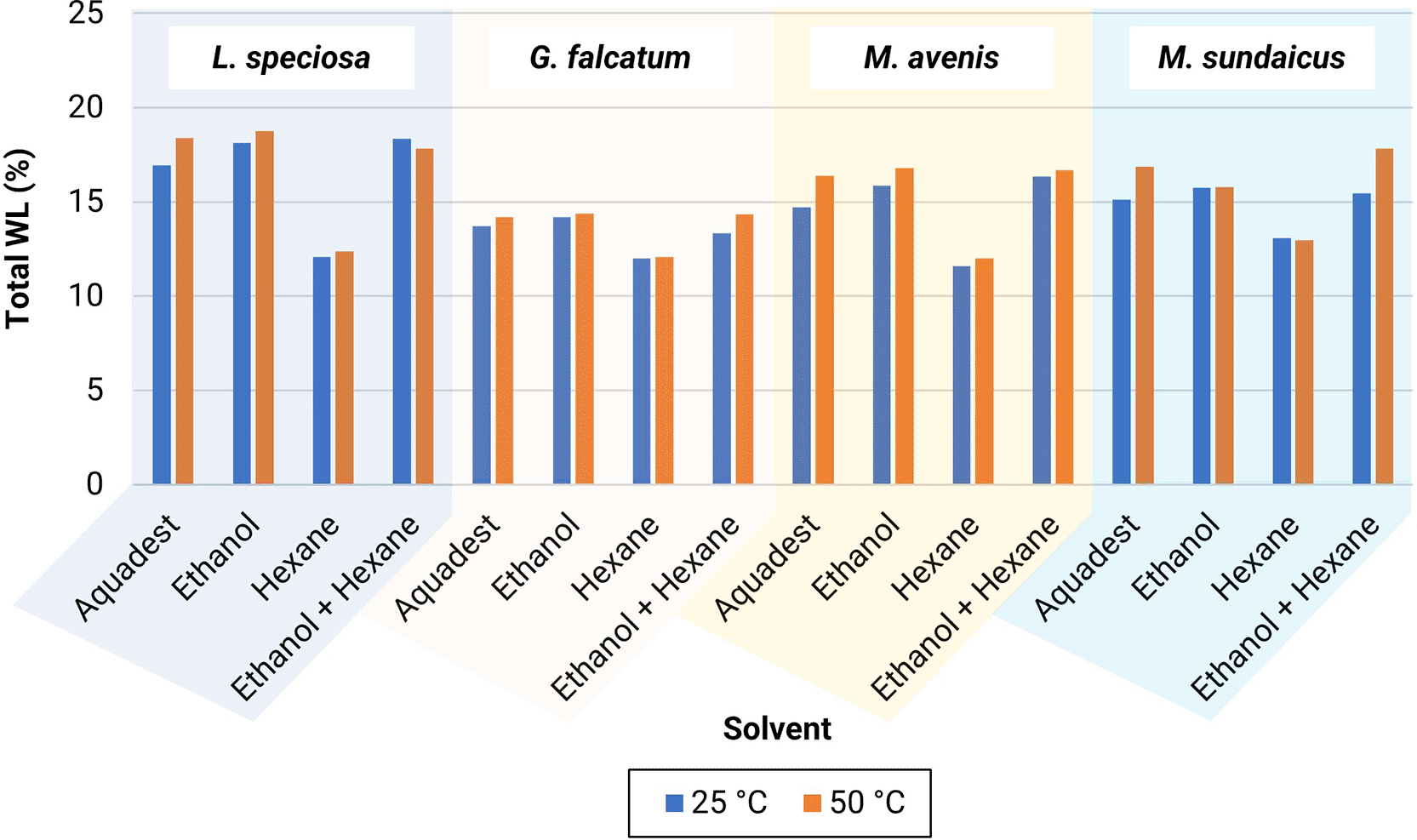
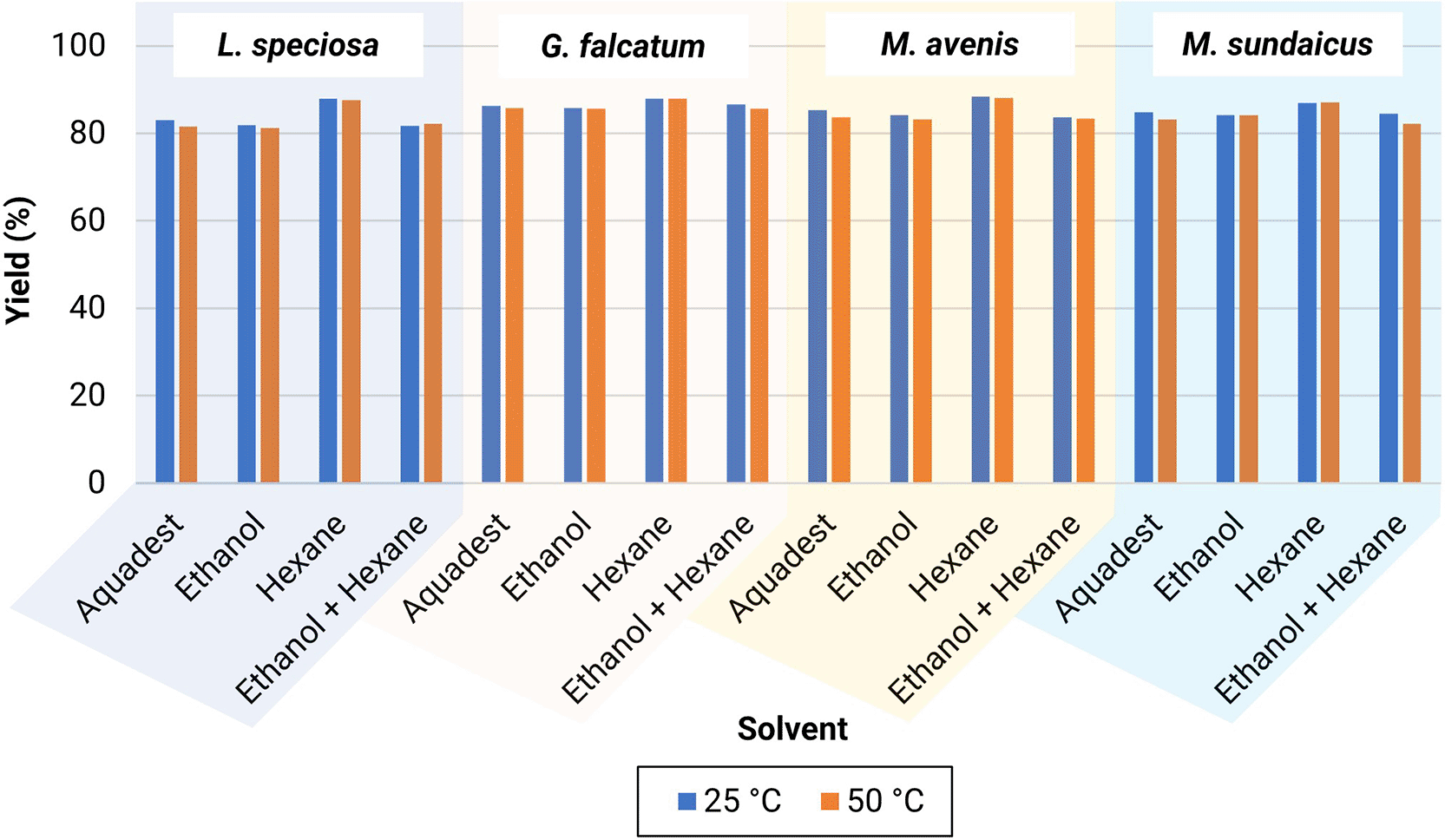
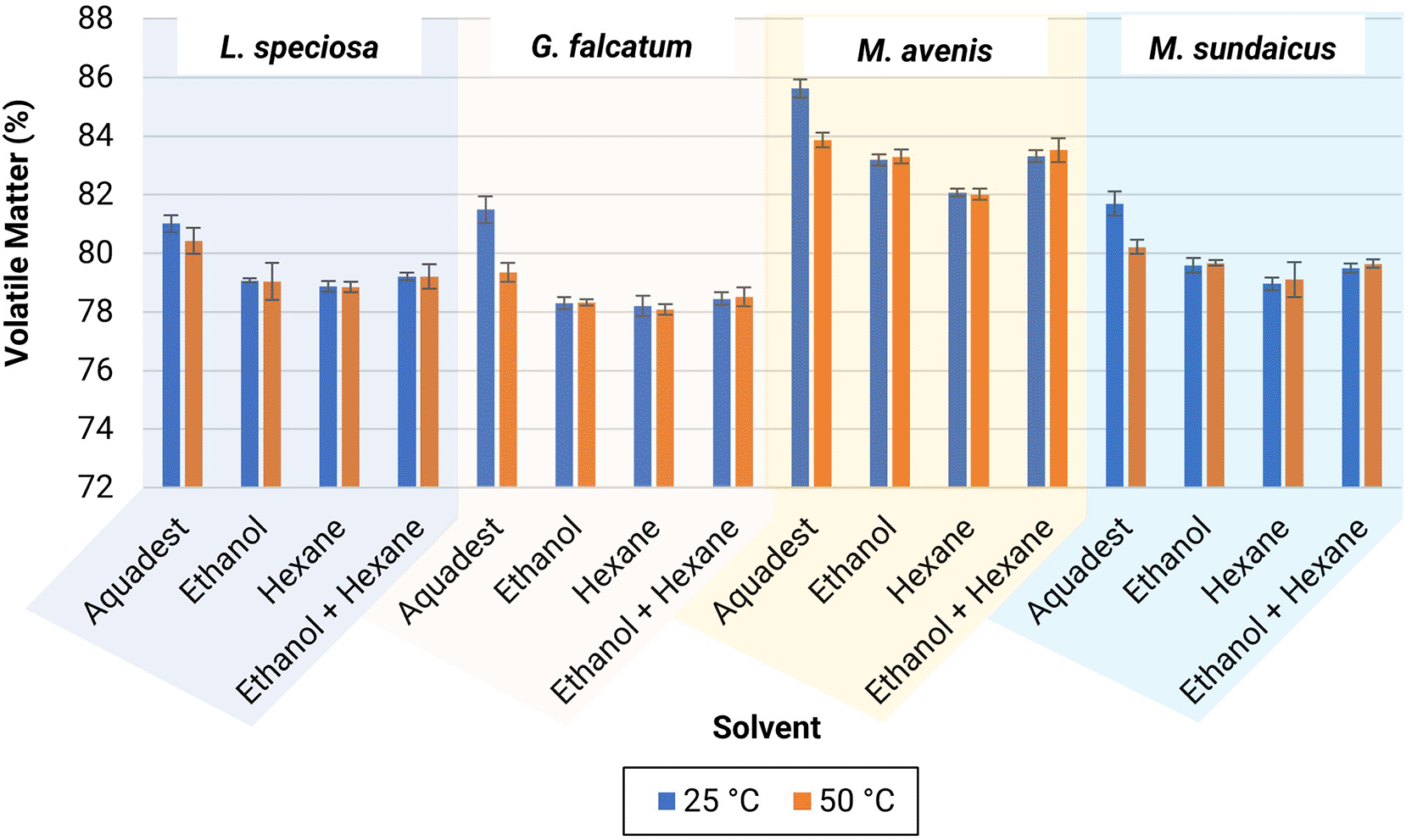
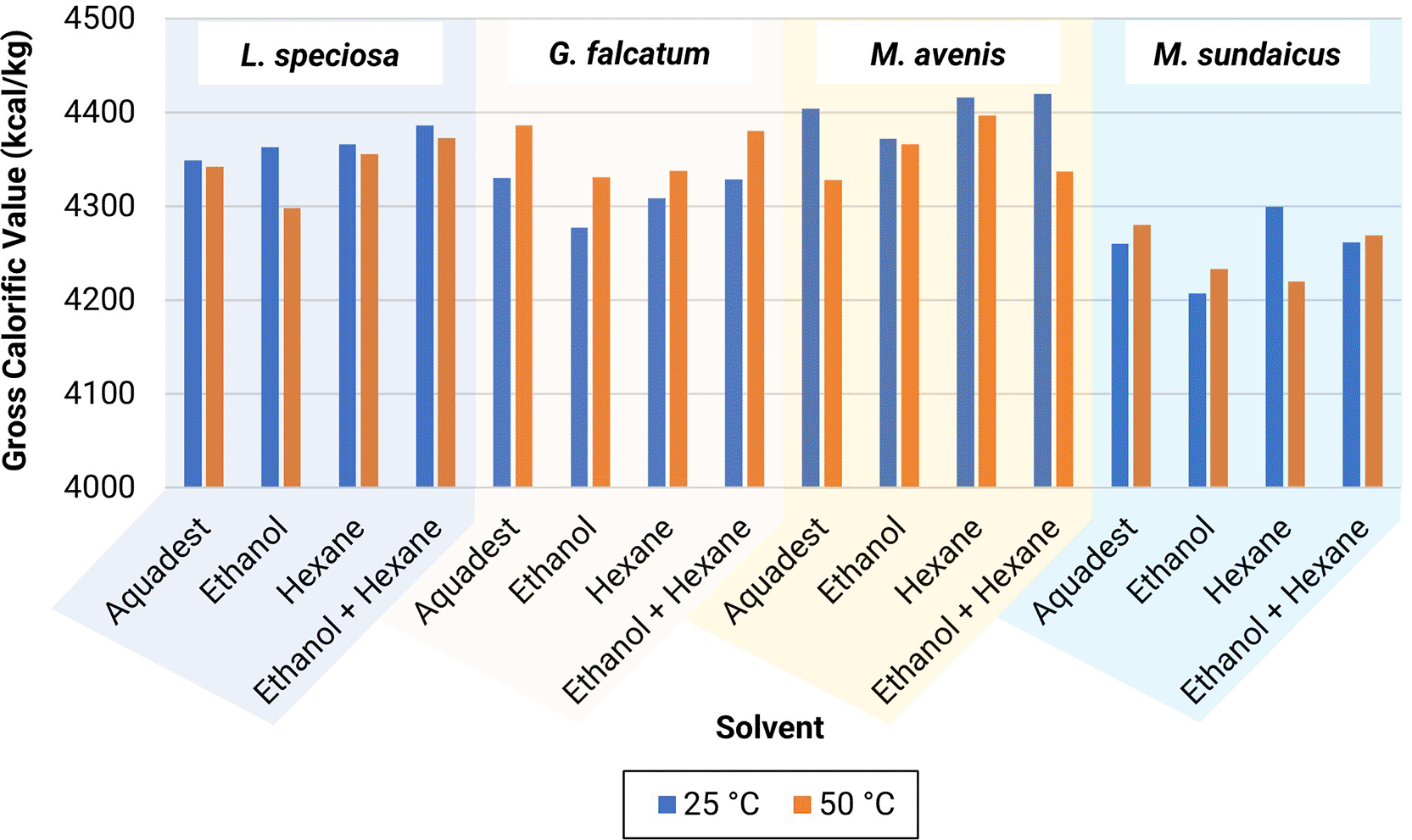
To address this challenge, the present study generated a comprehensive dataset investigating the effectiveness of physicochemical pretreatment, specifically solvent-based extraction (chemical treatment) followed by torrefaction (physical treatment) in modifying the fuel properties of four lesser-known shrub species (L. speciosa, G. falcatum, M. avenis, and M. sundaicus).7 The data were produced to evaluate how different solvents (distilled water, ethanol, hexane, and ethanol–hexane) and extraction temperatures influence moisture content, weight loss, yield, volatile matter content, and calorific value. By systematically comparing these conditions across species, the dataset aims to clarify which pretreatment strategies most effectively reduce volatile compounds while maintaining or enhancing the energy potential of shrub biomass. Enhancing the quality of these materials not only increases their suitability as renewable fuel sources but also promotes the broader utilization of shrub vegetation in sustainable energy systems. The dataset thus provides foundational evidence for optimizing chemical extraction–torrefaction processes and informs future efforts to establish shrubs as viable feedstock for renewable energy applications.
Four lesser-known shrub species, including Lagerstroemia speciosa (Local name: Bungur), Ganophyllum falcatum (Locong), Myrsine avenis (Latte), and Mischocarpus sundaicus (Terasa) were selected as biomass feedstocks. The plant materials were taxonomically identified by botanist Nasri, and voucher specimens (Voucher No. WAN0005748/L. speciosa, No. WAN0021952/G. falcatum, No. WAN0017752/M. avenis, and No. WAN0008828/M. sundaicus) have been deposited in the Herbarium Wanariset, located in Kutai Kartanegara Regency, East Kalimantan Province, Indonesia (−0.997047, 116.976286).
Branches were collected from the Educational Forest Area of Hasanuddin University, Maros Regency, South Sulawesi, Indonesia (−5.005145, 119.767224). Sample preparation through to pretreatment was conducted at the Laboratory of Forest Products Utilization and Processing, Faculty of Forestry, Hasanuddin University, Makassar, Indonesia (−5.130221, 119.485481). Subsequent property testing was performed at the Environmental and Forestry Laboratory, Faculty of Forestry, Hasanuddin University, Makassar, Indonesia (−5.130277, 119.484054), and the gross calorific value analysis was carried out at the Chemical Service Laboratory of the Center for Poultry and Livestock Assembly and Testing, Bogor, Indonesia (−6.663145, 106.857261).
Collected shrub branches including the bark were cleaned and sun-dried to air-dry condition (moisture content <12%). The material was chopped using a flaker machine. It was then comminuted with a hammer mill to produce smaller particle, and sieved using a wire mesh to obtain particles retained between 20 and 40 mesh (0.41–0.82 mm). Only this fraction was used in subsequent experiments.
The pretreatment comprised a chemical extraction (soaking) followed by a physical extraction (torrefaction). Chemical extraction was designed to remove volatile and other low-energy constituents prior to thermal conditioning. Torrefaction then provided a uniform thermal step for all samples. A process flow is provided in the study’s method schematic ( Figure 1).
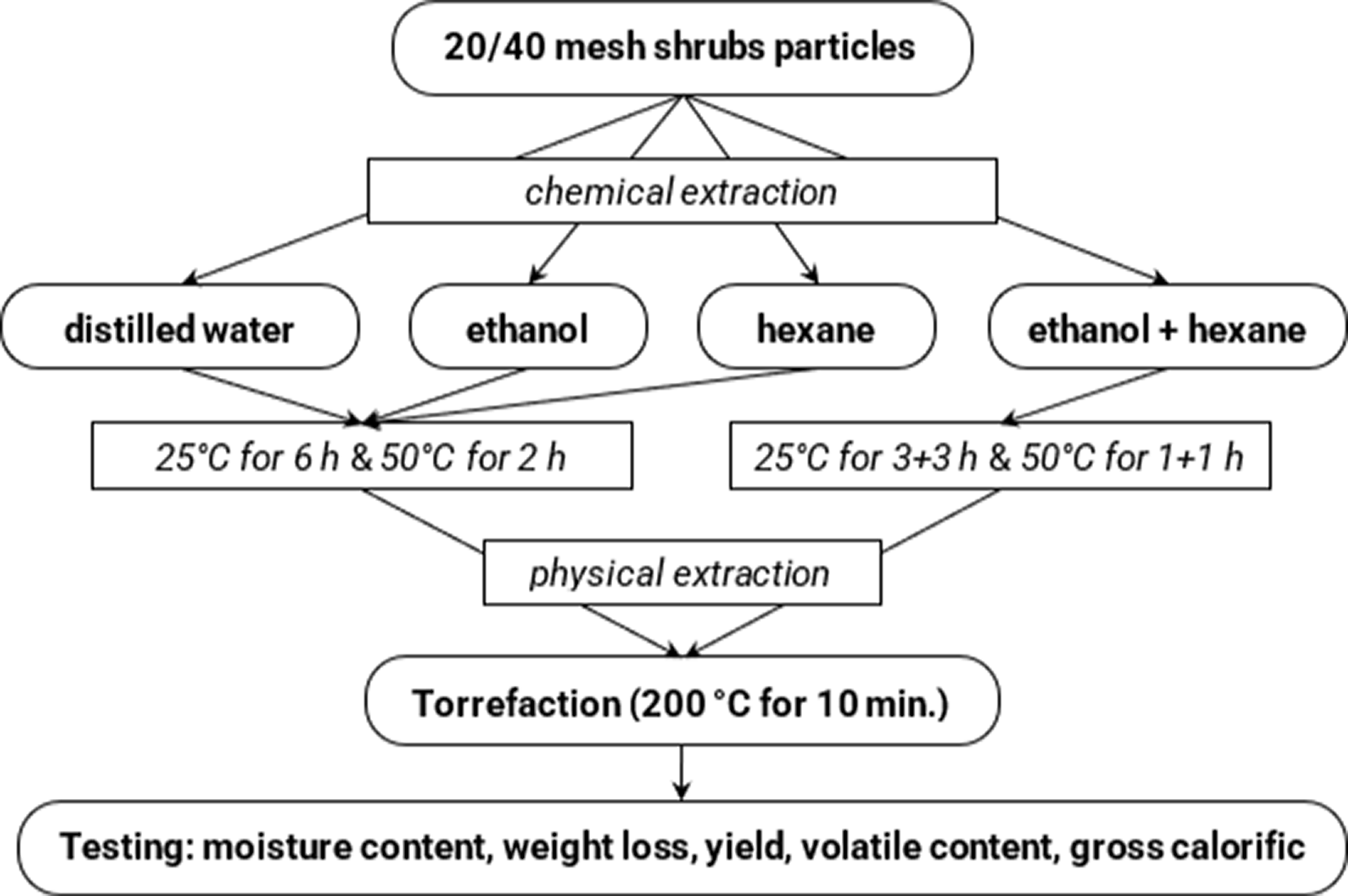
For each run, 100 g (oven-dry basis) of shrub particles were placed in an Erlenmeyer flask and contacted with solvent at a 1:7 (wt/wt) solid-to-liquid ratio. Four solvent conditions were tested, including distilled water, ethanol, hexane, and a sequential ethanol + hexane treatment. Extractions were conducted at 25 °C for 6 h (room temperature) and at 50 °C for 2 h (elevated temperature kept below solvent boiling points). To limit evaporation, especially at 50 °C, flasks were covered with aluminum foil. Suspensions were manually stirred every hour for approximately 30 s to promote mass transfer. For the sequential ethanol + hexane condition, soaking was performed consecutively in ethanol then hexane, with 3 h + 3 h at 25 °C and 1 h + 1 h at 50 °C. After extraction, slurries were vacuum-filtered and the retained solids were washed repeatedly with 80 °C distilled water until no solvent odor remained. This practical criterion was used to confirm solvent removal. The solids were then dried in a Memmert UN55 oven at 100 °C for 24 h.
After the chemical extraction, the dried-extracted samples were wrapped in aluminum foil and torrefied at 200 °C for 10 min in an oven. This temperature was aligned with that used in previous studies,3 while the duration was shortened to improve the efficiency without significantly reducing the calorific value. All samples received the same torrefaction setting, without additional controlled variables in this step.
After pretreatment, the following properties were determined, including moisture content (MC), weight loss (WL) (separately after chemical extraction and after torrefaction), total weight loss, yield, volatile matter (VM), and gross calorific value. MC, WL, yield, and VM were assessed at the Environmental and Forestry Laboratory, Faculty of Forestry, Hasanuddin University (Makassar), while gross calorific value was measured at the Chemical Service Laboratory of the Center for Poultry and Livestock Assembly and Testing (Bogor). Summary data are reported for each shrub species under each solvent and temperature condition ( Table 1–4 and Figure 2–8).
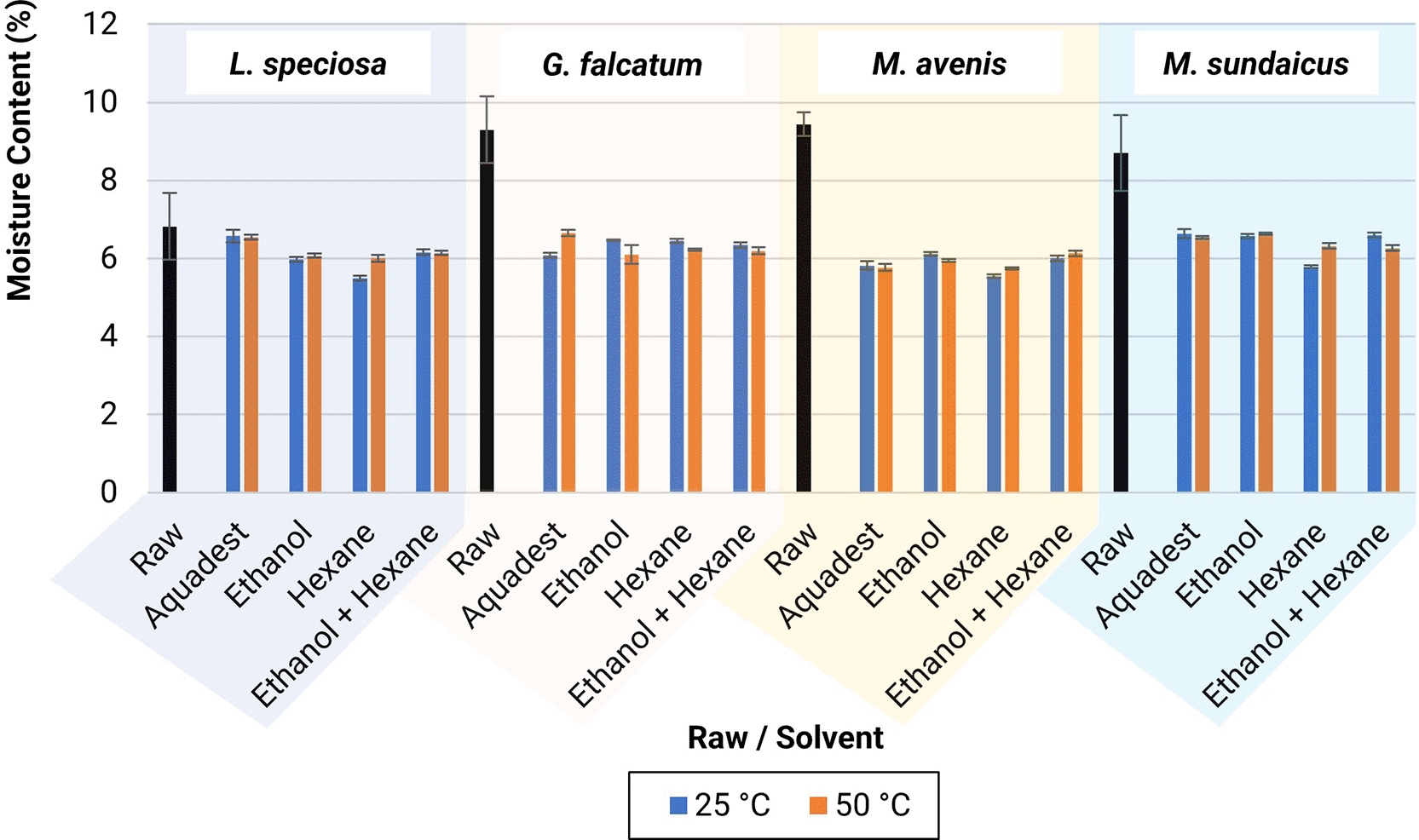
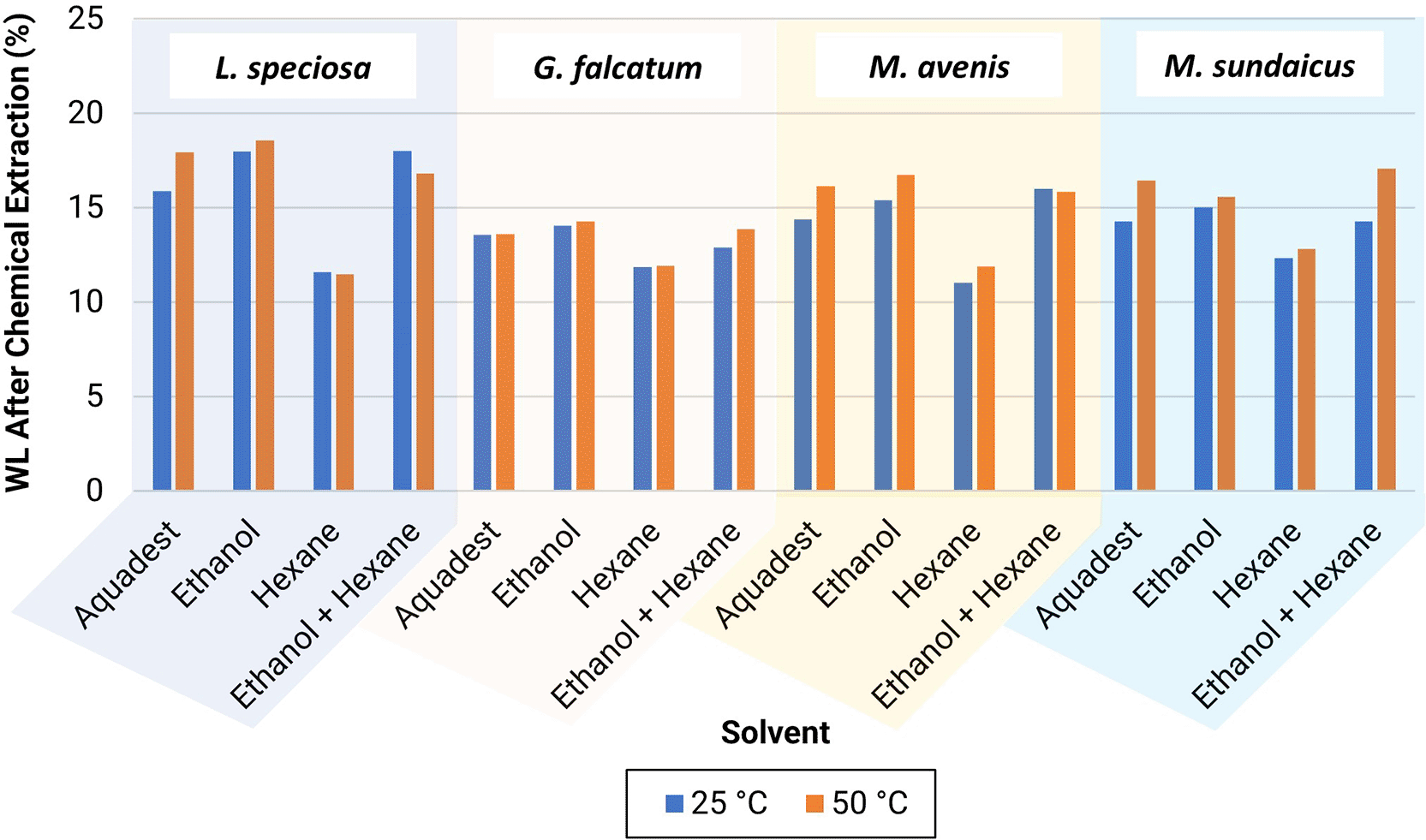
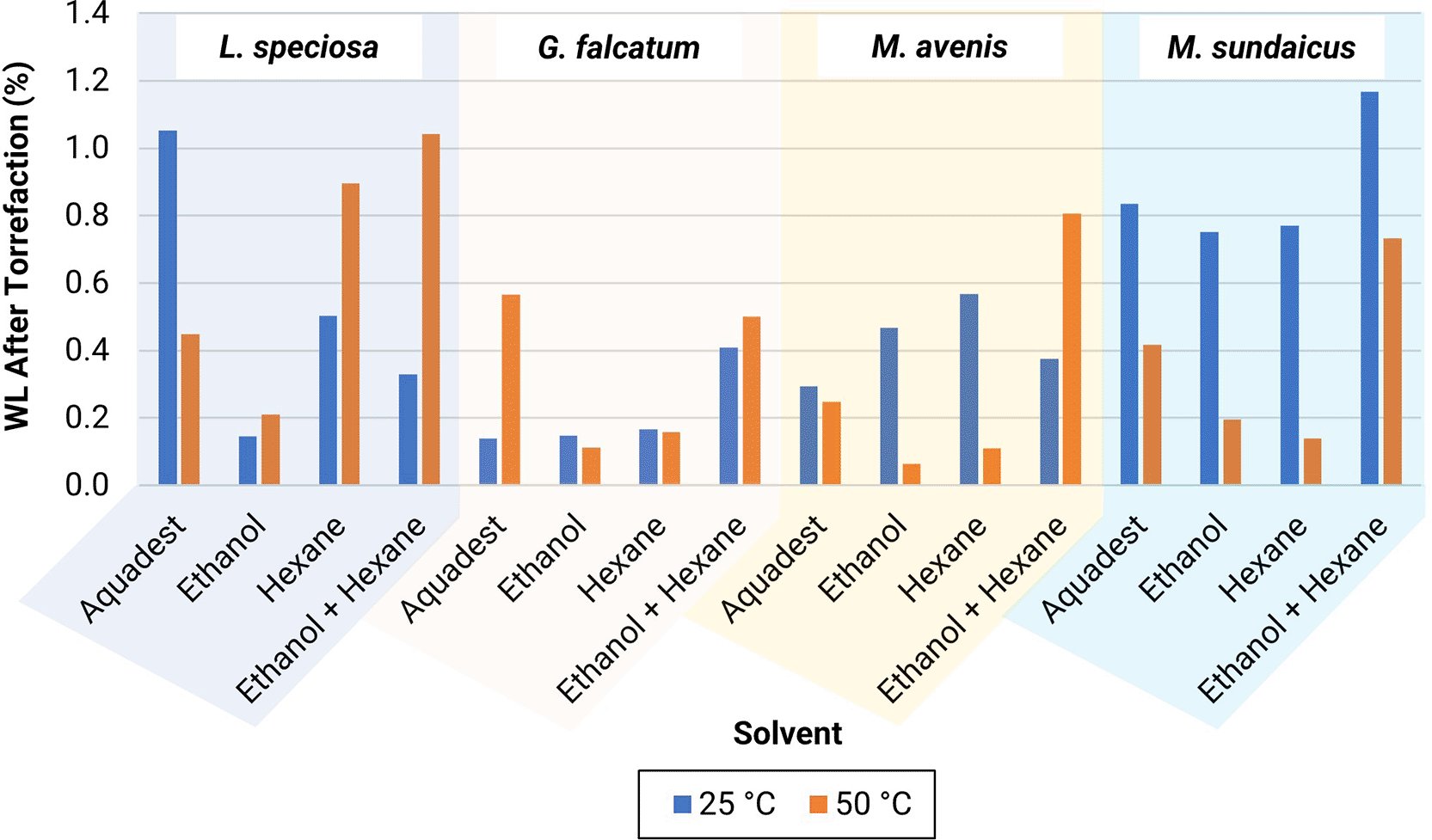
Mass-based indicators were computed from recorded sample masses before extraction, after extraction, and after torrefaction. In keeping with standard mass-balance relationships reflected in the dataset structure.
where is the oven-dry mass before extraction, the mass after extraction/drying, and the mass after torrefaction. The manuscript presents means with standard deviations for MC and VM, and tabulates WL and yield per condition, enabling direct cross-checks.
Dataset validation
It was noted several scope limitations, including: (i) extraction conditions were restricted to two temperatures and relatively short durations, which may not reflect broader operational envelopes; (ii) although VM was reduced for the most shrub species, values remain relatively high and do not yet meet SNI 8675:2018 quality thresholds for M. avenis; (iii) for each species–solvent–temperature combination, the extraction was performed once on a single sample (no technical or biological replicates). This lack of replication limits statistical power, precludes robust uncertainty quantification beyond the reported descriptive values, and warrants caution when generalizing treatment effects; and (iv) experiments were conducted under controlled laboratory settings, so scale-up and field variability were not represented. Additionally, the torrefaction step was fixed at a single set-point (200 °C, 10 min), and solvent removal was verified pragmatically by odor rather than by residual-solvent analytics. These choices simplify the protocol but leave limited room to quantify instrument-level uncertainty or solvent residues. Users should consider these constraints when extrapolating the dataset to industrial contexts.
For secondary analyses or replication, users should preserve the documented particle size, solid–liquid ratio, solvent sequence and durations (for ethanol + hexane), temperature controls, and the drying/torrefaction set-points to maintain comparability with the published tables and figures. Deviations in any of these parameters will directly affect WL, Yield, VM, and calorific value outcomes. The DOI-hosted files provide the necessary inputs to re-calculate all derived metrics and to propagate uncertainty using the reported SDs.
This study did not involve human participants, animals, or data sourced from social media. The authors affirm adherence to the publisher’s ethical requirements for F1000Research, and, given the absence of human or animal subjects, no institutional review board (IRB) or animal care and use committee (IACUC) approval was required.
| Views | Downloads | |
|---|---|---|
| F1000Research | - | - |
|
PubMed Central
Data from PMC are received and updated monthly.
|
- | - |
Provide sufficient details of any financial or non-financial competing interests to enable users to assess whether your comments might lead a reasonable person to question your impartiality. Consider the following examples, but note that this is not an exhaustive list:
Sign up for content alerts and receive a weekly or monthly email with all newly published articles
Already registered? Sign in
The email address should be the one you originally registered with F1000.
You registered with F1000 via Google, so we cannot reset your password.
To sign in, please click here.
If you still need help with your Google account password, please click here.
You registered with F1000 via Facebook, so we cannot reset your password.
To sign in, please click here.
If you still need help with your Facebook account password, please click here.
If your email address is registered with us, we will email you instructions to reset your password.
If you think you should have received this email but it has not arrived, please check your spam filters and/or contact for further assistance.

Comments on this article Comments (0)