Keywords
Antinuclear antibodies (ANA), Autoimmune diseases, Autoantibodies profiling.

This article is included in the Cell & Molecular Biology gateway.
Antinuclear antibodies (ANA), Autoimmune diseases, Autoantibodies profiling.
Antinuclear antibodies (ANA) are essential immunological markers used to diagnose and monitor systemic autoimmune diseases like systemic lupus erythematosus, Sjögren’s syndrome, and systemic sclerosis.1,2 These autoantibodies target nuclear and nucleic-acid-related proteins, leading to immune complex formation that deposits in tissues, activates the complement system, and fosters the production of pro-inflammatory cytokines.3,4 ANA screening typically involves indirect immunofluorescence on HEp-2 cells, with results expressed as titers and distinctive staining patterns. When screens are positive, further testing with specific assays for extractable nuclear antigens such as SSA/Ro60, anti-Sm, topoisomerase I, double-stranded DNA (dsDNA), U1-RNP, centromere protein B (CENP-B), RNA polymerase III, and Jo-1 is conducted to determine the exact autoantibody profile.5
The incidence of antinuclear antibodies (ANA) in the general population has long been recognized as a marker of broader immune dysregulation influenced by environmental exposures, lifestyle factors, and demographic variables such as age and gender. Higher ANA positivity among women and older adults is a consistent finding across epidemiological studies, including European and Asian cohorts, reflecting both biological susceptibility and hormonal influences. Recent population-based research has also identified secular increases in ANA prevalence, suggesting shifts in environmental triggers or immune activation thresholds.6,7 Data from successive U.S. National Health and Nutrition Examination Survey (NHANES) cycles from 1988–1991, 1999–2004, and 2011–2012 demonstrate a rise in ANA positivity from roughly 11% to 16%, indicating a growing background prevalence of autoimmunity in the general population.8,9
The most notable rise in ANA prevalence has been seen among adolescents (ages 12–19), where positivity rates more than doubled and, in some groups, nearly tripled over time.10 This upward trend remains significant even after accounting for major population changes such as obesity, tobacco use, and alcohol consumption.11 Consistent increases have been recorded across different demographic groups, men and women, those over 50, and various ethnicities, indicating that changes in lifestyle factors cannot solely explain the rise. These data suggest that ANA could serve as an early biomarker of emerging immune dysregulation and point to a growing risk of autoimmune diseases in the general population.12
Despite increasing interest in autoimmune epidemiology in the Middle East, there is limited longitudinal data on trends in ANA prevalence. Evidence from regional disease cohorts, however, demonstrates the clinical importance of ANA positivity.13 For instance, a multicenter, long-term study of systemic lupus erythematosus (SLE) in Oman found that ANA-positive patients had significantly higher survival rates than ANA-negative patients, underscoring the prognostic value of ANA status in regional populations.14
Broader demographic research outside the Middle East adds further context. A recent Latvian study showed that nearly all individuals with systemic sclerosis tested ANA-positive, with autoantibody patterns such as centromere and topoisomerase I, which varied by sex and age, particularly being more common among older women.15 These patterns reflect global immunoepidemiologic trends and suggest that similar demographic factors may influence serological profiles across broader Middle Eastern populations.
Recently, Ajman experienced demographic growth and healthcare improvements, including access to advanced immunodiagnostic tools and increased focus on autoimmune diseases. These changes create an opportunity for a retrospective study of ANA testing patterns in the emirate. Analyzing decade-long ANA data helps identify age- and gender-specific autoantibody seropositivity, revealing population trends. This study aimed to assess ANA prevalence, identify common autoantibodies, describe the demographics of the tested individuals, determine the proportion of ANA-positive individuals, and explore demographic associations. The results could enhance public health surveillance, improve clinical interpretation, and raise awareness of autoimmune disease patterns in similar populations.
This retrospective, cross-sectional study examined antinuclear antibody (ANA) profile results obtained from Thumbay Labs diagnostic centers in Ajman over a decade (2015–2025). The dataset comprised 2,482 patients with comprehensive ANA panel results. All subjects tested within this period were eligible for inclusion. Repeated testing for the same patient was excluded unless it pertained to distinctly separate clinical episodes. Tests with incomplete or indeterminate outcomes were also omitted.
Complete ANA profile results and demographic variables (age and gender) were extracted for all eligible patients. The antibody panel included anti-Ro52, anti-SSA/Ro, anti-RNP/Sm, anti-Mi-2, anti-Ku, anti-histone, anti-dsDNA, AMA-M2, anti-PM/Scl, anti-Jo-1, anti-Sm, anti-SSB/La, anti-Scl-70, anti-centromere B, anti-nucleosome/chromatin, anti-PCNA, and anti-ribosomal P antibodies.
ANA screening was performed using indirect immunofluorescence assays (IIFAs) on HEp-2 cells, enabling detection of various nuclear fluorescence patterns associated with different autoantibody specificities. Positive samples were further tested using enzyme-linked immunosorbent assays (ELISA) or line immunoassays to detect specific antibodies to extractable nuclear antigens. ANA titers were documented according to laboratory cutoffs, typically≥1:100 or ≥ 1:160.
Patients were divided into four age groups (0–20, 21–40, 41–60, and ≥ 61 years) and stratified by gender for later statistical analysis. ANA status was considered positive if any autoantibody in the panel was detected and negative if none were.
Descriptive statistics summarized demographic variables and antibody frequencies. Pearson’s chi-square tests assessed associations between categorical variables, and binary logistic regression estimated odds ratios with 95% confidence intervals for demographic factors predicting ANA positivity. A p-value of less than 0.05 indicated statistical significance. Analyses were conducted using IBM SPSS Statistics (Version 28). The study received ethical approval from the Institutional Review Board (IRB-COHS-FAC-8-Jan-2025).
Data from 2,482 patients were included in the analysis. The study population showed a clear female predominance, with 1,679 females (67.6%) and 803 males (32.4%). The largest age group was 21–40 years (1,294 patients; 52.1%), followed by 41–60 years (927 patients; 37.3%), ≥61 years (132 patients; 5.3%), and 0–20 years (129 patients; 5.2%).
762 patients (30.7%) tested positive for at least one ANA antibody, whereas 1,720 patients (69.3%) tested negative. Among ANA-positive individuals, the maximum number of antibodies detected in a single patient was nine. Anti-Ro52 had the highest positivity rate (7.9%, n = 195), followed by anti-SSA/Ro (7.2%, n = 178) and anti-RNP/Sm (4.3%, n = 107). The least frequently detected antibodies were anti-ribosomal P (1.4%, n = 35) and anti-PCNA (1.5%, n = 38) ( Figure 1).
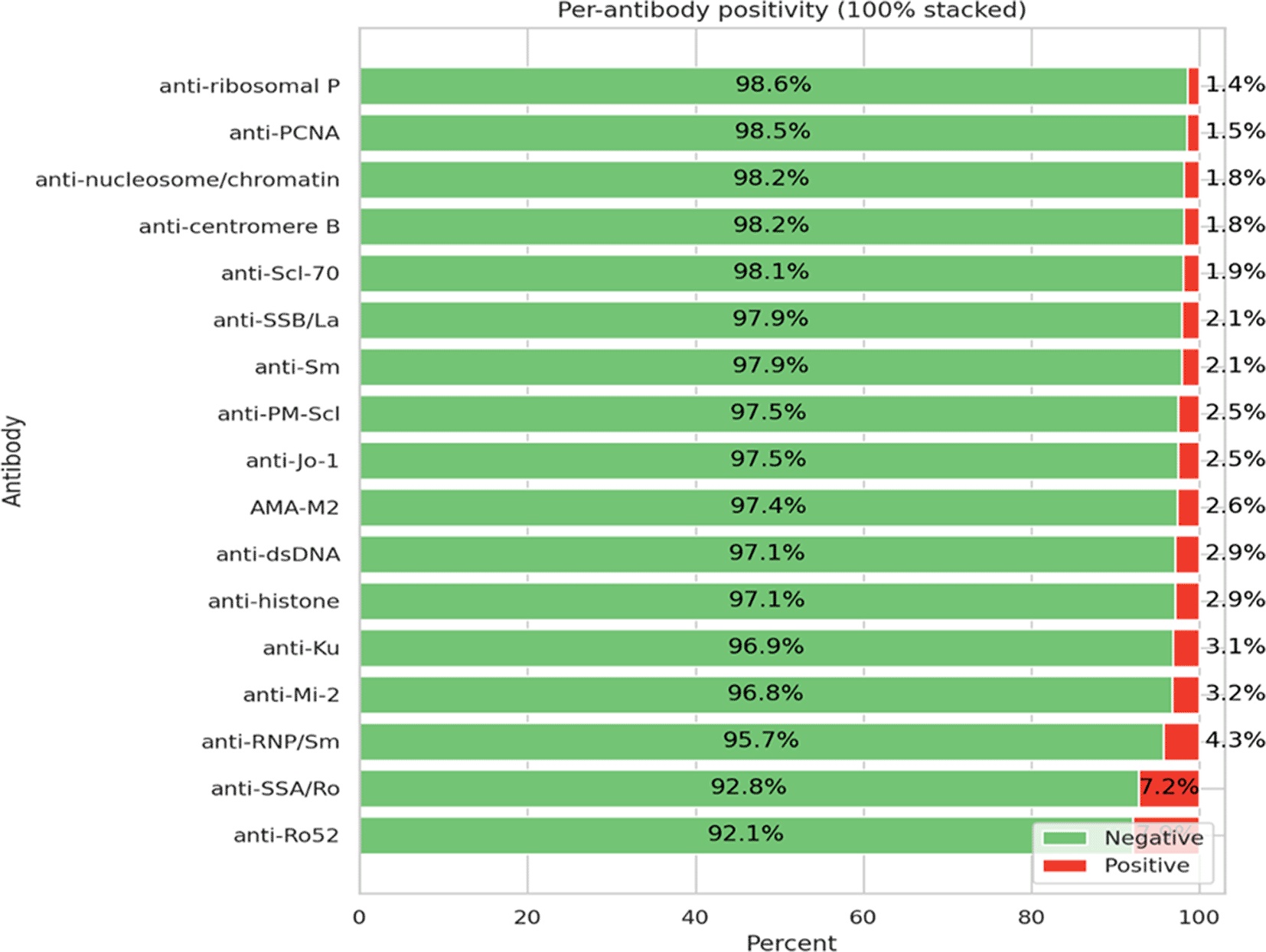
Proportions of positive (red) and negative (green) results for each autoantibody in the study population. Most antibodies showed low positivity, with relatively higher rates observed for anti-Ro52 and anti-SSA/Ro.
ANA positivity differed significantly across age groups (p = 0.03), with the highest rate observed in individuals aged ≥61 years ( Table 1). Individual antibodies showed some variation across age groups; however, anti-RNP/Sm, anti-Ro52, and anti-SSA/Ro did not reach statistical significance (p ≥ 0.05). The remaining antibodies also did not achieve statistical significance across age categories ( Table 2).
The prevalence of ANA positivity was higher among females (33.1%) compared with males (23.1%), and this difference was statistically significant (p < 0.001) ( Table 3).
| Gender | ANA negative (n, %) | ANA positive (n, %) | Total (n, %) | p-value |
|---|---|---|---|---|
| Male | 596 (74.2%) | 207 (25.8%) | 803 (100.0%) | <0.001 |
| Female | 1124 (66.9%) | 555 (33.1%) | 1679 (100.0%) | |
| Total | 1720 (69.3%) | 762 (30.7%) | 2482 (100.0%) |
Specific antibodies in females showed a higher prevalence of anti-Ro52 (4.7%), anti-SSA/Ro (8.7%), anti-SSB/La (2.7%), and anti-histone (3.5%). These gender differences were statistically significant (Pearson’s chi-square test, p < 0.05).
For the remaining antibodies AMA-M2, anti-Jo-1, anti-Ku, anti-Mi-2, anti-PCNA, anti-PM-Scl, anti-RNP/Sm, anti-Scl-70, anti-Sm, anti-centromere B, anti-dsDNA, anti-nucleosome/chromatin, and anti-ribosomal P, no statistically significant gender differences were observed ( Table 4).
Binary logistic regression showed that gender was also an independent predictor of the presence of specific autoantibodies, including anti-Ro52, anti-SSA/Ro, anti-SSB/La, and anti-histone. In contrast, age group did not serve as an independent predictor for ANA positivity or any of the antibodies tested.
Female gender was significantly associated with ANA positivity (OR = 1.42; 95% CI: 1.18–1.72; p < 0.001). For specific antibodies, females had higher odds of testing positive for: Anti-Ro52: OR = 2.08 (95% CI: 1.44–2.99; p < 0.001), Anti-SSA/Ro: OR = 2.30 (95% CI: 1.55–3.40; p < 0.001), Anti-SSB/La: OR = 3.74 (95% CI: 1.59–8.80; p = 0.002), Anti-histone: OR = 1.88 (95% CI: 1.06–3.34; p = 0.03), Age group was not statistically significant for overall ANA positivity nor for any individual autoantibody category ( Table 5, Figure 2).
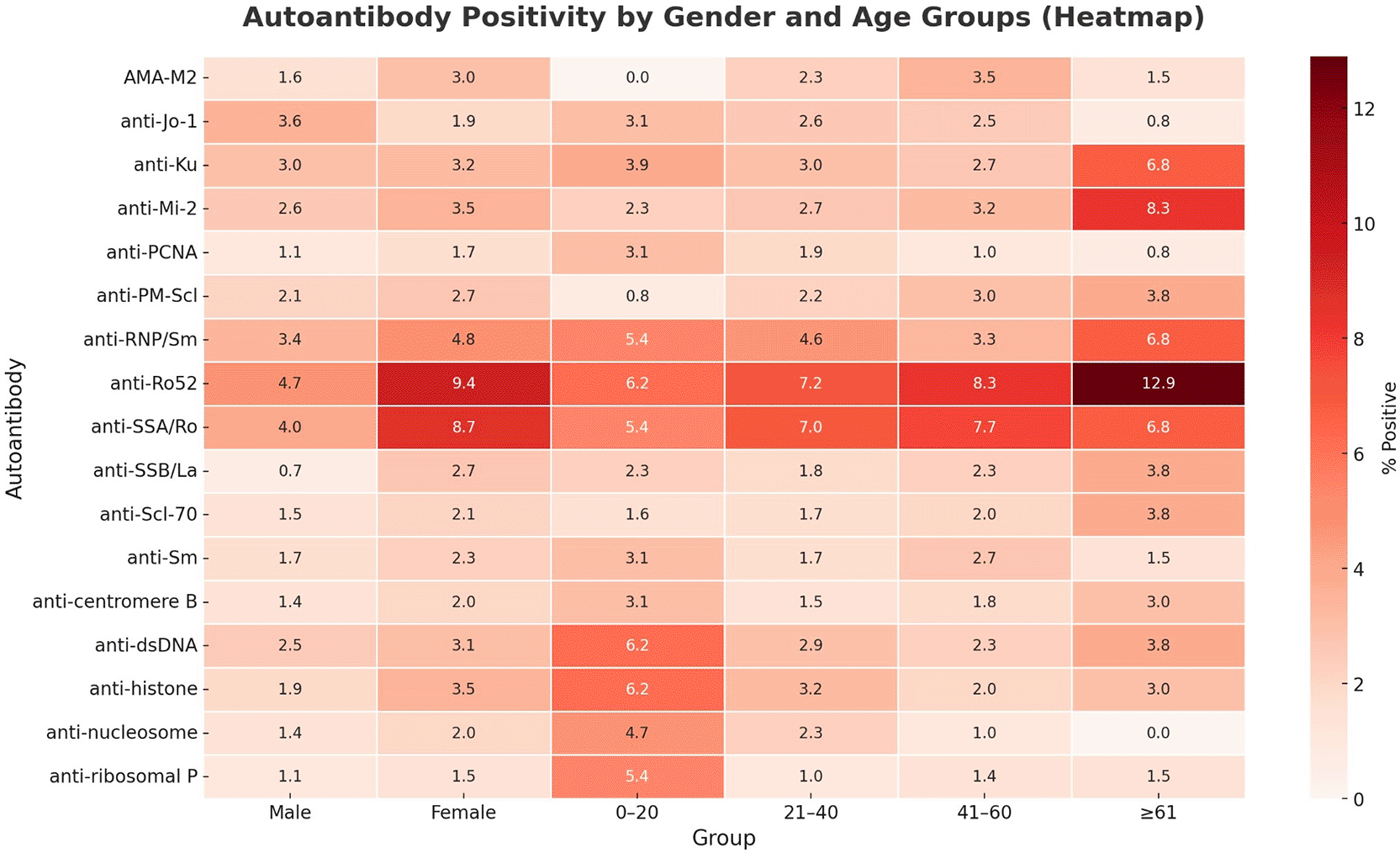
The intensity of the red color corresponds to the percentage positivity (%), with darker shades indicating higher prevalence.
This 10-year analysis provides a systematic description of ANA profiles in Ajman. It reveals a moderate serological ANA positivity rate, a predominance of Ro52/SSA reactivity, and a consistent gender gradient. Rather than representing a descriptive prevalence report, these findings contribute to an emerging understanding of ANA as a population-level marker of systemic immune activation.
Growing evidence suggests that ANA positivity, even in the absence of overt rheumatologic disease, reflects underlying immune perturbations influenced by demographic and environmental factors.7,10,16 Increasing attention to ANA as a preclinical biomarker underscores the public health significance of mapping serological patterns within diverse populations.17,18 In this context, the Ajman data offer an immuno-epidemiological baseline for a region undergoing rapid demographic and healthcare expansion.
ANA screening was performed using HEp-2 IIFA, the ICAP-endorsed reference method, which remains the global standard for detecting a broad spectrum of nuclear and cytoplasmic autoantibodies.19 ICAP emphasizes the interpretive value of recognizing distinct fluorescence patterns, particularly fine speckled categories (AC-4/AC-4a), that frequently correspond to Ro52/SSA and RNP/Sm reactivity.20 Although pattern data were not available in our dataset, the observed antibody distribution is compatible with such patterns. It corresponds to serological profiles commonly associated with early immune activation or broad, non-disease-specific autoimmunity.
The prominence of Ro52 and SSA/Ro reinforces the importance of reflex testing strategies, as recommended by EFLM/ICAP, to improve diagnostic accuracy in both rheumatic and non-rheumatic conditions.5,21 By situating the dataset within these international interpretive frameworks, the study provides insights that extend beyond frequency reporting toward understanding the laboratory and clinical relevance of ANA patterns in a high-volume diagnostic environment.
The strongest demographic predictor of ANA positivity in this cohort was gender, with females exhibiting significantly higher odds of both overall ANA positivity and specific antibody reactivities. This finding aligns with global epidemiological research demonstrating a consistent female predominance in ANA expression and autoimmune susceptibility.8,16 Large-scale mechanistic reviews attribute these differences to several intersecting pathways, including X-chromosome–encoded immune response genes, incomplete X-inactivation, and estrogen-driven B-cell activation, though these mechanisms remain proposed explanations rather than determinants demonstrated within our dataset.22–24
The observed gender gradient in Ajman reinforces a broader immunological paradigm of sex-differentiated humoral responsiveness.25 The fact that gender remained an independent predictor in regression analysis further underscores the robustness of this association. From a clinical standpoint, these findings parallel extensive population-based analyses showing differential outcomes and immune phenotypes in ANA-positive individuals across genders.15,26,27
One of the most distinctive features of our dataset is the dominant expression of anti-Ro52 and anti-SSA/Ro antibodies. Mechanistically, Ro52 (TRIM21) functions as an intracellular Fc receptor that regulates innate immune signaling; experimental loss or dysregulation of Ro52 accelerates tissue inflammation and promotes systemic autoimmunity.28,29 Clinically, SSA/Ro and Ro52 are recognized as early and cross-disease biomarkers, detectable years before the onset of primary Sjögren’s syndrome and associated with diverse autoimmune phenotypes, including SLE, autoimmune thyroid disease, mixed connective tissue disease, and interstitial lung disease.30–32
The high frequency of these antibodies in this laboratory-based population likely reflects underlying immunological activation rather than established rheumatic disease, and it mirrors trends reported in heterogeneous urban populations where autoimmune risk factors and health-seeking behaviors vary widely. Conversely, the lower rates of antibodies such as PCNA and ribosomal P are consistent with their more specific clinical associations.15 Collectively, these patterns form a coherent serological profile that may offer predictive value for future longitudinal studies in the region.
ANA positivity varied significantly by age, with the highest rates observed in those aged ≥61 years; however, specific autoantibodies did not show significant age-related differences. This divergence aligns with the concept of “inflammaging,” in which aging is associated with chronic, low-grade immune activation that increases the likelihood of autoantibody production without substantially altering specificity profiles.33,34 Earlier work similarly documented ANA positivity in otherwise healthy older adults, reinforcing the notion that autoimmunity is a graded rather than binary state.35
The stability of Ro52, SSA/Ro, and RNP/Sm frequencies across age groups in this study, thus, may reflect age-associated immune remodeling rather than disease-specific serological pathways. This pattern may additionally reflect clinical ordering practices or differential health-care utilization among age strata within the Ajman population.
From a clinical and laboratory perspective, our dataset offers essential insights into ANA testing and interpretation within the UAE. The predominance of Ro52/SSA reactivity suggests that many ANA-positive individuals may require targeted follow-up, even in the absence of classic rheumatologic symptoms. Gender-associated differences further emphasize the importance of contextualizing ANA results within established demographic patterns to avoid both over- and under-diagnosis.
The integration of ICAP-compliant reporting, reflex ENA testing, and standardized laboratory pathways could significantly enhance ANA interpretation and improve patient stratification. At the public health level, these findings provide baseline data to underpin future autoimmune surveillance initiatives across the region. Given global evidence that ANA may serve as a preclinical biomarker for autoimmune risk, the identification of consistent serological signatures within Ajman has implications for early detection, prevention, and longitudinal clinical research.
Limitations include its retrospective nature, absence of clinical diagnostic information, potential referral bias, and the lack of fluorescence pattern data, an essential interpretive layer within the ICAP framework. Future studies incorporating clinical phenotypes, environmental exposure data, and pattern-specific analyses will be necessary to fully contextualize these findings.
This 10-year analysis characterizes the ANA serological landscape of Ajman. It reveals a profile defined by Ro52/SSA dominance, substantial gender-associated differences, and age-related variation in positivity but not in specificity. Integrated with international immunological and laboratory evidence, these findings highlight ANA as a meaningful biomarker of population-level immune activity rather than a simple diagnostic tool. Establishing this baseline provides a foundation for future longitudinal and mechanistic studies exploring autoimmune susceptibility, environmental determinants, and clinical outcomes in the UAE.
Future studies should incorporate clinical correlation to better understand the diagnostic significance of positive ANA results in UAE population. Follow-up studies would be valuable for assessing disease progression and outcomes in patients with positive ANA profiles. Additionally, investigation of environmental and genetic factors specific to the regional population could provide insights into local risk factors for autoimmune diseases. The integration of newer technologies, such as computer-assisted diagnosis systems for HEp-2 IFA interpretation, could improve standardization and reproducibility of results.
The study received ethical approval from the Institutional Review Board of Gulf medical University, with approval granted on 8 January 2025. The ethical approval reference number for this study is IRB-COHS-FAC-8-Jan-2025.
As this study involved retrospective analysis of existing data, informed consent from participants was waived by the Institutional Review Board. No direct contact with participants occurred, and all data were anonymized to ensure confidentiality.
| Views | Downloads | |
|---|---|---|
| F1000Research | - | - |
|
PubMed Central
Data from PMC are received and updated monthly.
|
- | - |
Provide sufficient details of any financial or non-financial competing interests to enable users to assess whether your comments might lead a reasonable person to question your impartiality. Consider the following examples, but note that this is not an exhaustive list:
Sign up for content alerts and receive a weekly or monthly email with all newly published articles
Already registered? Sign in
The email address should be the one you originally registered with F1000.
You registered with F1000 via Google, so we cannot reset your password.
To sign in, please click here.
If you still need help with your Google account password, please click here.
You registered with F1000 via Facebook, so we cannot reset your password.
To sign in, please click here.
If you still need help with your Facebook account password, please click here.
If your email address is registered with us, we will email you instructions to reset your password.
If you think you should have received this email but it has not arrived, please check your spam filters and/or contact for further assistance.

Comments on this article Comments (0)