Keywords
Flavonoids, quercetin derivatives, dual PI3K/mTOR inhibitors, Clitoria ternatea, naringin-coated nanoparticles, ovarian cancer, molecular dynamics, SKOV3 cells.

This article is included in the Manipal Academy of Higher Education gateway.
Flavonoids, quercetin derivatives, dual PI3K/mTOR inhibitors, Clitoria ternatea, naringin-coated nanoparticles, ovarian cancer, molecular dynamics, SKOV3 cells.
Ovarian cancer is one of the most common gynecological cancers observed in women worldwide.1 Due to its late recognition of symptoms, it is also called as the “silent killer” which makes it one of the deadliest cancers known till date.2 According to epidemiological data from the American Cancer Society, the lifetime risk of ovarian cancer in women is approximately 1 in 78, with mortality rates approaching 1 in 108 cases. OC is usually diagnosed in elderly women.3 Almost half of the cases reported to date have been found in women aged 63–64 years.4 Even though few treatments are available, the recurrence rate is still high, which threatens the life of patients. The Global Cancer Observatory (GLOBOCAN 2020) reported a 42% increase in ovarian cancer incidence by 2040, underscoring the urgent need for novel therapeutic strategies and effective preventative approaches.5
Currently, many treatment methods are available for cancer, including chemotherapy and surgery.6,7 Chemotherapy is known to have undesirable effects, forcing people to look at alternatives to natural products, including traditional practices such as Ayurveda, a traditional Chinese medicine that provides relief. Nature provides us with many natural remedies for most diseases. One such miracle plant is Clitoria ternatea (CT). Gaining its importance from the age old ayurvedic “Medhya Rasayana” this plant which comes from Fabaceae family, is a nootropic perennial herb.8,9 It is also commonly known as Aparajita, Shankapushpa, butterfly pea, blue pea, Asian pigeonwings, or Darwin pea, but because of the resemblance of the flower to the human female genitals, it was named Clitoria ternatea.10 A study conducted by Anita et al. proved that the flower extract contains compounds such as kaempferol, quercetin, and ternatins, which are responsible for anti-cancer studies. This led us to the idea of using flower extracts for OC.11 Another study by Vyshnavi et al., proved that the silver nanoparticles using the CT plant extract showed anti-cancer activity of lung cancer cell lines with an IC50 value of 50.92 ± 0.05 μg/mL and 51.35 ± 0.05 μg/mL.12 Studies have shown that compared to compounds in their original form, nanoparticles provide a high surface-to-volume ratio, thus making them ideal anti-cancer agents. A study on MCF-7 and EAC cell lines using CT-silver nanoparticles showed potential effects as tumor inhibitors through apoptosis.13
To enhance the bioavailability, cellular internalization, and therapeutic potency of blue-variant CT-derived flavonoids, we formulated naringin-coated zinc oxide nanoparticles. Naringin, a citrus-derived bioflavonoid, possesses intrinsic anti-inflammatory and anti-cancer properties and has been shown to enhance therapeutic outcomes through synergistic interactions with other bioactive compounds. Zinc oxide nanoparticles are well-established biocompatible nanomaterials with established cytotoxic properties against cancer cells through the generation of reactive oxygen species and induction of apoptosis.14
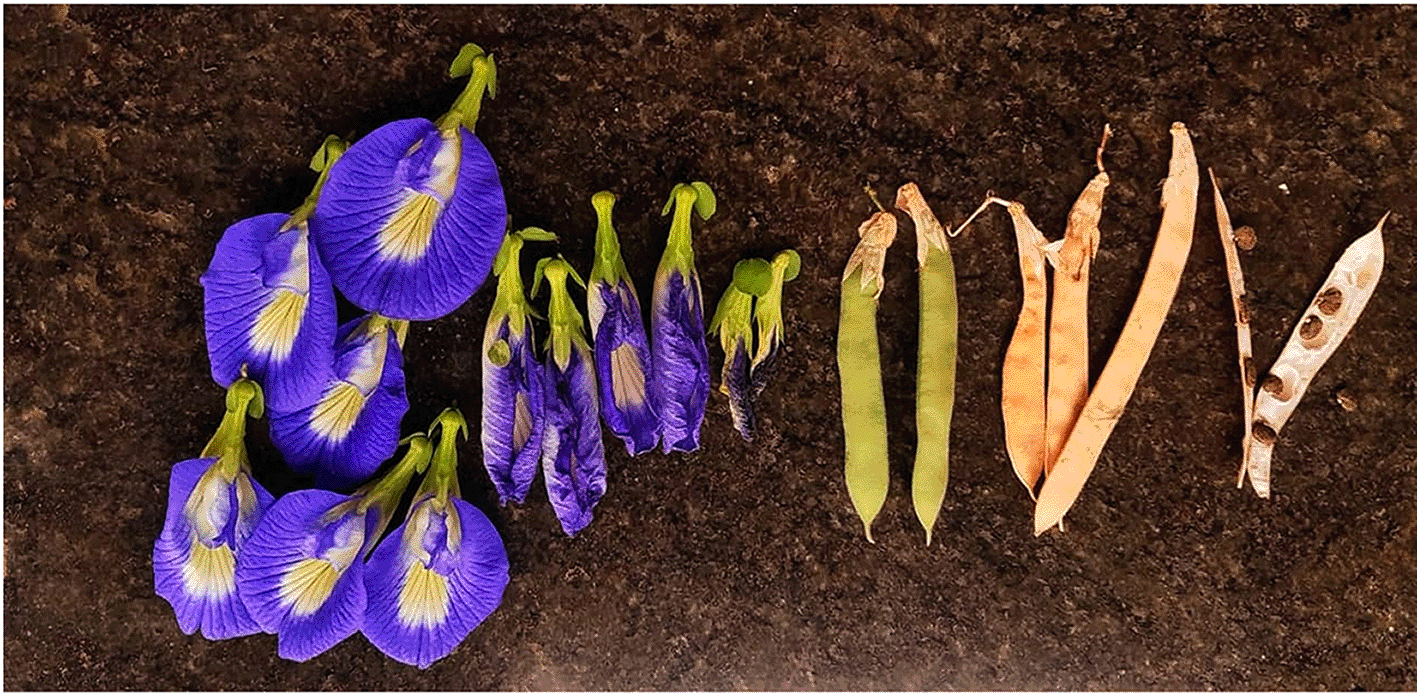
The first reference to the CT plant can be found in history during 1678 by a Polish naturalist. This plant was then referred to as “Flos clitoridis ternatensibus” which can be translated as “ternatean flower of the clitoris.”15 Ternatea, the species name, originated from the name of the Island Tenate, which is located in the northern part of the Malaku Islands where Carl Linnaeus’s species originated.16 The plant has a vine wildflower type with stalked leaves that are divided into 1–2 inches with egg- or lance-shaped leaflets.10 This plant consists of flowers that have many colors such as blue, white, dark blue, mauve, and pink. Usually, the flowers are seen to be somewhere between 1 two 2 inches with one to three flowers per stalk. These flowers are small buds that arise from leaf axils. A normal CT flower consists of five petals, one of which is a large standard petal, two wings, and two keel petals ( Figure 1).
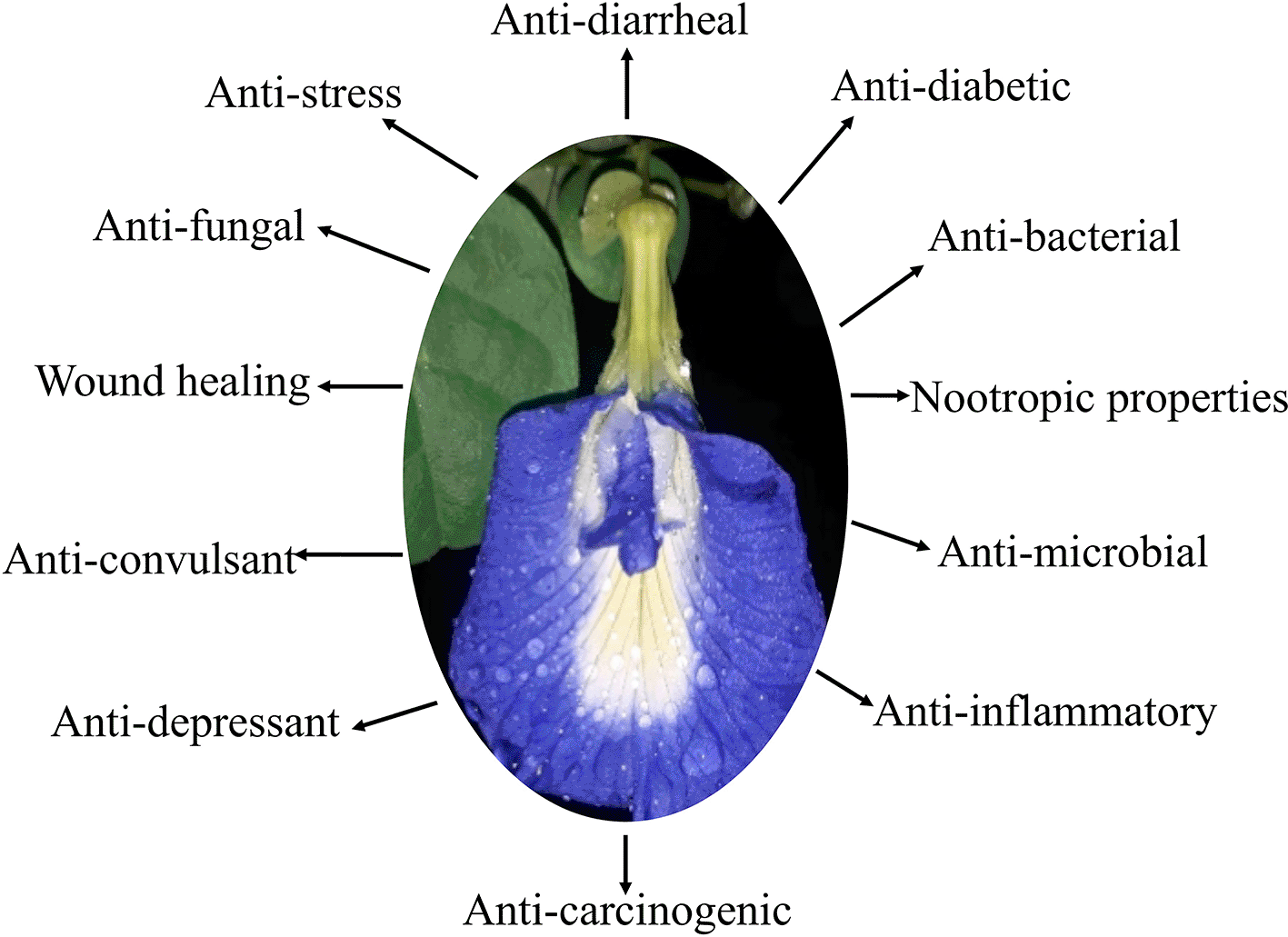
As for Aparajita, by the name itself one can tell that this plant can be used as a cure for many diseases. This plant, which cannot be defeated by any disease, has many medicinal uses in the past. All the evidence and research regarding this plant indicates that all parts of this plant have one or the other medicinal properties. Researchers worldwide have found antibacterial, antidiarrheal, antifungal, anticarcinogenic, antidiabetic, anticonvulsant, antidepressant, antimicrobial, antistress, anti-inflammatory, wound healing, and nootropic properties in different parts of the CT plant ( Figure 2).8,16–19 A study by Manokari et al. showed that zinc oxide nanoparticles from different parts of the CT plant, using a green approach, are effective in treating different illnesses.20 Nanoparticles, compared to other compounds, have shown greater efficacy in treating diseases. A review article reported the cytotoxic effects of different combinations of Clitoria ternatea extract. A study using the Trypan blue dye exclusion method revealed the in-vitro cytotoxic effects of petroleum and ethanolic flower extract. The petroleum extract showed a 100% reduction in the cell count at 500 μg/mL, and the ethanolic extract showed an 80% reduction in the cell count at 500 μg/mL.21,22 Another study demonstrated the cytotoxicity of aqueous and methanol extracts of CT flowers on six types of normal and cancer cell lines, in which CaOV-3 was involved. The work revealed greater inhibitory action against MCF-7 with an IC50 value of 175.35 μg/mL.23 A recent study also noted that CT root extract is a promising anti-cancer agent with antioxidant, apoptotic, and cell cycle arrest activities.24 Therefore, in our approach, we used the green synthesis method of preparing ZnO nanoparticles with naringin to observe its effects on the SKOV-3 cell line.
Various pathways are involved in cancer development. Among these pathways, the PI3K/mTOR pathway is considered to be one of the most important pathways that undergo alterations and lead to ovarian cancer.25–27 The phosphoinositide 3-kinase pathway is one of the most significant pathways that plays a major role in regulating cell growth, proliferation, survival, and angiogenesis. This pathway is driven by three important factors, PI3K, AKT, and mTOR. PI3K is a family of lipid kinases that comprises three classes: class I, class II, and class III. Once PI3K is fully activated, PIP2 is converted to PIP3, which allows the activation of AKT. AKT can also be activated through MTORC2, which is present in the helical domain of AKT. Constitutive activation of the PI3K/mTOR pathway due to PIK3CA mutations or PTEN loss has been shown to initiate ovarian cancer in mice.28 Inhibition of this pathway has shown a significant delay in tumor progression and extended survival rate, offering strong proof of concept for its oncogenic role in OC and supporting its potential as a viable therapeutic target. A growing body of research has focused on inhibiting PI3K, Akt, and mTOR separately. However, only a few studies have succeeded in simultaneously targeting PI3K and mTOR at the same time. At the same time, inhibiting this pathway through PI3K or mTOR alone fails to serve this purpose. The PI3K pathway can also be activated via phosphorylation of AKT. Owing to the presence of multiple pathways for the upregulation of this pathway, the inhibition of PI3K or mTOR alone will activate the pathway again.28,29 Therefore, we aimed to target both PI3K and mTOR together to inhibit this pathway. Targeting both these targets together is essential and crucial because targeting any one of them might lead to negative feedback and the whole pathway might be reactivated, which we do not want. Therefore, this method will be a boon in the future.
We selected components that have already been proven to be present in the flowers of the CT plant for in-silico studies. They were docked using Maestro 11.8 Schrodinger software, and the selected leads were used for Molecular Dynamics (MD) studies. Interpreting the results of the MD potent component was selected as a dual PI3K/mTOR inhibitor for ovarian cancer. The blue variant of Clitoria ternatea flowers were grown under economic conditions near DC office, Manipal, Karnataka, were selected for the study. The plant was authenticated by Dr. Gayathri Pai, HOD, Department of Botany, Mahatma Gandhi Memorial College, Udupi. A voucher specimen PP596A has been deposited in the herbarium at Department of Pharmacognosy, Manipal College of Pharmaceutical Sciences,MAHE,Manipal for future reference. Analytical grade zinc acetate dihydrate was purchased from Merck, India, sodium hydroxide was procured from Molychem, Mumbai, India, Clitoria ternatea flower extract was freshly prepared, and naringin was purchased from TCI Chemicals, India.
2.2.1 Preparation of protein:
The X-ray crystal structures of PI3K and mTOR proteins, 5DXT and 5GPG (resolution 2.25 A0 and 1.67 A0 respectively), were retrieved from the RCSB Protein Data Bank. The retrieved protein was prepared using the protein preparation wizard tool from the Maestro 11.8 Schrodinger software at 7.5 pH. Protein preparation started with preprocesses where the missing side loops were filled and then the optimization was done. This was followed by minimization of proteins at 7.5 pH. The minimized proteins were further docked with the prepared ligands.
2.2.2 Preparation of ligands:
All ligand structures were retrieved from PubChem.sdf format. These ligands were further prepared at 7.5, and the grid was developed using the grid generation tool around both PI3K and mTOR PDB separately.
2.2.3 Ligand docking
The prepared ligands were docked with minimized proteins by ligand docking of glide in the Schrodinger software. The results were analyzed using the docking score and interactions that were retained. Based on these criteria, the selected potent compounds were used for molecular dynamics simulation studies.
2.2.4 Molecular dynamics
Of the selected ligands, four potent compounds were studied using molecular dynamics. This was performed using the Desmond tool of the 11.8 Maestro Schrodinger software. Molecular dynamics simulation is a three-step process. The first step was the system builder step, where for the XP docked complexes, a predefined SPC solvent model was used under the orthorhombic boundary condition. In the second step, minimization was performed. Subsequently, a simulation study was performed for the minimized model via the NPT ensemble class at 300 K and 1 bar pressure for 200 ns.
2.2.5 ADME analysis
The selected 24 compounds were further used for ADME analysis. ADME analysis was performed using the QuikProp tool of the 11.8 Schrodinger software. Furthermore, the compounds were classified according to Lipinski’s rule of five. Four criteria, molecular weight, lipophilicity, hydrogen bond donors, and hydrogen bond acceptors, are considered to identify drug candidates that are more likely to be absorbed and possess pharmacokinetic properties for oral administration. According to this rule, a molecule may be a better drug if its molecular weight is less than 500 Da, LogP is less than 5, the number of hydrogen bond donors is less than 5, and the number of hydrogen bond acceptors is less than 10. Considering these criteria, the selected 24 compounds were classified for further study.
2.2.6 Preparation of the Clitoria ternatea flower extract:
The CT flowers were dried under shade for 2 days and powdered using a mortar and pestle. Powdered flowers (0.1 g) were dissolved in a solvent mixture of 5:4:1 methanol/acetone/water and stirred at room temperature for 24 h. The obtained, blue-colored extract was centrifuged at 4000 rpm, and excess volatile solvents were removed using a rotary evaporator. Further, an 8:2 ratio of methanol to water was added to the concentrated mixture and used for the preparation of nanoparticles. The prepared extract was analyzed using Liquid Chromatography-Mass Spectroscopy (LCMS) for a time period of 30 min with a sampler temperature of 25 °C, column temperature of 4 °C and probe temperature of 250 °C.
2.2.7 Preparation of the Naringin-coated Zinc oxide nanoparticle:
Naringin is a bioflavonoid present in grapefruit. Previous studies have shown that naringin has many pharmacological effects, including anti-inflammation, anti-cancer, anti-oxidative stress, and lipid metabolism. Studies have shown that naringin induces apoptosis in cancer cells. Additionally, Liping et al. studied the in vivo activity of naringin on ovarian tumor growth. Therefore, we chose naringin as a potential candidate for the preparation of the formulation using ZnO nanoparticles.
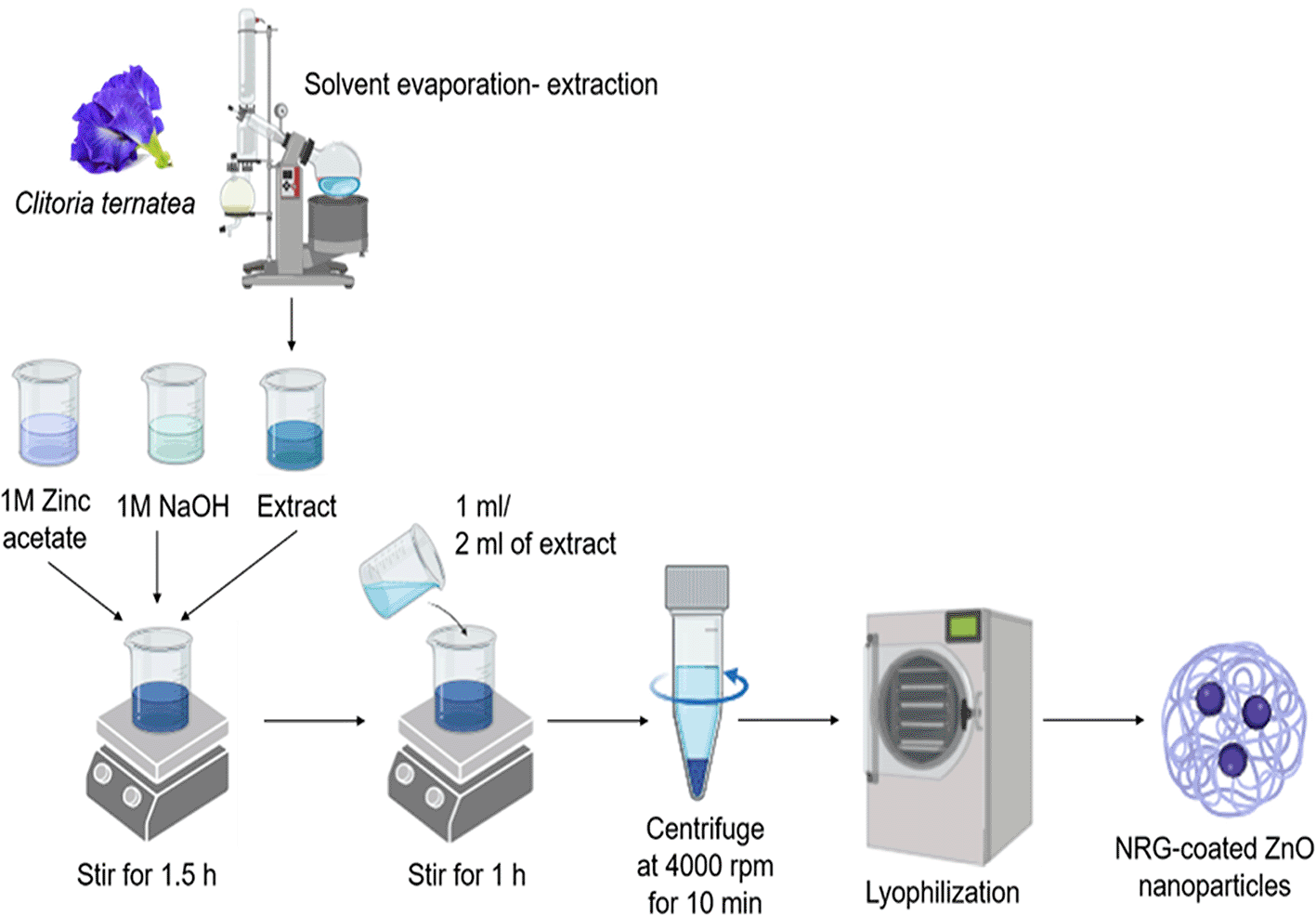
Naringin (NRG)-coated zinc oxide (ZnO) nanoparticles were prepared by a coating method reported by Poojary et al. with slight modifications.32 1 M zinc acetate in 1.5 ml water, 1 M sodium hydroxide in 1.5 ml water, and 1 ml of prepared Clitoria ternatea extract were stirred at room temperature for 1.5 h. 50 mg of NRG dissolved in 1 ml of water was added and stirred for 1 h. A blank formulation was prepared without NRG loading (NB1). The resultant mixture was centrifuged for 10 min at 4000 rpm, and the supernatant was stored for further analysis. The pellets obtained were washed with water and lyophilized at 1.2 mbar pressure for 3 h (NC1 and NB1) ( Figure 3). The nanoparticles were characterized by UV spectrophotometry and in-vitro analysis. The same method was applied to prepare ZnO nanoparticles using 2 ml of extract with and without NRG (NC2 and NB2, respectively).
2.2.8 Characterization of naringin-coated ZnO nanoparticles-UV analysis:
The naringin-coated ZnO nanoparticles were dispersed in water, and spectrophotometric analysis was carried out in the range of 200–400 nm by UV spectrophotometry.
2.2.9 MTT assay of the synthesized formulation:
SKOV3 Cells were seeded in a 96-well plate at a density of 10,000 cells/well and incubated overnight. After 24 h of culture, a cytotoxicity assay was performed. Cells were treated with varying concentrations (15–1000 μg) of the newly synthesized compounds for 48 h, with two replicates. Following treatment, the media was removed, and cells were incubated with MTT solution (final concentration: 0.5 mg/mL) for 4 h at 37 °C. The resulting MTT crystals were dissolved in 100 μL DMSO, and the plates were placed on a shaker for 30 min. Absorbance was measured at 570 nm using a Multiscan Sky reader (Thermo Scientific), and the data were used to generate graphs and calculate the IC50 values.
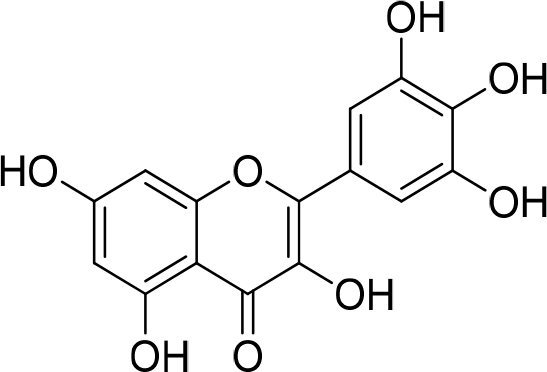
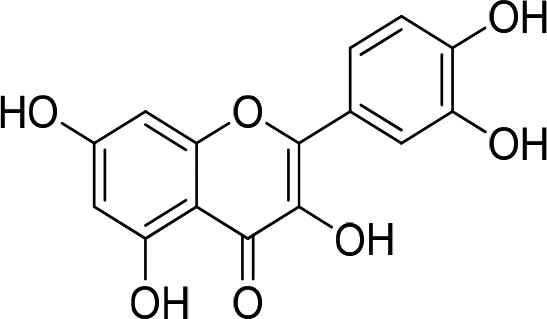
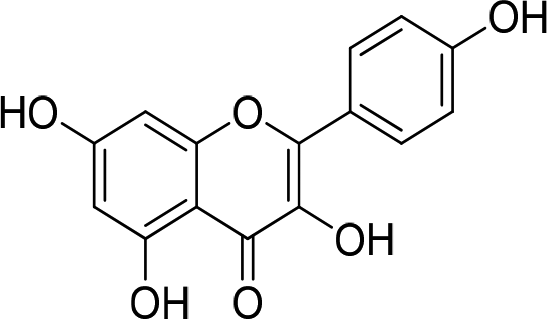
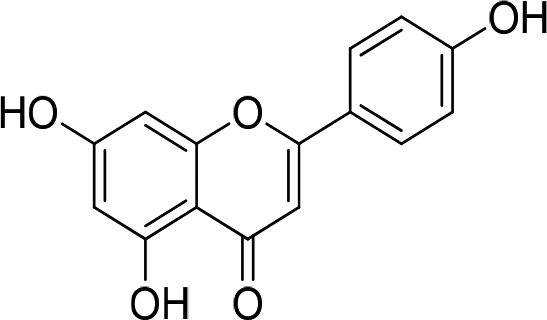
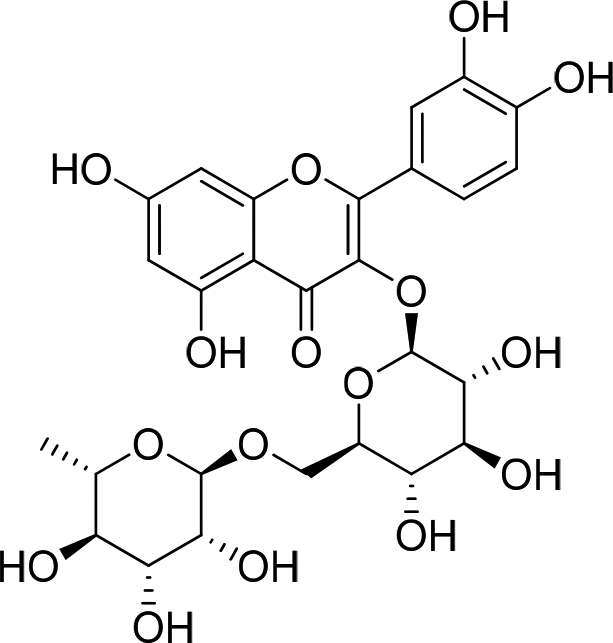
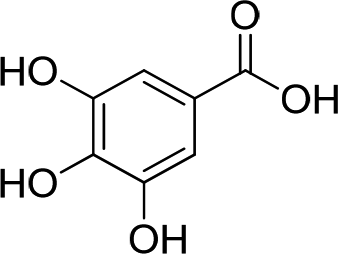
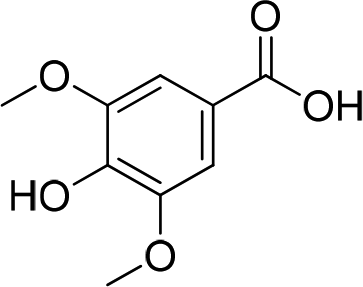
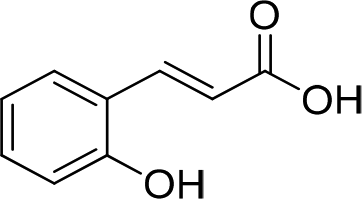
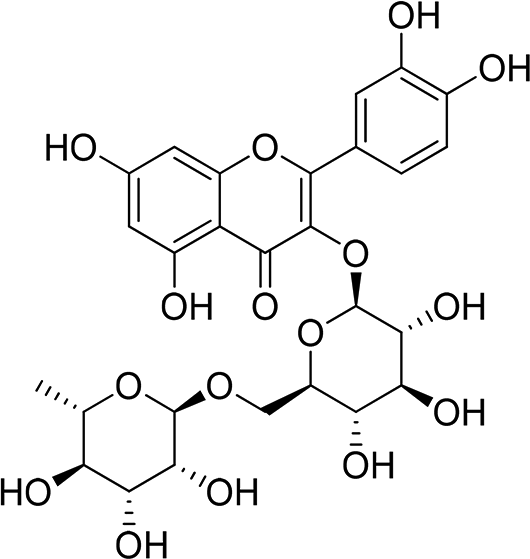
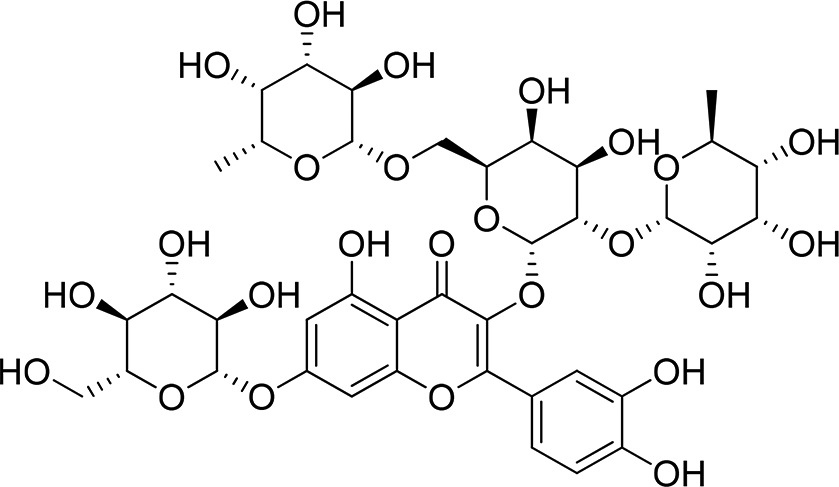
24 compounds were selected (Safira et al) that have already been shown to be present in the Clitoria ternatea.30,32 The selected compounds and their CAS numbers are listed in Table 1.
Based on molecular docking studies, the docking score and interactions are depicted in Table 2 and 3 for PI3K and mTOR, respectively. Along with the selected compounds, gedatolisib, a compound currently in trials as a PI3K/mTOR inhibitor, was selected to compare the results.
| Sl. No | Compound name | Hydrogen interactions | Hydrophobic interactions | Dock score (kcal/mol) |
|---|---|---|---|---|
| PDB ID: 5DXT ( PI3K ) | ||||
| 1 | Epicatechin | VAL851, GLU849, ARG770. | VAL851, VAL850, ILE848, PHE930, ILE932, MET772, TRP780, ILE800. | −8.888 |
| 2 | Delphinidin chloride | VAL851, EDO1102, GLU849, TYR836, GLU2041, ASP810, LYS802, EDO1102. | VAL851, VAL850, ILE848, TYR836, LEU807, ILE800, PRO778, TRP780. | −9.715 |
| 3 | Ternatin | VAL851, LYS802. | VAL851, VAL850, ILE848, TYR836, TRP780, PRO778, ALA775, MET772. | −10.112 |
| 4 | Myricetin | GLU849, ASP933, PHE934, TYR 836, ASP810, GLU2041, LYS802, TRP780, VAL851. | PHE934, ILE932, PHE930, ILE848, VAL850, MET922, TRP780, PRO778, ILE800. | −14.129 |
| 5 | Quercetin | VAL 851, GLU849, ASP810, TYR836, GLU2041, LYS802, EDO1102. | VAL851, ILE848, TYR836, LEU807, PHE934, ILE932, PHE930, MET772. | −14.295 |
| 6 | Kaempferol | VAL851, LYS802, ASP933, EDO1102. | VAL851, VAL850, ILE848, PHE930, ILE932, ILE800, PRO778, TRP780. | −11.832 |
| 7 | Apigenin | VAL851, ASP933, LYS802, EDO1102. | VAL851, VAL850, ILE848, PHE930, ILE932, PHE934, MET772, ILE800. | −11.222 |
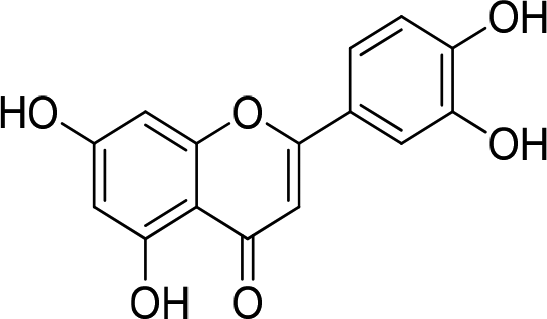
| 8 | Luteolin | VAL851, ASP810, TYR836, GLU2041, SER774, LYS802. | VAL851, VAL850, ILE848, LEY807, ILE800, MET772, PRO778, TRP780 | −13.258 |
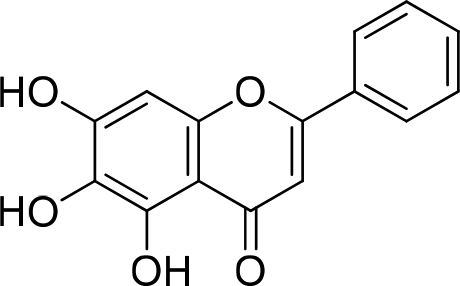
| 9 | Baicalein | VAL851, EDO1102 | VAL851, VAL850, ILE848, PHE930, ILE932, PHE934, ILE800, MET772. | −11.563 |
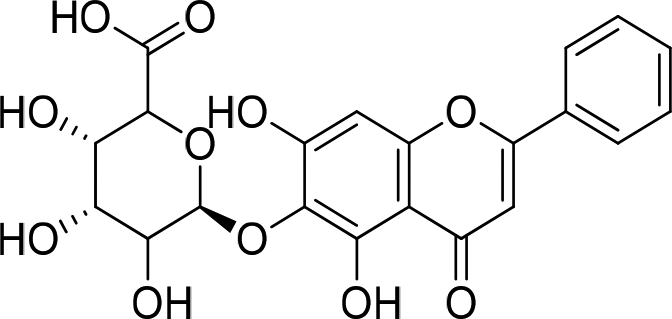
| 10 | Baicalein-6-glucuronide | HIS855, SER854, VAL851, EDO1102, GLN859. | TRP780, VAL851, VAL850, ILE848, PHE930, ILE932, MET772. | −13.396 |
| 11 | Quercetin-3,7-glucoside | GLU798, ASN853, EDO1102, GLU849, GLN859. | CYS862, VAL851, VAL850, ILE848, TRP780, MET922, PHE930, ILE932, TYR836. | −14.708 |
| 12 | Quercetin-3-O-Rhamnoside | GLU798, GLN859. | ILE800, TRP780, VAL851, VAL850, PHE930, ILE932, MET922, MET772. | −8.028 |
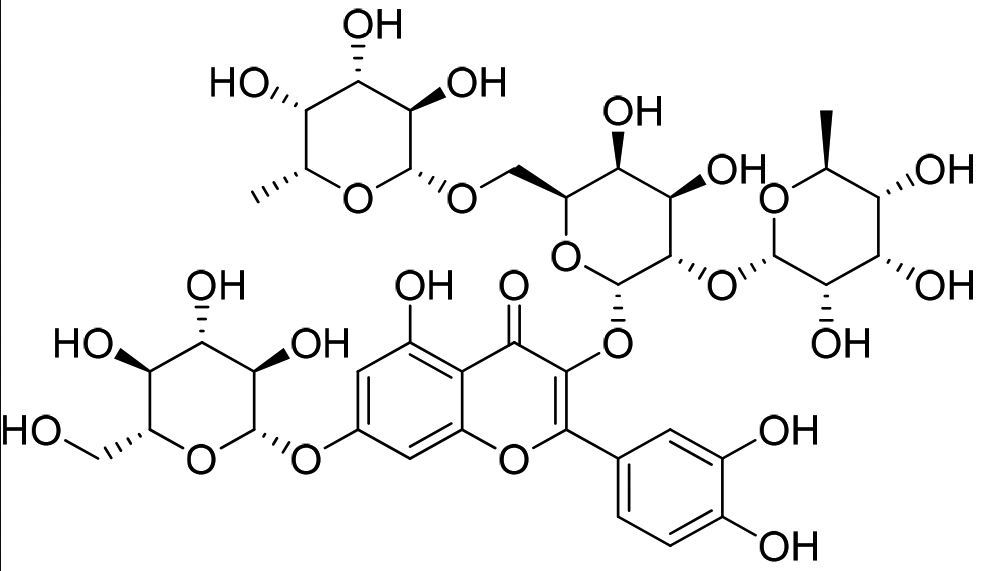
| 13 | Quercetin-3-Rutinoside | SER774, VAL851, TYR836, ASP810, ASP933. | VAL851, VAL850, ILE848, ILE800, ALA775, MET772, TRP780, MET858, MET922, PHE932, PHE930, LEU807, TYR836, PHE934. | −15.849 |
| 14 | Gallic acid | VAL851, GLU849. | VAL851, VAL850, ILE848, PHE930, ILE932, ILE800, TYR836, MET772, TRP780, MET922. | −7.147 |
| 15 | Syringic acid | VAL851. | VAL851, VAL850, ILE848, ILE932, MET922, MET772, TRP780, TYR836, ILE800. | −6.553 |
| 16 | 2-hydroxycinnamic acid | VAL851. | MET922, VAL851, VAL850, PHE930, ILE848, ILE932, ILE800, TYR836, MET772, TRP780. | −5.716 |
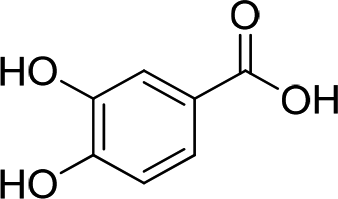
| 17 | Protocatechuic acid | VAL851. | VAL851, VAL850, ILE848, ILE932, PHE930, TYR836, TRP780, MET772, ILE800. | −6.531 |
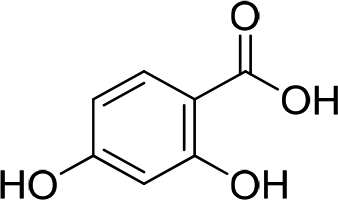
| 18 | 2,4-dihydroxy benzoic acid | VAL851. | VAL851, VAL850, PHE930, TYR836, ILE848, TYR836, ILE932, TRP780, MET922, MET772, ILE800. | −5.829 |
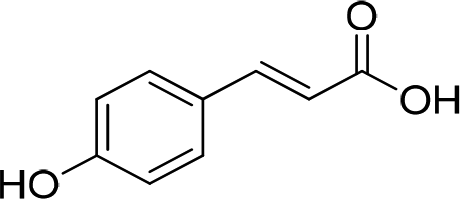
| 19 | p-Coumaric acid | VAL851, SER774. | VAL851, VAL850, ILE848, TYR836, ILE800, ILE932, PHE930, MET922, TRP780, PRO778, MET772 | −6.508 |
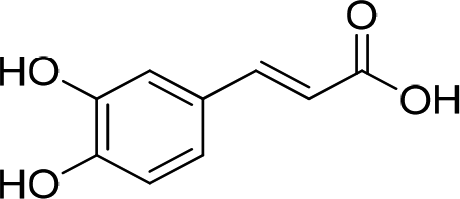
| 20 | Caffeic acid | VAL851, GLU849, ASP933, TYR836. | VAL851, VAL850, PHE930, ILE932, ILE848, TYR836, ILE800, MET772, TRP780, MET922. | −8.139 |
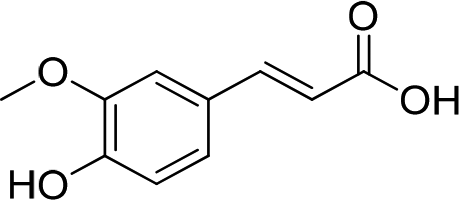
| 21 | Ferulic acid | VAL851, GLU849, SER774. | VAL850, VAL851, MET922, TRP780, PRO778, MET772, ILE800, TYR836, ILE932, PHE930, ILE848. | −7.508 |
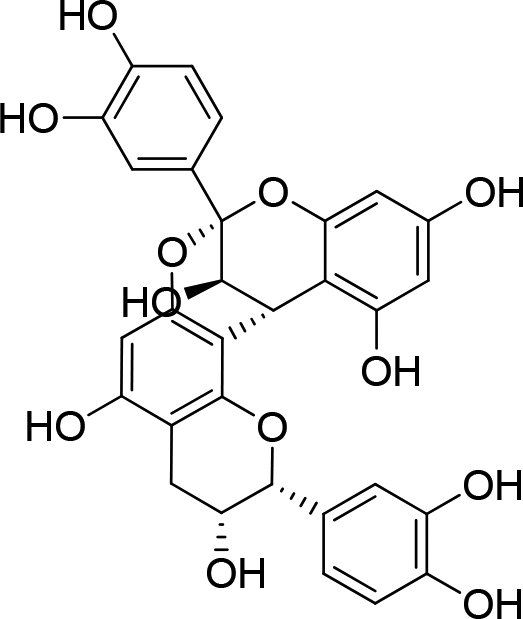
| 22 | Procyanidin A2 | VAL851, ASP810, TYR836, ASP933. | VAL851, VAL850, ILE848, LEU807, TYR836, CYS838, MET922, ILE932, PHE930, TRP780, ILE800. | −9.925 |
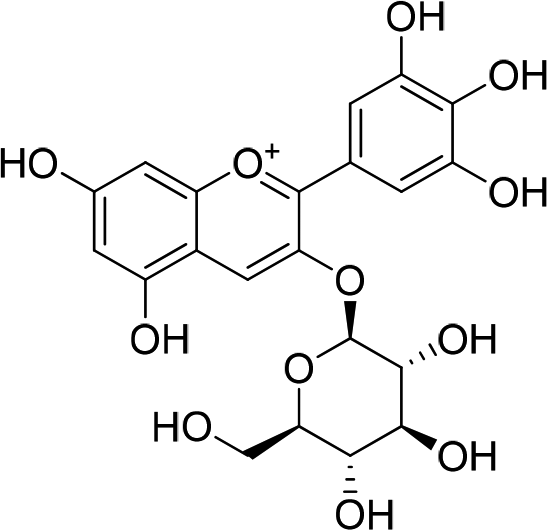
| 23 | Delphindin-3-O-glucoside | VAL851, ASP933, ASP810, TYR836. | VAL850, VAL851, PHE930, TRP780, MET922, PHE934, MET772, LEU807, TYR836, CYS838. | −10.663 |
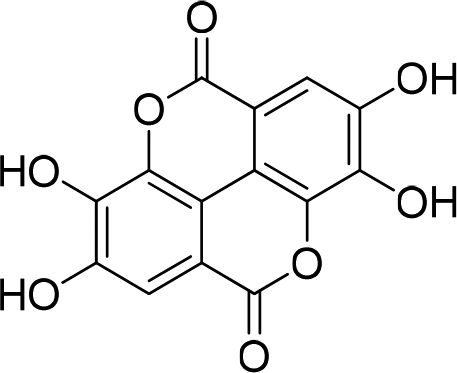
| 24 | Ellagic acid | VAL851. | VAL851, VAL850, MET922, TRP780, ILE848, TYR836, PHE930, ILE932, ILE800, MET772. | −10.794 |
| 25 | Gedatolisib | HIS936 | ARG770, MET772, SER774, ALA775, ASP810, GLN809, LEU807, ASP806. | −6.910 |
| Sl. No | Compound name | Hydrogen interactions | Hydrophobic interactions | Dock score (kcal/mol) |
|---|---|---|---|---|
| PDB ID: 5GPG (mTOR) | ||||
| 1 | Epicatechin | SER2035, SER163, LYS170. | TRP2101, TYR2104, PHE2039, LEU2031, PHE2108, PHE164, PHE2108. | −8.131 |
| 2 | Delphinidin chloride | THR2098, ILE172, TYR198, ASP2102. | VAL171, ILE172, TRP175, LEU162, TYR135, PHE145, TYR2105, TRP2101, LEU2097, ALA206, TYR198. | −6.315 |
| 3 | Ternatin | - | PHE2039, TRP2101, TYR2105, TYR2104, LEU2031, PHE2103, LEU162, TYR198, ILE172, VAL171. | −7.057 |
| 4 | Myricetin | TYR135, ASP146, ASP2102. | TYR2104, TYR2105, LEU2031, LEU162, TYR135, TRP2101. | −9.121 |
| 5 | Quercetin | SER2035, ASP2102, TYR2104. | TYR135, LEU162, PHE2108, LEU2031, TYR2105, TYR2104, TRP2101. | −9.116 |
| 6 | Kaempferol | ASP2102. | TYR135, LEU162, PHE2039, LEU2031, PHE2108, TYR2105, TYR2104, TRP2101. | −7.587 |
| 7 | Apigenin | ASP2102. | TYR135, LEU162, PHE2039, LEU2031, TYR2105, TYR2104, TRP2101. | −7.291 |
| 8 | Luteolin | ASP2102. | TYR135, LEU162, PHE2039, TYR2104, TYR2105, TRP2101, PHE2108, LEU2031. | −8.371 |
| 9 | Baicalein | - | TYR2104, PHE2089, TRP2101, TYR2105, LEU2081, PHE2108. | −8.468 |
| 10 | Baicalein-6-glucuronide | TYR198, ILE172, LYS170, ASP146. | TYR135, TYR198, TRP175, ILE172, PHE145, LEU162, TRP2101, TYR2104, TYR2105, PHE2039, PHE2108, LEU2031. | −10.911 |
| 11 | Quercetin-3,7-glucoside | THR2098, TYR2104, LYS170, GLY169. | TYR198, PHE216, TYR135, PHE145, ALA206, ILE208, VAL171, ILE172, VAL2094, PHE2039, TYR2106, TYR2104, PHE2108, LEU162, LEU2031. | −18.892 |
| 12 | Quercetin-3-O-Rhamnoside | SER2035, ASP2102, LYS170. | VAL171, PHE2039, TRP2101, TYR2104, TYR2105, PHE2108, LEU2031. | −10.615 |
| 13 | Quercetin-3-Rutinoside | LYS170, ASP2120, ASP146, TYR198. | LEU162, VAL171, TRP2101, TYR2105, TYR2104, PHE2108, LEU2031, ALA206, ILE208, TYR198, PHE216, TYR135, PHE145. | −14.566 |
| 14 | Gallic acid | SER2035. | PHE2039, TRP2101, TYR2104, TYR2105, LEU2031, PHE2108. | −4.993 |
| 15 | Syringic acid | - | TRP2101, PHE2039, TYR2104, TYR2105, PHE2108, LEU2031, PHE164, LEU162. | −4.556 |
| 16 | 2-hydroxycinnamic acid | - | PHE145, ILE208, ALA206, TYR198, LEU162, TRP175, ILE172, VAL171, TYR135, PHE216. | −4.896 |
| 17 | Protocatechuic acid | - | PHE2039, TRP2101, TYR2104, TYR2105, PHE2108, LEU2031. | −5.060 |
| 18 | 2,4-dihydroxy benzoic acid | TYR198. | TYR198, LEU214, ILE208, TYR135, PHE216, VAL171, ILE172, TRP175, LEU162, PHE145. | −4.773 |
| 19 | p-Coumaric acid | LEU2031. | LEU2031, PHE2108, TYR2105, TYR2104, TRP2101, PHE164. | −4.632 |
| 20 | Caffeic acid | - | PHE2039, TRP2101, TYR2104, TYR2105, PHE2108, LEU2031. | −5.491 |
| 21 | Ferulic acid | - | LEU162, PHE2039, TRP2101, TYR2104, TYR2105, PHE2108, LEU2031. | −4.912 |
| 22 | Procyanidin A2 | ASP146, ASP2102. | TYR198, TRP175, TYR135, PHE216, LEU162, PHE164, VAL171, LEU2031, PHE2108, TYR2105, TYR2104, PHE2039, TRP2101, ALA206. | −12.307 |
| 23 | Delphindin-3-O-glucoside | ASP146, TYR198, ILE172, LYS170, SER2035, ASP2102. | ALA206, PHE145, TYR135, PHE216, TYR198, ILE172, VAL171, LEU162, PHE164, PHE2039, TYR2105, TRP2101, LEU2097. | −11.054 |
| 24 | Ellagic acid | LYS170. | PHE2039, VAL171, TYR2104, TYR2105, PHE2108, LEU2031, TRP2101. | −8.386 |
| 25 | Gedatolisib | SER2035, TYR2105, ASP146, ARG2042. | GLU2032, ASP2102, TRP2102, THR2098, LEU2097, VAL2094, ARG2036, GLU2041. | −6.172 |
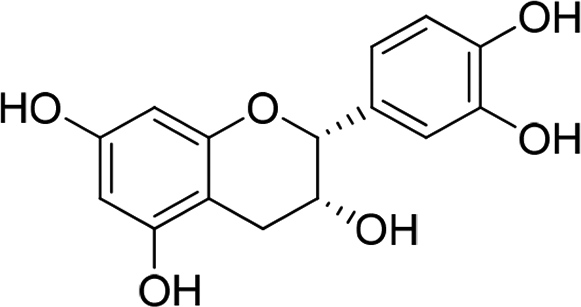
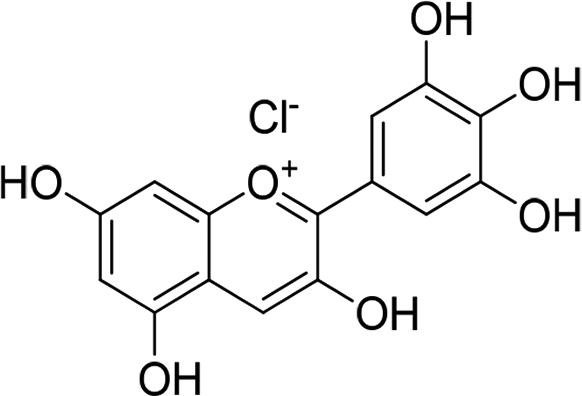
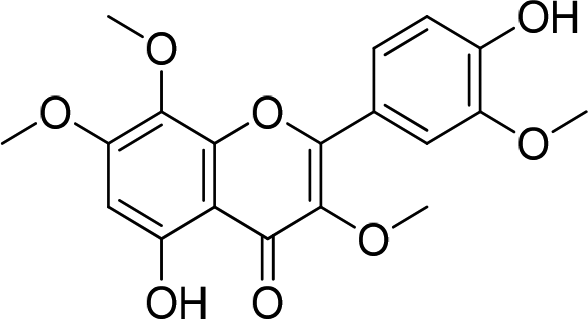
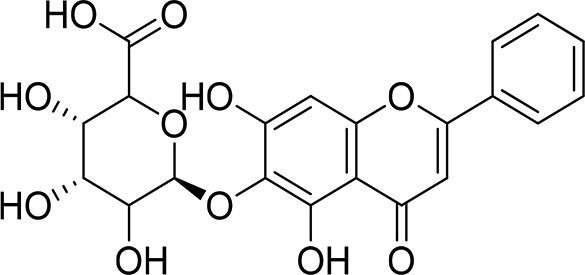
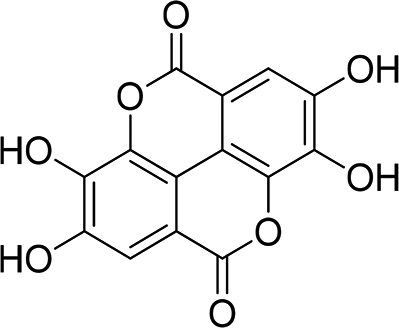
After interpreting the docking results, based on the interactions and docking score, four potent compounds were selected for the MD studies. The 3D interactions of selected 4 compounds (Quercetin-3-rutinoside, Ellagic acid, Quercitin-3-7-glucoside, Baicalein-3-7-glucuronide) with both 5DXT and 5GPG PDB are shown in Figure 4. Among the four potent compounds, Quercetin-3-rutinoside showed a good docking score of −15.849 kcal/mol against 5DXT and Quercetin-3,7-glucoside showed −18.892 kcal/mol against 5GPG.
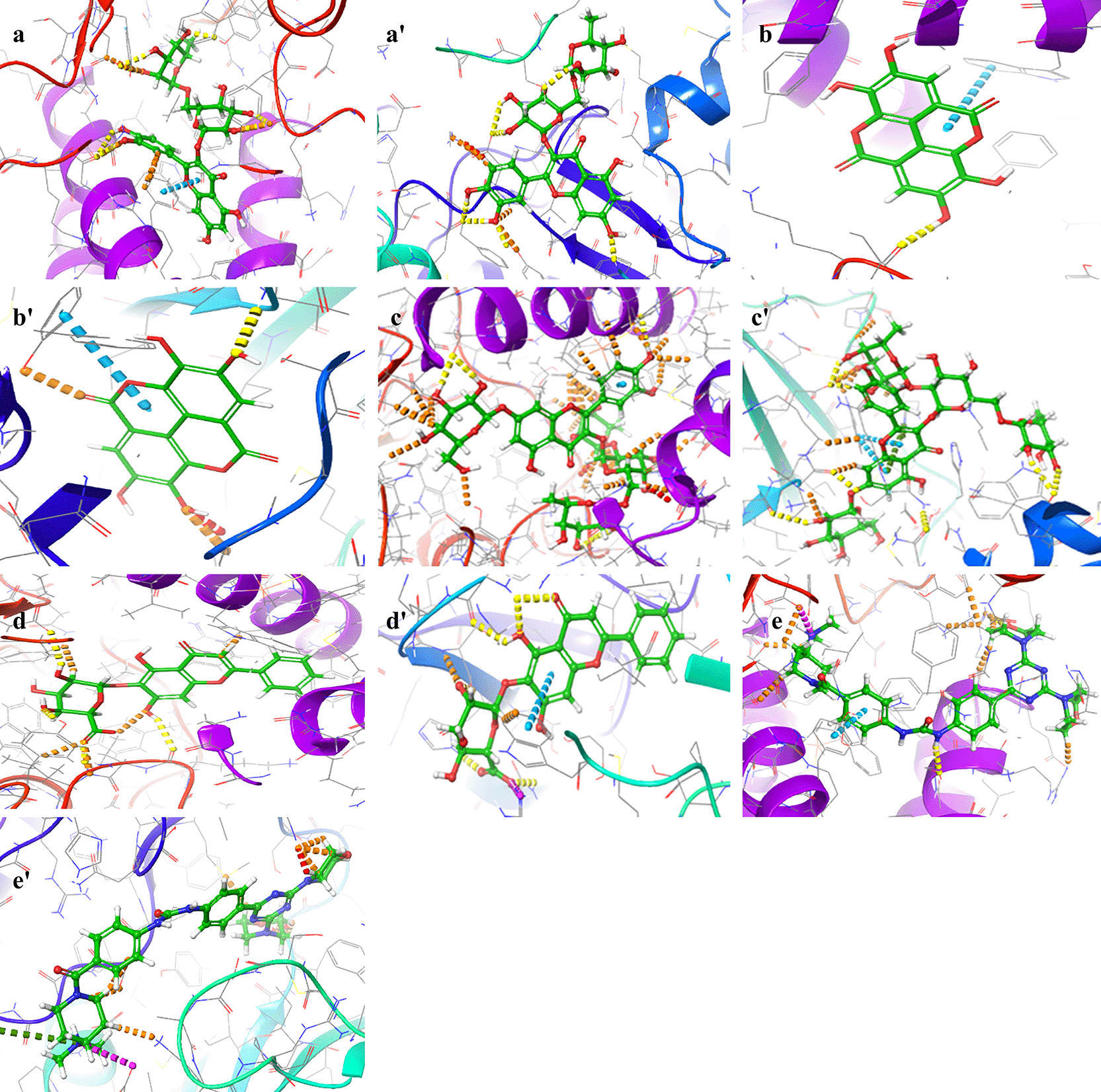
Based on the interactions and docking scores, four potent compounds were selected and used for molecular dynamics studies. Table 4 presents the docking scores and interactions of the four selected compounds.
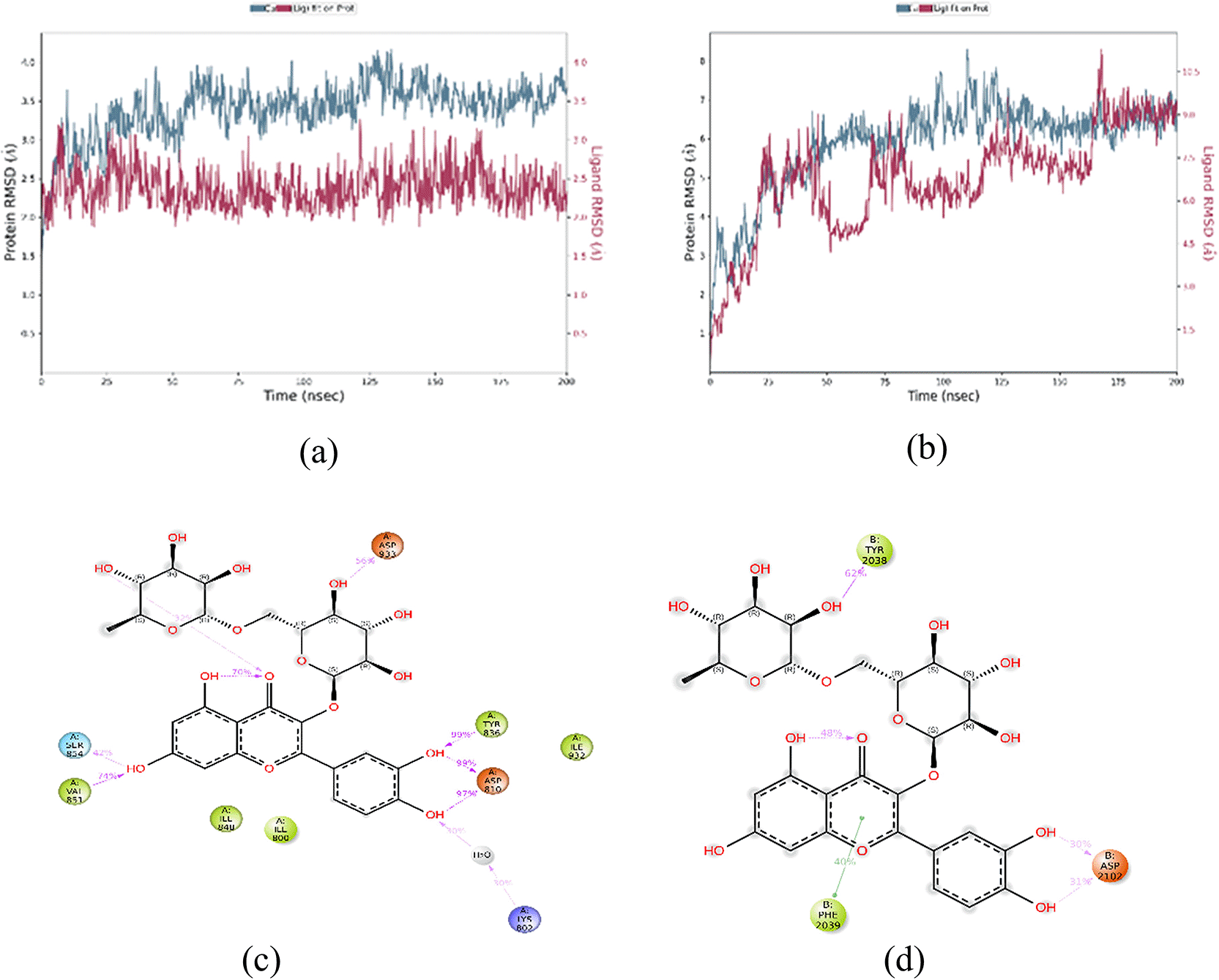
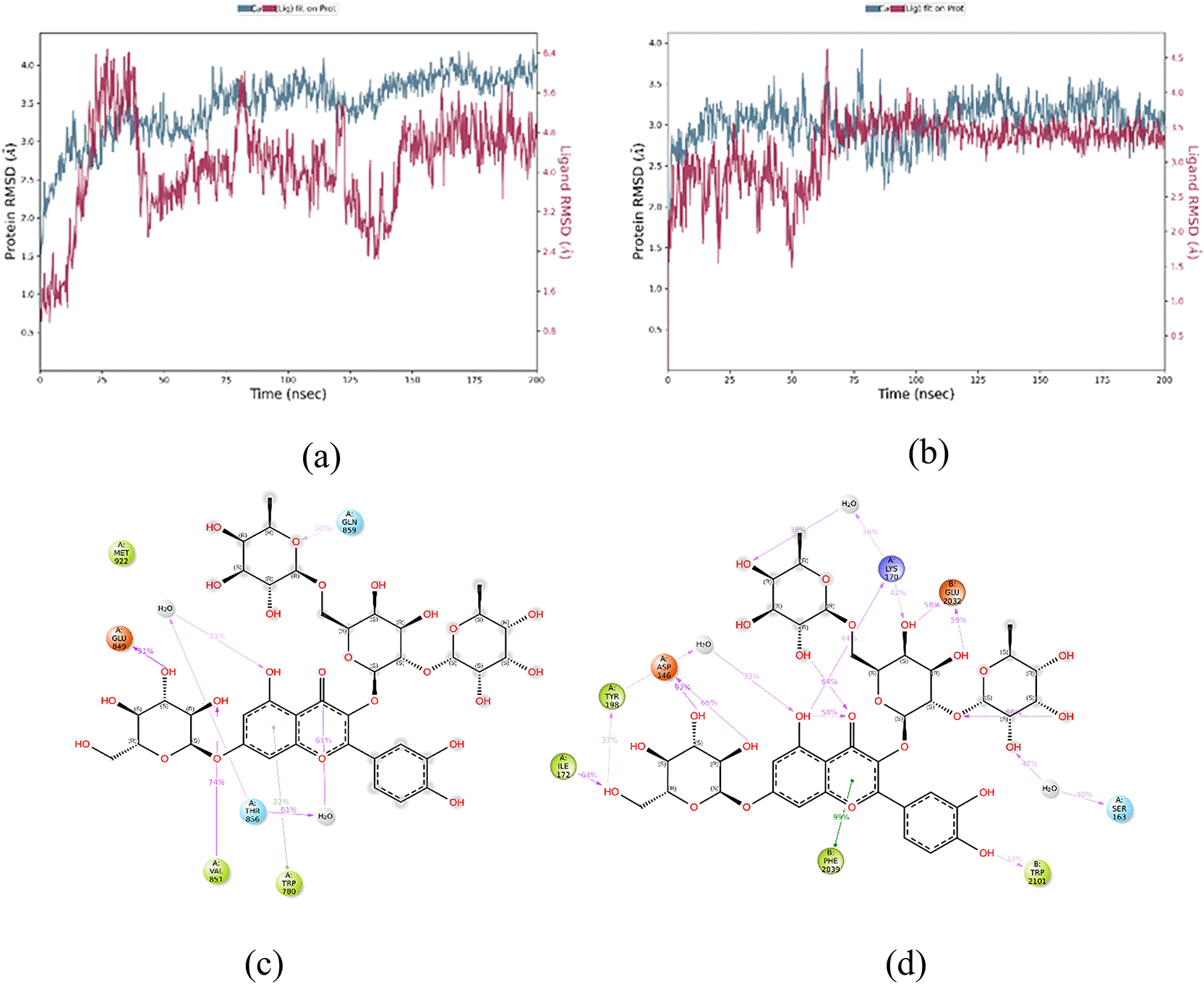
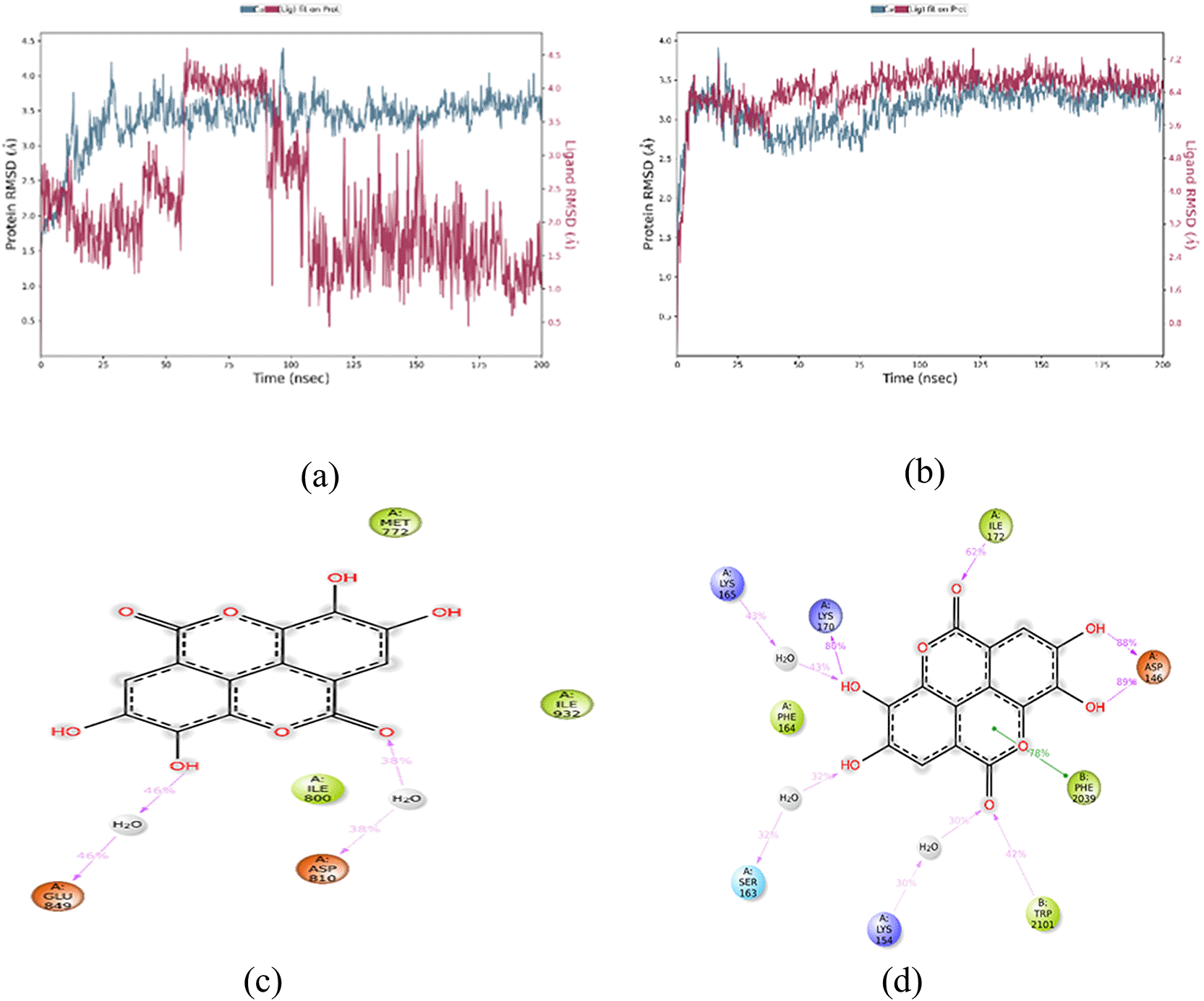
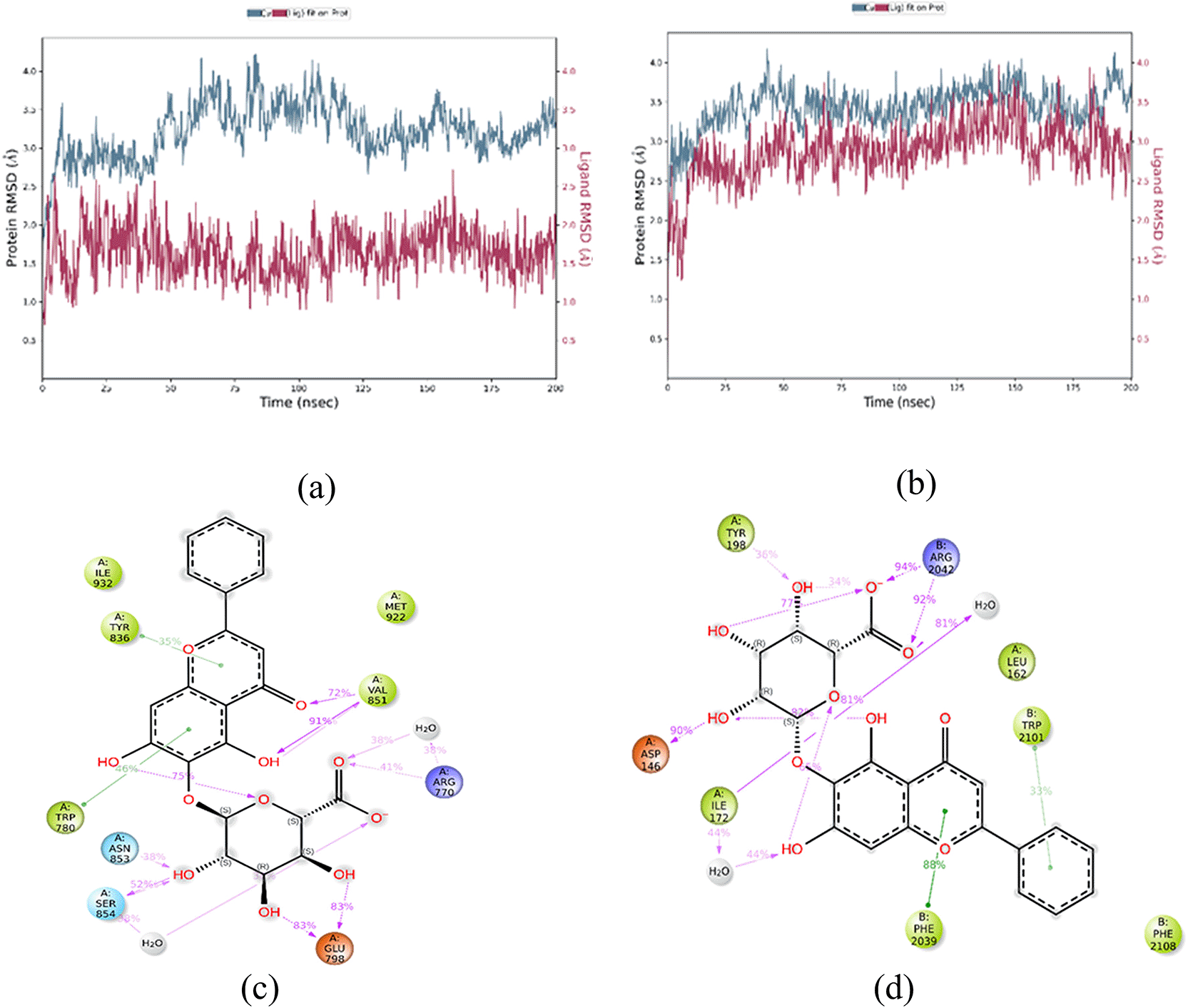
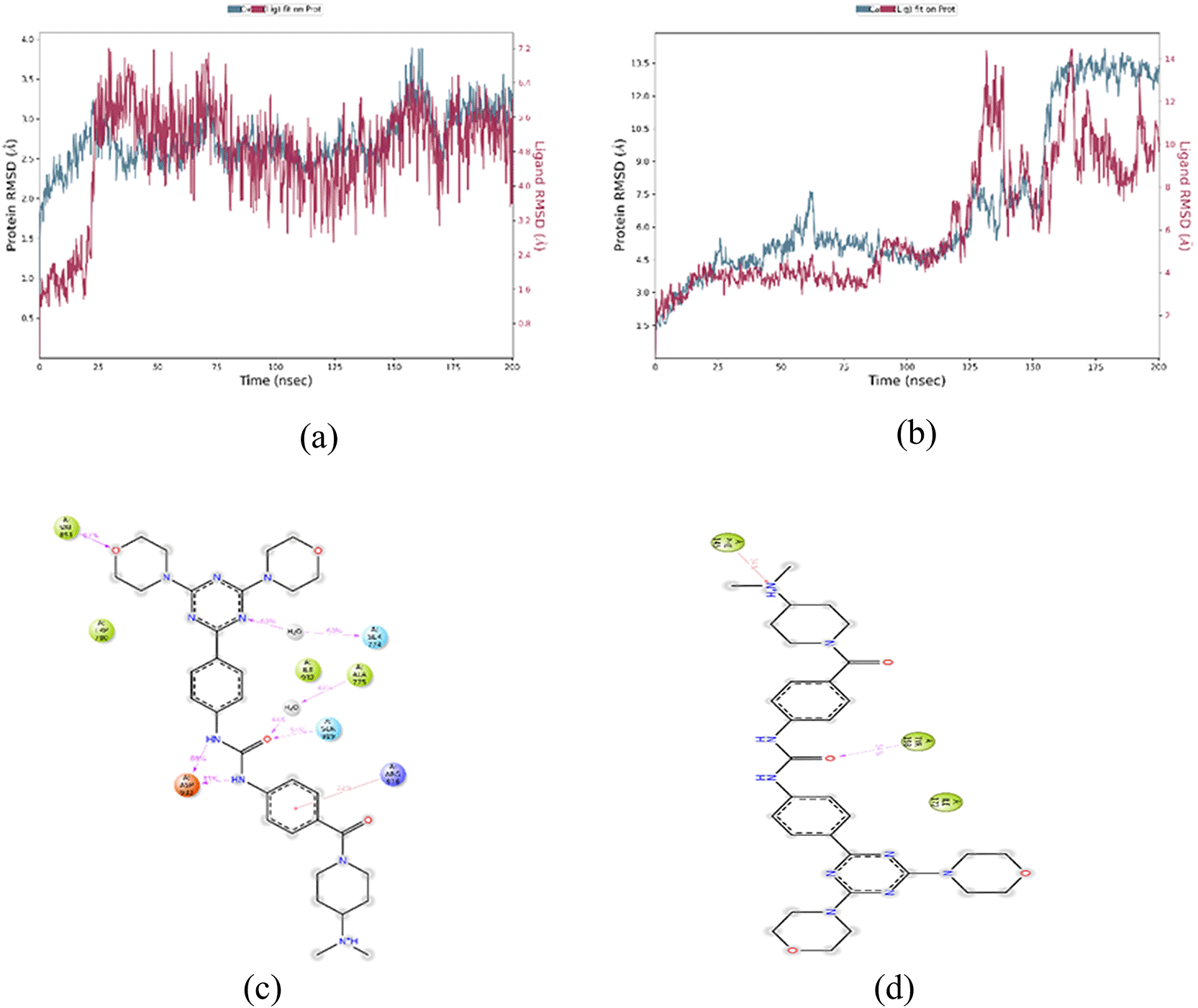
By performing molecular dynamics simulation studies, we can observe the changes in the structure and parts of the structure over time. Figure 5-8 represents the MD results of all four potent compounds with both PI3K and mTOR PDB, and Figure 9 shows the MD results of gedatolisib. Each MD result contains the Root Mean Square Deviation (RMSD) graph, protein-ligand contact 2D diagram, and protein-ligand interaction histogram.
Toxicity studies were performed using the QikProp tool in Schrödinger, and the results are listed in Table 5. Based on the rule of five, the compounds are classified as shown by the number of violations (such as molecular weight more than 500) are seen in them.
| Compound | MW | Donor HB | Acceptor HB | SASA | QPlogPo/w | QPlogBB | QPlogS | %human oral absorption | Obeyed rule of five |
|---|---|---|---|---|---|---|---|---|---|
| Epicatechin | 290.272 | 2 | 2 | 495.637 | 1.393 | −1.879 | −3.678 | 58.492 | No |
| Delphinidin chloride | 338.701 | 2 | 1.5 | 490.289 | 1.309 | −2.359 | −3.486 | 51.222 | No |
| Ternatin | 374.346 | 1 | 6 | 595.168 | 2.909 | −0.927 | −3.983 | 94.396 | Yes |
| Myricetin | 318.239 | 1 | 3.5 | 485.767 | 0.584 | −2.473 | −2.932 | 46.038 | No |
| Quercetin | 302.24 | 1 | 3.75 | 455.795 | 0.409 | −2.074 | −2.498 | 61.013 | Yes |
| Kaempferol | 286.24 | 1 | 4 | 427.511 | 0.41 | −1.502 | −2.107 | 67.543 | Yes |
| Apigenin | 270.241 | 1 | 4.25 | 376.34 | 0.095 | −1.077 | −1.362 | 69.072 | Yes |
| Luteolin | 286.24 | 1 | 4 | 385.296 | 0.017 | −1.473 | −1.409 | 62.092 | Yes |
| Baicalein | 270.241 | 1 | 3 | 389.463 | 0.537 | −1.167 | −1.907 | 71.076 | Yes |
| Baicalein-6-glucuronide | 446.367 | 4 | 11.25 | 512.604 | −1.783 | −2.064 | −2.496 | 17.248 | No |
| Quercetin-3,7-glucoside | 918.809 | 14 | 35.850 | 1157.591 | −5.571 | −7.564 | −1.273 | 0.000 | No |
| Quercetin-3-O-Rhamnoside | - | - | - | - | - | - | - | - | - |
| Quercetin-3-Rutinoside18 | 611 | 10 | 16 | 240.90 | −1.69 | −1.90 | −2.89 | 23.45 | No |
| Gallic acid | 170.121 | 1 | 2 | 268.398 | −0.545 | −1.177 | 0.052 | 60.041 | Yes |
| Syringic acid | 198.175 | 2 | 3.5 | 391.551 | 0.453 | −0.66 | −1.939 | 67.833 | No |
| 2-hydroxycinnamic acid | 164.16 | 2 | 2.25 | 347.293 | 0.284 | −0.74 | −1.407 | 77.558 | Yes |
| Protocatechuic acid | 154.122 | 1 | 2.25 | 259.441 | −0.453 | −0.826 | 0.068 | 67.101 | Yes |
| 2,4-dihydroxy benzoic acid | 154.122 | 1 | 2.25 | 258.553 | −0.387 | −0.745 | 0.081 | 69.485 | Yes |
| p-Coumaric acid | 164.16 | 2 | 2.25 | 292.216 | −0.125 | −0.645 | −0.536 | 73.312 | Yes |
| Caffeic acid | 180.16 | 3 | 3 | 301.155 | −0.667 | −1.01 | −0.385 | 63.614 | Yes |
| Ferulic acid | 194.187 | 2 | 2.25 | 318.714 | 0.184 | −0.648 | −0.948 | 75.686 | Yes |
| Procyanidin A218 | 576.51 | 9 | 12 | 236.26 | 2.79 | −1.77 | −2.89 | 69.46 | No |
| Delphindin-3-O-glucoside | 465.39 | 9 | 11 | 184.53 | 0.088 | −2.16 | −2.89 | 32.50 | No |
| Ellagic acid | 302.197 | 0 | 6 | 349.905 | −1.811 | −1.673 | 0.945 | 43.621 | Yes |
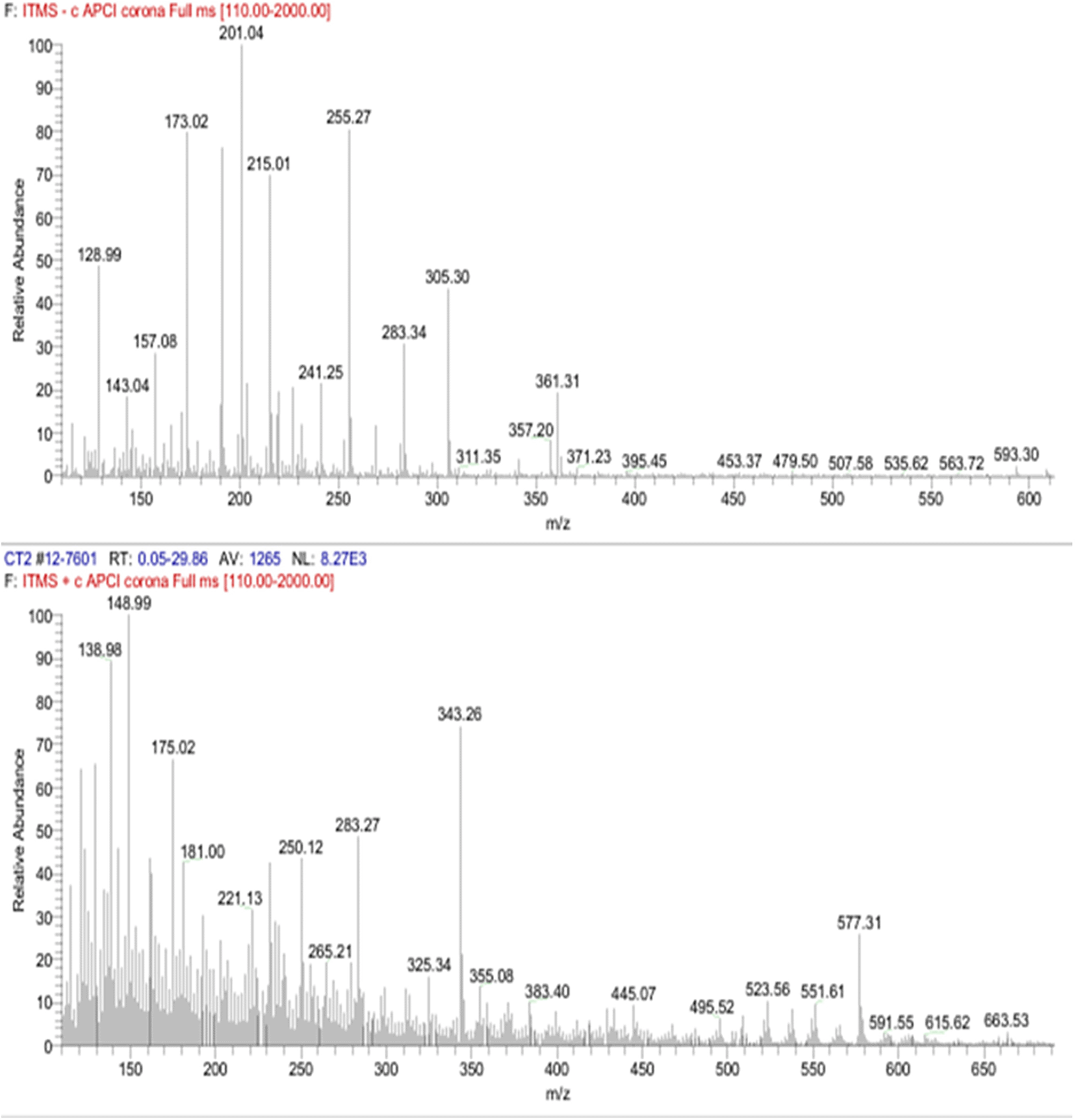
Liquid Chromatography-Mass Spectrometry was used to analyze the components present in the prepared CT samples. Figure 10 shows the LC-MS spectra of the prepared extracts. Plant parts are often used as phytochemicals. In LCMS, the LC component separates the physicochemical components of the sample, whereas MS analyzes the mass of the component present in the sample. Figure 10 shows that certain components that are reported to be present in the sample such as Baicalein-6-glucuronide can be seen in the spectra. We restricted our study to CT flowers, but, as reported earlier, other parts of the plant, such as leaves and roots, also have medicinal importance. Other medically important phytochemicals may be present in different parts of the plant, which will be explored in the future.
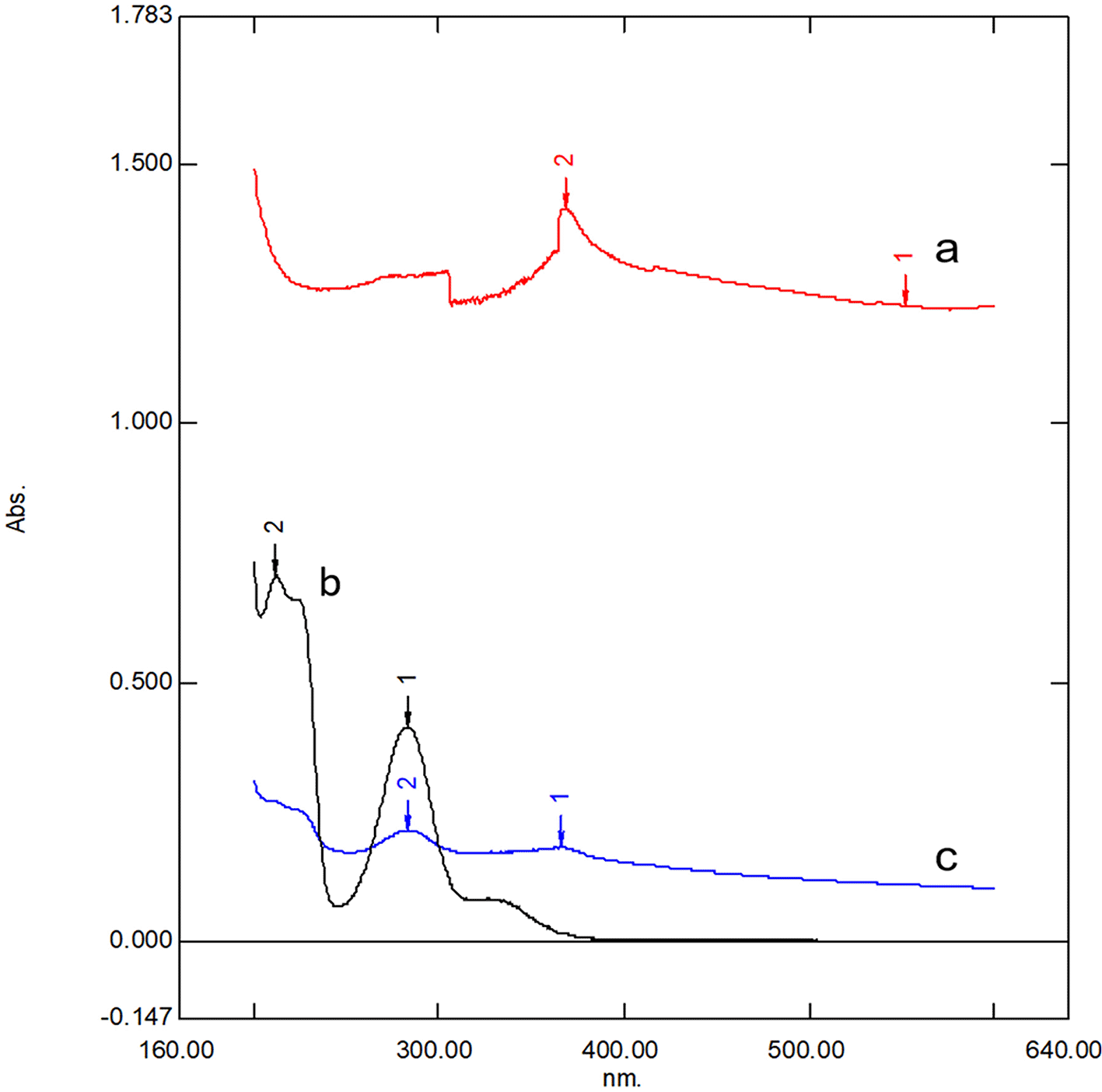
The absorbance maxima of the naringin and Clitoria ternatea flower extracts were observed at 540 nm. The UV spectrum of NRG-coated ZnO nanoparticles in water is shown in Figure 11. The spectrum revealed a peak at 360 nm, which is the characteristic peak of ZnO nanoparticles ( Figure 11).
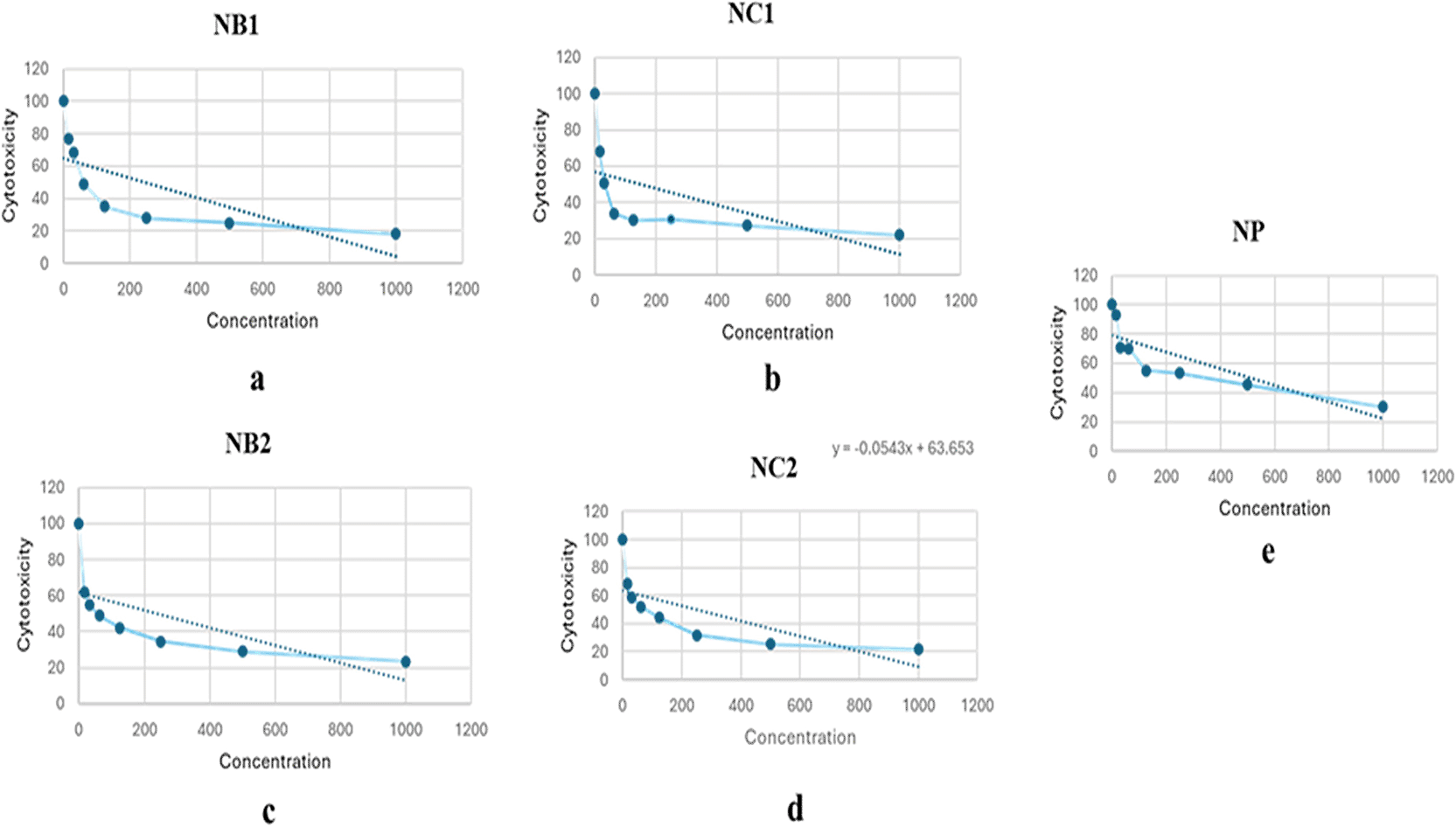
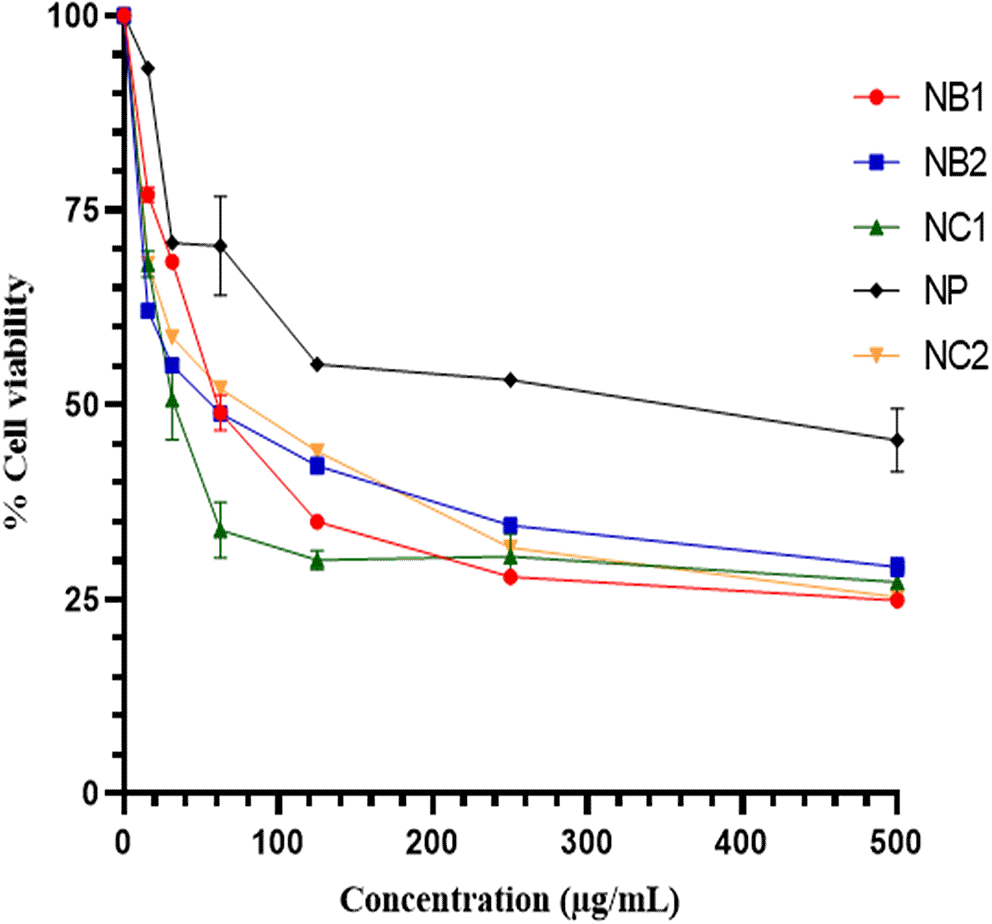
The data obtained after the MTT assay were analyzed to evaluate the cytotoxicity of the developed formulations. Based on these values, five graphs were plotted, and the IC 50 values were calculated. Figure 12 shows the graphs obtained after MTT analysis. In all five graphs, concentrations were taken along the X-axis and the average cell count was plotted against the Y-axis. From the five graphs, we can see that there is a significant decrease in the cell count with an increase in the concentration of the formulation. This decrease in cell count indicates cell death due to the formulation being treated. Based on this, IC50 values were calculated and are listed in table 6. From this study, we can conclude that both the formulation and blank showed significant cytotoxicity, paving the way for further in-vitro and in-vivo studies to use this formulation against ovarian cancer. Figure 13 illustrates the concentration-dependent cytotoxicity profile obtained from the MTT assay, where the percentage cell viability was plotted against concentration. Among the prepared formulations, NC1 demonstrated a marked reduction in cell viability with increasing concentrations.
When compared with the standard inhibitor gedatolisib ( Tables 2 and 3), the docking scores of the compounds identified from Clitoria ternatea (CT) flowers exhibited more negative values, indicating stronger binding affinity and potentially higher potency. All four selected compounds (Quercetin-3-rutinoside, Ellagic acid, Quercitin-3-7-glucoside, Baicalein-3-7-glucuronide) demonstrated favorable interactions with the key amino acid residues of the target proteins.
The root mean square deviation (RMSD) is a quantitative measure used to evaluate structural deviations of a protein–ligand complex with respect to a reference structure over the simulation time. RMSD plots provide insights into protein stability and equilibration, where a plateau in the curve indicates the attainment of equilibrium. Upon comparison of the RMSD profiles, the complexes of quercetin-3-rutinoside with 5GPG and 5DXT reached equilibrium toward the end of the simulation period, as depicted in Figure 5. The RMSD plots of ellagic acid with 5GPG and baicalein-6-glucuronide with 5GPG Figures 7 and 8 showed similar behavior, with equilibrium attained at the initial stages and maintained throughout the 200 ns simulation. In contrast, the quercetin-3,7-glucoside with 5GPG complex achieved equilibrium after 75 ns and remained stable until the end of the simulation, as shown in Figure 6.
RMSD, along with docking scores and retention of crucial interactions, is an important criterion for selecting potent lead molecules. Histogram analysis confirmed that key interactions were consistently retained throughout the molecular dynamics (MD) simulations for both PI3K and mTOR proteins ( Figures 5 and 6), with all four compounds exhibiting conserved interactions. Notably, ellagic acid also demonstrates essential interactions with PI3K.
Among the eight MD simulations performed, quercetin-3-rutinoside and quercetin-3,7-glucoside emerged as the most promising candidates ( Figures 5 and 6. Both compounds exhibited stable binding and conformational integrity throughout the 200 ns MD simulations. Additionally, MD simulations were conducted for the standard compound gedatolisib ( Figure 9), and comparative analysis revealed that CT-derived flavonoids displayed superior stability relative to gedatolisib.
The ADME profiles of the selected 24 compounds are summarized in Table 5. Several compounds complied with Lipinski’s rule of five; however, they did not consistently exhibit the crucial molecular interactions observed for some compounds that violated the rule. Notably, quercetin-3-rutinoside and quercetin-3,7-glucoside demonstrated superior docking and MD performance, despite violating Lipinski’s criteria. Because Lipinski’s rule primarily applies to small molecules with molecular weights below 500 Da, it may not fully encompass the drug-likeness of natural products. Importantly, the core scaffold of both compounds was quercetin, which satisfied Lipinski’s rule. Therefore, considering their strong binding affinity and stable interactions, these compounds are promising candidates for further experimental validation, including enzyme inhibition and cell-based assays.31
From Table 6 it is observed that the formulation NC1 showed an IC50 value of 144 ± 2.43 μg/mL and NC2 was 251.4 ± 3.00 μg/Ml. Among the four naringin-coated ZnO formulations prepared using CT flower extracts (NB1, NC1, NB2, and NC2), NC1 exhibited enhanced cytotoxic activity, achieving lower cell viability at reduced concentrations. Although all formulations showed comparable cell viability at the highest concentration (500 μg/mL), NC1 showed the lowest viability at lower doses, indicating improved efficacy. The synergistic effect of naringin and CT extracts in the NC1 formulation resulted in a significant decrease in cell viability, with a lower IC50 value of 144 ± 2.43 μg/mL. Therefore, from this study, we can conclude that among the two prepared formulations, NC1 showed better cytotoxicity; however, there is scope for further superior IC50 values using different sets of formulations with CT flower extract. In the future, different concentrations of CT flower extract can be used to prepare formulations to obtain better cytotoxicity and IC50 values.
Natural compounds are part of the human world. In recent years, several studies have focused on the chemistry of natural products. In our study, using the reported compounds that are present in Clitoria ternatea flowers, we found that there are four potent compounds that strongly inhibit both PI3K and mTOR proteins. Furthermore, after the docking and MD studies, we found that of the four compounds, Quercetin-3-rutinoside and Quercetin-3,7-glucoside were quite stable throughout the MD and had all the crucial interactions. To enhance efficacy, we developed a nanoformulation incorporating naringin, which is reported to be effective against ovarian cancer. Naringin-coated zinc oxide nanoparticles were prepared using Clitoria ternatea flower extract. The formulation was evaluated for cytotoxicity in the SKOV3 ovarian cancer cell line. The MTT assay for cytotoxicity revealed that the naringin-coated ZnO nanoparticle formulations caused cancer cell death. The results of this study demonstrate the potential of the natural compounds present in Clitoria ternatea flowers to inhibit the growth of ovarian cancer cells SKOV3. These findings are also supported by in silico studies, wherein it is evident that the compounds present in the CT flower can inhibit the PI3K/mTOR pathway in ovarian cancer. From this study, it can be concluded that Clitoria ternatea flowers can be used to prepare different sets of formulations with varied concentrations to further validate the findings against ovarian cancer. Due to current limitations, in vivo experiments involving different animal models were not included in this study but are intended to be explored in future research.
OC | Ovarian Cancer |
PI3K | Phosphoinositide 3-Kinase |
mTOR | Mammalian Target of Rapamycin |
CT | Clitoria Ternatea |
MD | Molecular Dynamics |
PDB | Protein Data Bank |
| Views | Downloads | |
|---|---|---|
| F1000Research | - | - |
|
PubMed Central
Data from PMC are received and updated monthly.
|
- | - |
Provide sufficient details of any financial or non-financial competing interests to enable users to assess whether your comments might lead a reasonable person to question your impartiality. Consider the following examples, but note that this is not an exhaustive list:
Sign up for content alerts and receive a weekly or monthly email with all newly published articles
Already registered? Sign in
The email address should be the one you originally registered with F1000.
You registered with F1000 via Google, so we cannot reset your password.
To sign in, please click here.
If you still need help with your Google account password, please click here.
You registered with F1000 via Facebook, so we cannot reset your password.
To sign in, please click here.
If you still need help with your Facebook account password, please click here.
If your email address is registered with us, we will email you instructions to reset your password.
If you think you should have received this email but it has not arrived, please check your spam filters and/or contact for further assistance.

Comments on this article Comments (0)