Keywords
Service quality, Customer satisfaction, PLS SEM, Process quality

This article is included in the Manipal Academy of Higher Education gateway.
Service quality, Customer satisfaction, PLS SEM, Process quality
Service quality in the construction sector is multifaceted, involving a blend of technical competence, timeliness, clear communication, reliability, and a proactive approach to meeting client expectations. It also refers to the ability of construction-related firms—such as contractors, consultants, and project managers—to meet or exceed stakeholders’ expectations across multiple performance dimensions (Giao et al., 2021). Companies that excel in these areas typically enjoy higher customer satisfaction, repeat business, and a stronger reputation in the industry. Customer satisfaction and service quality are inextricably intertwined in the construction industry, but the relationship is complicated since construction is a multi-stakeholder, project-based process with dynamic variables that affect results at every stage. Unlike industries with standardized, repeatable services, construction involves unique, one-off projects with evolving parameters, making consistent Service quality evaluation challenging (Fischgrund et al., 2014; Dosumu & Aigbavboa, 2019).
The application of Service quality theory, especially models like SERVQUAL, faces several notable shortcomings in effectively capturing attitudinal and performance dimensions that influence customer satisfaction (Fischgrund et al., 2014; Sunindijo et al., 2014; Ngowtanasuwan, 2020). Customers value both the final product and the Process quality used to deliver it, which makes Service quality a significant challenge, according to Zulu & Chileshe, (2010). This is critical in construction because the customer’s judgment extends to the entire Process quality phase, not just the completed building. Continuous improvement is a vital mechanism for linking Service quality to customer satisfaction (Kim & Kim, 2020).
This study introduces the impact of service quality on process quality and customer satisfaction and thereby improving project performance and repute of the organisation. The proposed research objectives include:
Service quality is seen as a key component towards customer satisfaction in recent times according to several studies especially in the field of healthcare, banking, logistics, hotel and airline industry (Novokreshchenova et al., 2016; Heinonen & Strandvik, 2015; Brocato et al., 2012). According to Shanka (2012), consumer satisfaction in the banking industry was positively impacted by service quality. However, there is a limited study specific to construction projects due to its complexity and multiple stakeholders involved in executing the same (Pheng and Teo, 2004). Landy et al., (2020) explored on how service quality dimensions could be incorporated in the construction industry towards customer satisfaction and construction quality. The findings showed that success factors appear to be closely linked with project management, communication abilities, and professional expertise, as well as with the quality, design, aesthetics, and innovation of the final product—factors that have recently become increasingly significant.
Several studies have highlighted that customer satisfaction enhances a company’s competitiveness in the market, helps expand its market share, and promotes long-term customer loyalty (Marzouk & Hamdala, 2025). The study has demonstrated that client satisfaction plays a vital role in profitability and sustained business success (Preko et al., 2014). Satisfied and loyal customers contribute significantly to a company’s long-term growth (Yang et al., 2019). Additionally, Anderson et al. (1994) found that improving customer satisfaction lowers future transaction costs and strengthens the organization’s reputation. Customer satisfaction is widely recognized as one of the key criteria for assessing project success (Altuwaim et al., 2025).
In the manufacturing industry, process quality is clearly defined as a collection of integrated business operations that cover every activity from the procurement of raw materials to the delivery of finished goods to customers (Beamon & Ware, 1998). Gumusburun & Arslan., (2025) examined how poor process quality in the construction projects can lead to rework eventually effecting the cost aspects. The construction industry in developing countries faces persistent shortages of skilled labour, resulting in low process quality and significant project performance issues. These challenges include frequent manufacturing defects, time and cost overruns, as well as a high incidence of waste, rework, and customer dissatisfaction (Reinaldo et al., 2021). Also, Boniface et al., (2024) investigated that process quality significantly impacts the cost and project quality. So, there is a need to integrate and evaluate the three key parameters—process quality, service quality and customer satisfaction—and examine their interrelationships to enhance overall project success rates.
This study investigates the interrelationship between process quality, customer satisfaction, and service quality. It focuses mainly on residential projects in Karnataka; there are various challenges confronted to successfully complete a project within the resources available and thereby satisfy the customer requirements. To initiate this study various models have been assessed specific to construction projects. The gap model especially describes on how customer starts to fulfil the standards of the experiences in the past, communication and needs of the individuals (Parasuraman et al., 1985). The supplier then carries out the service in accordance with a defined protocol and after completion gives the customer a sense of a positive or negative feeling. Across this basis, the perceived quality of service is defined as a discrepancy between the finished quality and the anticipated quality of service at the beginning (Zulu & Chileshe, 2010; Parasuraman et al., 1988; Forsythe, 2008).
The theoretical gap model for residential construction customers was developed to illustrate the service quality assessments. The model extends the original framework proposed by Parasuraman et al. (1985) by incorporating additional dimensions relevant to the construction industry, such as aesthetics, technical performance, and design detailing executed by on-site workers. Also, the Venn diagram according to Fischgrund et al. (2014) explains different interrelationships between construction parties which also plays a vital role in improving service quality. This describes also that there will be multiple service encounters in construction process since various phases are involved. This establishes the process quality which is important in construction sectors (Forsythe, 2008).
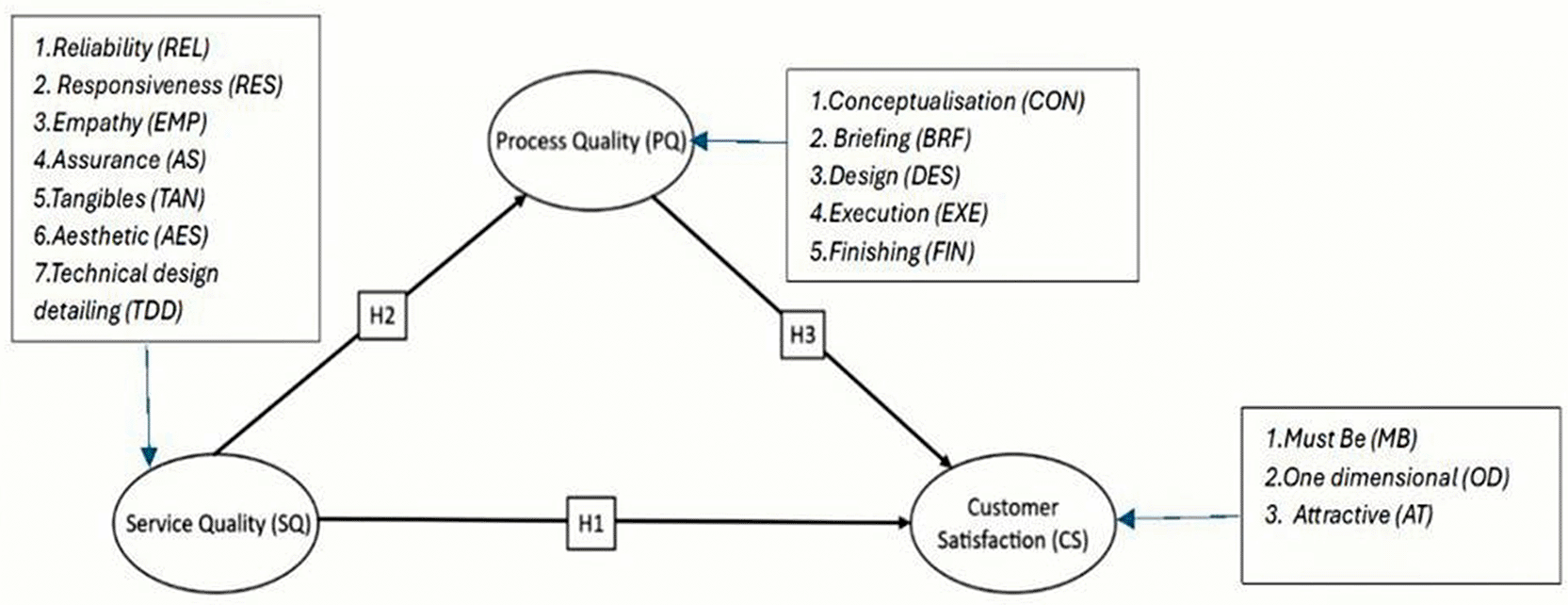
Fischgrund et al., (2014) also explains about the magnitude and the complexity that needs to be addressed to effectively implement service quality in construction sectors where parties like consultants, contractors, architects and the construction company play an important role in achieving customer satisfaction. Furthermore, Sunindijo et al. (2014) examined the connection between customer attitude, service quality, and customer satisfaction. He makes it very evident that once consumer happiness is attained, behavioral goals follow. Forsythe.,(2008) made a research on understanding the Garvin’s typology of quality model which has three main functionalities such as product quality in which the use of measurements, requirements and tolerances makes this approach more apparent throughout the construction activity, Manufacturing quality which helped in building the construct for establishing the process quality which is important tool in achieving customer satisfaction which is the user quality. Process quality refers to the degree which establish effective, repeatable and productive processes of development. However, in the construction engineering domain it relates to the different construction phases also termed as process quality achieved successfully which includes planning, briefing, design, execution and finishing. Also, Dosumu & Aigbavboa., (2019) discussed on construction projects having many stages such as planning, briefing, design creation and analysis, procurement, etc. The outcomes of the final project will be seriously affected by the failure of any parties listed above. In addition, the quality of service of construction consultants at any point of the project is critical for the overall quality. Customer satisfaction in construction industry is measured by three attributes namely Must Be, One dimensional and attractive (Kano et al., 1984; Forsythe, 2016; Dace et al., 2020).
Several concepts pertaining to the impact of service quality on process quality and customer satisfaction were examined in the literature review. Consequently, a conceptual framework ( Figure 1) has been developed to depict the constructs and subconstructs associated with these factors.
3.2.1. Service Quality (SQ) and Customer Satisfaction (CS)
Amat et al. (2020) identified that service quality significantly impacts overall business efficiency, customer satisfaction, loyalty, and profitability, highlighting its broad organizational benefits. Nguyen et al. (2020) reported that service quality in the field of logistics positively influences client satisfaction, pointing to the importance of tailored service in supply chain contexts. Forsythe (2016) investigated the relationship between service quality and client satisfaction in service-oriented domains, observing a reducing influence close to the conclusion of construction projects, which reflects the intricacy of service delivery in that industry. Sunindijo et al. (2014) identified service quality as a important factor affecting customer loyalty and behavioural intentions, which are crucial for sustained business success. Lusch (2011) linked service quality to the services sector’s increasing dominance in satisfying client demands and successful marketing tactics. Although numerous studies have examined sectors such as banking, airlines, and logistics, very few have focused specifically on the construction sector, particularly housing projects.
Hence, the following main hypotheses has been formulated:
Service quality has a significant influence on customer satisfaction.
3.2.2. Service Quality (SQ) and Process Quality (PQ)
Ngowtanasuwan (2020) emphasized that the standard of service in construction industry depends on the project owner’s perception of processes, particularly regarding interactions and activities. Tuzkaya et al. (2019) evaluated service quality in the healthcare sector, providing detailed insights into the impact of various criteria and creating opportunities to implement processes that address service quality issues. Similarly, Forsythe (2008) found that when service quality surpasses expectations, it influences multiple stages of the construction quality and significantly affects customer satisfaction. Al-momani (2000) developed a service quality gap analysis to identify strengths and weaknesses within the building process. However, there were lack of studies found in the context of housing projects with respect to service quality influence on process quality with an evaluation made based on various construction phases.
As a result, the following hypotheses has been developed:
Service quality has a significant influence on process quality.
3.2.3. Process Quality (PQ) and Customer Satisfaction (CS)
Jang et al. (2003) highlighted operational efficiency’s role at each process stage in contributing to overall customer satisfaction, showing that efficient operations improve perceptions of service quality and client satisfaction. Fischgrund et al. (2014) analysed how proactive schedule scrutiny and timely adjustments can ensure smoother project processes, reduce delays and enhance customer satisfaction in construction. Shokouhyar et al. (2020) demonstrated that different quality elements of after-sales services significantly influence customers. This can help businesses allocate resources more effectively by focusing on key service quality factors in after-sales support. Kärnä et al. (2004) studied customer satisfaction in construction and found that the ability of personnel and contractors to cooperate, manage changes, and communicate effectively are major drivers of customer satisfaction in construction projects. Several studies have demonstrated that operational efficiency and manpower productivity influence customer satisfaction. Nevertheless, limited study has been done on how process quality affects consumer satisfaction in the housing industry.
Hence, the following main hypotheses has been formulated:
Process quality has a significant influence on customer satisfaction.
This part addresses the approach of the research that includes sampling design, instruments used, data type of approach, sampling methods and analysis used.
This research incorporated snowball sampling method, which is often used in secret populations that is difficult to access by researchers (Sharma, 2017). This is also suitable when it is difficult to reach the population of interest and it is difficult for the researcher to compile a sample list (Etikan et al., 2016). The population included respondents who have recently constructed independent housing project across Karnataka.
The instrument used here is a Questionnaire survey as it involves large number of quantitative data and respondents in construction of residential projects. The participant consent was obtained before participation in the survey. Pilot study was done to validate the instrument. About 41 questions were framed related to the conceptual framework and the content was validated using Content validation scores across Six experts representing both academics and industry. Cross sectional study was preferred since it has many variables to be assessed at a point in time by the respondents. Cross-sectional study is suitable for this approach as construction process has both cause (independent) and effect (dependent) variables (Rindfleisch et al., 2008). Cohen’s method for calculating sample size uses approximation, and the resulting sample size may differ from the exact method (Charan & Biswas, 2013). According to Cohen’s formula for an unknown population, keeping the confidence interval at 95% with the z-score for the same being 1.96, and assuming the standard deviation (σ =0.4), acceptable sampling error as can be taken between 4% to 8%, however recommended is 5% the sample size was found to be 245 (theoretical). However, a sample size of 287 respondents was taken into consideration during the data collection process.
As suggested by similar research, the expert panel consisted of six people, three from academia and three from business, and the questionnaire was created using previously recognized constructs (Polit et al., 2007; Polit & Beck, 2006). Content validity was validated using either face-to-face or virtual approaches. An expert panel meeting was arranged for the in-person method, and the researcher led the content assessment procedure. To speed up their examination, specialists in the virtual approach were given an online content validation form along with detailed instructions. Experts critically assessed the domain as a whole and its component parts prior to item assessment. To strengthen the relevance of items to the subject, experts were urged to submit written or verbal feedback. This feedback was utilized to modify both the domain and specific items. Following expert assessment, individual scores were assigned to each item on a four-point scale, which was subsequently recoded as relevant (1) or non-related (0). Items that achieved high content validity (I–CVI ≥ 0.83) (Yusoff, 2019) were kept, whereas those with only moderate or low agreement among experts were amended. The questionnaire was then administered to 287 respondents, ensuring a confidence interval of 95% with a 5% margin of error. SMARTPLS 4.0 was later utilized to examine the obtained data, enabling the examination of interrelationships between components.
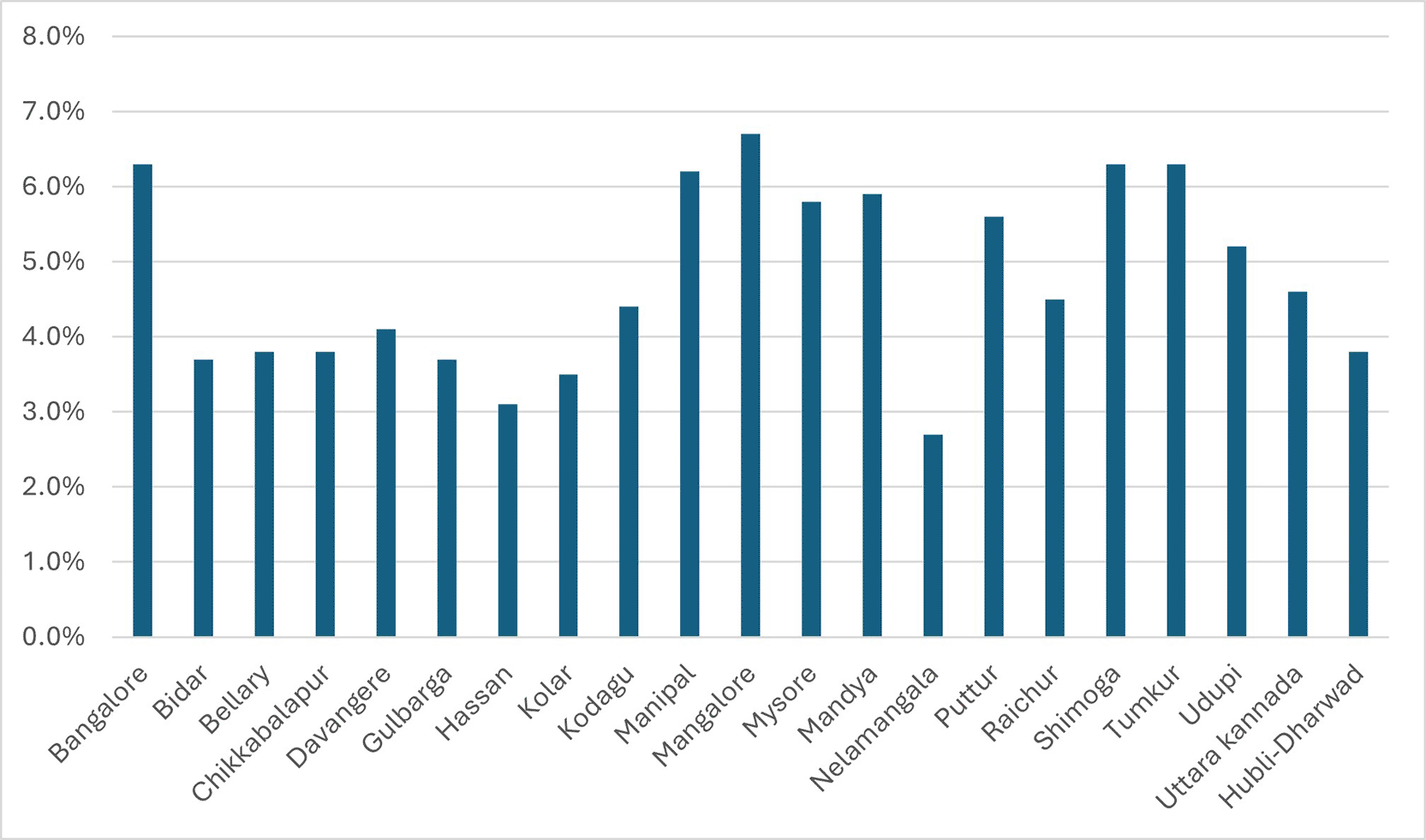
The study represented 287 respondents across Karnataka region specific to residential housing construction. The data for this study were collected between January 2024 and March 2025. A total of 305 questionnaires were distributed, and 287 valid responses—representing a 94% response rate—were received within the allotted time. The remaining surveys were either not returned or were deemed invalid. Figure 2 displays the geographic distribution of the survey responses.
Before analysing the findings, it is important to assess the reliability and validity of the measurements to make sure the data and methods are adequate. A critical stage is testing the model’s internal coherence to check that the correlations among items are sufficient for further research (Henseler et al., 2015). Cronbach’s alpha is usually a measurement that calculates the internal consistency of an evaluation instrument. According to Kamis et al. (2020), a score of 0.70 or higher is regarded as good, 0.80 or higher as better, and 0.90 or higher as the best.
About 287 people participated in the survey, which was done for the Karnataka region. The accompanying chart ( Figure 2) demonstrates the distribution of the same. The responders are the customers who have newly erected residential houses across the state of Karnataka. To further the research a seven-point Likert type scale was adopted for the study. The different constructs were then connected to the latent variable using Smart PLS to produce the route model (Gamil & Rahman, 2023). After assigning the variables, the first step is to import the data, which should ideally be saved in a CSV file before being processed by the Smart PLS. The loadings in each manifest are then ascertained using the PLS technique. The assessment criteria, which comprise the measurement model and the structural model, are the fundamental parameters that the algorithm establishes (Memon & Rahman, 2014; Nagapan, 2014). Before creating the study results, it is necessary to validate the measurements while developing PLS-SEM to make sure data and techniques are reliable. Verifying that the model’s internal consistency and item correlation are sufficient for future analysis is a vital first step (Henseler et al., 2015). ( Table 1) exhibited a strong reliability assessing the internal consistency of the measurement model and convergent validity confirmed that indicators capture the intended construct. To verify that the study’s constructs are distinct, discriminant validity is tested and evaluated using the Heterotrait-Monotrait ratio (HTMT), as seen in ( Table 2). This analyses the average correlation between indicators of diverse constructs relative to the average correlation among indicators of the same construct. According to Henseler et al. (2015), Streukens and Werelds (2016), and Hair et al. (2021) HTMT scores need to be less than 0.90 to show sufficient discriminant validity.
| Items | Cronbach’s alpha | Composite reliability (rho_a) | Composite reliability (rho_c) | Average variance extracted (AVE) |
|---|---|---|---|---|
| CS | 0.884 | 0.921 | 0.897 | 0.529 |
| PQ | 0.932 | 0.940 | 0.940 | 0.511 |
| SQ | 0.952 | 0.954 | 0.957 | 0.553 |
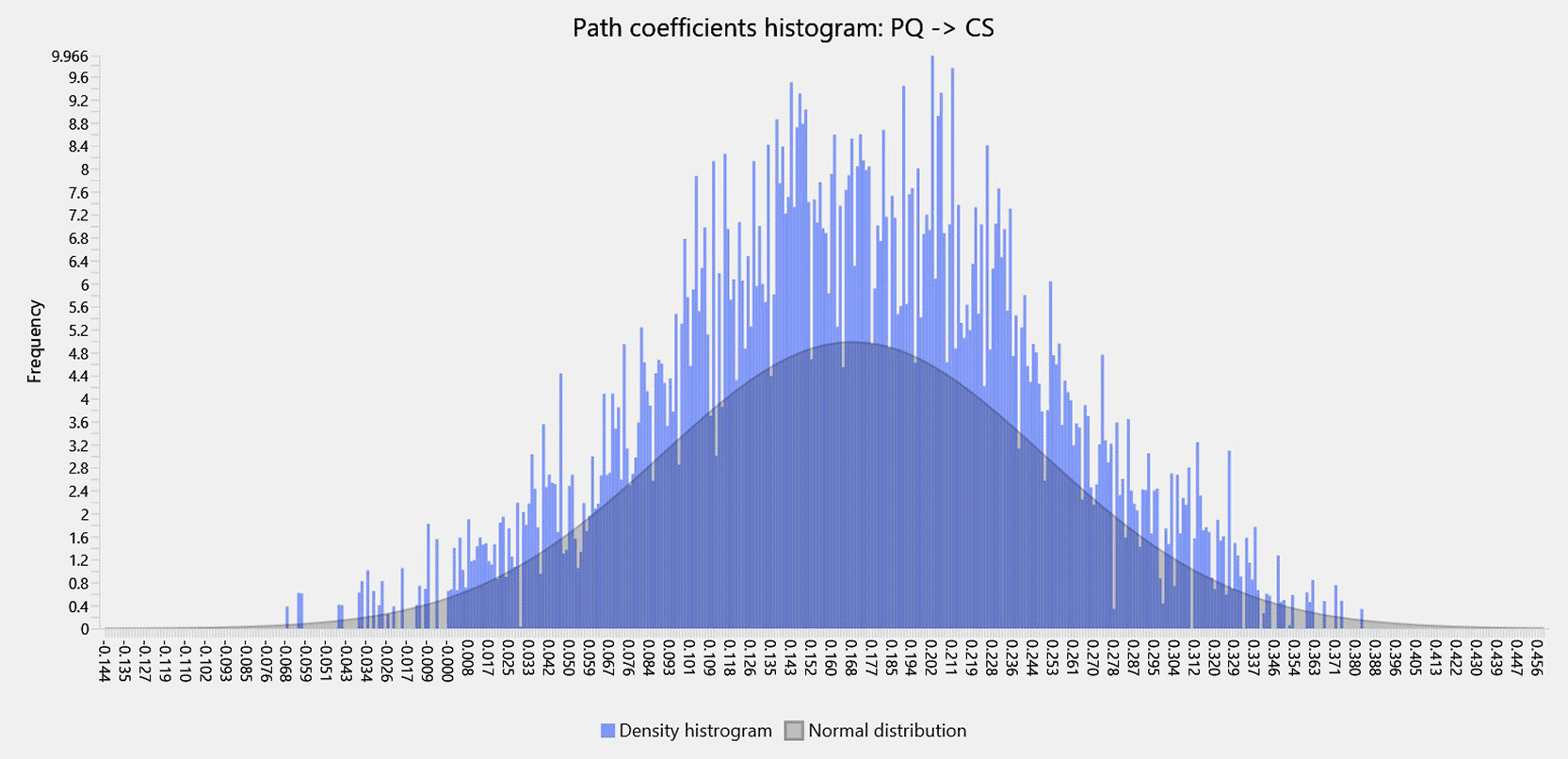
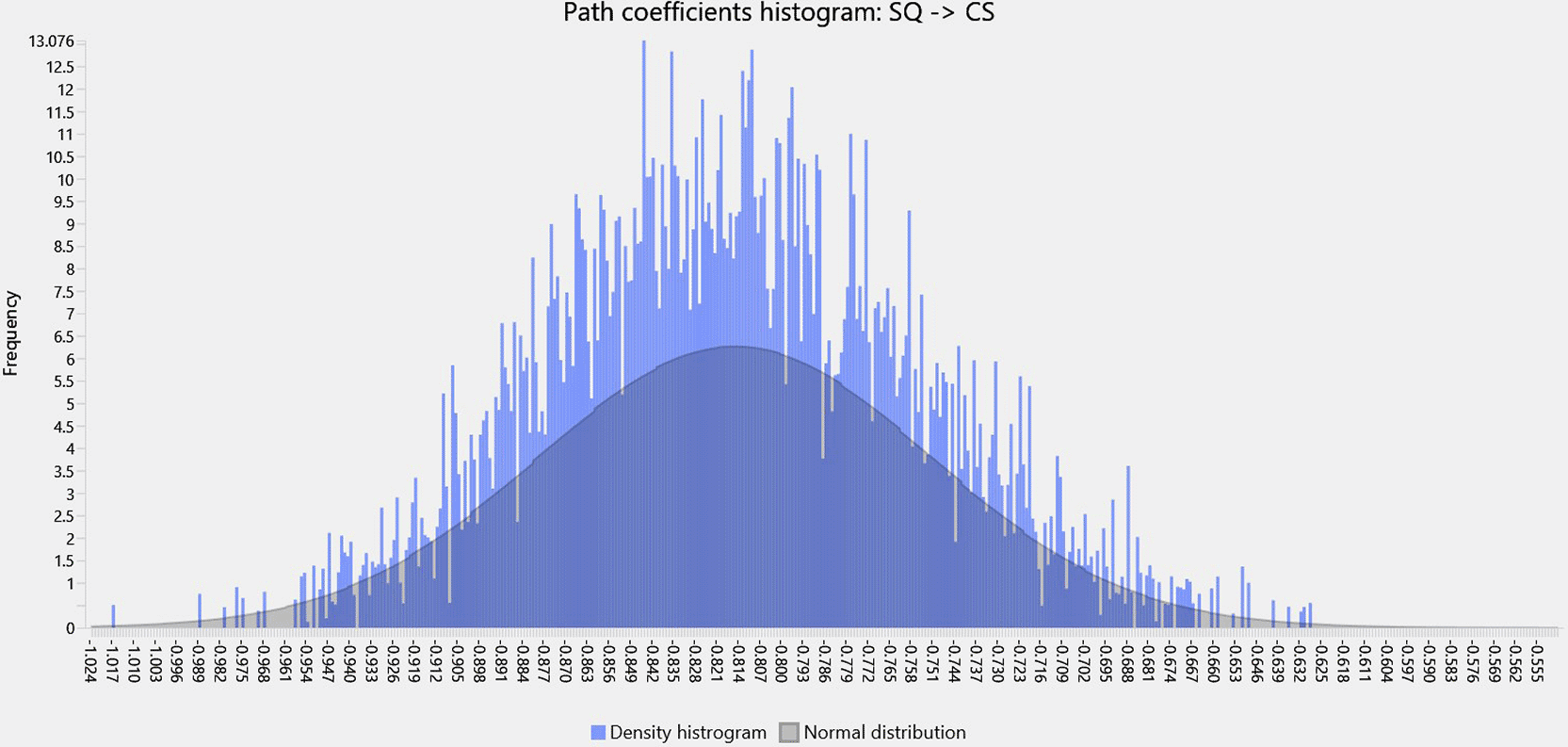
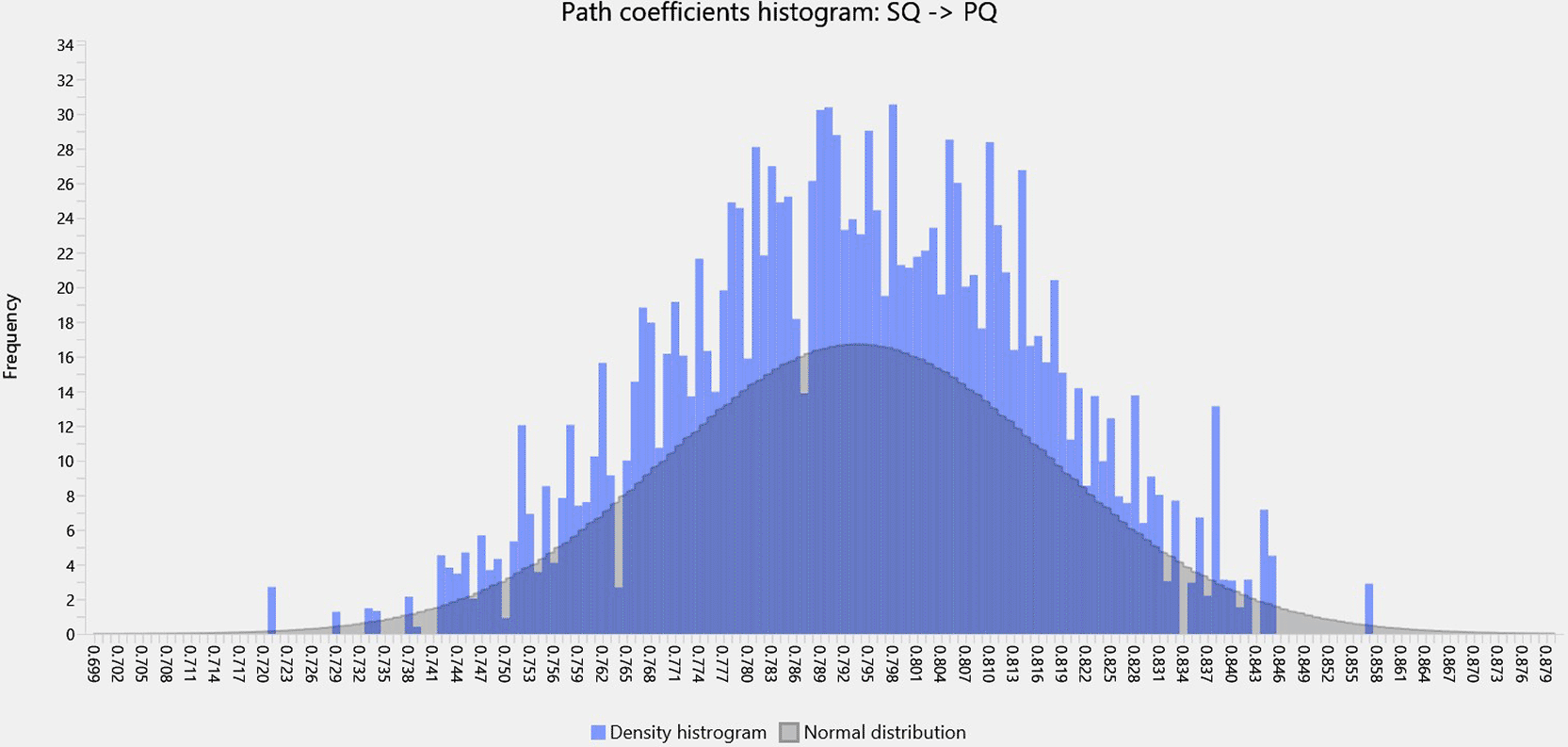
Furthermore ( Figure 3, 4, and 5) represent path coefficient histograms that visualize the bootstrapped or permuted path estimates across subsamples, helping assess stability, normality or significance of structural paths with respect to Service quality, process quality and customer satisfaction.
The Variance Inflation Factor (VIF) calculates the degree to which an independent variable’s correlation with other variables is increased by the variance (uncertainty) of a coefficient. A high VIF signals that variable can be predicted by other variables in the model making it redundant. It measures the degree to which the variance is greater than in the absence of collinearity. In order to identify common method bias (CMB), a full collinearity evaluation methodology, VIF values as displayed in ( Table 3) should be less than the 3.3 criterion (Hair et al., 2021; Kock, 2015).
| Construct | VIF Values |
|---|---|
| PQ - > CS | 2.663 |
| SQ - > CS | 2.663 |
| SQ - > PQ | 1.000 |
Bootstrapping was used to determine the statistical significance of the relationships in the model (Becker et al., 2023; Hair et al., 2021). The parameter estimates (e.g., Outer loadings and path coefficients) acquired from the subsamples are used to derive confidence interval of about 95% for significance testing.
Furthermore, bootstrapping yields the estimates probable errors, which enable the computation of t-values to evaluate each estimate’s significance ( Figure 6). The route coefficient illustrates how strongly and significantly the different conceptions relate to one another. According to ( Table 4), all are positive and statistically significant at p < 0.05. Three specimen models have been investigated as part of the study to evaluate the route coefficient histogram.
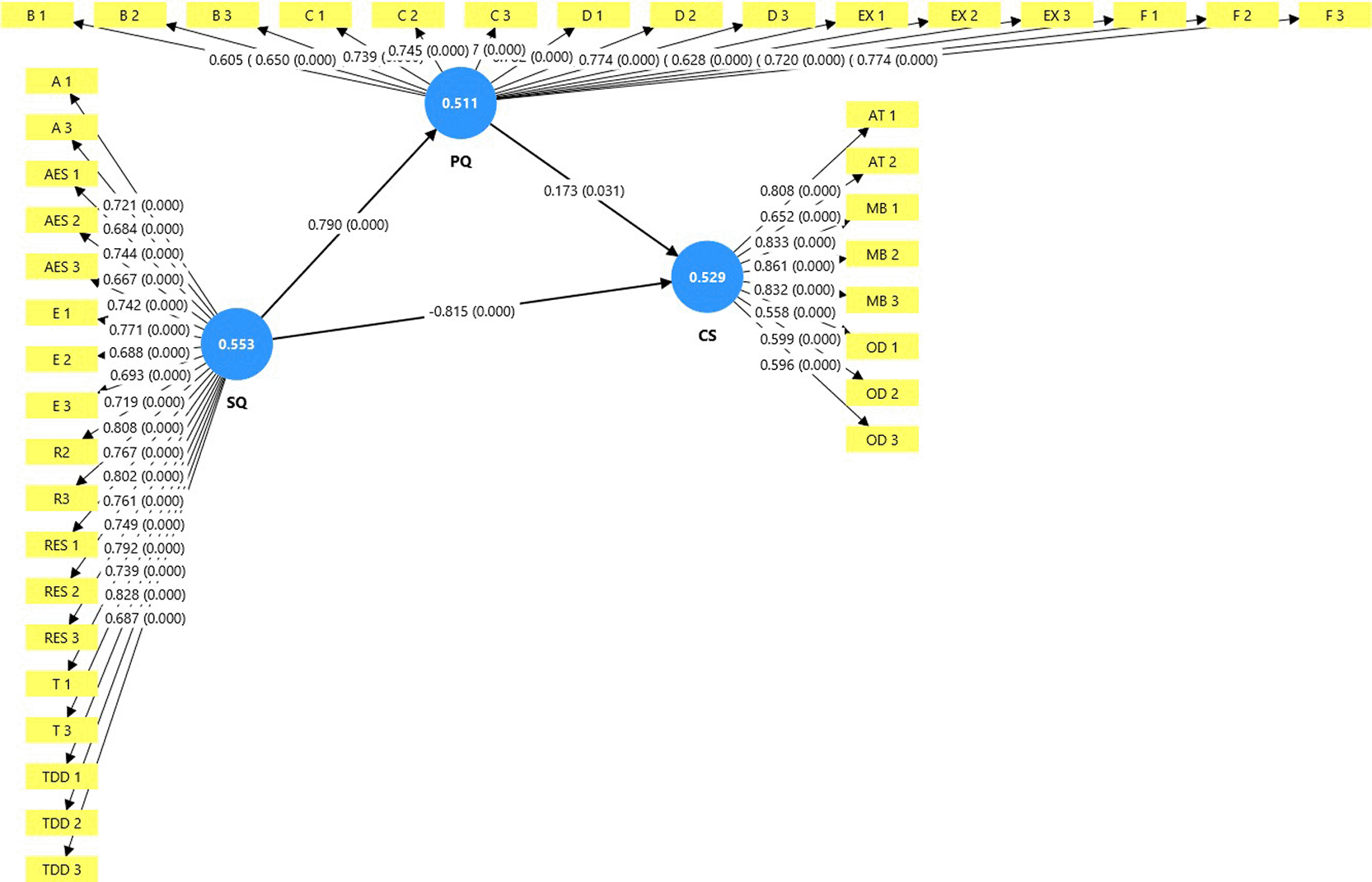
This part offers the analysis and hypothesis testing results, evaluating the statistical outcomes in reference to the current literature. The models bootstrapping results as shown in ( Figure 6) highlights the route coefficients, P-values, factor loadings and Cronbach’s alpha values for each construct. The path represents the hypothesized relationships, while the Cronbach’s alpha values reflect the internal consistency and reliability of the model. The findings highlight the critical factors influencing the connection between customer satisfaction, process quality, and service quality in residential building projects.
The analysis highlights that service quality is a key factor that would influence client satisfaction with (P < 0.000, β = 0.815, t = 12.795), and model stability is demonstrated by the histogram that highlights the normal distribution of path coefficients ( Figure 4). The features and building aesthetics have a significant impact on Service quality. This supports earlier research (Forsythe, 2008; Forsythe, 2016) and shows how service quality affects customer happiness. Findings indicate focused closely on both the interior and external aesthetics of the building that have a significant part in bringing finishing of the project to a successful completion. The results show that service quality is a well-validated key concept with reliability metrics (CR = 0.957, Cronbach’s alpha = 0.952, AVE = 0.553).
Process quality is significantly impacted by service quality (P < 0.000, β = 0.794, t = 33.119), and the model’s resilience is confirmed by the frequency distribution of path coefficients ( Figure 5). Giving customers a briefing on the project is essential to comprehending the quality of the process from the project’s conception to its completion. Importance of recognizing and highlighting the work process and some of the problems faced throughout the execution of work play a very essential role in bringing the project to a successful completion since it is time limited and cost driven. This aligns with prior studies (Ngowtanasuwan, 2020; Al-momani, 2000) that identified the quality of service in construction domain which requires a perception of the process by the project owner in terms of interactions and activities. The findings underscore the service quality role in ensuring transparency and workflow process and resonate the need for having strategies or framework that would predefine the various activities of tasks and avoid any discrepancies in the project. The reliability metrics (Cronbach’s alpha: 0.932, CR: 0.940, AVE: 0.511) confirm that process quality is a significant factor in fostering a clear understanding between service providers and recipients.
Customer satisfaction is significantly impacted by process quality (P < 0.031, β = 0.169, t = 2.156). The data shows that the various procedure engaged during the construction stage has a big impact on the consumers especially if the end of the project is beyond the expectations of the customers. Due to various constraints in the construction sectors that may vary from location to location, nature of work, quality of materials, work methodology and workmanship it is essential for the construction organizations to perceive customer needs beforehand. This would also improve the reputation of the company and customer retention rate accordingly. This is in alignment with earlier research (Amat et al., 2020; Sunindijo et al., 2014) that found that customer loyalty and behavioural intent are important factors that contribute to business success. Since customer satisfaction is closely related to customer feedback, reliability metrics (CR = 0.897, Cronbach’s alpha = 0.884, AVE = 0.529) confirms it as a crucial component in measuring total project performance.
This emphasizes the role of five service quality dimensions along with two additional dimensions namely Aesthetics and Technical design and detailing on various stages of construction activity. The study shows that whenever the service quality is offered effectively during the construction process has always resulted in a high customer satisfaction rate which eventually leads to maximize the organizations repute and brand image.
From the practical point of view, Construction firms should introspect into the details of service quality which creates an environment for better transparency, effective communication and excel in project outputs. These frameworks help conceptualize what clients expect versus what they perceive, guiding benchmarking and continuous improvement. Gaps between expected and perceived service quality can result in dissatisfaction, project delays, and financial loss. Implementing robust quality control and effective communication among stakeholders increases efficiency, reduces errors, and supports safe project completion. Performance evaluation based on service quality helps firms identify weaknesses, adapt global best practices, and create a competitive edge. The study concludes by offering guidelines for contractors and builders to effectively communicate with clients and close the gap between project expectations and project outcomes.
This research was limited to urban and semi urban geographic locations in Karnataka. The type of construction was restricted to individual residential housing projects. Also, the data was taken at one point of a given time (Cross sectional study) wherein the change in customers perceptions could have varied at different stages of the construction activity. Future research should employ longitudinal study and addressing for large construction projects like Commercial buildings, Road projects, Bridge construction etc. Further a framework could be created for the construction of residential projects that would be a supporting tool and a guideline for better project delivery and quality outcomes. This study demonstrates influence of Service quality to process quality and client satisfaction across residential developments in Karnataka. Effective Service quality can boost corporate efficiency, customer satisfaction, loyalty and profitability. Also process quality fosters procedures in the construction that have drawn attention when assessing client satisfaction in the construction sectors. High service quality leads to better client happiness, recurring business, and excellent reputation within the sector.
Name of ethics committee: Kasturba medical college and Kasturba hospital institutional ethics committee, Registration No: ECR/146/Inst/KA/2013/RR-19, DHR Registration No: EC/NEW/INST/2019/374.
Participation in this study was entirely voluntary and without any coercion with the consent taken from the participants. Verbal consent was chosen as the respondents were residing at various geographic locations of the select cities and towns of the Karnataka state, were informed prior and agreed to participate in the online questionnaire survey.
| Views | Downloads | |
|---|---|---|
| F1000Research | - | - |
|
PubMed Central
Data from PMC are received and updated monthly.
|
- | - |
Provide sufficient details of any financial or non-financial competing interests to enable users to assess whether your comments might lead a reasonable person to question your impartiality. Consider the following examples, but note that this is not an exhaustive list:
Sign up for content alerts and receive a weekly or monthly email with all newly published articles
Already registered? Sign in
The email address should be the one you originally registered with F1000.
You registered with F1000 via Google, so we cannot reset your password.
To sign in, please click here.
If you still need help with your Google account password, please click here.
You registered with F1000 via Facebook, so we cannot reset your password.
To sign in, please click here.
If you still need help with your Facebook account password, please click here.
If your email address is registered with us, we will email you instructions to reset your password.
If you think you should have received this email but it has not arrived, please check your spam filters and/or contact for further assistance.

Comments on this article Comments (0)